MEF welcomes RM2,000 minimum wage, says MSME exemption gives smaller firms breathing room马来西亚雇主联合会(MEF)欢迎2000令吉最低工资标准,并表示中小微企业豁免政策为小型企业提供了喘息空间。
KUALA LUMPUR, Oct 9 — The Malaysian Employers Federation (MEF) today welcomed the federal government’s decision to raise the national minimum wage to RM2,000 while exempting...
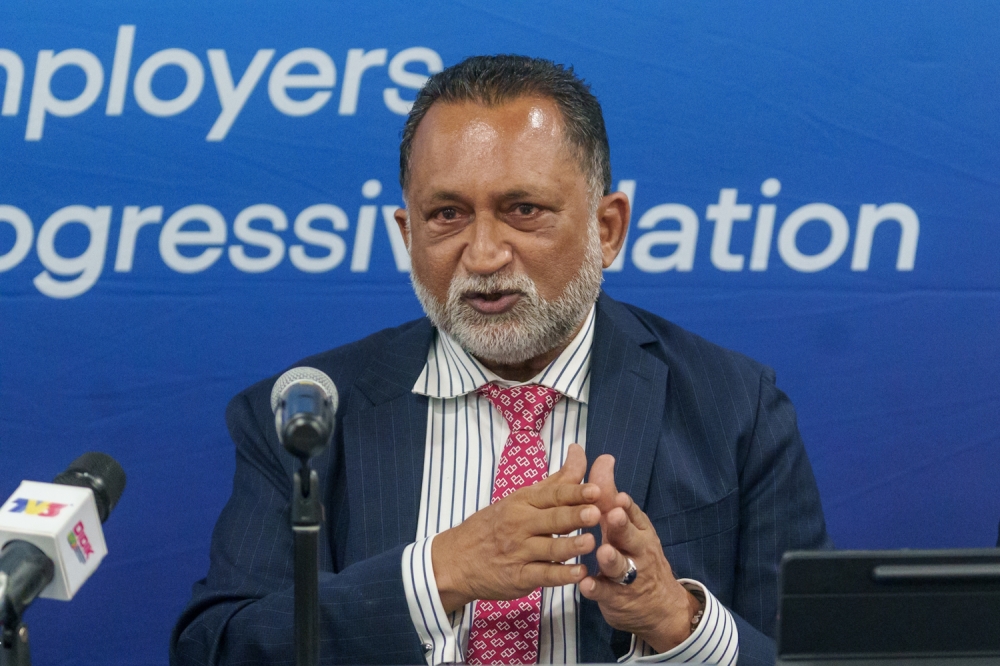
The Malaysian Employers Federation (MEF) has praised the government's decision to increase the national minimum wage to RM2,000, set to take effect in June 2027, while exempting MSMEs with annual sales under RM50 million.
MEF emphasizes the importance of a balanced approach that improves workers' welfare without jeopardizing business viability or job security.
They advocate for a responsible wage policy that allows businesses, particularly MSMEs, adequate time to adapt while encouraging employers to pay above the minimum wage where feasible.
MEF also underscores the need for supportive measures such as productivity incentives and skills development to bolster business sustainability and wage increases over the long term.
KUALA LUMPUR, Oct 9 — The Malaysian Employers Federation (MEF) today welcomed the federal government’s decision to raise the national minimum wage to RM2,000 while exempting micro, small and medium enterprises (MSMEs) with annual sales of less than RM50 million.
The new rate, effective June 2027, was announced earlier by Prime Minister Datuk Seri Anwar Ibrahim during the tabling of Budget 2027.
MEF senior adviser for government, media and international engagement Datuk Syed Hussain Syed Husman said a balanced approach was essential to ensure efforts to improve workers’ welfare did not inadvertently undermine business viability, discourage hiring or put existing jobs at risk.
“Providing employers until June 2027 is a sensible step that gives businesses the time to plan, adapt and prepare for implementation while minimising disruption to employment and business operations.
“MEF believes that a reasonable transition period, combined with appropriate support for MSMEs, will help ensure that the objective of improving workers’ incomes can be pursued alongside business sustainability and job security,” he said in a statement.
Explaining further, Syed Hussain said a responsible wage policy focuses not only on the extent of wage increases but also on ensuring businesses can sustain those wages, protect existing jobs and continue creating new employment opportunities.
He also noted that while the minimum wage establishes the statutory wage floor, it should not be the ceiling for employers who can afford to pay more.
“MEF encourages employers to reward employees in line with their business performance, productivity, skills and contributions.
“At the same time, we must recognise that businesses have different financial capacities, particularly among MSMEs.
“The ultimate objective is to build sustainable businesses that can continuously create quality jobs and provide better wages for Malaysian workers,” he said.
Regarding the MSME exemption, Syed Hussain said such measures reflect an important recognition that wage policies must account for the differing financial capacities of businesses, particularly smaller enterprises that operate with tighter margins and limited resources.
“While larger businesses may have greater financial capacity to absorb higher labour costs, smaller enterprises often face more significant constraints arising from rising operating expenses, limited access to financing, productivity gaps and the challenges of adopting new technologies.
“An exemption for eligible MSMEs would provide these businesses with greater flexibility to strengthen their financial positions, improve productivity and prepare for future wage adjustments without compromising their ability to sustain employment,” he said.
Nevertheless, Syed Hussain said any exemption should be supported by clear eligibility criteria, transparent implementation guidelines and adequate communication to employers and employees.
This includes clarification on how the annual sales threshold of RM50 million will be assessed, the treatment of related companies and the application of the exemption to different business structures.
He said MEF also proposed that the federal government strengthen complementary measures to help businesses improve productivity and pay higher wages over the longer term.
These include targeted productivity incentives, support for digitalisation and automation, skills development and measures to reduce the cost of doing business, particularly for MSMEs.
Haze: 36 areas record unhealthy API readings, Pasir Gudang highest at 190
Budget 2027: Government-owned Entities Bill to be drafted next year, RM1.1b for enforcement agencies’ operations
Budget 2027: Bumiputera businesses get RM7.5b procurement, RM2b GLIC investment
马来西亚雇主联合会(MEF)赞扬政府决定将全国最低工资提高到2000令吉,该决定将于2027年6月生效,同时豁免年销售额低于5000万令吉的中小微企业。
MEF 强调采取平衡方法的重要性,在不损害企业生存能力或工作保障的前提下,改善工人的福利。
他们提倡负责任的工资政策,允许企业,特别是中小微企业,有足够的时间进行调整,同时鼓励雇主在可行的情况下支付高于最低工资的薪酬。
MEF 还强调,需要采取支持性措施,例如提高生产力和促进技能发展,以增强企业的可持续性,并促进长期的工资增长。
吉隆坡,10月9日讯——马来西亚雇主联合会(MEF)今日对联邦政府将全国最低工资提高至2000令吉的决定表示欢迎,同时豁免年销售额低于5000万令吉的微型、小型和中型企业(MSME)。
新税率将于 2027 年 6 月生效,此前首相拿督斯里安华·易卜拉欣在提交 2027 年财政预算案时宣布了这一消息。
马来西亚环境与金融部(MEF)负责政府、媒体和国际事务的高级顾问拿督赛义德·侯赛因·赛义德·胡斯曼表示,采取平衡的方法至关重要,以确保改善工人福利的努力不会无意中损害企业的生存能力,阻碍招聘或使现有工作面临风险。
“允许雇主延期至 2027 年 6 月是一个明智的举措,这可以让企业有时间进行规划、调整和准备,同时最大限度地减少对就业和业务运营的干扰。
“MEF认为,合理的过渡期,加上对中小微企业的适当支持,将有助于确保在实现提高工人收入目标的同时,也能保障企业的可持续发展和就业安全,”他在一份声明中表示。
Syed Hussain进一步解释说,负责任的工资政策不仅关注工资增长的幅度,还关注确保企业能够维持这些工资水平,保护现有就业岗位,并继续创造新的就业机会。
他还指出,虽然最低工资规定了法定工资底线,但对于有能力支付更高工资的雇主来说,它不应该成为工资上限。
“MEF鼓励雇主根据员工的业务绩效、生产力、技能和贡献给予奖励。
“与此同时,我们必须认识到,企业的财务能力各不相同,尤其是中小微企业。
他说:“最终目标是建立可持续发展的企业,不断创造高质量的就业机会,并为马来西亚工人提供更高的工资。”
关于中小微企业豁免,赛义德·侯赛因表示,此类措施反映出人们认识到,工资政策必须考虑到企业不同的财务能力,特别是利润空间较小、资源有限的小型企业。
“虽然规模较大的企业可能拥有更强大的财力来承受更高的劳动力成本,但规模较小的企业往往面临着运营成本上升、融资渠道有限、生产力差距以及采用新技术的挑战等更严重的制约因素。
他表示:“对符合条件的中小微企业给予豁免,将使这些企业有更大的灵活性来增强其财务状况、提高生产力并为未来的工资调整做好准备,而不会损害其维持就业的能力。”
不过,赛义德·侯赛因表示,任何豁免都应该有明确的资格标准、透明的实施指南以及与雇主和雇员的充分沟通。
这包括明确如何评估 5000 万令吉的年销售额门槛、关联公司的处理方式以及豁免对不同业务结构的适用性。
他表示,MEF还建议联邦政府加强配套措施,以帮助企业提高生产力,并在长期内支付更高的工资。
这些措施包括有针对性的生产力激励措施、支持数字化和自动化、技能发展以及降低企业运营成本的措施,特别是针对中小微企业的运营成本。
雾霾:36个地区API读数不健康,巴西古当最高达190
2027年财政预算案:政府所有实体法案将于明年起草,11亿令吉用于执法机构运作
2027年财政预算案:土著企业获得75亿令吉采购,政府投资公司(GLIC)投资20亿令吉。