Opposition proposes national entity to manage RM800b rare earth wealth, prevent illegal mining losses反对派提议成立国家实体来管理价值8000亿令吉的稀土财富,以防止非法采矿造成的损失。
KUALA LUMPUR, Oct 12 — The opposition has proposed the establishment of a national entity to manage rare earth elements (REE) as a new source of national wealth in the...
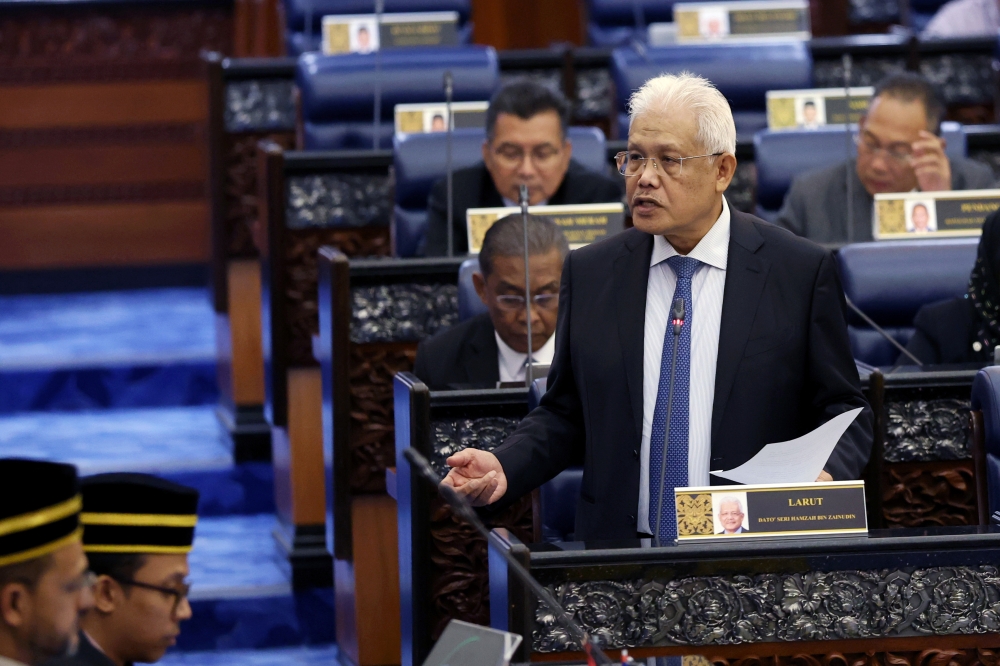
The opposition in Malaysia has suggested forming a national entity, Reenas, to manage and add value to rare earth elements (REEs) as a significant economic resource.
Opposition Leader Datuk Seri Hamzah Zainudin emphasized the need for this management to prevent undervaluation and illegal mining, and proposed Malaysia's transition to an energy powerhouse, including the development of nuclear power.
Additionally, he recommended establishing a National Sovereign Data Centre and an AI Governance Bill to secure sensitive data.
Hamzah also addressed social assistance continuation and suggested setting up an MSME Incentive Fund to offset challenges from the new minimum wage law.
KUALA LUMPUR, Oct 12 — The opposition has proposed the establishment of a national entity to manage rare earth elements (REE) as a new source of national wealth in the post-petroleum era.
Opposition Leader Datuk Seri Hamzah Zainudin said the entity was necessary to prevent non-radioactive raw materials worth more than RM800 billion from being sold cheaply without value-added processing or lost through illegal mining activities.
“We therefore propose the establishment of Reenas to manage these resources in an integrated manner, from exploration to the processing of downstream products,” he said when debating the Supply (Budget) Bill 2027 in the Dewan Rakyat today.
He also said Malaysia needed to move beyond merely selling cheap electricity to foreign data centres and instead become an Asean energy powerhouse by exporting clean energy, owning regional grid infrastructure and developing energy technology.
Hamzah also urged the government to consider building nuclear power reactors to ensure a stable national electricity supply, with a clear roadmap and timeline for implementation.
In the technology sector, Hamzah suggested that the government establish a National Sovereign Data Centre and enact an Artificial Intelligence (AI) Governance Bill to mitigate the risk of breaches involving the country’s confidential information.
“Data centre usage is expected to increase 18-fold by 2040. Sensitive government data must be stored within the country, with encryption keys held by local agencies rather than relying on foreign public cloud services,” he said.
Meanwhile, he welcomed the government’s decision to continue social assistance programmes such as the Rahmah Cash Contribution (STR), Rahmah Basic Contribution (SARA) and Rahmah Sales, which he said had helped ease the people’s cost-of-living burden.
However, to address challenges arising from the implementation of the new RM2,000 minimum wage, Hamzah proposed setting up a Micro, Small and Medium Enterprises (MSME) Incentive Fund through the Social Security Organisation (Perkeso), alongside corporate tax relief for employers who raised workers’ wages.
“Exemptions for MSMEs exist only on paper, as small employers still risk losing workers to larger companies.
“The government needs to share the cost of this transition for several years until companies’ productivity can support the new wage level,” he said. — Bernama
Home Ministry developing AI‑based National Border Control System to strengthen surveillance
Mother agrees bruising on Zara Qairina’s back caused by blood clotting, not a blow
Stop making excuses and apologise for haze, Johor Pakatan tells Indonesia
马来西亚反对派建议成立一个国家实体 Reenas,以管理和提升稀土元素(REEs)这一重要经济资源的价值。
反对党领袖拿督斯里韩沙再努丁强调了这种管理的必要性,以防止低估和非法采矿,并提议马来西亚转型成为能源强国,包括发展核能。
此外,他还建议建立国家主权数据中心和人工智能治理法案,以保障敏感数据的安全。
哈姆扎还谈到了社会援助的延续,并建议设立中小微企业激励基金,以抵消新最低工资法带来的挑战。
吉隆坡,10 月 12 日讯——反对党提议成立一个国家实体来管理稀土元素(REE),将其作为后石油时代国家财富的新来源。
反对党领袖拿督斯里韩沙再努丁表示,该机构的设立是必要的,以防止价值超过 8000 亿令吉的非放射性原材料未经增值加工而被廉价出售,或因非法采矿活动而损失。
“因此,我们建议成立 Reenas 公司,以综合的方式管理这些资源,从勘探到下游产品的加工,”他在今天国会下议院辩论 2027 年供应(预算)法案时说道。
他还表示,马来西亚需要超越仅仅向外国数据中心出售廉价电力,而是要通过出口清洁能源、拥有区域电网基础设施和发展能源技术,成为东盟能源强国。
哈姆扎还敦促政府考虑建造核电站反应堆,以确保国家电力供应稳定,并制定明确的实施路线图和时间表。
在科技领域,哈姆扎建议政府建立国家主权数据中心,并颁布人工智能(AI)治理法案,以降低国家机密信息泄露的风险。
“预计到2040年,数据中心的使用量将增长18倍。敏感的政府数据必须存储在国内,加密密钥应由本地机构持有,而不是依赖外国的公共云服务,”他说道。
与此同时,他对政府决定继续推行诸如拉赫玛现金捐助(STR)、拉赫玛基本捐助(SARA)和拉赫玛销售等社会援助计划表示欢迎,称这些计划有助于减轻人民的生活成本负担。
然而,为了应对实施新的 2000 令吉最低工资标准所带来的挑战,哈姆扎提议通过社会保障机构 (Perkeso) 设立微型、小型和中型企业 (MSME) 激励基金,同时为提高工人工资的雇主提供企业税收减免。
“对中小微企业的豁免只是纸面上的,因为小型雇主仍然面临员工流失到大型公司的风险。
他说:“政府需要分担这一过渡时期的部分成本,直到企业的生产力能够支撑新的工资水平。”——马新社
内政部正在开发基于人工智能的国家边境控制系统,以加强监控
母亲同意扎拉·凯琳娜背部的瘀伤是由血栓引起的,而非击打所致。
柔佛州希望联盟呼吁印尼政府停止找借口,并为雾霾道歉。