Govt aims to improve water quality in 33 polluted rivers in Malaysia by 10pc, says DPM Fadillah马来西亚副总理法迪拉表示,政府的目标是将马来西亚33条受污染河流的水质改善10%。
KUALA LUMPUR, Oct 12 — The government aims to improve the Water Quality Index (WQI) of 33 rivers identified as polluted in 2025 by at least 10 per cent within a year, with...
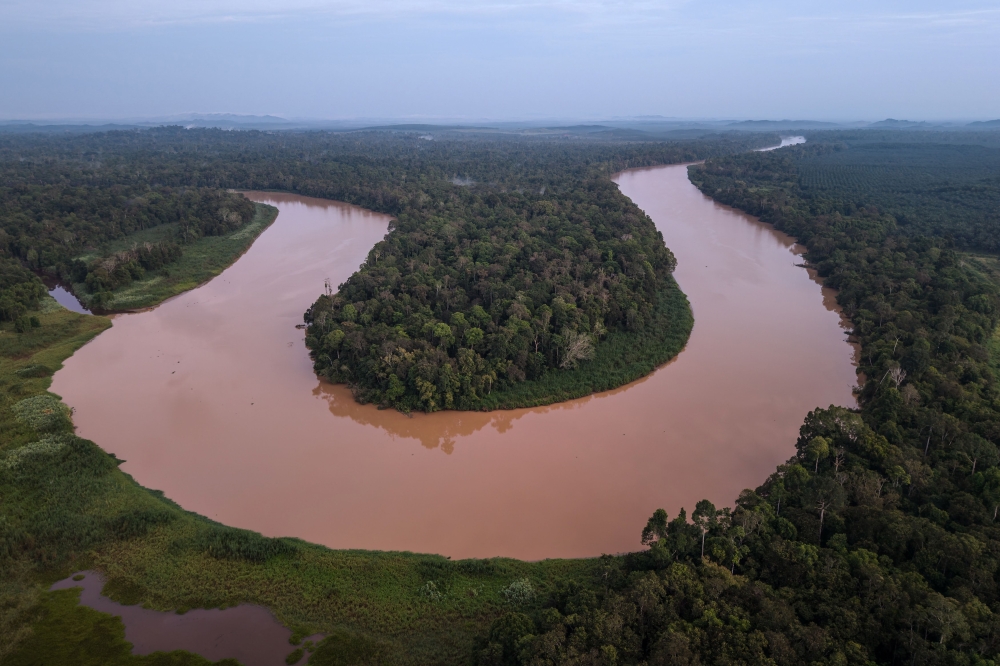
The government plans to improve the Water Quality Index (WQI) of 33 polluted rivers by at least 10% within a year starting in 2025.
Deputy Prime Minister Fadillah Yusof highlighted an increase in polluted rivers from 25 in 2023 to 33 in 2025, underscoring the need for strengthened measures.
A pilot study on non-point source pollution and a Technical Committee on Effluent Discharge Standards will be conducted to enhance water resource protection.
KUALA LUMPUR, Oct 12 — The government aims to improve the Water Quality Index (WQI) of 33 rivers identified as polluted in 2025 by at least 10 per cent within a year, with appropriate recognition to be given to state governments that achieve the target.
Deputy Prime Minister Datuk Seri Fadillah Yusof said the target was set at the second 2026 meeting of the National Special Committee on Addressing River Water Quality Deterioration, which he chaired today.
Fadillah, who is also Energy Transition and Water Transformation Minister, said Department of Environment (DOE) reports showed that the number of polluted rivers rose from 25 in 2023 to 27 in 2024 and 33 in 2025.
In Selangor, the Selangor Water Management Authority (Luas) reported 144 cases of water source pollution detected over the three years up to September 14, 2026, with varying levels of risk.
“I appreciate the commitment of Luas and relevant agencies nationwide in detecting and addressing pollution. However, this increase clearly shows that existing measures need to be strengthened through more effective, coordinated and sustained action,” he said in a Facebook post.
Fadillah said polluted rivers could disrupt water treatment plant operations, affect public water supplies, increase treatment costs and affect economic activities, underscoring the need to make water resource protection a shared priority at all levels of administration.
He said the meeting also decided to conduct a pilot study on the integrated management of non-point source (NPS) pollution at a selected local authority area to test the applicability of field data, estimate pollution loads, identify priority areas and formulate appropriate control measures.
In addition, a Technical Committee on Effluent Discharge Standards, chaired by the Ministry of Housing and Local Government, will be established in collaboration with the National Water Research Institute of Malaysia (NAHRIM) to coordinate the implementation of effluent discharge standards in urban and rural areas.
The meeting also saw the launch of the Guidelines for the Installation of Floating Solar Panels on Water Reservoirs and Lakes in Malaysia, which will serve as a reference to ensure that floating solar developments are carried out in a planned and sustainable manner while safeguarding the country’s water resources.
The integrated efforts reflected the government’s commitment to tackling pollution at its source, protecting water resources and safeguarding national water security through cooperation between the federal government, state governments, local authorities and all stakeholders, he added. — Bernama
Budget 2027: Pet vaccination, sterilisation eligible for tax relief
High Court allows MCMC’s preliminary objection, Papagomo committal hearing on Dec 23
Malaysia, Jordan seek high-tech cooperation to train more engineers, says Anwar
政府计划从 2025 年开始,在一年内将 33 条受污染河流的水质指数 (WQI) 提高至少 10%。
副总理法迪拉·优素福强调,受污染的河流数量将从 2023 年的 25 条增加到 2025 年的 33 条,这凸显了加强措施的必要性。
将开展非点源污染试点研究,并成立污水排放标准技术委员会,以加强水资源保护。
吉隆坡,10 月 12 日讯——政府的目标是在一年内将 33 条被认定为 2025 年受污染河流的水质指数 (WQI) 至少提高 10%,并对实现该目标的州政府给予适当的表彰。
副首相拿督斯里法迪拉·尤索夫表示,这一目标是在今天由他主持召开的解决河流水质恶化问题国家特别委员会第二次2026年会议上设定的。
法迪拉同时也是能源转型和水资源转型部长,他表示,环境部 (DOE) 的报告显示,受污染河流的数量从 2023 年的 25 条增加到 2024 年的 27 条,再到 2025 年的 33 条。
雪兰莪州水务管理局 (Luas) 报告称,截至 2026 年 9 月 14 日的三年内,共检测到 144 起水源污染事件,风险程度各不相同。
“我赞赏卢阿斯轻轨和全国相关机构在检测和治理污染方面所做出的努力。然而,污染加剧清楚地表明,现有措施需要通过更有效、更协调、更持续的行动来加强,”他在脸书上发帖说道。
法迪拉表示,受污染的河流可能会扰乱水处理厂的运行,影响公共供水,增加处理成本,并影响经济活动,这凸显了在各级政府中将水资源保护作为共同优先事项的必要性。
他表示,会议还决定在选定的地方政府区域开展非点源污染综合管理试点研究,以检验现场数据的适用性,估算污染负荷,确定优先区域并制定适当的控制措施。
此外,将成立一个由房屋及地方政府部牵头的污水排放标准技术委员会,与马来西亚国家水资源研究所(NAHRIM)合作,协调城乡地区污水排放标准的实施。
会议还发布了《马来西亚水库和湖泊漂浮式太阳能电池板安装指南》,该指南将作为参考,以确保漂浮式太阳能开发以有计划和可持续的方式进行,同时保护该国的水资源。
他补充说,这些综合努力体现了政府致力于从源头上治理污染、保护水资源和维护国家水安全的决心,这得益于联邦政府、州政府、地方当局和所有利益相关方之间的合作。——马新社
2027年预算案:宠物疫苗接种和绝育可享受税收减免
高等法院准许马来西亚通讯及多媒体委员会的初步反对意见,帕帕戈莫案将于12月23日举行预审听证会。
安瓦尔表示,马来西亚和约旦寻求高科技合作,以培养更多工程师。