Historic Indian Carrier Set To Be Scrapped After 58 Years Of Service With Two Navies印度一艘历史悠久的航母在为两支海军服役58年后即将拆解
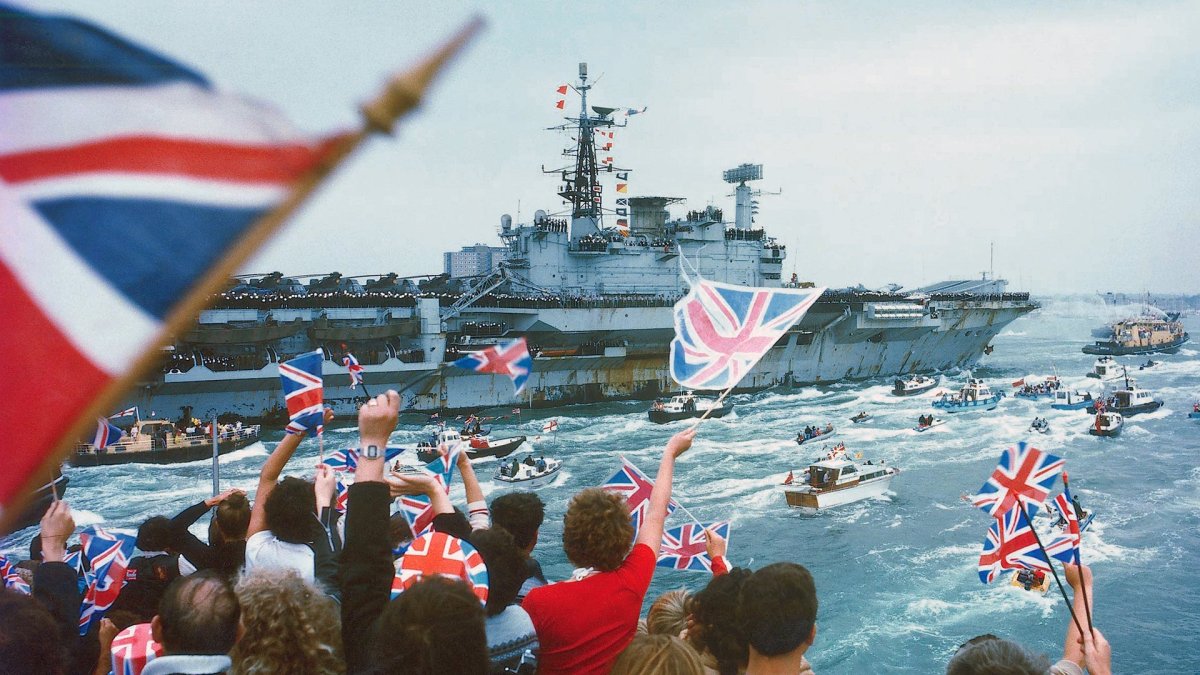
The long history of INS Viraat, formerly HMS Hermes, included combat service in the Falklands War.
新闻视频
Updated Nov 27, 2020 6:26 PM EST
The Indian Navy aircraft carrier INS Viraat , a warship with a unique history spanning 58 years, has made its final journey. The 24,300-ton displacement vessel recently arrived at Alang in India’s western state of Gujarat — the world’s biggest “ship graveyard” — where it will now be broken up.
Shipping firm the Shree Ram Group bought Viraat via MSTC Limited, an Indian state-owned corporation, in July 2020 for approximately $5 million. Shree Ram began the process of moving the ship to Alang earlier this month. The Indian Navy had formally decommissioned the carrier back in March 2017.
The scrapping of the carrier will bring a complete end to the ship, which began life on the other side of the world, while World War II was still raging. Originally named HMS Elephant , the warship was laid down at Barrow-in-Furness in northwest England. The vessel was one of the four examples of the conventionally powered Centaur class of carriers to ultimately be completed.
With the end of World War II in 1945, work on the carrier was suspended. Construction resumed in 1952, by which time the ship had been renamed HMS Hermes . Since very little work had been undertaken on the hull, the Royal Navy was able to reconfigure the carrier to reflect the advances that had been made in related technology by the early 1950s. These included a flight deck angled at 6.5 degrees, steam catapults , a deck-edge aircraft lift, and a Type 984 3D radar system.
Launched in February 1953, Hermes was commissioned into Royal Navy service in November 1959. In the mid-1960s, the carrier’s air defenses were enhanced with the addition of two quadruple launchers for radio-command-guided Seacat missiles , which replaced the original anti-aircraft armament of five twin 40-millimeter-calibre Bofors guns.
For a while, in 1966, it looked like the end of the line for Hermes when the carrier was judged surplus to operational requirements. However, a plan to sell the warship to the Royal Australian Navy fell through.
Still with the Royal Navy, by 1971, Hermes was considered too small to operate as a strike carrier, with its fixed-wing air group being limited to the Blackburn Buccaneer , de Havilland Sea Vixen , and Fairey Gannet , and not the more modern McDonnell Douglas F-4 Phantom . At the same time, the Royal Navy was slashing its carrier force and would eventually only operate a single full-size flattop, HMS Ark Royal . As a result, the role of Hermes was switched to a commando assault carrier — equivalent to a U.S. Navy amphibious assault ship.
By 1972, the ship’s original Type 984 “dustbin” radar had been replaced by a Type 965 “bedstead” system and a new deck-lighting system added that was optimized for rotary-wing operations. The catapult and arrester wires were removed.
In its new guise, Hermes was able to accommodate a complete Royal Marine Commando unit, including a squadron of Westland Wessex assault helicopters, later superseded by Westland Sea Kings . In July 1974, Sea Kings from Hermes took part in the evacuation from Cyprus after the Turkish invasion of the northern part of the island.
HMS Hermes steams at full power in the early 1960s, with Supermarine Scimitar and de Havilland Sea Vixen jet fighters arranged on deck., CROWN COPYRIGHT
Another new role beckoned in the mid-1970s when British maritime priorities switched to anti-submarine warfare (ASW). The refit of Hermes into an ASW carrier was completed in 1977, with a new-look air group typically comprising nine ASW Sea Kings and four Wessex HU5 utility helicopters. The warship retained a limited commando role, too.
The carrier then experienced another change in fortunes, as the emergence of the British Aerospace Sea Harrier short take-off and vertical landing (STOVL) strike fighter meant that Hermes was considered suitable for a return to fixed-wing operations. Another major conversion began in 1980 with the installation of a “ski jump” take-off ramp over the bow, angled upwards at 12 degrees. The flight deck was also hardened to cope with the rigors of Sea Harrier operations. A typical air group now comprised five Sea Harrier FRS1s and nine Sea Kings.
At the outbreak of the Falklands War in 1982, the Royal Navy’s new Invincible -class STOVL carriers were still in the process of introduction, but Hermes was set to be decommissioned the same year. Instead, Hermes’ superior communications fit, as well as its greater aircraft-carrying capacity, led to it being assigned as the flagship for the campaign in the South Atlantic. Hermes , therefore, headed up the task force assembled to retake the Falklands from Argentina and initially embarked 12 Sea Harriers, nine Sea King HAS5s , and nine Sea King HC4s . As the fighting continued, this was adapted to include 15 Sea Harriers, six Royal Air Force Harrier GR3s , five ASW Sea Kings, plus a pair of Westland Lynx equipped to decoy Exocet anti-ship missiles .
RAF Harrier GR3s parked alongside Royal Navy Sea Harriers and a Sea King helicopter on the flight deck of HMS Hermes on May 19, 1982, during the Falklands campaign in the South Atlantic., CROWN COPYRIGHT
On May 1, 1982, Sea Harriers flying from the deck of Hermes took part in the attacks on Port Stanley, in the Falklands, where Argentine forces had captured the airfield, and Harriers from the carrier also struck the grass airstrip at Goose Green. Meanwhile, the carrier’s Sea Kings played an equally important wartime role, including ferrying Special Air Service (SAS) troops to and from the islands under cover of darkness, with the helicopter crews using experimental night-vision goggles.
The Falklands campaign was an undoubted success for Hermes, but after its return to the United Kingdom, it was decided that the carrier would in the future be used as a training ship, remaining in harbor. In addition to becoming increasingly difficult to maintain due to its age, Hermes required greater manpower than the newer Invincibles and had not been converted to use more efficient modern fuel types. After the training ship proposal was abandoned, the carrier continued to serve with Sea Harriers and Sea Kings on board until decommissioned in April 1984.
At this point, India came forward as a customer for Hermes , the Indian Navy having declared its first Sea Harrier squadron operational in 1984. That service needed a replacement for the aircraft carrier INS Vikrant , which the country had purchased from the United Kingdom in 1957 and that initially lacked a “ski jump” ramp. Two years later India acquired Hermes , which was renamed INS Viraat , meaning Giant, and which was commissioned into service in May 1987.
Embarking Sea Harriers, Sea Kings, plus Chetak plane-guard helicopters, Viraat served as the Indian Navy flagship prior to the introduction of INS Vikramaditya , which had previously served in the Russian Navy as Admiral Gorshkov , in 2013.
Crew aboard INS Viraat give the all-clear signal to visiting sailors aboard a U.S. Navy SH-60 Seahawk from the aircraft carrier USS Nimitz in 2007. In the background is an Indian Navy Chetak helicopter., U.S. NAVY PHOTO/MASS COMMUNICATION SPECIALIST PETTY OFFICER 2ND CLASS DUSTIN Q. DIAZ
Sailors refuel a Sea Harrier aboard INS Viraat after the jet returned from a mission during the Malabar 2007 multilateral exercise. , U.S. NAVY PHOTO/MASS COMMUNICATION SPECIALIST PETTY OFFICER 2ND CLASS DUSTIN Q. DIAZ
A Sea Harrier takes off from the “ski jump” take-off ramp of INS Viraat ., U.S. NAVY PHOTO/MASS COMMUNICATION SPECIALIST PETTY OFFICER 2ND CLASS DUSTIN Q. DIAZ
An Indian Navy Sea Harrier takes off from the flight deck of INS Viraat ., U.S. NAVY PHOTO/MASS COMMUNICATION SPECIALIST PETTY OFFICER 2ND CLASS DUSTIN Q. DIAZ
Sea Harrier, Sea King, and Chetak aircraft arranged on the deck of INS Viraat as it participates in maneuvers with the U.S. Navy’s Kitty Hawk and Nimitz Carrier Strike Groups and ships from the navies of Australia, India, Japan, and Singapore. , U.S. NAVY
INS Viraat with her air wing deployed. , U.S. NAVY PHOTO / MASS COMMUNICATION SPECIALIST SEAMAN STEPHEN W. ROWE
Although it never saw combat, Viraat and its Sea Harrier fighters deployed during Operation Vijay during the Kargil conflict with Pakistan in 1999, and again for Operation Parakram in 2001, another period of India-Pakistan tensions.
After participating in the International Fleet Review at Visakhapatnam in February 2016, the Indian Navy decommissioned Viraat , after almost three decades of service, during a ceremony in Mumbai the following year.
Royal Navy destroyer HMS Defender alongside INS Viraat at the Indian Navy’s International Fleet Review in 2016., CROWN COPYRIGHT
Plans to preserve the carrier as a museum ship were put forward by at least two Indian states, while an unsuccessful crowdfunding campaign was launched to try and save it and then return it to the United Kingdom. The government in Maharashtra even proposed turning the warship into a “ tourist hub ” including a five-star hotel, aquarium, and aqua sports facilities. Ultimately, however, preservation of the Viraat was rejected by the Indian Ministry of Defense who considered it economically unfeasible.
On September 28, 2020, the aircraft carrier arrived at its final destination at the shipbreaking yard in Gujarat. The breaker’s torch is a sad end for a warship with an unparalleled history.
Contact the author: thomas@thedrive.com
Comments couldn’t be loaded. Please refresh the page.
更新于美国东部时间2020年11月27日下午6:26。
印度海军拥有58年独特服役历史的航空母舰“维拉特”号(INS Viraat)已完成其最终航程。这艘排水量24300吨的战舰近日抵达印度西部古吉拉特邦的阿朗港——世界上最大的“船舶墓地”——并将在此被拆解。
航运公司Shree Ram集团于2020年7月通过印度国有企业MSTC有限公司以约500万美元的价格收购了“维拉特”号航母。Shree Ram集团于本月初开始将该舰转移至阿朗港。印度海军已于2017年3月正式将该航母退役。
这艘航母的拆解将彻底终结它的命运。它诞生于世界的另一端,当时第二次世界大战仍在肆虐。这艘军舰最初名为“象”号(HMS Elephant),在英格兰西北部的巴罗因弗内斯开工建造。它是最终完工的四艘常规动力“半人马”级航母之一。
1945年二战结束后,这艘航母的建造工作暂停。1952年,建造工作恢复,此时该舰已被更名为“赫尔墨斯”号(HMS Hermes)。由于舰体建造工作进展甚微,英国皇家海军得以对航母进行重新配置,以体现20世纪50年代初相关技术的进步。这些改进包括倾斜角度为6.5度的飞行甲板、蒸汽弹射器、甲板边缘飞机升降机以及984型三维雷达系统。
“赫尔墨斯”号于 1953 年 2 月下水,1959 年 11 月正式加入英国皇家海军服役。20 世纪 60 年代中期,该航母的防空能力得到加强,增加了两座四联装无线电指令制导“海猫”导弹发射器,取代了原有的五门双联装 40 毫米口径博福斯炮防空武器。
1966年,赫尔墨斯号航母一度被认为已超出作战需求,似乎即将退役。然而,将该舰出售给澳大利亚皇家海军的计划最终未能实现。
1971年,仍在皇家海军服役的“赫尔墨斯”号航母被认为体型太小,无法作为攻击航母使用,其固定翼舰载机群仅限于布莱克本“海盗”攻击机、德哈维兰“海雌狐”战斗机和费尔雷“塘鹅”战斗机,而没有更先进的麦克唐纳·道格拉斯F-4“鬼怪”战斗机。与此同时,皇家海军正在大幅削减其航母舰队规模,最终只保留了一艘全尺寸航母——“皇家方舟”号。因此,“赫尔墨斯”号的角色被调整为突击航母,相当于美国海军的两栖攻击舰。
到1972年,该舰原有的984型“垃圾桶”雷达已被965型“床架”雷达系统取代,并加装了一套针对旋翼机作业优化的新型甲板照明系统。弹射器和阻拦索也被拆除。
经过改造后,“赫尔墨斯”号能够容纳一支完整的皇家海军陆战队突击队,其中包括一个中队的韦斯特兰“威塞克斯”攻击直升机,后来被韦斯特兰“海王”直升机取代。1974年7月,土耳其入侵塞浦路斯北部后,“赫尔墨斯”号上的“海王”直升机参与了塞浦路斯的撤离行动。
20世纪60年代初,皇家海军“赫尔墨斯”号巡洋舰全速航行,甲板上部署着超级马林“弯刀”和德哈维兰“海雌狐”喷气式战斗机。(英国皇家版权所有)
20世纪70年代中期,随着英国海上战略重心转向反潜作战(ASW),赫尔墨斯号迎来了新的角色。1977年,赫尔墨斯号完成了反潜航母的改装,配备了全新的舰载机群,通常包括9架海王反潜直升机和4架威塞克斯HU5通用直升机。此外,该舰还保留了有限的突击队任务。
随后,随着英国宇航公司“海鹞”短距起飞/垂直降落(STOVL)攻击战斗机的问世,这艘航母的命运再次发生转变,这意味着“赫尔墨斯”号被认为适合重返固定翼飞机作战。1980年,该舰开始了另一项重大改装,在舰艏上方安装了一座向上倾斜12度的“滑跃式”起飞坡道。飞行甲板也进行了加固,以应对“海鹞”战斗机作战的严苛条件。一个典型的舰载机联队现在由五架“海鹞”FRS1战斗机和九架“海王”直升机组成。
1982年福克兰群岛战争爆发时,英国皇家海军新型的“无敌”级短距/垂直起降(STOVL)航母仍在服役阶段,而“赫尔墨斯”号航母原本计划同年退役。然而,“赫尔墨斯”号凭借其卓越的通信设备和更大的舰载机容量,被指定为南大西洋战役的旗舰。因此,“赫尔墨斯”号率领特遣舰队从阿根廷手中夺回福克兰群岛,最初搭载了12架“海鹞”战斗机、9架“海王”HAS5直升机和9架“海王”HC4直升机。随着战事的推进,舰队规模扩大至15架“海鹞”战斗机、6架英国皇家空军的“鹞”GR3战斗机、5架“海王”反潜直升机,以及两架配备诱饵装置以干扰“飞鱼”反舰导弹的韦斯特兰“山猫”直升机。
1982年5月19日,在南大西洋福克兰群岛战争期间,英国皇家空军的“鹞”式GR3战斗机与皇家海军的“海鹞”式战斗机和一架“海王”直升机并排停放在“赫尔墨斯”号航空母舰的飞行甲板上。(英国皇家版权所有)
1982年5月1日,从“赫尔墨斯”号航母甲板起飞的“海鹞”战斗机参与了对福克兰群岛斯坦利港的袭击,当时阿根廷军队占领了该港口的机场。此外,该航母上的“海鹞”战斗机还袭击了鹅绿草地机场。与此同时,该航母上的“海王”直升机也发挥了同样重要的战时作用,包括在夜幕掩护下运送英国特种空勤团(SAS)部队往返于各岛屿之间,机组人员当时使用了实验性的夜视镜。
福克兰群岛战役对“赫尔墨斯”号航母而言无疑是一次巨大的成功,但返回英国后,英国方面决定将其用作训练舰,并长期停泊在港口。除了舰龄老旧导致维护难度日益增加外,“赫尔墨斯”号所需的人力也比新型的“无敌”级航母更多,而且尚未改装为使用更高效的现代燃料。在训练舰计划被放弃后,该航母继续搭载“海鹞”式和“海王”式直升机服役,直至1984年4月退役。
此时,印度主动提出购买“赫尔墨斯”号战机。印度海军于1984年宣布其首个“海鹞”式战斗机中队投入使用。该海军需要一艘战机来替代其于1957年从英国购入的“维克兰特”号航空母舰。“维克兰特”号最初缺少滑跃式甲板。两年后,印度购入了“赫尔墨斯”号,并将其更名为“维拉特”号(意为“巨人”),于1987年5月正式服役。
“维拉特”号航母搭载了海鹞式战斗机、海王直升机以及猎豹式护卫直升机,在2013年“维克拉玛蒂亚”号航母服役之前,一直是印度海军的旗舰。“维克拉玛蒂亚”号此前曾在俄罗斯海军服役,名为“戈尔什科夫海军上将”号。
2007年,印度海军“维拉特”号护卫舰上的官兵向来自“尼米兹”号航空母舰的美国海军SH-60“海鹰”直升机上的来访水兵发出安全信号。背景中可以看到一架印度海军的“猎豹”直升机。(美国海军照片/大众传播专家二级士官达斯汀·Q·迪亚兹摄)
在2007年马拉巴尔多边演习期间,一架海鹞战斗机完成任务返回后,水兵们正在“维拉特”号航空母舰上为其加油。(美国海军照片/大众传播专家二级士官达斯汀·Q·迪亚兹摄)
一架海鹞战斗机从维拉特号航空母舰的“滑跃式”起飞坡道起飞。(美国海军照片/大众传播专家二级士官达斯汀·Q·迪亚兹摄)
一架印度海军海鹞战斗机从“维拉特”号航空母舰的飞行甲板上起飞。(美国海军照片/大众传播专家二级士官达斯汀·Q·迪亚兹摄)
“海鹞”、“海王”和“猎豹”直升机整齐地排列在“维拉特”号航空母舰的甲板上,该舰正与美国海军的“小鹰”和“尼米兹”号航母打击群以及来自澳大利亚、印度、日本和新加坡海军的舰艇进行联合演习。
“维拉特”号航母及其舰载机联队已部署完毕。(美国海军照片/大众传播专家水兵斯蒂芬·W·罗)
尽管从未参加过战斗,但“维拉特”号及其搭载的“海鹞”战斗机在 1999 年与巴基斯坦的卡吉尔冲突期间的“胜利行动”中部署,并在 2001 年印巴关系紧张的另一次“帕拉克拉姆行动”中再次部署。
2016 年 2 月,印度海军参加了在维沙卡帕特南举行的国际舰队检阅。次年,在孟买举行的仪式上,服役近 30 年的“维拉特”号航母正式退役。
2016年,英国皇家海军驱逐舰“捍卫者”号与印度海军“维拉特”号护卫舰一同参加了印度海军的国际舰队检阅。(版权所有)
至少有两个印度邦提出了将这艘航母保存为博物馆舰的计划,同时还发起了一项众筹活动,试图拯救它并将其归还英国,但最终未能成功。马哈拉施特拉邦政府甚至提议将这艘军舰改造成一个“旅游中心”,包括一家五星级酒店、一个水族馆和水上运动设施。然而,最终印度国防部以经济不可行为由,否决了“维拉特”号的保存计划。
2020年9月28日,这艘航空母舰抵达其位于古吉拉特邦的最终目的地——拆船厂。对于这艘拥有无与伦比的历史的战舰来说,拆船机的火焰标志着它悲惨的结局。
联系作者:thomas@thedrive.com
评论加载失败,请刷新页面。