Bring back caning? Dewan Rakyat debate heats up as MPs push tougher discipline and anti‑bullying reforms恢复体罚?国会下议院辩论升温,议员们力推更严厉的纪律和反欺凌改革。
KUALA LUMPUR, Oct 16 — Issues related to education, including aspects of student discipline and safety, teaching quality, and the empowerment of skills education, took centre...
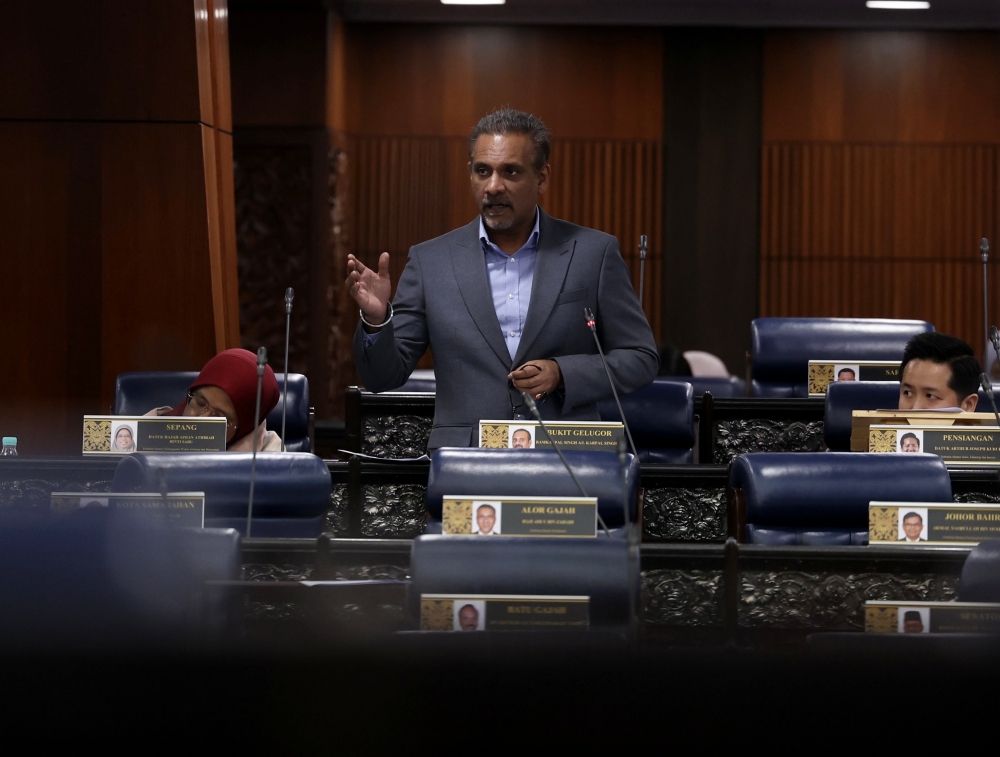
During the policy-level debate on the Supply Bill 2027 in the Dewan Rakyat, education emerged as a focal issue, highlighting student discipline, safety, teaching quality, and skills education.
Proposals included reinstating caning to tackle discipline, increasing psychological evaluations for teachers, enhancing CCTV coverage, and expanding anti-bullying measures.
Emphasis was also placed on strengthening Form Six and expanding Technical and Vocational Education and Training (TVET) access for rural youth.
Additionally, calls were made to improve educational infrastructure in rural areas and ensure timely execution of school projects.
KUALA LUMPUR, Oct 16 — Issues related to education, including aspects of student discipline and safety, teaching quality, and the empowerment of skills education, took centre stage at the conclusion of the first week of the policy-level debate on the Supply Bill 2027 in the Dewan Rakyat yesterday.
Lim Guan Eng (PH-Bagan) during his debate suggested caning be reinstated in schools as one of the measures to address discipline and bullying issues, along with regular psychological evaluations for teachers assigned to carry out the punishment.
“Why was it that back in our school days in the 1970s — a time when caning was widely permitted — there were no cases of murder or rape like those we see today? In fact, there were no negative psychological effects on the students; many of them went on to become successful and prominent individuals,” he said.
He also recommended emergency provisions for the installation of closed-circuit television (CCTV) cameras in more than 10,000 government schools nationwide, in addition to the establishment of a comprehensive anti-bullying and anti-sexual harassment support system, including increasing security patrols and engagement programmes with students and parents.
In agreement with Lim, Ramkarpal Singh (PH-Bukit Gelugor) emphasised that the issue of safety and bullying in schools should not be taken lightly and proposed a special allocation to train teachers to identify early signs of emotional stress and potential violence among students.
He also urged that each school be equipped with a sufficient number of counsellors and structured psychological assessment programmes to enable early intervention.
Issues related to education were also raised by several other Members of Parliament (MPs), including Datuk Seri Ikmal Hisham Abdul Aziz (PN-Tanah Merah), William Leong Jee Keen (PH-Selayang) and Onn Abu Bakar (PH-Batu Pahat), who among other things urged that Form Six education be strengthened as an academic pathway to university and not considered a last resort.
Touching on skills education, Datuk Dr Richard Rapu @ Aman Begri (GPS-Betong) urged the government to expand access to Technical and Vocational Education and Training (TVET) for rural youth, especially in Sarawak, with training programmes aligned to the actual needs of the industry and job market.
“This skills training opportunity should not be concentrated only in big cities. Young people in rural areas and in Sarawak must also be given equal opportunities to learn and obtain better jobs,” he said.
Datuk Muslimin Yahaya (PN-Sungai Besar) also agreed that TVET should be expanded to rural areas to provide opportunities for more than 50,000 students who are ineligible to obtain the Sijil Pelajaran Malaysia (SPM) certificate each year due to failing in the Bahasa Melayu and History subjects.
Datuk Ali anak Biju (PN-Saratok) then urged the Ministry of Education (MOE) to expedite the development of educational infrastructure in rural Sarawak to ensure that safe and quality learning facilities can be enjoyed by students, especially in remote areas.
Taking the example of the delay in the full replacement construction project of Sekolah Kebangsaan Abang Leman in Kabong, he said that stricter actions need to be taken against contractors who fail to meet the project implementation schedule to prevent the project from becoming a white elephant project. — Bernama
JPJ officer dies after lorry crashes into department vehicle during inspection
Swimming coach held after police seize RM6.8m in drugs in Melaka, Johor
Mohamad Hasan says diplomacy first in haze crisis, warns enforcement risks severing Indonesia ties
在下议院就 2027 年财政拨款法案进行政策层面辩论期间,教育成为焦点问题,重点关注学生纪律、安全、教学质量和技能教育。
建议包括恢复体罚以解决纪律问题、增加对教师的心理评估、扩大闭路电视覆盖范围以及扩大反欺凌措施。
此外,还重点加强了六年级教育,并扩大了农村青年接受技术和职业教育与培训(TVET)的机会。
此外,还呼吁改善农村地区的教育基础设施,并确保学校项目及时实施。
吉隆坡,10 月 16 日讯——昨天,在国会下议院就 2027 年财政拨款法案进行的第一周政策辩论结束时,与教育相关的问题,包括学生纪律和安全、教学质量以及技能教育的赋权等方面,成为了辩论的焦点。
林冠英(希望联盟-峇眼)在辩论中建议恢复学校体罚,作为解决纪律和欺凌问题的措施之一,同时对负责执行体罚的教师进行定期心理评估。
“为什么在我们上世纪70年代上学的时候——那时体罚被广泛允许——却没有发生像今天这样多起谋杀或强奸案?事实上,体罚并没有对学生造成任何负面的心理影响;他们中的许多人后来都成为了成功和杰出的人物,”他说道。
他还建议紧急采取措施,在全国 10000 多所公立学校安装闭路电视 (CCTV) 摄像头,并建立全面的反欺凌和反性骚扰支持体系,包括增加安全巡逻和与学生及家长开展互动计划。
与林志强一致,拉姆卡帕尔·辛格(希望联盟-武吉格鲁戈尔)强调,学校的安全和欺凌问题不容忽视,并提议拨出专项资金培训教师,以便及早发现学生的情绪压力和潜在暴力行为的迹象。
他还敦促每所学校配备足够数量的辅导员和结构化的心理评估方案,以便及早进行干预。
其他几位国会议员也提出了与教育相关的问题,包括拿督斯里伊克马尔·希沙姆·阿卜杜勒·阿齐兹(国盟-丹那美拉)、梁志坚(希望联盟-士拉央)和翁阿布·巴卡(希望联盟-峇株巴辖),他们敦促加强中六教育,将其作为通往大学的学术途径,而不是将其视为最后的选择。
谈到技能教育,拿督理查德·拉普博士(阿曼·贝格里)(GPS-Betong)敦促政府扩大农村青年,特别是砂拉越青年,接受技术和职业教育与培训(TVET)的机会,并制定与行业和就业市场的实际需求相符的培训计划。
他说:“这种技能培训机会不应只集中在大城市。农村地区和砂拉越的年轻人也必须享有平等的学习机会和获得更好工作的机会。”
拿督穆斯林亚哈亚(国盟-双溪大年)也同意,职业技术教育应该扩展到农村地区,为每年超过 5 万名因马来语和历史科目不及格而无法获得马来西亚教育文凭 (SPM) 证书的学生提供机会。
拿督阿里·阿纳克·比朱(国盟-沙拉托克)随后敦促教育部加快砂拉越农村地区教育基础设施的发展,以确保学生,特别是偏远地区的学生,能够享受安全优质的学习设施。
他以卡邦阿邦勒曼国民小学全面重建工程延误为例,指出必须对未能按时完成项目的承包商采取更严厉的措施,以防止该项目沦为“面子工程”。——马新社
陆路交通局(JPJ)一名官员在检查过程中被货车撞上部门车辆后身亡。
柔佛州马六甲警方查获价值680万令吉的毒品,一名游泳教练被捕
穆罕默德·哈桑表示,在雾霾危机中应首先采取外交手段,并警告称强制执法可能切断印尼与国际社会的关系。