Pan Borneo Sabah delays stem from multiple factors, not one party, says projects chief inspector泛婆罗洲沙巴项目延误是由多种因素造成的,并非单一因素所致,项目总督察表示。
KOTA KINABALU, Oct 16 — Delays in the Pan Borneo Sabah Highway Phase 1A project cannot be attributed to any single party, with technical, administrative and financial...
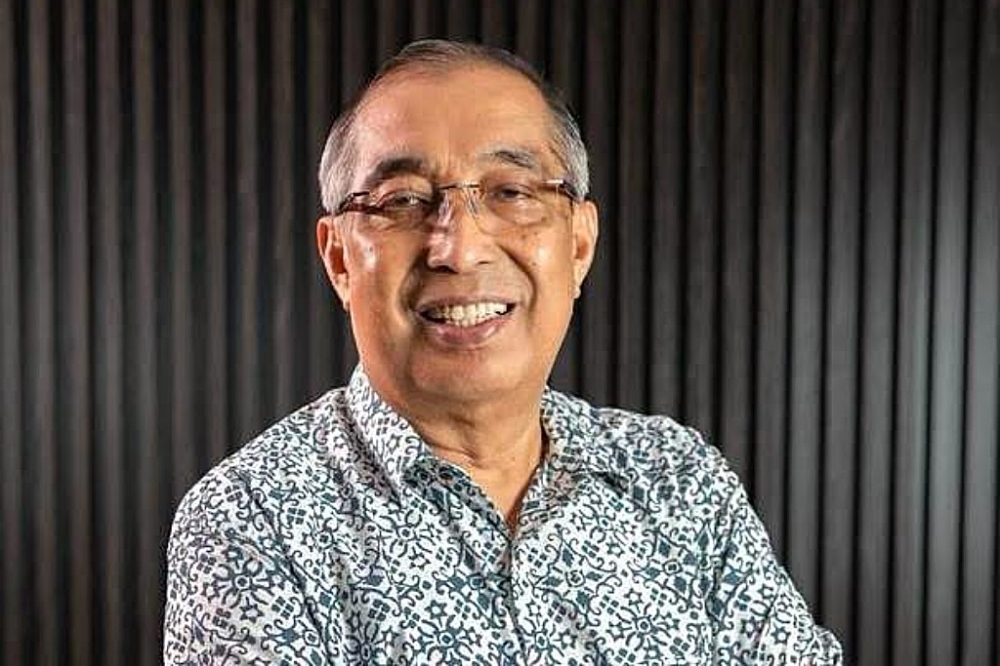
Delays in the Pan Borneo Sabah Highway Phase 1A are due to technical, administrative, and financial challenges, rather than the fault of any single party, according to Datuk Seri Salleh Mohd Said Keruak.
He emphasized the need for collaboration among all stakeholders involved, including the Federal and Sabah governments, consultants, contractors, and utility companies.
Salleh pointed out factors such as land acquisition and design changes requiring intricate coordination that contributed to delays.
To address this, he advocated for more streamlined approval processes and cooperative problem-solving to expedite the project's completion.
KOTA KINABALU, Oct 16 — Delays in the Pan Borneo Sabah Highway Phase 1A project cannot be attributed to any single party, with technical, administrative and financial challenges all contributing to the slow pace of implementation, said Datuk Seri Salleh Mohd Said Keruak.
The Chief Inspector of Projects Sabah said it was unfair to place the entire blame on the Sabah government, stressing that the completion of the long-awaited highway required closer cooperation among all parties involved.
He said more than 70 per cent of the project involved upgrading existing Federal roads from two lanes to four, a process complicated by land acquisition, buildings, residential areas and the relocation of utility infrastructure.
“These are not straightforward works.
“They require careful planning, coordination and technical assessment to ensure that construction can proceed without further complications,” he said in a statement.
Salleh identified changes to the original designs that did not fully reflect actual site conditions as one of the main factors contributing to delays.
He said such changes required detailed scrutiny and coordination among consultants and technical experts appointed by the Works Ministry (KKR).
The process was further complicated when design modifications resulted in additional costs, which required technical assessments and financial approval from KKR and the Finance Ministry (MOF).
He said lengthy approval processes had also affected the smooth implementation of the project.
To prevent similar delays from recurring, Salleh called on KKR and MOF to establish a clearer and faster approval mechanism, particularly for variation orders (VOs) and adjustments to financial limits.
He said the mechanism should be incorporated into the original contracts or formalised through supplementary agreements to ensure that necessary changes could be approved more efficiently.
“Faster and clearer approval processes are essential to prevent administrative and financial bottlenecks from holding up work on the ground,” he said.
Salleh stressed that the project involved shared responsibilities among the Federal and Sabah governments, consultants, contractors and utility companies.
Each party, he said, should be assessed according to its respective authority and responsibilities rather than allowing one party to become the sole target of criticism.
“The people of Sabah do not need a culture of blaming one another. They want to see this highway completed,” he said.
He said the priority should be to strengthen cooperation, expedite decision-making and improve the efficiency of approval processes to ensure the project progressed without unnecessary delays.
“What matters now is reducing delays, accelerating implementation and completing the project for the benefit of the people of Sabah,” he said.
Salleh said all parties needed to focus on practical solutions and fulfil their respective responsibilities to ensure the highway could be completed as efficiently as possible. — The Borneo Post
JPJ officer dies after lorry crashes into department vehicle during inspection
Bring back caning? Dewan Rakyat debate heats up as MPs push tougher discipline and anti‑bullying reforms
Swimming coach held after police seize RM6.8m in drugs in Melaka, Johor
据拿督斯里萨利赫·莫哈末·赛义德·克鲁阿克称,泛婆罗洲沙巴高速公路1A期工程的延误是由于技术、行政和财务方面的挑战造成的,而不是任何一方的过错。
他强调所有相关利益攸关方之间需要合作,包括联邦政府和沙巴州政府、顾问、承包商和公用事业公司。
萨利赫指出,土地征用和设计变更等需要复杂协调的因素导致了延误。
为了解决这个问题,他提倡简化审批流程和合作解决问题,以加快项目完成速度。
哥打基纳巴卢,10 月 16 日讯——沙巴泛婆罗洲高速公路 1A 期工程的延误不能归咎于任何单一方,技术、行政和财务方面的挑战都导致了实施进度缓慢,拿督斯里萨利赫·莫哈末·赛义德·克鲁阿克表示。
沙巴州工程总督察表示,将所有责任都归咎于沙巴州政府是不公平的,并强调这条期待已久的高速公路的完工需要所有相关方更紧密的合作。
他表示,该项目超过 70% 的内容涉及将现有的联邦公路从双车道升级为四车道,这一过程因土地征用、建筑物、住宅区和公用设施基础设施的搬迁而变得复杂。
“这些作品并不简单。”
他在一份声明中表示:“这些都需要仔细的计划、协调和技术评估,以确保施工能够顺利进行,不会出现进一步的复杂情况。”
萨利赫指出,对原始设计进行修改,未能充分反映实际场地条件,是造成延误的主要因素之一。
他表示,此类变更需要工程部 (KKR) 任命的顾问和技术专家进行详细审查和协调。
由于设计修改导致额外成本,该过程变得更加复杂,需要 KKR 和财政部 (MOF) 进行技术评估和财务批准。
他表示,冗长的审批流程也影响了项目的顺利实施。
为防止类似延误再次发生,萨利赫呼吁KKR和财政部建立更清晰、更快捷的审批机制,特别是针对变更指令(VO)和财务限额调整。
他表示,该机制应纳入原合同或通过补充协议正式确定,以确保必要的变更能够更有效地获得批准。
他说:“更快、更清晰的审批流程对于防止行政和财务瓶颈阻碍实地工作至关重要。”
萨利赫强调,该项目涉及联邦政府和沙巴州政府、顾问、承包商和公用事业公司之间的共同责任。
他表示,应该根据各方的权力和责任对其进行评估,而不是让一方成为唯一的批评目标。
他说:“沙巴人民不需要互相指责的文化。他们希望看到这条高速公路建成。”
他表示,当务之急是加强合作,加快决策,提高审批流程效率,以确保项目顺利推进,避免不必要的延误。
他说:“现在最重要的是减少延误,加快实施,完成项目,造福沙巴人民。”
萨利赫表示,各方需要着重寻求切实可行的解决方案,并履行各自的职责,以确保高速公路能够尽可能高效地建成。——《婆罗洲邮报》
陆路交通局(JPJ)一名官员在检查过程中被货车撞上部门车辆后身亡。
恢复体罚?国会下议院辩论升温,议员们力推更严厉的纪律和反欺凌改革。
柔佛州马六甲警方查获价值680万令吉的毒品,一名游泳教练被捕