On loan to Japan, welfare row over Dara, Amoi and Kelat flares up again as Taiping council holds off on latest claims租借至日本的达拉、阿莫伊和吉拉特福利纠纷再次爆发,太平市议会暂缓提出最新诉求。
KUALA LUMPUR, Oct 19 — An activist has renewed calls to bring home three Malaysian elephants from a Japanese zoo, claiming they are showing signs of serious emotional...
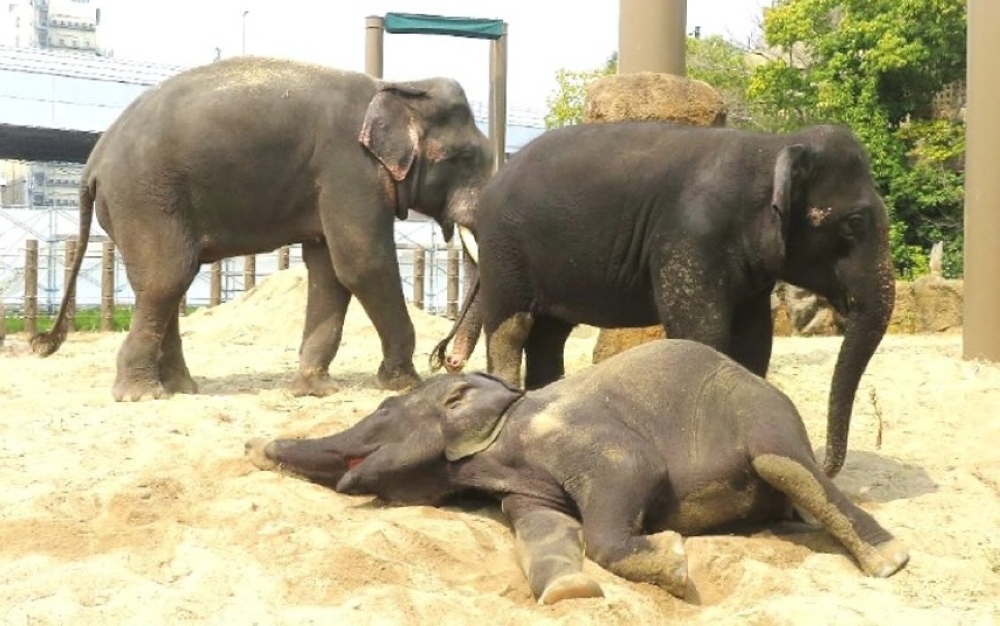
An activist has reignited calls for the return of three Malaysian elephants from Tennoji Zoo in Osaka, alleging signs of severe emotional distress and potential zoochosis.
Concerns have been particularly raised over Kelat's unusual frequency of musth since arriving.
Siti Rabiah Raws from the Environmental Conservation Association of Malaysia advocates for their immediate repatriation and independent assessments, backed by expert William Keith Lindsay.
The Taiping Municipal Council awaits official assessment outcomes, maintaining that the elephants had previously shown natural behavioral phases and were regularly monitored.
KUALA LUMPUR, Oct 19 — An activist has renewed calls to bring home three Malaysian elephants from a Japanese zoo, claiming they are showing signs of serious emotional distress.
Dara, Amoi and Kelat have lived at Tennoji Zoo in Osaka since March under a 25-year cooperation deal with Taiping Zoo & Night Safari.
Siti Rabiah Raws of the Environmental Conservation Association of Malaysia said all three have been seen shaking or swinging their heads excessively and repeatedly, which she called “a clear sign of extremely severe emotional distress and possibly the mental disorder zoochosis”.
She said such behaviour calls for a professional assessment of the elephants’ psychological health, Berita Harian reported today.
Her group has had two staff at Tennoji Zoo since April, recording the elephants’ behaviour daily.
Siti Rabiah also raised concerns over Kelat, who is reported to have gone into musth six to seven times in the seven months since he arrived.
Musth is when a mature male elephant’s hormones go into overdrive, which can make him moody, aggressive and hard to handle.
Siti Rabiah said Oxford University elephant expert William Keith Lindsay told her bull elephants typically experience musth once or twice a year, making the reported frequency worth scientific scrutiny.
Lindsay, who also backs bringing the elephants home, is reported to have prepared three comprehensive reports urging their immediate return to Malaysia.
Siti Rabiah said Kelat’s long separation from Dara and Amoi adds to the worry, and she called for an independent veterinary assessment and close monitoring of him.
Taiping Municipal Council president Mohamed Akmal Dahalan declined to comment on the allegations when contacted, Berita Harian reported.
He said he could not respond personally and that the council would issue an official statement on the elephants’ latest condition when the time comes.
The Taiping council has previously rejected claims of neglect, saying in May that Kelat’s behavioural changes were linked to the natural musth phase and that all three elephants had gained weight.
In June, it said Kelat had been housed separately during musth for safety reasons and had since been reintroduced to Dara and Amoi.
In August, the council said the three elephants were healthy and active, and that Tennoji Zoo’s keepers and veterinarians were monitoring them regularly.
The elephants’ welfare has been a public issue since earlier this year, with Natural Resources and Environmental Sustainability Minister Datuk Seri Arthur Joseph Kurup saying proposals to repatriate them deserve serious consideration.
His deputy, Syed Ibrahim Syed Noh, has said the process cannot be rushed, while the Taiping council has said repatriation would require clear evidence of a breach of the agreement’s welfare terms.
Papagomo walks free after acquittal on sedition charge over Facebook remarks
Ten‑minute war of words in Dewan Rakyat over Takiyuddin’s ‘munafik’ remark
Roland Sagah says 680 Sarawak schools unsafe, calls for urgent upgrades
一名动物保护人士再次呼吁将三头被关押在大阪天王寺动物园的马来西亚大象送回国,称这些大象出现了严重的精神痛苦和潜在的动物园传染病症状。
自凯拉特抵达以来,其异常频繁的发情现象尤其引起了人们的关注。
马来西亚环境保护协会的 Siti Rabiah Raws 主张立即遣返这些文物并进行独立评估,专家 William Keith Lindsay 也支持这一主张。
太平市议会正等待官方评估结果,并坚称这些大象此前曾表现出自然行为阶段,且一直受到定期监测。
吉隆坡,10 月 19 日——一位动物保护人士再次呼吁将三头马来西亚大象从日本动物园带回马来西亚,声称它们表现出严重的精神痛苦迹象。
Dara、Amoi 和 Kelat 自 3 月起就生活在大阪天王寺动物园,这是与太平动物园和夜间野生动物园签订的 25 年合作协议的一部分。
马来西亚环境保护协会的 Siti Rabiah Raws 表示,这三只动物都曾被目击过度且反复地摇头或摆动头部,她称之为“极度严重的精神痛苦的明显迹象,也可能是动物精神障碍”。
据《每日新闻》今日报道,她表示,这种行为需要对大象的心理健康进行专业评估。
自四月份以来,她的团队在天王寺动物园派出了两名工作人员,每天记录大象的行为。
Siti Rabiah 也对 Kelat 表示担忧,据报道,Kelat 自抵达后的七个月内已经发情六七次。
发情期是指成年雄象体内荷尔蒙过度活跃的时期,这会使它情绪多变、具有攻击性且难以控制。
Siti Rabiah 表示,牛津大学大象专家 William Keith Lindsay 告诉她,雄性大象通常每年会经历一到两次发情期,因此报道的频率值得科学审查。
据报道,同样支持将大象带回家的林赛已经准备了三份全面的报告,敦促立即将它们送回马来西亚。
Siti Rabiah 表示,Kelat 与 Dara 和 Amoi 长期分离加剧了人们的担忧,她呼吁对 Kelat 进行独立的兽医评估并密切监测。
据《每日新闻》报道,太平市议会主席穆罕默德·阿克马尔·达哈兰在被问及这些指控时拒绝置评。
他说他无法亲自回应,委员会将在适当的时候就大象的最新状况发表正式声明。
太平市议会此前曾驳斥有关疏忽的指控,并在 5 月份表示,吉拉特的行为变化与自然发情期有关,而且这三头大象的体重都增加了。
6 月份,该机构表示,出于安全考虑,Kelat 在发情期被单独饲养,之后已重新安置在 Dara 和 Amoi 身边。
8 月份,该委员会表示,这三头大象健康状况良好,活动能力强,天王寺动物园的饲养员和兽医正在定期监测它们的健康状况。
今年年初以来,大象的福利一直是公众关注的问题,自然资源和环境可持续发展部长拿督斯里亚瑟·约瑟夫·库鲁普表示,将它们遣返回国的提议值得认真考虑。
他的副手赛义德·易卜拉欣·赛义德·诺表示,这一过程不能操之过急,而太平市议会则表示,遣返需要有明确的证据证明违反了协议中的福利条款。
帕帕戈莫因在脸书上发表煽动叛乱言论而被控,最终被判无罪释放
下议院因达基尤丁的“munafik”言论引发十分钟口水战
罗兰·萨加称砂拉越680所学校不安全,呼吁紧急升级改造