Russian arms exports plummet amid war, sanctions: think tank智库称,战争和制裁导致俄罗斯武器出口暴跌。
Russia's full-scale assault of Ukraine and the Western sanctions that followed have led Moscow's former weapons clients to look elsewhere.
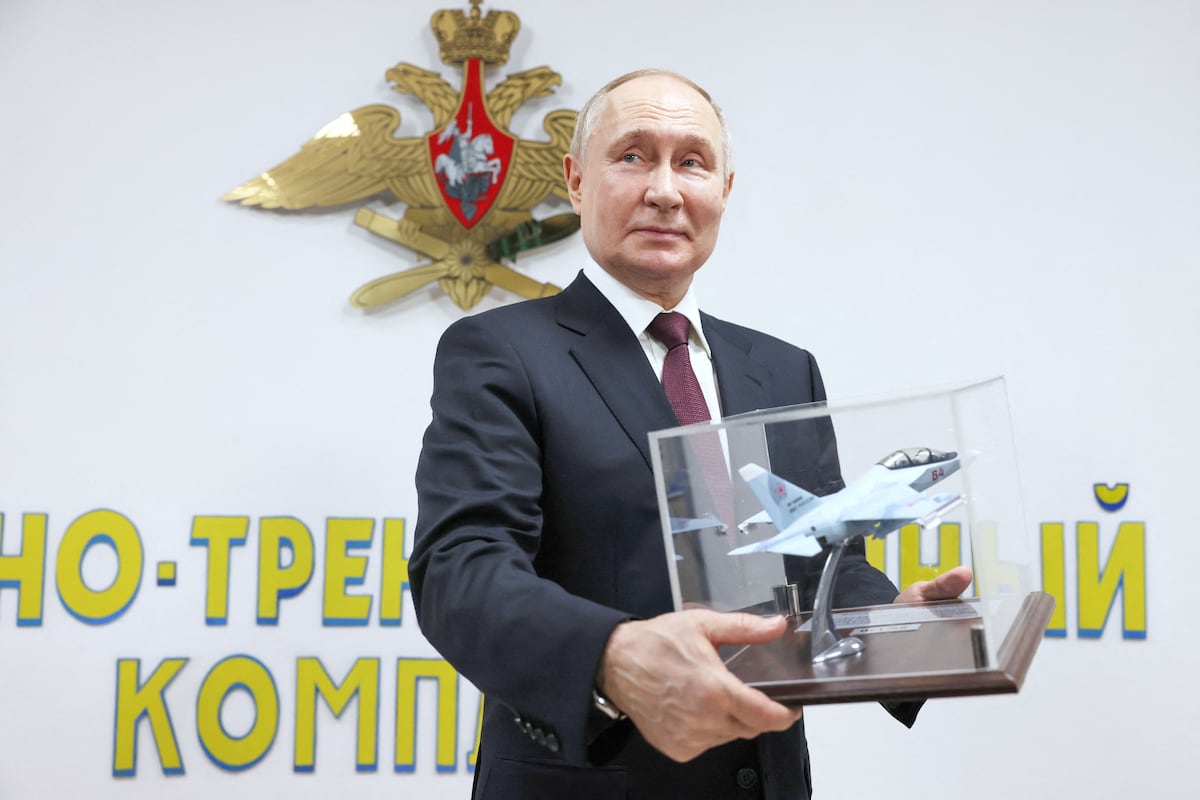
MILAN — Russian weapons exports have dropped dramatically under the shadow of Moscow’s full-scale invasion of Ukraine and the global sanctions that followed, according to the Stockholm International Peace Research Institute.
The sale of Russian weapons to other countries fell by 53% between the five-year periods of 2014-18 and 2019-23, according to the latest report by the think tank, dated March 11.
While Moscow exported major arms to 31 countries in 2019, this number plummeted to only 12 last year, with Western sanctions against the Kremlin representing one of the key reasons some governments are interested to buy elsewhere.
The report noted that the three largest receivers of Russian-made weapons between 2019-23 were India, China, and Egypt. However, the amount of equipment that those governments acquired underwent a steep decrease.
“Between the two periods, Russian arms exports to India decreased by 34%, while exports to China decreased by 39% and to Egypt by 54%. Algeria and Vietnam, which were Russia’s third- and fourth-largest recipients in 2014-18, saw their exports drop by 83% and 91%,” respectively, SIPRI analysts wrote.
The newest figure, combined with the overall low number of pending Russian arms deliveries, suggest that the country’s exports in the defense sector are likely to remain low, as the draw of made-in-Russia military equipment is waning, according to the analysts.
One trend relates to the continents of Asia and Oceania. The regions, which accounted for 68% of overall Russian weapons exports in 2018-2023, are now seeing the rise or the United States as their largest arms supplier.
Several Asian countries have hinted in the last year at their intention to decrease their arms dependency on Russia, rather looking to diversify their supplier channels or build up their domestic industries.
Another important shift in arms transfers between the two time periods analyzed was the move of France ahead of Russia in the ranking of arms-exporting nations. Paris is now the world’s second-largest weapons exporter, recording a 47% increase in sales.
With European nations scrambling for weapons to fill their own stocks or to support Ukraine, the continent logged a significant increase in arms imports, which were 94% higher in the past five-year window than in 2014-18. Purchases from the United States accounted for 55% of the uptick.
Weapons high on countries’ wish lists currently are both combat aircraft and helicopters, with 800 on order globally, as well as air defense systems and a greater interest in long-range missiles.
“In the past two years, we have seen a much greater demand for air defense systems in Europe, spurred on by Russia’s missile campaign against Ukraine,” Pieter Wezeman, senior researcher at SIPRI’s arms transfer program said.
Elisabeth Gosselin-Malo was a Europe correspondent for Defense News. She covers a wide range of topics related to military procurement and international security, and specializes in reporting on the aviation sector. She is based in Milan, Italy.
米兰——据斯德哥尔摩国际和平研究所称,在莫斯科全面入侵乌克兰以及随后的全球制裁的阴影下,俄罗斯武器出口大幅下降。
根据该智库3月11日发布的最新报告,2014-2018年和2019-2023年这五年间,俄罗斯对其他国家的武器销售额下降了53%。
2019 年,莫斯科向 31 个国家出口了主要武器,但去年这一数字骤降至仅 12 个国家,西方对克里姆林宫的制裁是部分政府转向从其他地方购买武器的主要原因之一。
报告指出,2019年至2023年间,印度、中国和埃及是俄罗斯制造武器的三大接收国。然而,这些国家政府采购的装备数量均大幅下降。
“在这两个时期之间,俄罗斯对印度的武器出口下降了34%,对中国的出口下降了39%,对埃及的出口下降了54%。阿尔及利亚和越南分别是俄罗斯在2014-2018年间的第三和第四大武器进口国,这两个国家的武器出口分别下降了83%和91%。”斯德哥尔摩国际和平研究所(SIPRI)的分析师写道。
分析人士认为,最新数据加上俄罗斯待交付武器数量总体偏低,表明该国国防领域的出口可能仍将保持低位,因为俄罗斯制造的军事装备的吸引力正在减弱。
其中一个趋势与亚洲和大洋洲有关。2018年至2023年间,这两个地区占俄罗斯武器出口总额的68%,而如今,美国正崛起成为它们最大的武器供应国。
过去一年,一些亚洲国家暗示有意减少对俄罗斯的武器依赖,转而寻求供应商渠道多元化或发展国内产业。
在所分析的两个时期之间,武器转让的另一个重要变化是法国在武器出口国排名中超越俄罗斯。巴黎现在是世界第二大武器出口国,销售额增长了47%。
由于欧洲各国争相获取武器以充实自身库存或支持乌克兰,欧洲大陆的武器进口量大幅增加,过去五年比 2014-2018 年增长了 94%。其中,从美国的购买量占增长量的 55%。
目前各国最渴望获得的武器包括战斗机和直升机(全球订单量达 800 架)、防空系统以及远程导弹。
“在过去的两年里,我们看到欧洲对防空系统的需求大幅增加,这主要是由于俄罗斯对乌克兰的导弹袭击,”斯德哥尔摩国际和平研究所武器转让项目高级研究员皮特·韦泽曼表示。
伊丽莎白·戈斯林-马洛曾任《防务新闻》欧洲通讯员。她的报道涵盖军事采购和国际安全等广泛领域,尤其擅长航空领域的报道。她常驻意大利米兰。