Asian nations rushing to buy counter-drone tech as conflicts intensify随着冲突加剧,亚洲各国竞相购买反无人机技术
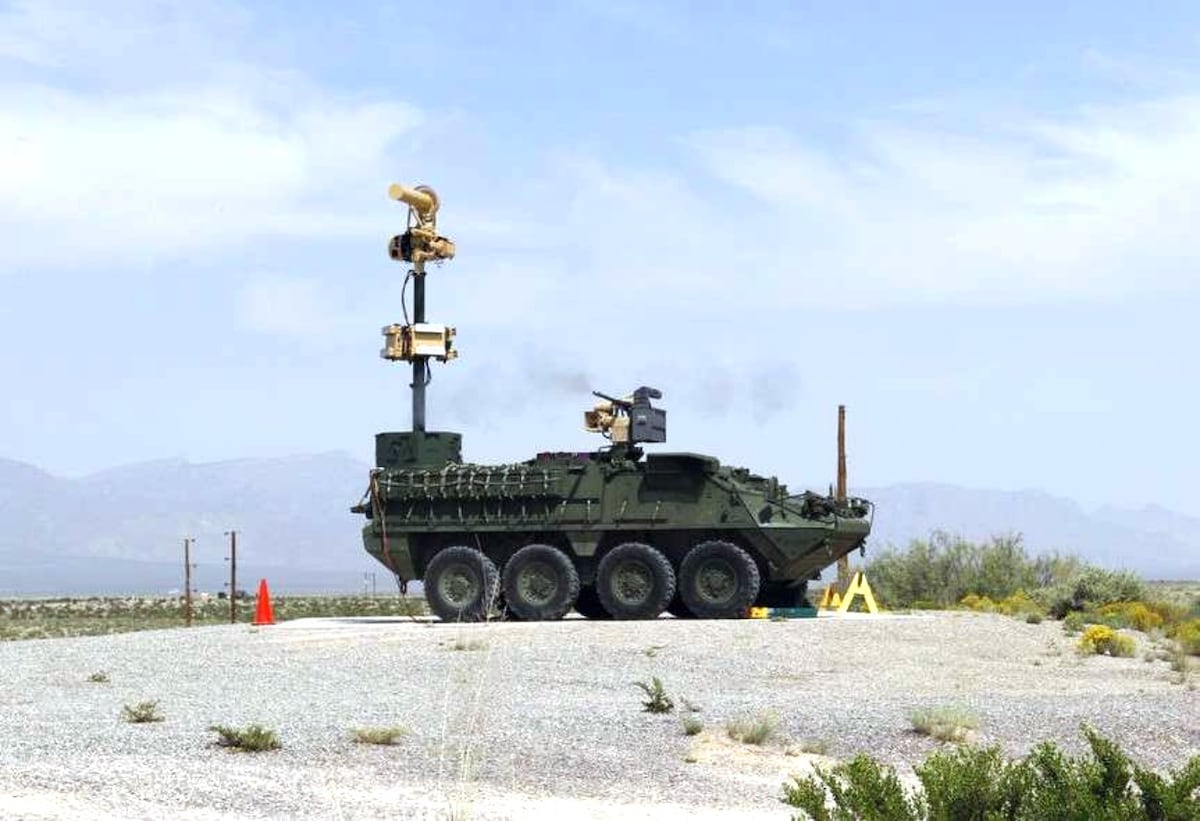
South Korea’s military installed Liteye drone-detection systems, now made by High Point Aerotechnologies, to spot North Korean aerial intrusions.
SINGAPORE — Asian nations are expanding their use of counter-drone systems for military use amid the increasing prevalence of unmanned aerial vehicles crossing shared borders, and companies in the U.S. and Singapore are looking to meet demand.
Governments in the region have been using counter-drone technologies for almost a decade for security, but the recent increase in unauthorized, cross-border UAV traffic and the daily examples of drone combat on display in Ukraine and the Middle East are prompting many Asian countries to step up development of their unmanned warfare capabilities.
South Korea’s military installed Liteye drone-detection systems, now made by High Point Aerotechnologies, in the demilitarized zone in 2019 to spot North Korean aerial intrusions, and this year launched a five-year program to establish a drone force capable of countering them. Taiwan plans to equip its armed forces with counter-drone tech for possible use against China.
“The worst kind of drone threat is one that you don’t detect,” according to Josh Chartier, vice president of business pursuits with Dallas-based High Point. “And so it’s imperative you have systems and processes in place to detect what’s flying in the space so you can make decisions based on policy and what to do to mitigate response.”
High Point, which opened an office in Singapore last month, is bringing counter-drone technologies to the region, Chief Revenue Officer Evan Hunt told C4ISRNET in an interview. Most “existed in secret” but have been in use by the U.S. government, he said.
“In this part of the region, it’s going to focus on civil aviation side, but as you get closer to China and those countries, it becomes more of a military threat and drones become an issue of sovereignty,” Hunt said.
While countries do not want to identify the systems they have, some governments have opened tenders seeking counter-drone systems to boost military surveillance, he said.
High Point displayed its Sawtooth Counter Unmanned Aircraft System at the Singapore Airshow. It’s a modular platform with long- and short-range radars, passive RF systems, and EO/IR cameras. The Sawtooth has been used by Singaporean authorities for years to “identify, track, detect and defeat nefarious drones,” Hunt said.
Russia’s use of kamikaze and surveillance drones against Ukraine and Houthi rebels flying bomb-carrying drones to attack Israel-bound ships in the Red Sea are driving demand for tech that can defend against them, according to the companies. Amid these threats, governments in Asia have a growing understanding of the negative impacts of drones and are moving rapidly to install radars and jammers, High Point’s Senior Director for International Pursuits Dirk Manley said.
“Electronic warfare has fundamentally changed the battlefield,” Chris Miller, chief revenue officer of High Point’s sister company Dzyne Technologies and a former acting U.S. secretary of defense, said during the Singapore Airshow last month. Miller pointed out that trillions of dollars worth of defense capabilities could be “annihilated by things you build in garages.”
TRD Systems, a local company, unveiled its counter-drone gun at the Singapore Airshow. It’s among the technologies chosen by the Canadian government to send with its armed forces in Latvia, where threats include a mix of commercial and bespoke kamikaze drones, CEO Sam Ong said.
“No matter what drone they use, they will use satellites, and our drone gun can cover all of these systems and cut off their signal,” he said. “It’s not about how big or small drones are, as long as it depends on satellites, we can stop it.”
The company is providing counter-drone systems to all 11 countries in Southeast Asia. While Thailand is a major market, recent years saw an upsurge in sales from Vietnam and Cambodia, Ong said.
Last year, Cambodian Prime Minister Hun Sen ordered the deployment of troops and counter-drone systems on its northern border after reports of drone incursions allegedly flown by insurgents in Vietnam.
In Thailand, the Royal Thai Armed Forces mapped out early this year a series of joint training exercises with the Royal Thai Police focused on counter-drone technology and intelligence gathering.
Leilani Chavez is an Asia correspondent for Defense News. Her reporting expertise is in East Asian politics, development projects, environmental issues and security.
新加坡——随着无人机跨越国界的现象日益普遍,亚洲各国正在扩大反无人机系统在军事领域的应用,而美国和新加坡的公司正寻求满足这一需求。
该地区各国政府近十年来一直在使用反无人机技术来维护安全,但最近未经授权的跨境无人机活动增加,以及在乌克兰和中东地区每天发生的无人机战斗,促使许多亚洲国家加快发展其无人作战能力。
韩国军方于2019年在非军事区部署了由High Point Aerotechnologies公司生产的Liteye无人机探测系统,用于侦测朝鲜的空中入侵。今年,韩国启动了一项为期五年的计划,旨在建立一支能够应对朝鲜无人机入侵的无人机部队。台湾也计划为其军队配备反无人机技术,以备将来可能用于对抗中国。
“最可怕的无人机威胁就是你无法探测到的威胁,”总部位于达拉斯的High Point公司负责业务拓展的副总裁乔什·查蒂尔表示。“因此,你必须建立相应的系统和流程来探测太空中的飞行物,以便根据政策做出决策,并采取相应措施来减轻威胁。”
High Point公司上个月在新加坡开设了办事处,该公司首席营收官埃文·亨特在接受C4ISRNET采访时表示,High Point正在将反无人机技术引入该地区。他指出,这些技术大多“此前一直处于秘密状态”,但已被美国政府使用。
亨特说:“在这个地区的这一部分,重点将放在民用航空方面,但随着你越来越靠近中国和那些国家,它就变成了一种军事威胁,无人机也变成了一个主权问题。”
他说,虽然各国不愿透露自己拥有哪些系统,但一些政府已经公开招标,寻求反无人机系统以加强军事监视。
High Point公司在新加坡航展上展示了其“锯齿”(Sawtooth)反无人机系统。该系统是一个模块化平台,配备远程和近程雷达、被动射频系统以及光电/红外摄像机。亨特表示,“锯齿”系统已被新加坡当局使用多年,用于“识别、跟踪、探测和击落恶意无人机”。
据相关公司称,俄罗斯使用自杀式无人机和侦察无人机袭击乌克兰,以及胡塞武装使用携带炸弹的无人机袭击红海驶往以色列的船只,都推动了对能够防御这些威胁的技术的需求。High Point公司国际业务高级主管德克·曼利表示,面对这些威胁,亚洲各国政府越来越意识到无人机的负面影响,并正在迅速部署雷达和干扰器。
“电子战从根本上改变了战场格局,”High Point 姊妹公司 Dzyne Technologies 的首席营收官、前美国代理国防部长克里斯·米勒上个月在新加坡航展上表示。米勒指出,价值数万亿美元的国防能力可能会“被你在车库里造出来的东西摧毁”。
新加坡本土公司TRD Systems在新加坡航展上发布了其反无人机武器。该公司首席执行官Sam Ong表示,加拿大政府已选择该武器等技术装备部署到驻拉脱维亚军队,以应对包括商用无人机和定制自杀式无人机在内的多种威胁。
他说:“无论他们使用什么无人机,他们都会使用卫星,而我们的无人机武器可以覆盖所有这些系统并切断他们的信号。无人机的大小无关紧要,只要它依赖卫星,我们就能阻止它。”
该公司正向东南亚所有11个国家提供反无人机系统。翁先生表示,虽然泰国是主要市场,但近年来来自越南和柬埔寨的销售额也大幅增长。
去年,有报道称越南叛乱分子使用无人机入侵柬埔寨,之后柬埔寨首相洪森下令在其北部边境部署军队和反无人机系统。
今年年初,泰国皇家武装部队与泰国皇家警察制定了一系列联合训练演习计划,重点是反无人机技术和情报收集。
莱拉尼·查韦斯是《防务新闻》的亚洲记者。她的报道专长是东亚政治、发展项目、环境问题和安全。