80% of Singapore's population receive more in Govt benefits than taxes paid: Jeffrey Siow新加坡80%的人口获得的政府福利超过了他们缴纳的税款:萧正清
Doubts whether the fruits of economic growth are distributed fairly have emerged as societies around the world contend with rising costs of living, the rapid pace of technological change, and uncertainty over jobs, said Second Minister for Finance Jeffrey Siow on Tuesday (Oct 20).When this happens, citizens look towards governments for solutions, but many governments have less fiscal flexibility than...
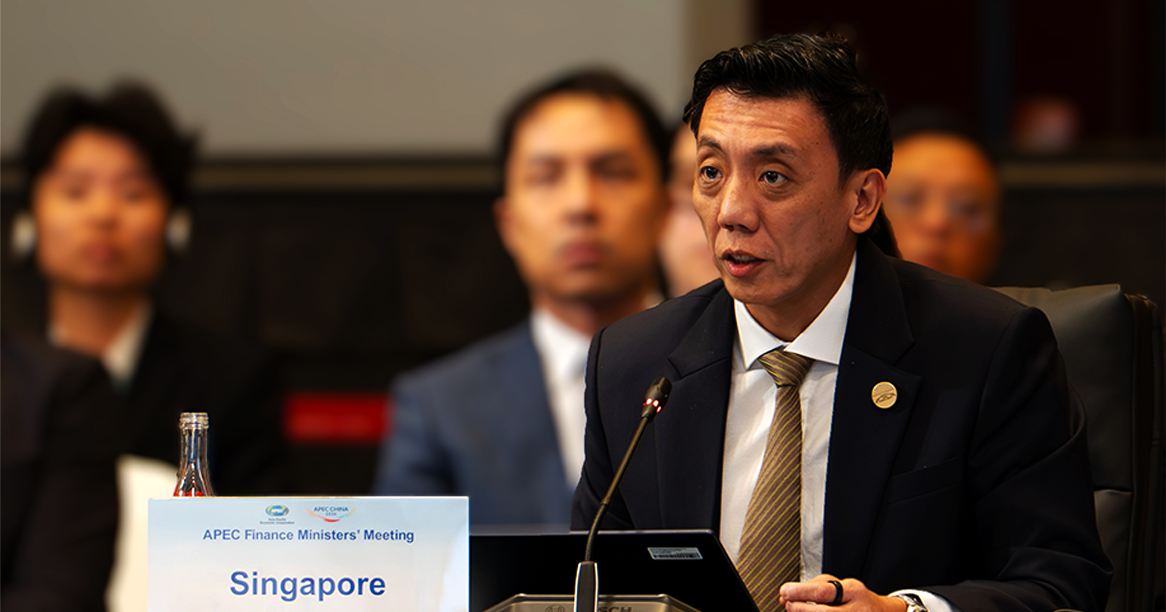
Doubts whether the fruits of economic growth are distributed fairly have emerged as societies around the world contend with rising costs of living, the rapid pace of technological change, and uncertainty over jobs , said Second Minister for Finance Jeffrey Siow on Tuesday (Oct 20).
When this happens, citizens look towards governments for solutions, but many governments have less fiscal flexibility than before because of slowing growth, falling tax revenues, growing public debt, and rising inflation, Siow said.
Siow, who is also Minister for Transport, was delivering an intervention at the Asia-Pacific Economic Cooperation finance ministers' meeting in Hong Kong, during a session on fiscal policy supporting households.
Sharing the city state's fiscal strategy, he pointed out that everyone in Singapore contributes, but those with greater means contribute more.
"A third of our workers pay no income tax. About 80 per cent of Singapore’s population receive more in Government benefits than they pay in total taxes."
And for every dollar of tax paid, households in the bottom 20 per cent receive about $4 in benefits, Siow added.
Meanwhile, targeted and time-limited transfers such as the CDC voucher scheme help reduce the impact of economic or employment shocks on vulnerable families and small businesses — without creating permanent structural burden on Singapore's budget.
This, he said, helps keep the overall tax burden low, while ensuring universal access to basic services such as healthcare, housing and education.
The Republic also invests in infrastructure to foster asset ownership and long-term economic growth, the Second Minister of Finance highlighted.
He pointed to the public housing grants and Central Provident Fund savings system, which have allowed nine in 10 Singaporeans to own homes.
Even for the bottom income decile of households, ownership is over 80 per cent, Siow added.
Meanwhile, Singapore also invests heavily in its long-term infrastructure such as the airport and seaport to build more connections to other economies , which in turn, generate more economic opportunities.
Fiscal policy also shapes long-term social objectives, Siow said, referencing Singapore's sharply declining birth rates that hit a record low of 0.87 in 2025 .
To tackle the issue, he said that Singapore has shifted its approach from incentivising childbirth, towards supporting youth parents in their parenthood journey.
This include annual cash grants and enhanced childcare subsidies for families with young children, with parents receiving more childcare leave , and first-time homeowners and larger families having priority for public housin g.
"These incentives alone will not reverse the declining birth rates which many developed economies experience. But we hope they can create conditions for our families to pursue their aspirations with greater confidence," Siow said.
Rounding up, he reiterated that what matters is not how much has been spent, but what the spending achieves.
A principled fiscal policy requires a far-sighted government that plans for the long term, while strengthening the social compact and actively shapes the future of society.
"Our task is to sustain this compact across generations, and ensure that progress today becomes the foundation for a better tomorrow," Siow said.
财政部第二部长萧敬腾周二(10月20日)表示,随着世界各地社会面临生活成本上升、技术变革快速发展以及就业前景不明朗等问题,人们开始质疑经济增长的成果是否得到公平分配。
Siow表示,当这种情况发生时,民众会向政府寻求解决方案,但由于经济增长放缓、税收收入下降、公共债务增加和通货膨胀上升,许多政府的财政灵活性不如以前。
萧正树(同时也是交通部长)在香港举行的亚太经济合作组织财长会议上,就支持家庭的财政政策发表了讲话。
在分享新加坡的财政战略时,他指出,新加坡人人都有贡献,但经济条件较好的人贡献更多。
“我们三分之一的劳动者无需缴纳所得税。新加坡约80%的人口获得的政府福利超过了他们缴纳的税款总额。”
Siow补充说,每缴纳一美元的税款,收入最低的20%的家庭就能获得约4美元的收益。
与此同时,有针对性且有时限的转移支付,例如疾病控制与预防中心(CDC)的代金券计划,有助于减轻经济或就业冲击对弱势家庭和小企业的影响,而不会给新加坡的预算造成永久性的结构性负担。
他表示,这有助于降低整体税收负担,同时确保人人都能获得医疗保健、住房和教育等基本服务。
第二财政部长强调,共和国还投资基础设施建设,以促进资产所有权和长期经济增长。
他指出,公共住房津贴和中央公积金储蓄制度使得十分之九的新加坡人拥有了自己的住房。
Siow补充说,即使是收入最低的10%家庭,其房屋拥有率也超过80%。
与此同时,新加坡也在机场和海港等长期基础设施方面投入巨资,以建立与其他经济体的更多联系,从而创造更多经济机会。
萧先生表示,财政政策也影响着长期的社会目标,他以新加坡急剧下降的出生率为例,指出新加坡的出生率在2025年将达到创纪录的0.87。
他表示,为了解决这个问题,新加坡已经改变了策略,从鼓励生育转向支持年轻父母的育儿之路。
这包括向有幼儿的家庭提供年度现金补助和加强托儿补贴,让父母获得更多托儿假,并优先考虑首次购房者和大家庭的公共住房。
“单靠这些激励措施无法扭转许多发达经济体面临的出生率下降趋势。但我们希望这些措施能够为我们的家庭创造条件,让他们更有信心去追求自己的梦想,”萧女士说。
最后,他重申,重要的不是花了多少钱,而是这些钱花出了什么成果。
有原则的财政政策需要一个有远见的政府进行长期规划,同时加强社会契约,积极塑造社会的未来。
“我们的任务是让这一契约代代相传,并确保今天的进步成为更美好明天的基础,”萧先生说。