GIC, Temasek deny claims they pressured MSCI to downgrade Indonesia's market新加坡政府投资公司(GIC)和淡马锡否认了他们向摩根士丹利资本国际公司(MSCI)施压,要求其下调印尼市场的评级。
Indonesia's former trade minister Muhammad Lutfi this week alleged that Singapore state investors were involved in a ploy to drive stock prices down in Indonesia.
Indonesia's former trade minister Muhammad Lutfi this week alleged that Singapore state investors were involved in a ploy to drive stock prices down in Indonesia.
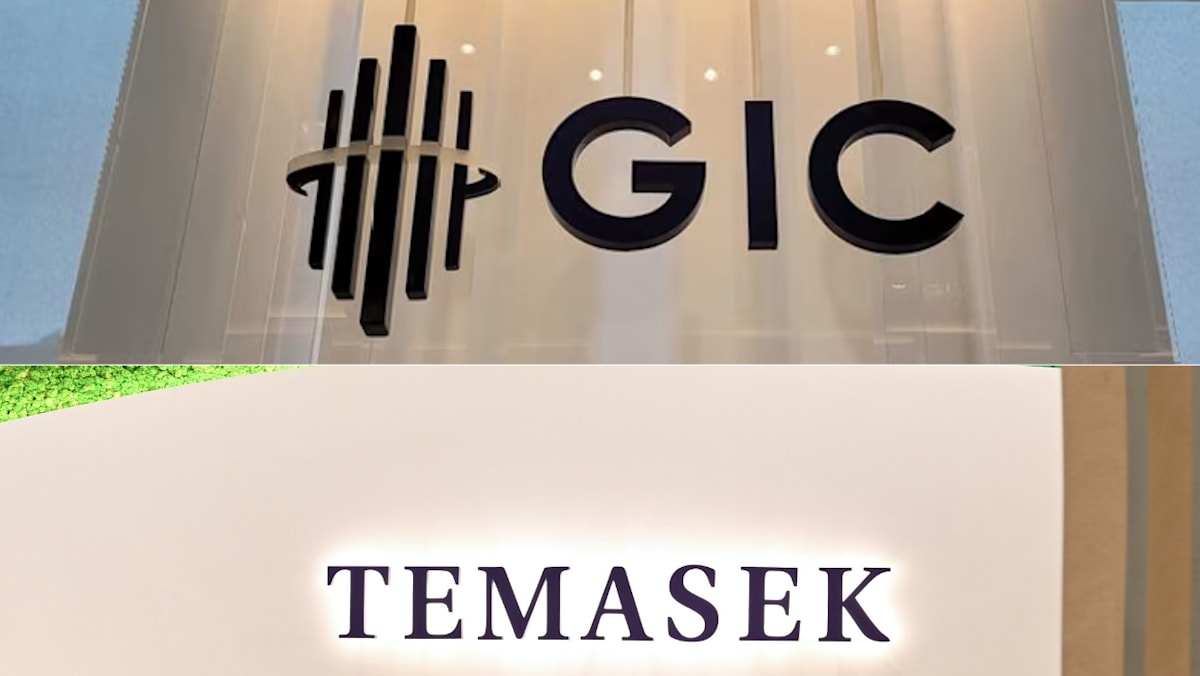
State investors GIC and Temasek said allegations that they pressured MSCI to downgrade Indonesia's market were untrue. (Photos: CNA/Jeremy Long)
This audio is generated by an AI tool.
SINGAPORE: Singapore state investors GIC and Temasek on Wednesday (Oct 21) rejected allegations that they pressured global index provider MSCI to downgrade Indonesia's market status.
Both firms were responding to media queries regarding an Instagram post by Indonesia's former trade minister Muhammad Lutfi, who claimed Singapore state investors orchestrated a scheme to suppress stock prices in Indonesia.
"The allegations about GIC and our staff are untrue," a GIC spokesperson said in a statement.
GIC said its investment decisions are not driven by index classifications or top-down views of a market. Instead, it looks at the fundamentals at a company level or asset level.
CNA Games Guess Word Crack the word, one row at a time Buzzword Create words using the given letters Mini Sudoku Tiny puzzle, mighty brain teaser Mini Crossword Small grid, big challenge Word Search Spot as many words as you can Show More Show Less "We have been invested in Indonesia for over 30 years across asset classes and will continue to invest where we find good, bottom-up, risk-adjusted opportunities," said GIC. Separately, Mr Fock Wai Hoong, Temasek Global Investments' head of Asia Pacific (excluding China and India), said at a press conference on Wednesday that the allegations by the former Indonesian minister are baseless. He was addressing a question about Mr Lutfi's comments at the launch of the 2026 e-Conomy SEA report by Google, Temasek, and Bain and Company. "No one from Temasek, neither the institution nor the individuals working for the institution, have ever reached out to MSCI in order to influence any decisions they have ever made around any exchange across the region," he said, describing the claims as "patently untrue". The statements follow claims published by Mr Lutfi in an Instagram post this week that GIC and Temasek sought to incite market panic and trigger a sharp sell-off in Indonesian equities to acquire shares at a discount. He further alleged that the two firms pressured MSCI to threaten to downgrade Indonesia's market status to drive prices down. MSCI classifies equity markets into four tiers: developed, emerging, frontier, and standalone. The index provider evaluates economies based on economic development, liquidity, market size, and accessibility, according to its website. Last week, MSCI announced the launch of a consultation on a proposal to reclassify the MSCI Indonesia Indexes from emerging market to standalone market status. Following the announcement, the Jakarta Composite Index plunged as much as 16 per cent before paring some losses to trade at around 5,300 points – down about 9 per cent from pre-announcement levels. On MSCI's website, the index provider said standalone markets are broadly classified into two groups: newly eligible markets and markets previously classified under developed, emerging or frontier markets categories. " A reclassification to a standalone status may occur in the case of severe deterioration in market accessibility or size and liquidity," the website said. Currently, the markets with standalone status include Argentina, Lebanon, Ukraine and Jamaica.
"We have been invested in Indonesia for over 30 years across asset classes and will continue to invest where we find good, bottom-up, risk-adjusted opportunities," said GIC.
Separately, Mr Fock Wai Hoong, Temasek Global Investments' head of Asia Pacific (excluding China and India), said at a press conference on Wednesday that the allegations by the former Indonesian minister are baseless.
He was addressing a question about Mr Lutfi's comments at the launch of the 2026 e-Conomy SEA report by Google, Temasek, and Bain and Company.
"No one from Temasek, neither the institution nor the individuals working for the institution, have ever reached out to MSCI in order to influence any decisions they have ever made around any exchange across the region," he said, describing the claims as "patently untrue".
The statements follow claims published by Mr Lutfi in an Instagram post this week that GIC and Temasek sought to incite market panic and trigger a sharp sell-off in Indonesian equities to acquire shares at a discount.
He further alleged that the two firms pressured MSCI to threaten to downgrade Indonesia's market status to drive prices down.
MSCI classifies equity markets into four tiers: developed, emerging, frontier, and standalone. The index provider evaluates economies based on economic development, liquidity, market size, and accessibility, according to its website.
Last week, MSCI announced the launch of a consultation on a proposal to reclassify the MSCI Indonesia Indexes from emerging market to standalone market status.
Following the announcement, the Jakarta Composite Index plunged as much as 16 per cent before paring some losses to trade at around 5,300 points – down about 9 per cent from pre-announcement levels.
On MSCI's website, the index provider said standalone markets are broadly classified into two groups: newly eligible markets and markets previously classified under developed, emerging or frontier markets categories.
" A reclassification to a standalone status may occur in the case of severe deterioration in market accessibility or size and liquidity," the website said.
Currently, the markets with standalone status include Argentina, Lebanon, Ukraine and Jamaica.
Get our pick of top stories and thought-provoking articles in your inbox
Stay updated with notifications for breaking news and our best stories
Join our channel for the top reads for the day on your preferred chat app
印尼前贸易部长穆罕默德·卢特菲本周指控新加坡国有投资者参与了一项旨在压低印尼股市的阴谋。
新加坡政府投资公司(GIC)和淡马锡控股(Temasek)表示,有关它们施压摩根士丹利资本国际公司(MSCI)下调印尼市场评级的指控不实。(图片:CNA/Jeremy Long)
这段音频由人工智能工具生成。
新加坡:新加坡主权财富基金GIC和淡马锡周三(10月21日)否认了有关他们向全球指数提供商MSCI施压,要求下调印尼市场评级的指控。
两家公司都在回应媒体关于印尼前贸易部长穆罕默德·卢特菲在Instagram上发布的一条帖子的询问。卢特菲声称,新加坡国有投资者策划了一项阴谋,以压制印尼的股票价格。
“有关GIC及其员工的指控不属实,”GIC发言人在一份声明中表示。
新加坡政府投资公司(GIC)表示,其投资决策并非基于指数分类或自上而下的市场观点,而是着眼于公司层面或资产层面的基本面。
CNA游戏 猜词游戏 逐行破解单词 流行词游戏 用给定的字母组成单词 迷你数独 小谜题,脑力挑战 迷你填字游戏 小方格,大挑战 单词搜索 尽可能多地找出单词 显示更多 显示更少 “我们在印尼的投资已超过30年,涵盖各类资产,并将继续投资于我们发现的优质、自下而上、风险调整后的投资机会,”新加坡政府投资公司(GIC)表示。 此外,淡马锡环球投资亚太区(不包括中国和印度)主管福伟雄先生周三在新闻发布会上表示,这位印尼前部长的指控毫无根据。他是在回答有关卢特菲先生在谷歌、淡马锡和贝恩公司联合发布的《2026年东南亚电子经济报告》发布会上发表的言论的问题时做出上述表态的。 “淡马锡的任何一方,无论是机构本身还是其员工,都从未与MSCI接触,试图影响其在区域内任何交易所做出的任何决策,”他表示,并称这些说法“显然不实”。此前,卢特菲先生本周在Instagram上发帖称,新加坡政府投资公司(GIC)和淡马锡试图煽动市场恐慌,引发印尼股市暴跌,以低价收购股票。他还声称,这两家公司向MSCI施压,威胁要降低印尼的市场地位,从而压低股价。MSCI将股票市场分为四个等级:发达市场、新兴市场、前沿市场和独立市场。据其官网介绍,该指数提供商根据经济发展水平、流动性、市场规模和市场准入等因素对经济体进行评估。上周,MSCI宣布就一项提案展开磋商,该提案拟将MSCI印尼指数从新兴市场重新划分为独立市场。消息公布后,雅加达综合指数一度暴跌16%,随后跌幅收窄,最终交投于5300点左右,较消息公布前下跌约9%。MSCI在其网站上表示,独立市场大致分为两类:新近符合条件的市场和此前被归类为发达市场、新兴市场或前沿市场的市场。“如果市场准入、规模或流动性出现严重恶化,则可能被重新归类为独立市场,”该网站指出。目前,阿根廷、黎巴嫩、乌克兰和牙买加等市场属于独立市场。
“我们在印尼的投资已超过 30 年,涵盖各种资产类别,并将继续投资于我们发现的良好的、自下而上、风险调整后的投资机会,”新加坡政府投资公司 (GIC) 表示。
另外,淡马锡环球投资亚太区(不包括中国和印度)主管福伟雄先生周三在新闻发布会上表示,这位前印尼部长的指控毫无根据。
他是在回应有关 Lutfi 先生在谷歌、淡马锡和贝恩公司联合发布的 2026 年东南亚电子经济报告上的评论的问题时做出上述表态的。
他表示:“淡马锡无论是该机构还是其员工,都从未与MSCI接触,以影响其在该地区任何交易所做出的任何决定。”他称这些说法“显然不属实”。
此前,卢特菲先生本周在 Instagram 上发帖称,新加坡政府投资公司 (GIC) 和淡马锡试图煽动市场恐慌,引发印尼股市暴跌,以低价收购股票。
他还声称,这两家公司向MSCI施压,威胁要降低印尼的市场评级,以压低价格。
MSCI将股票市场分为四个层级:发达市场、新兴市场、前沿市场和独立市场。据其官网介绍,该指数提供商根据经济发展水平、流动性、市场规模和市场准入等因素对经济体进行评估。
上周,MSCI宣布启动一项咨询,提议将MSCI印尼指数从新兴市场重新归类为独立市场。
消息公布后,雅加达综合指数一度暴跌 16%,随后跌幅收窄,交投于 5300 点左右,较消息公布前水平下跌约 9%。
MSCI在其网站上表示,独立市场大致分为两类:新符合条件的市场和以前归类为发达市场、新兴市场或前沿市场的市场。
该网站称:“如果市场准入或规模和流动性严重恶化,则可能会重新归类为独立实体。”
目前,具有独立地位的市场包括阿根廷、黎巴嫩、乌克兰和牙买加。
订阅我们的邮件,即可获取精选热点新闻和引人深思的文章。
订阅通知,第一时间获取突发新闻和精彩报道。
加入我们的频道,即可在您常用的聊天应用上获取当日热门文章。