EU opens investigation into online travel agent Booking.com over fake listings, phishing scams欧盟对在线旅行社Booking.com展开调查,指控其存在虚假信息和网络钓鱼诈骗行为。
BRUSSELS, Oct 21 — The European Union opened an investigation into online travel agent Booking.com today over alleged failures to tackle fake listings and phishing scams.The EU...
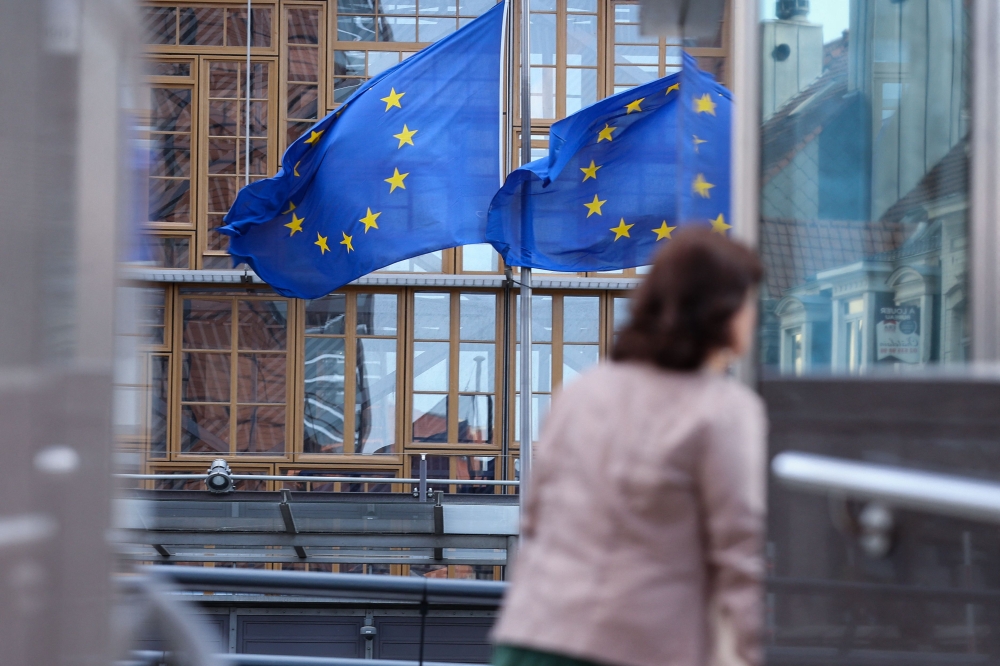
The EU has launched an investigation into Booking.com over concerns about fake listings, phishing scams, and insufficient user data protection.
This investigation is the first under the Digital Services Act, which requires platforms like Booking.com to adhere to stricter rules.
Booking.com claims to be cooperating fully and prioritises security and data protection, but may face significant fines or a ban for compliance failures.
BRUSSELS, Oct 21 — The European Union opened an investigation into online travel agent Booking.com today over alleged failures to tackle fake listings and phishing scams.
The EU fears Booking.com has underestimated the impact of fraud and unlicensed accommodation, and is not sufficiently protecting users’ data from being misused for scams.
The probe is the first into Booking.com under the Digital Services Act (DSA), a mammoth online content law that covers a wide array of platforms including social media and digital marketplaces.
“Europeans should be able to book their holidays without fear of being scammed,” EU tech chief Henna Virkkunen said in a statement.
The EU said it was also looking into whether the Netherlands-based firm breached rules “because it did not clearly label as ads those listings whose providers paid for a higher ranking in search results shown to users”.
The DSA “sets clear responsibilities” and “we must ensure that the leading booking platform in Europe takes those responsibilities seriously”, Virkkunen added.
Booking.com said that it was “cooperating fully” and that “security, trust and the protection of personal information are top priorities”.
“We remain committed to working with relevant governments, regulators, law enforcement and industry partners to combat cybercrime and online fraud and protect travellers and partners,” it added.
Booking.com is among over 20 very large online platforms that must comply with the DSA’s stricter rules or risk fines that could go as high as six per cent of their global turnover, or even a ban for serious and repeated breaches.
There is no legal deadline for the completion of the probe but the targeted company can offer commitments to address the European Commission’s concerns.
Suspicions over data
A senior EU official was critical of Booking.com and its risk assessment efforts since 2023.
“We feel that what they have done is absolutely substandard,” the official said on condition of anonymity.
The commission — the EU’s digital watchdog — said it would assess whether the online platform “properly identified” risks linked to the spread of illegal content such as non-existent properties and fraudsters portraying themselves as the owner of a property and putting it up for rent.
In some cases, customers discover on arrival that the property they thought they had booked does not exist, or more often, photographs or property descriptions do not accurately reflect reality.
The EU will also investigate whether Booking.com is doing enough to address the risks that phishing scams pose to European consumers.
Phishing is broadly defined as the practice of tricking people into sharing sensitive information through deceptive messages.
The EU said it would look at how reservation and guest data is shared with accommodation providers, and whether Booking.com has put in place “sufficient safeguards to prevent data from being misused”.
“We suspect that Booking is not sufficiently protecting the data of... private users and business users, and (this) makes the system vulnerable for this kind of phishing,” the senior official said.
Meta is also under investigation over potentially fraudulent advertising on its platforms in a probe that began in 2024. — AFP
More than 3,000 attend Selangor Sultan’s Silver Jubilee royal tea reception in Klang
Kelantan orders data collection on Myanmar refugees across all districts
Police probe alleged axe attack on teacher by 16-year-old boy at Sarawak international school
欧盟已对 Booking.com 展开调查,原因是其存在虚假房源、网络钓鱼诈骗和用户数据保护不足等问题。
这是根据《数字服务法》展开的首例调查,该法案要求Booking.com等平台遵守更严格的规定。
Booking.com 声称正在全力配合调查,并将安全和数据保护放在首位,但如果未能遵守相关规定,可能会面临巨额罚款或禁令。
布鲁塞尔,10 月 21 日——欧盟今天对在线旅行社 Booking.com 展开调查,指控其未能有效打击虚假房源和网络钓鱼诈骗。
欧盟担心 Booking.com 低估了欺诈和无证住宿的影响,并且没有充分保护用户数据免遭诈骗滥用。
这是根据《数字服务法》(DSA)对Booking.com展开的首次调查。《数字服务法》是一项庞大的在线内容法律,涵盖包括社交媒体和数字市场在内的各种平台。
欧盟科技负责人亨娜·维尔库宁在一份声明中表示:“欧洲人应该能够安心预订假期,不必担心被骗。”
欧盟表示,他们也在调查这家总部位于荷兰的公司是否违反了相关规定,“因为它没有明确标明那些提供商付费以获得在搜索结果中更高排名的列表是广告”。
Virkkunen补充道,DSA“明确规定了责任”,“我们必须确保欧洲领先的预订平台认真履行这些责任”。
Booking.com表示,公司正在“全力配合调查”,并强调“安全、信任和个人信息保护是重中之重”。
“我们将继续与相关政府、监管机构、执法部门和行业伙伴合作,打击网络犯罪和网络欺诈,保护旅客和合作伙伴的安全。”声明补充道。
Booking.com 是 20 多个必须遵守 DSA 更严格规定的大型在线平台之一,否则将面临高达其全球营业额 6% 的罚款,严重和屡次违规甚至可能被禁止运营。
虽然法律没有规定完成调查的最后期限,但被调查公司可以做出承诺,以解决欧盟委员会的关切。
对数据的怀疑
一位欧盟高级官员对 Booking.com 及其自 2023 年以来的风险评估工作提出了批评。
“我们认为他们的做法完全不合格,”这位不愿透露姓名的官员表示。
欧盟数字监管机构——欧盟委员会表示,将评估该在线平台是否“正确识别”了与非法内容传播相关的风险,例如不存在的房产以及诈骗者冒充房产所有者出租房产等。
有些情况下,顾客到达后才发现他们预订的房产并不存在;或者更常见的情况是,照片或房产描述与实际情况不符。
欧盟还将调查 Booking.com 是否采取了足够的措施来应对网络钓鱼诈骗对欧洲消费者构成的风险。
网络钓鱼的广义定义是指通过欺骗性信息诱骗人们分享敏感信息的行为。
欧盟表示,将调查Booking.com如何与住宿提供商共享预订和客人数据,以及Booking.com是否已采取“足够的保障措施来防止数据被滥用”。
这位高级官员表示:“我们怀疑 Booking 没有充分保护私人用户和企业用户的数据,这使得该系统容易受到此类网络钓鱼攻击。”
Meta也因其平台上可能存在的欺诈性广告而受到调查,该调查始于2024年。——法新社
超过3000人出席了在巴生举行的雪兰莪苏丹登基25周年银禧皇家茶会。
吉兰丹州下令在全州范围内收集缅甸难民数据
警方正在调查砂拉越国际学校一名16岁男孩涉嫌用斧头袭击教师的案件。