Lebanon and Israel talks set to begin in Washington黎巴嫩和以色列的会谈将在华盛顿举行
The talks mark a rare diplomatic engagement between two parties technically at war since 1948.
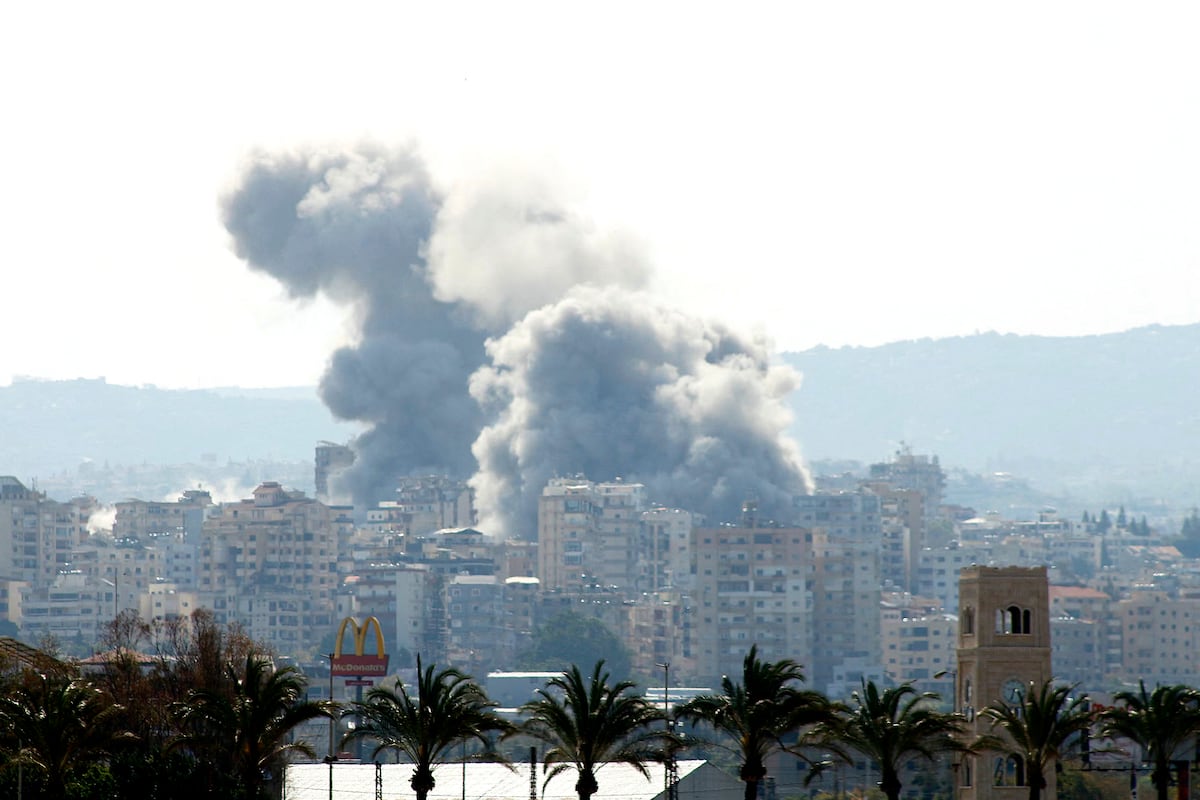
BEIRUT, Lebanon — The first direct talks between Israel and Lebanon are set to begin today in Washington, marking a rare diplomatic engagement between two parties technically at war since 1948.
The U.S.-brokered talks will be conducted through their respective ambassadors in the United States, attempting to halt the Israeli bombardment in Lebanon through a diplomatic settlement.
Lebanon had called for direct talks from the early stages of the latest Israeli escalation against Hezbollah, which has killed more than 2,000 people in the country. Israel had initially rejected the proposal, later agreeing to talks following a two-week ceasefire proposal and unsuccessful talks between the U.S. and Iran.
Lebanon does not recognize the State of Israel and they remain formally at war since Israel’s founding in 1948 and the expelling of Palestinians.
While Israeli leaders have instructed the army to scale back attacks on Beirut at Washington’s request — following the coordinated, multi-front attack that targeted more than 100 locations within 10 minutes and killed over 350 people — Israeli military operations continue in southern Lebanon.
Clashes remains intense in several areas, particularly around the strategic village of Bint Jbeil, where the Israeli army seeks to consolidate positions. Hezbollah has been firing rockets into northern Israel while fighters in the area are attempting to contain the advance and inflict casualties on Israeli forces.
Several members of Israel’s Cabinet have repeatedly indicated the goal to control southern Lebanon and stretch the Israeli northern border up to the Litani River, approximately 30 kilometers inside Lebanese territory.
The Lebanese government has reiterated its commitment to disarm Hezbollah, though officials acknowledge that such a process would take time.
Through direct talks, Beirut seeks to reassert state authority, which has weakened in recent years, and to secure a ceasefire as a basis for further negotiations. In a reference to Hezbollah and Iran, Lebanese officials have stressed that no third parties should represent the country in negotiations.
Hezbollah, for its part, has opposed the talks, particularly in the absence of a ceasefire, viewing them as a free concession to Israel under fire. This divergence risks further straining Lebanon’s already fragile domestic balance.
Lebanese President Joseph Aoun has stated that Lebanon wants a sustainable solution but cautioned that efforts cannot be “one-sided.” Israeli officials are not expected to agree to a ceasefire during today’s meeting. Instead, the talks are likely to focus on establishing a framework and timeline for future negotiations.
Agnese Stracquadanio is a Middle East correspondent for Defense News. She has a background in writing and photojournalism, holds a master's degree in international relations, and previously worked for Reuters.
黎巴嫩贝鲁特——以色列和黎巴嫩之间的首次直接会谈将于今天在华盛顿开始,这标志着自 1948 年以来一直处于战争状态的两国之间罕见的外交接触。
由美国斡旋的会谈将通过双方驻美国大使进行,试图通过外交途径制止以色列对黎巴嫩的轰炸。
黎巴嫩早在以色列最近一次针对真主党的冲突升级之初就呼吁直接对话,这场冲突已造成黎巴嫩境内2000多人死亡。以色列最初拒绝了这一提议,但在以色列提出为期两周的停火方案以及美伊谈判失败后,最终同意进行对话。
黎巴嫩不承认以色列国,自以色列于 1948 年建国并驱逐巴勒斯坦人以来,两国一直处于正式的战争状态。
尽管以色列领导人已指示军队应华盛顿的要求减少对贝鲁特的袭击——此前,以色列军队在10分钟内对100多个地点发动了协调一致的多线袭击,造成350多人死亡——但以色列在黎巴嫩南部的军事行动仍在继续。
多个地区的冲突依然激烈,尤其是在战略要地宾特杰拜勒村附近,以色列军队正试图巩固阵地。真主党向以色列北部发射火箭弹,而该地区的武装人员则试图阻止真主党的推进并给以色列军队造成伤亡。
以色列内阁的几位成员多次表示,他们的目标是控制黎巴嫩南部,并将以色列北部边界延伸至利塔尼河,该河位于黎巴嫩境内约 30 公里处。
黎巴嫩政府重申了其解除真主党武装的承诺,但官员们也承认,这一过程需要时间。
贝鲁特方面希望通过直接对话重塑近年来有所削弱的国家权威,并力求达成停火协议,以此为基础展开进一步谈判。黎巴嫩官员在提及真主党和伊朗时强调,任何第三方都不应代表黎巴嫩参与谈判。
真主党则反对谈判,尤其是在没有停火协议的情况下,认为谈判是在战火中向以色列做出的无条件让步。这种分歧有可能进一步加剧黎巴嫩本已脆弱的国内局势。
黎巴嫩总统约瑟夫·奥恩表示,黎巴嫩希望找到可持续的解决方案,但他同时警告说,各方努力不能“单方面”。预计以色列官员不会在今天的会议上同意停火。相反,会谈的重点可能是为未来的谈判建立框架和时间表。
阿格尼斯·斯特拉夸达尼奥是《防务新闻》的中东记者。她拥有写作和摄影新闻背景,持有国际关系硕士学位,此前曾在路透社工作。