Can I eat out and still watch my sodium levels?我可以在外面吃饭,同时又能控制钠的摄入量吗?
Singaporeans eat out more and consume too much sodium, with experts sharing lower-salt food choices and tips to reduce intake. Read more at straitstimes.com.
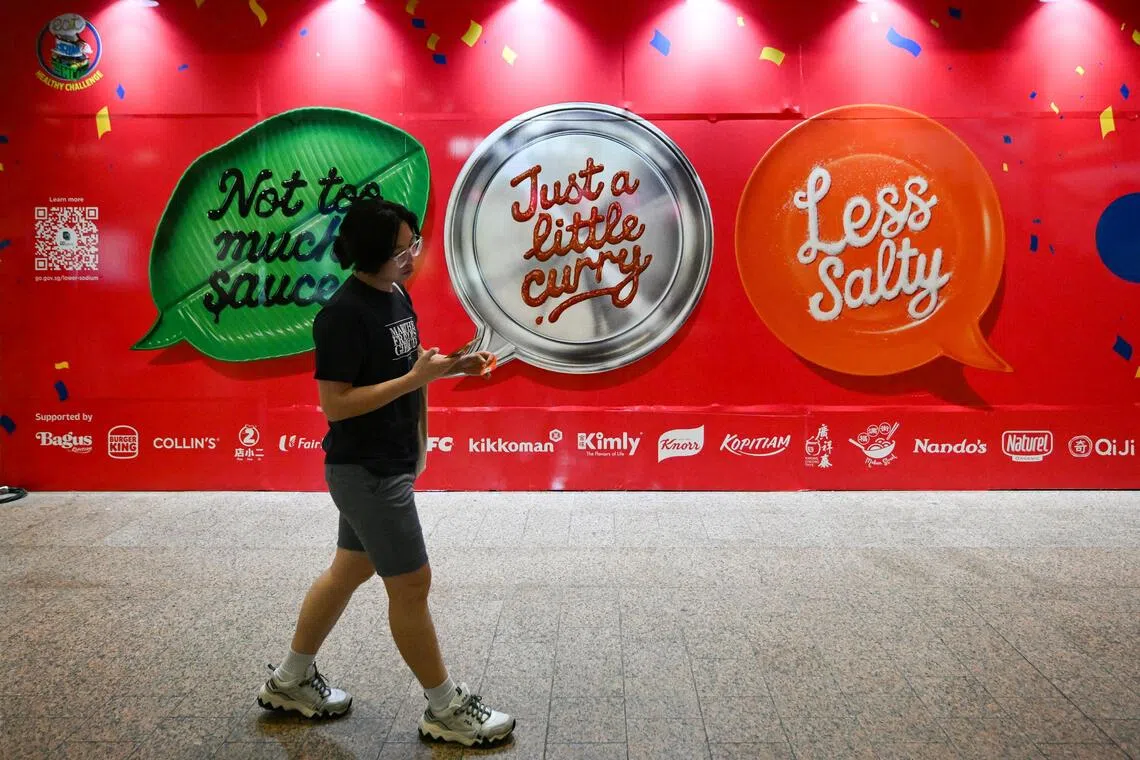
HPB noted that some dishes which have become popular in recent times tend to be served in larger portions and are also higher in calories, fat and sodium.
ST PHOTO: LIM YAOHUI
Published Oct 25, 2026, 05:00 AM
Updated Oct 25, 2026, 05:00 AM
Singaporeans are eating too much sodium. HPB says average intake rose to 4,000mg a day in 2025, and 95% exceeded the 2,000mg limit.
Eating out is a major cause. Seven in 10 people eat out daily, and many dishes, like mala xiang guo and tomato hot pot, are very high in sodium.
Too much sodium raises blood pressure and risks heart, kidney and bone problems. Experts say diners can ask for less sauce, avoid soup, and choose more vegetables.
SINGAPORE – Singaporeans consume far too much sodium in their diet.
According to the recently released National Nutrition Survey by the Health Promotion Board (HPB) , the average daily intake of the mineral has gone up from 3,480mg in 2019 to 4,000mg in 2025 – double the daily recommended limit.
The survey also found that 95% of respondents exceeded the daily recommended sodium intake limit of 2,000mg, up from 88% in 2019.
This increase has been attributed to more people in Singapore eating out, with seven in 10 reported eating out at least once a day, up from six in 10 in 2019.
They have also been doing so more regularly, with the frequency increasing from six times a week in 2019 to nine times weekly in 2025.
HPB noted that some dishes that have become popular tend to be served in larger portions and are also higher in calories, fat and sodium.
For example, one serving of mala xiang guo, a spicy stir-fired dish, contains about 3,100mg of sodium, while a single serving of tomato hot pot can contain up to 4,900mg of sodium.
Meanwhile, other popular dishes have become saltier in recent years, HPB found. For example, a bowl of prawn noodles now contains about 3,400mg of sodium, up from 2,700mg in 2023.
Is it still possible to enjoy the convenience of eating out while avoiding sodium traps? The Straits Times talks to the experts to find out more.
What are the health risks associated with too much sodium?
Ng Teng Fong General Hospital principal dietitian Lim Ruey Jiun said excessive sodium intake can lead to high blood pressure, a major risk factor for heart disease and stroke.
“Over time, a consistently high-sodium diet may also increase the risk of kidney disease and other cardiovascular complications,” she said.
Humairah Hameed Maricar, a dietitian with SingHealth Polyclinics, noted that other complications include fluid retention, which can lead to swelling in the hands, feet, ankles and face.
Fluid retention can be particularly problematic for those with existing heart problems, or kidney or liver disease, she said.
“Furthermore, foods high in salt, including processed and preserved foods, are associated with an increased risk of stomach cancer,” Humairah said.
“Excess sodium intake may also increase calcium loss through urine, which can gradually reduce bone mineral density and increase the risk of osteoporosis over time,” she added.
What foods should I avoid when eating out?
For some dishes, a single serving would exceed the daily recommended sodium limit.
Citing HPB data, the dietitians said some of the worst offenders are seafood tom yum noodle soup, which contains about 4,400mg of sodium, and laksa yong tau foo, which can contain up to 3,853mg of sodium, particularly if taken with more fried items.
Other high-sodium dishes include curry chicken noodles and mee soto – both of which can contain about 3,700mg of sodium per serving – and beef noodle soup, which has about 3,480mg of sodium.
“Local dishes that tend to be higher in sodium are often those prepared with larger amounts of sauces, gravies, seasonings, processed ingredients or soups,” said NTFGH’s Lim.
Meanwhile, lower-sodium options are generally those with fewer sauces and processed ingredients, she said.
She pointed to examples such as chicken porridge, which contains 750mg of sodium, or paper thosai, which has just 220mg of sodium.
Other options include sliced fish bee hoon soup with clear broth, which would contribute between 700mg and 1,000mg of sodium if one does not finish the soup, as well as yong tau foo – with clear soup and no more than six items, limiting processed foods, soup and sauce – which contains between 600mg and 1,000mg sodium, she noted.
Lim cautioned, however, that the sodium content of the same dish can vary significantly depending on the recipe and preparation methods.
What can I do to cut my sodium intake?
SingHealth Polyclinics’ Humairah said that simple adjustments can help a person reduce sodium intake without compromising on the enjoyment of eating out.
These include asking for less sauce, gravy or sambal, or asking for these to be served on the side to better control the amount consumed, she said.
Lim noted that a single tablespoon of light soya sauce has about 1,000mg of sodium.
“Just two tablespoons of light soya sauce can provide approximately 2,000mg sodium, which is equivalent to the recommended daily sodium limit for adults,” she said.
She added that diners can also limit the amount of soup they consume – which can contain a significant amount of sodium – as well as restrict their consumption of processed ingredients such as fish cakes, sausages, luncheon meat or canned foods.
“When available, choose outlets that use lower-sodium ingredients,” she said.
Humaraiah added that consumers can also eat more vegetables, such as by ordering an extra vegetable side dish with economy rice.
“Those who eat out regularly may also consider bringing their own vegetables, such as salad greens, tomatoes or cucumbers, to complement their meals,” she noted.
“Fresh vegetables are low in sodium and rich in potassium, which helps offset some of the effects of sodium. Incorporating more vegetables into meals is therefore a simple and effective way to support overall health while reducing sodium intake,” she said.
Lim noted that while making such adjustments can be difficult at first, people can eventually get used to them.
“Taste preferences can adapt over time, and many people find that after gradually reducing sodium in their diet, they are better able to appreciate the natural flavours of food,” she said.
Zhaki Abdullah is a correspondent at The Straits Times. He is on the health beat, in addition to occasionally covering science, environmental, tech and Muslim affairs issues.
HPB指出,近年来一些流行的菜肴往往份量较大,而且热量、脂肪和钠含量也较高。
ST 照片:林耀辉
发布于2026年10月25日 上午5:00
更新于2026年10月25日上午5:00
新加坡人钠摄入量过高。卫生促进局表示,到2025年,平均每日钠摄入量将上升至4000毫克,95%的人超过了2000毫克的限量标准。
外出就餐是造成高钠饮食的主要原因之一。十分之七的人每天都在外就餐,而许多菜肴,例如麻辣香锅和番茄火锅,钠含量都非常高。
摄入过多的钠会升高血压,并增加心脏、肾脏和骨骼疾病的风险。专家建议,食客可以要求少放酱汁,避免喝汤,并选择多吃蔬菜。
新加坡——新加坡人饮食中钠的摄入量过高。
根据新加坡健康促进局 (HPB) 最近发布的《全国营养调查》,该矿物质的平均每日摄入量已从 2019 年的 3480 毫克增加到 2025 年的 4000 毫克——是每日推荐摄入量的两倍。
调查还发现,95% 的受访者每日钠摄入量超过了建议的 2000 毫克限量,高于 2019 年的 88%。
这一增长归因于新加坡外出就餐的人数增加,十分之七的人表示每天至少外出就餐一次,高于 2019 年的十分之六。
他们也越来越频繁地这样做,频率从 2019 年的每周 6 次增加到 2025 年的每周 9 次。
HPB指出,一些流行的菜肴往往份量较大,而且热量、脂肪和钠含量也较高。
例如,一份麻辣香锅(一种辛辣的炒菜)含有约 3100 毫克钠,而一份番茄火锅可能含有高达 4900 毫克钠。
与此同时,新加坡保健促进局(HPB)发现,近年来其他一些受欢迎的菜肴也变得更咸了。例如,一碗虾面现在的钠含量约为3400毫克,而2023年预计为2700毫克。
既能享受外出就餐的便利,又能避免摄入过多钠吗?《海峡时报》采访了相关专家,以了解更多信息。
摄入过多的钠会带来哪些健康风险?
黄廷方综合医院首席营养师林瑞俊表示,摄入过多的钠会导致高血压,这是心脏病和中风的主要危险因素。
“长期高钠饮食也可能增加患肾病和其他心血管并发症的风险,”她说。
新加坡保健集团综合诊所的营养师胡迈拉·哈米德·马里卡指出,其他并发症包括体液潴留,这会导致手、脚、脚踝和脸部肿胀。
她表示,对于已有心脏病、肾脏疾病或肝脏疾病的人来说,体液潴留可能尤其成问题。
“此外,高盐食物,包括加工食品和腌制食品,与胃癌风险增加有关,”胡迈拉说。
她补充说:“过量摄入钠还可能增加钙质通过尿液流失,这会逐渐降低骨矿物质密度,随着时间的推移增加患骨质疏松症的风险。”
外出就餐时应该避免食用哪些食物?
有些菜肴,一份的钠含量就会超过每日推荐摄入量。
营养师援引HPB的数据表示,一些最严重的钠含量超标食物包括海鲜冬阴功面(含钠约4400毫克)和叻沙酿豆腐(含钠高达3853毫克,尤其是在与更多油炸食品一起食用时)。
其他高钠菜肴包括咖喱鸡肉面和面条汤——这两道菜每份都含有约 3700 毫克钠——以及牛肉面汤,每份含有约 3480 毫克钠。
“当地菜肴中钠含量往往较高,通常是用大量酱汁、肉汁、调味料、加工食材或汤烹制的菜肴,”NTFGH 的林说道。
她表示,与此同时,低钠食品通常是指那些酱汁和加工成分较少的食品。
她举例说,鸡肉粥含有 750 毫克钠,而纸饼只含有 220 毫克钠。
她指出,其他选择包括清汤鱼片米粉,如果不喝完,每份含钠量在 700 毫克至 1000 毫克之间;还有酿豆腐——清汤,配料不超过六种,限制加工食品、汤和酱料——每份含钠量在 600 毫克至 1000 毫克之间。
林提醒说,同一道菜的钠含量会因食谱和烹饪方法的不同而有很大差异。
我该如何减少钠的摄入量?
新加坡保健集团综合诊疗所的胡迈拉表示,只需稍作调整,就能帮助人们减少钠的摄入量,而不会影响外出就餐的乐趣。
她表示,这些措施包括要求少放酱汁、肉汁或叁巴酱,或者要求将这些调料单独盛放,以便更好地控制食用量。
林指出,一汤匙淡酱油含有约 1000 毫克钠。
“仅仅两汤匙淡酱油就能提供大约 2000 毫克的钠,这相当于成人每日推荐钠摄入量上限,”她说。
她补充说,食客还可以限制汤的摄入量(汤可能含有大量的钠),以及限制加工食材的摄入量,例如鱼饼、香肠、午餐肉或罐头食品。
“如果条件允许,尽量选择使用低钠食材的商家,”她说。
胡马拉亚补充说,消费者还可以多吃蔬菜,例如在经济米饭上加点一份蔬菜配菜。
她指出:“经常外出就餐的人也可以考虑自带蔬菜,例如沙拉菜、西红柿或黄瓜,来搭配他们的餐食。”
“新鲜蔬菜钠含量低,钾含量高,有助于抵消钠的一些影响。因此,在膳食中增加蔬菜的摄入量是一种简单有效的方法,既能促进整体健康,又能减少钠的摄入量。”她说道。
林指出,虽然做出这样的调整起初可能很困难,但人们最终会习惯的。
“口味偏好会随着时间而改变,许多人发现,在逐渐减少饮食中的钠含量后,他们能够更好地欣赏食物的天然味道,”她说。
扎基·阿卜杜拉是《海峡时报》的记者。他主要负责健康新闻报道,偶尔也报道科学、环境、科技和穆斯林事务等议题。