Even as skies begin to clear, eateries say the haze has already hurt business即使天空开始放晴,餐馆老板们也表示,雾霾已经对生意造成了影响。
KUALA LUMPUR, Oct 25 — With lunchtime approaching, Gerai Masakan Panas Che Daud in Taman Sri Rampai would normally be preparing for the midday crowd. But at 11.40am, stall owner...
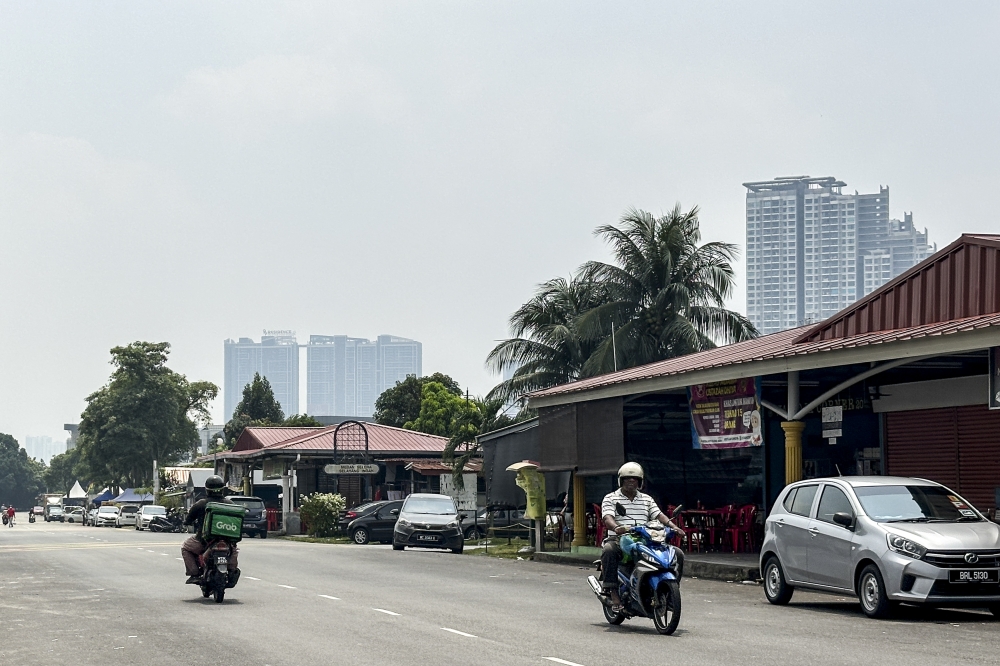
The haze in Kuala Lumpur has significantly impacted local eateries, with many reporting a sharp decline in dine-in customers as people opt for takeaways due to health concerns over air quality.
Business owners, such as Che Daud Che Isa and Solihin Faeez Mohd Shukri, have noted drops in sales ranging from 20% to 35%, attributed to the persistent haze deterring outdoor dining.
While some establishments, like Miscusi Express, maintain operations, they face reduced foot traffic and increased hygiene demands.
The Malaysian Meteorological Department anticipates improvement in air quality due to upcoming changes in wind patterns during the Northeast Monsoon.
KUALA LUMPUR, Oct 25 — With lunchtime approaching, Gerai Masakan Panas Che Daud in Taman Sri Rampai would normally be preparing for the midday crowd. But at 11.40am, stall owner Che Daud Che Isa had just one customer to attend to.
The 59-year-old said business had slowed since the haze began, with some customers choosing to pack their food and eat at home rather than sit down at his stall.
He estimated that customer numbers had fallen by about half, as worsening air quality appeared to discourage people from eating out.
“My stall is facing some problems now. Perhaps it is because of the haze and people are afraid to come out, so the number of customers has decreased.
“Some customers are also opting for takeaway. They do not want to eat at the stall and would rather take the food home. But even then, the numbers are not as high as before,” he told Malay Mail .
Che Daud’s experience reflects the challenges faced by eateries as the haze continues to affect air quality across the Klang Valley, with restaurant operators reporting fewer dine-in customers, falling sales and changes in dining habits.
Despite the drop in foot traffic, some eateries continue to draw customers, although their regulars are increasingly opting for takeaway.
A restaurant worker about 200 metres from Che Daud’s stall, who asked not to be named, said those still dining in were often motorists who stopped for a meal while waiting for their cars to be serviced at nearby workshops.
At Warung Paman Sol restaurant in Taman Keramat, near the Jelatek LRT station, owner Solihin Faeez Mohd Shukri, 32, said daily income had fallen by between 20 and 25 per cent since the haze began.
While customers had not directly blamed the haze for staying away, he noticed that families who would normally dine in with their young children were increasingly sending one person to collect takeaway orders instead.
“There has definitely been a change in customer traffic,” he said, adding that takeaway and delivery orders had increased, although not significantly.
Solihin said he was keeping the restaurant’s operating arrangements unchanged for now, hoping the situation would improve soon.
But he was concerned that prolonged haze could have longer-term consequences for the restaurant business, as customers might become accustomed to ordering food for delivery rather than dining out.
“If it continues, I am worried that customer habits may change. Customers might become accustomed to using food delivery services and stop coming to restaurants to dine in,” he said.
In Shah Alam, the impact has also been felt at Miscusi Express in Seksyen 9, where Amir Habibur Rahman, 32, said sales had dropped by about 35 per cent in the past week compared with their usual level.
Amir said sales were initially largely unchanged, but the decline became more apparent about a week after the haze began.
He said fewer customers were coming in to eat, while those who did visit tended to look for indoor seating, an option his open-air establishment could not readily provide.
“There are also fewer people walking past the shop than usual,” he noted.
Although takeaway and delivery orders had remained steady, the loss of walk-in customers had affected overall sales.
Amir said he had no plans to change the shop’s operating hours, from noon to 10pm, as sales were usually strongest around lunchtime and in the afternoon.
Instead, the business was continuing to operate as usual while providing free face masks to customers who needed them.
The open-air setting had also meant more dust than usual, requiring the shop to be cleaned more frequently.
Amir was particularly concerned about the possibility of the haze dragging on for months, saying prolonged exposure could affect the health of both customers and workers.
“My hope is that the haze will not persist for too long, as some have predicted it could last until February next year.
“A lot of things have already been affected, and if the situation continues to threaten the health of our customers and employees, we may not be able to sustain the business," he said.
Malaysian Meteorological Department (MetMalaysia) director-general Mohd Hisham Mohd Anip previously told Malay Mail that the haze was expected to gradually subside next week following an anticipated change in wind direction.
During the North-east Monsoon, stronger north-easterly winds and more widespread rainfall were expected to help improve air quality, he said.
Zahid: Malaysia reaffirms commitment to assist Indonesia in tackling transboundary haze
Anwar congratulates Sultan of Selangor on silver jubilee of reign
‘I have not resigned’: Ismail Lasim dismisses exit rumours, says focus is on Negeri Sembilan Budget 2027
吉隆坡的雾霾对当地餐馆造成了严重影响,许多餐馆表示,由于人们担心空气质量带来的健康问题,选择外卖,导致堂食顾客大幅下降。
像 Che Daud Che Isa 和 Solihin Faeez Mohd Shukri 这样的企业主注意到,由于持续的雾霾阻碍了户外用餐,销售额下降了 20% 到 35%。
虽然像 Miscusi Express 这样的一些商家仍在继续营业,但他们面临着客流量减少和卫生要求增加的问题。
马来西亚气象局预计,随着东北季风期间风向的变化,空气质量将有所改善。
吉隆坡,10月25日讯——午餐时间临近,位于斯里兰拜花园的Che Daud热食摊通常会开始为中午的客流做准备。但上午11点40分,摊主Che Daud Che Isa却只有一位顾客需要接待。
这位 59 岁的摊主表示,自从雾霾开始以来,生意就变得冷清了,一些顾客选择打包食物回家吃,而不是坐在他的摊位上。
他估计顾客数量下降了大约一半,因为空气质量恶化似乎阻碍了人们外出就餐。
“我的摊位现在面临一些问题。可能是因为雾霾,人们害怕出门,所以顾客数量减少了。”
“有些顾客也选择外带。他们不想在摊位上吃,宁愿把食物带回家。但即便如此,外带的数量也没有以前那么多了,”他告诉《马来邮报》。
Che Daud 的经历反映了随着雾霾持续影响巴生谷地区的空气质量,餐饮业面临的挑战,餐馆经营者反映堂食顾客减少、销售额下降以及用餐习惯改变。
尽管客流量下降,但一些餐馆仍然吸引着顾客,尽管他们的常客越来越多地选择外卖。
距离 Che Daud 的摊位约 200 米的一位不愿透露姓名的餐馆工作人员表示,仍在店内用餐的顾客通常是驾车人士,他们在附近的修理厂等待汽车保养时会停下来吃饭。
在 Taman Keramat 靠近 Jelatek 轻轨站的 Warung Paman Sol 餐厅,32 岁的老板 Solihin Faeez Mohd Shukri 表示,自雾霾开始以来,每日收入下降了 20% 至 25%。
虽然顾客并没有直接将不来用餐的原因归咎于雾霾,但他注意到,通常会带着年幼的孩子在店内用餐的家庭,现在越来越多地只派一个人去取外卖。
“客流量肯定发生了变化,”他说道,并补充说外卖和送餐订单有所增加,尽管增幅不大。
索利欣表示,他目前将维持餐厅的经营安排不变,希望情况能够尽快好转。
但他担心,持续的雾霾可能会对餐饮业产生更长期的影响,因为顾客可能会习惯于点外卖而不是外出就餐。
“如果这种情况持续下去,我担心顾客的习惯可能会改变。顾客可能会习惯于使用外卖服务,而不再到餐厅堂食,”他说。
在莎阿南,第 9 区的 Miscusi Express 也受到了影响。32 岁的 Amir Habibur Rahman 表示,过去一周的销售额比平时下降了约 35%。
阿米尔表示,销售额最初基本保持不变,但在雾霾开始大约一周后,下降趋势变得更加明显。
他说,来店里吃饭的顾客越来越少,而那些光顾的顾客则倾向于寻找室内座位,而他的露天餐厅无法轻易提供这种选择。
他还指出:“今天路过这家店的人也比平时少。”
尽管外卖和送餐订单保持稳定,但到店顾客的减少影响了整体销售额。
阿米尔表示,他没有计划改变商店的营业时间,即中午 12 点至晚上 10 点,因为销售额通常在午餐时间和下午达到顶峰。
相反,该企业继续照常营业,同时向有需要的顾客免费提供口罩。
露天环境也意味着灰尘比平时更多,因此需要更频繁地清洁店铺。
阿米尔尤其担心雾霾可能会持续数月,他说长时间暴露在雾霾中可能会影响顾客和员工的健康。
“我希望雾霾不会持续太久,因为有人预测它可能会持续到明年二月。”
“很多方面已经受到影响,如果这种情况继续威胁到我们的客户和员工的健康,我们可能无法维持业务,”他说。
马来西亚气象局(MetMalaysia)总监莫哈末·希沙姆·莫哈末·阿尼普此前告诉《马来邮报》,随着风向的预期变化,预计下周雾霾将逐渐消退。
他表示,东北季风期间,更强的东北风和更广泛的降雨预计将有助于改善空气质量。
扎希德:马来西亚重申致力于协助印度尼西亚应对跨境烟霾问题
安华祝贺雪兰莪苏丹登基25周年
“我没有辞职”:伊斯梅尔·拉西姆否认退出传闻,称重点是森美兰州2027年财政预算案