Malaysia to deploy latest body scanners at RTS Link border checkpoint马来西亚将在RTS Link边境检查站部署最新型人体扫描仪
JOHOR BAHRU, Oct 28 — Latest technology scanners will be deployed at the Immigration, Customs and Quarantine (ICQ) Complex in Bukit Chagar here once the Johor Bahru–Singapore...
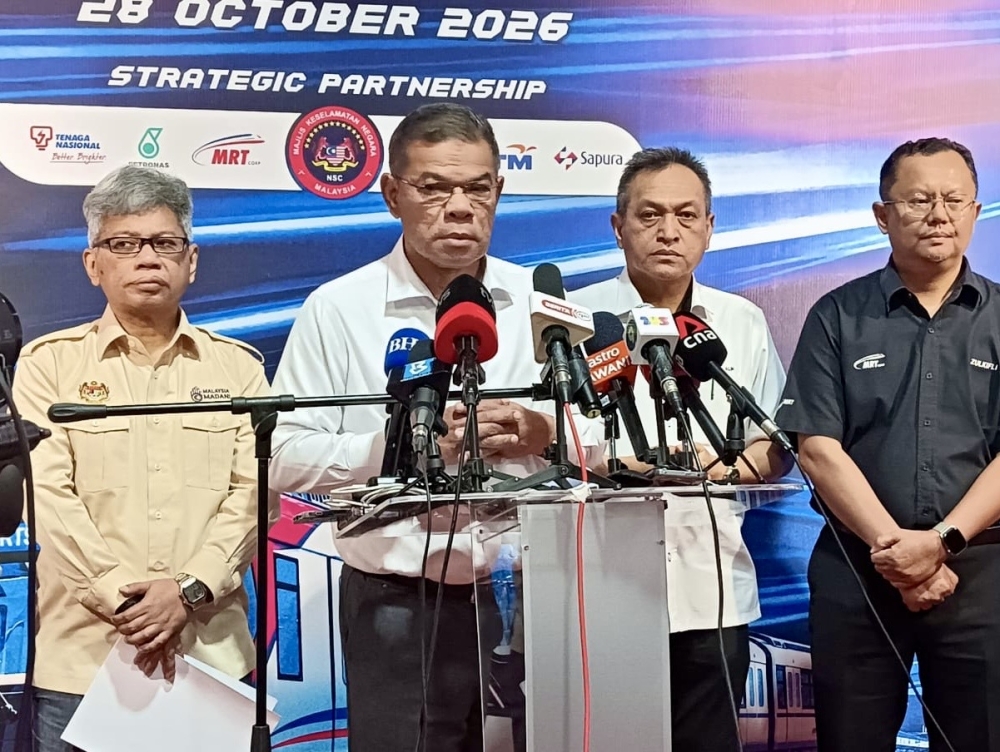
JOHOR BAHRU, Oct 28 — Latest technology scanners will be deployed at the Immigration, Customs and Quarantine (ICQ) Complex in Bukit Chagar here once the Johor Bahru–Singapore Rapid Transit System (RTS) Link starts operations early next year.
Home Minister Datuk Seri Saifuddin Nasution Ismail said the implementation of this technology marks a first for Malaysia and serves as part of efforts to enhance security at the nation’s entry points.
He explained that the technology is capable of detecting objects carried on a person’s body, including items wrapped or concealed in specific materials intended to evade detection.
“A demonstration of this equipment was presented to me while I was reviewing security preparations for the Malaysia-Singapore Cross-Border Joint Security Exercise (Field Training Exercise/FTX 2026).
“I was shown a system that is capable of detecting not just weapons, but anything else a person might be carrying on their body,’ he told reporters at the Malaysia-Singapore Cross-Border Joint Security Exercise (FTX 2026) closing ceremony at the RTS Link Wadi Hana site here today.
Also present were Singapore’s Second Minister for Home Affairs Sim Ann an Johor Public Works, Transport, Infrastructure and Communications Committee chairman Mohamad Fazli Mohamad Salleh.
Saifuddin Nasution said there is no longer any room or opportunity for anyone to evade detection if they attempt to conceal items as the equipment will identify them.
More than 100 of the latest scanning units will be deployed at the Bukit Chagar ICQ Complex.
Saifuddin Nasution explained that these enhancements align with a Cabinet directive for the home and transport ministries to look into strengthening security at the nation’s entry points.
He added that both ministries, through their respective secretaries-generals, have proposed 17 initiatives, encompassing short to medium and long term measures.
“For the start, more targeted inspections will take place with a focus on passengers and goods arriving from locations identified as high-risk based on established profiles and past incidents.
“More intensive inspection protocols are being implemented to ensure that security at the country’s entry points remains resilient.
“There will also be improvements that extend to access passes management,” he said, adding that the passes had longer validity periods, but they will now be subject to annual renewal.
Man remanded over Facebook caricature allegedly insulting police
Ex-convicts among nine arrested in Miri grave desecration probe
What if a fire breaks out on the RTS Link? Malaysia and Singapore put their rescue plans to the test
新山,10 月 28 日讯——一旦新山-新加坡捷运系统 (RTS) 连接线于明年初开始运营,位于武吉查卡的移民、海关和检疫 (ICQ) 大楼将部署最新技术的扫描仪。
内政部长拿督斯里赛夫丁·纳苏蒂安·伊斯梅尔表示,这项技术的应用在马来西亚尚属首次,也是加强国家入境口岸安全措施的一部分。
他解释说,这项技术能够探测到人体携带的物品,包括用特定材料包裹或隐藏以逃避检测的物品。
“在审查马来西亚-新加坡跨境联合安全演习(实地训练演习/FTX 2026)的安全准备工作时,有人向我展示了这套设备。
“我看到了一套系统,它不仅能够探测武器,还能探测一个人身上可能携带的任何其他物品,”他今天在瓦迪哈纳RTS连接站举行的马来西亚-新加坡跨境联合安全演习(FTX 2026)闭幕式上告诉记者。
出席者还有新加坡第二内政部长沈颖和柔佛州公共工程、交通、基础设施及通讯委员会主席穆罕默德·法兹利·穆罕默德·萨利赫。
赛夫丁·纳苏蒂安表示,如果有人试图藏匿物品,现在已经没有任何机会或手段可以逃避侦查,因为这些设备会识别出它们。
超过 100 台最新型扫描设备将部署在武吉查卡 ICQ 综合大楼。
赛夫丁·纳苏蒂安解释说,这些改进措施符合内阁指示,即内政部和交通部应研究加强国家入境点的安全措施。
他还补充说,这两个部门通过各自的秘书长提出了 17 项倡议,涵盖短期、中期和长期措施。
“首先,将开展更有针对性的检查,重点检查来自根据既定情况和过往事件确定的高风险地区的旅客和货物。
“正在实施更严格的检查规程,以确保该国入境点的安全保持稳固。
他还表示:“通行证管理方面也会有所改进”,并补充说,通行证的有效期更长,但现在需要每年续期。
男子因涉嫌在脸书上发布侮辱警察的漫画而被还押候审
美里亵渎坟墓案调查中,九名被捕者中有前科人员
如果RTS Link上发生火灾怎么办?马来西亚和新加坡对救援计划进行了测试。