US, Israeli, Arab coordination in Mideast against Iran comes to fruition美国、以色列和阿拉伯国家在中东地区协调对抗伊朗的行动取得了成果。
Opinion: The Middle East’s emerging air defense alliance got its first major stress test on April 13 and appears to have passed with flying colors.
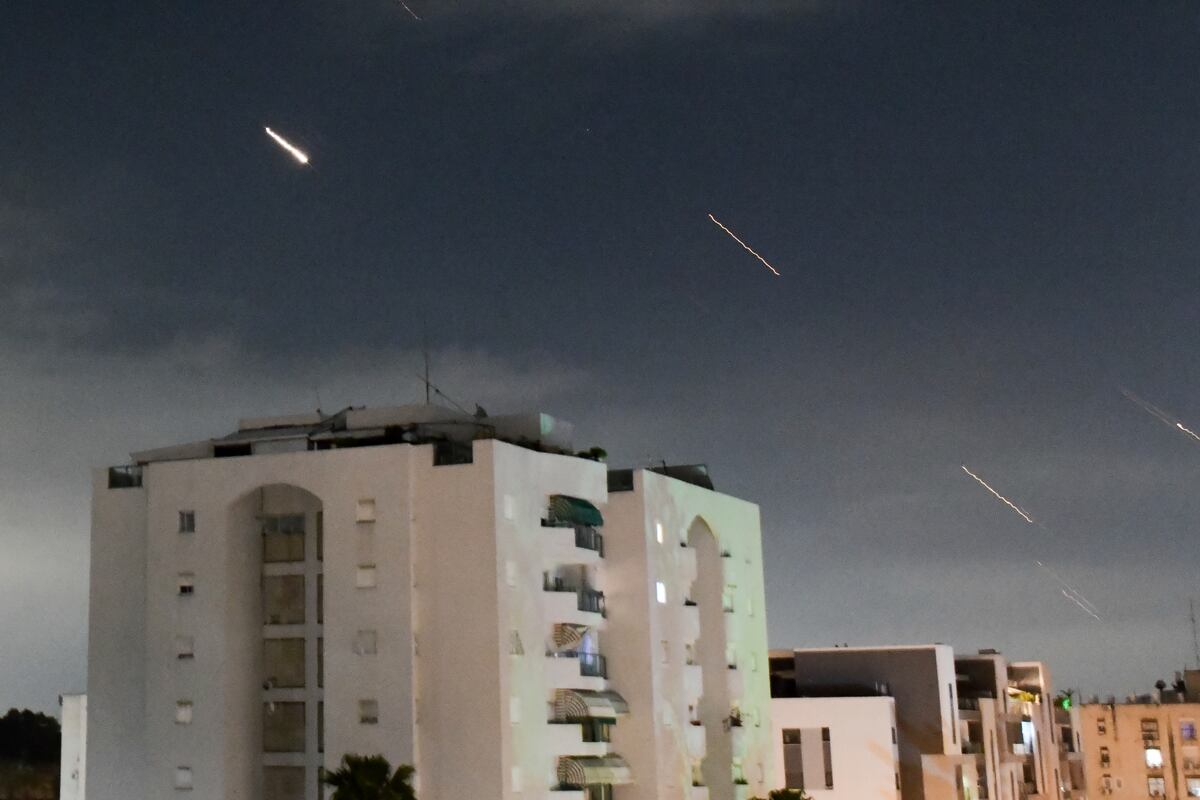
One silver lining coming out of the Iranian attack on Israel during Saturday night and early Sunday was certainly the contribution made by the region’s nascent air and missile defense alliance in neutralizing the barrage of over 300 projectiles. While many details remain to be learned, it’s already clear that U.S. efforts to foster better cooperation between Israel and its Arab neighbors against the mounting threat of Iran’s missile arsenal paid significant dividends over the weekend.
Jordan’s role was particularly striking, especially given its bitter criticism of Israel’s military campaign in Gaza . Jordan not only used its own jets to intercept Iranian drones crossing its territory toward Israel, but it also allowed Israeli aircraft to do the same .
The role played by Israel’s other Arab neighbors is less clear. Jordan publicly defended its participation as legitimate self-defense of its sovereign territory. The other Arabs have been more circumspect, reluctant to be accused of helping defend Israel at a time when their publics are indignant over Palestinian suffering in Gaza.
Nevertheless, officials on background are already painting a picture of important collective action. Two days before the attack, Iran gave Saudi Arabia notice of its timing and scope so that the kingdom could safeguard its airspace. The Saudis quickly alerted the U.S., and thereby Israel, providing the Jewish state crucial early warning.
Given the high likelihood that much of Iran’s attack would have crossed Saudi territory, the Saudis could have allowed U.S. jets to conduct interceptions over the kingdom — though they deny it . Whether the Saudis, like the Jordanians, had their own Air Force shooting down drones headed toward Israel remains unclear .
Finally, and crucially, the Saudis and other U.S. partners in the Gulf and beyond almost certainly allowed their substantial national air defense data to be shared with Israel in real time. Vast amounts of information from each country’s missile defense radars as well as air-, land- and sea-based sensors would have been fed into U.S. Central Command’s Combined Air Operations Center in Qatar and merged into a comprehensive regional picture that Israel could access.
Given the Gulf states’ much closer geographic proximity to Iranian launch sites, this data would have helped the U.S. and Israel immeasurably in identifying the attack’s different vectors, tracking the various salvos at the earliest opportunity and coordinating interception efforts for maximum effectiveness.
All this represents a huge success for U.S. policy. It’s the product of years of tireless work to build trust and capacity among America’s Arab partners who more often than not viewed each other as rivals, not allies. Working bilaterally with Washington was one thing, but sharing sensitive national intelligence with neighbors who might use it to their own advantage was for years out of the question.
As for Israel, it wasn’t even part of the equation, given historical tensions over the Palestinian issue.
But several recent developments dramatically changed the dynamic. First and foremost was the escalating danger of the Iranian threat itself. Not only had Iran managed to amass the largest missile arsenal in the Middle East, but it had increasingly proliferated those capabilities to proxies that encircle the moderate Arab states.
Worse yet, starting with Yemen’s civil war and continuing with Iranian-backed attacks on Saudi oil facilities in 2019 and on the United Arab Emirates in 2022, these states had actually found themselves on the receiving end of potentially devastating aerial attacks that they could not address alone.
Two other factors also dramatically increased the region’s appetite for multinational cooperation. The first was the historic breakthrough of the Abraham Accords in 2020 that saw the UAE and Bahrain (with Saudi blessing and support) make peace with Israel, opening the way to more fulsome security cooperation. The fact that Israel possessed one of the most advanced and successful air defense networks on the planet was a major part of the attraction.
The second factor came just a year later with Israel’s incorporation into CENTCOM — the U.S. combatant command for the Middle East that includes Washington’s Arab partners. Together under the U.S. umbrella for the first time, the Israeli and Arab militaries were able to work together on a systematic basis to build professional relationships and trust. Ever since, CENTCOM has convened regular meetings of regional defense chiefs, air commanders and military planners to identify contingencies; develop joint doctrines and procedures; and conduct frequent conferences, simulations and exercises.
Though in its early stages and with much still to be done to realize its full potential, the Middle East’s emerging air defense alliance got its first major stress test on April 13 and appears to have passed with flying colors. It’s a testament to the indispensable role of U.S. diplomatic and military leadership, and a powerful demonstration of how much America’s Arab friends have to gain from further deepening their cooperation with Israel under CENTCOM’s tutelage.
Building on last weekend’s success to further consolidate the emerging U.S.-Israel-Arab strategic alliance would itself be among the most powerful forms of retaliation to inflict on Iran for the recent attack.
John Hannah is a senior fellow at the Jewish Institute for National Security of America think tank and advocacy group. He previously served as national security adviser to U.S. Vice President Dick Cheney.
伊朗周六晚至周日凌晨袭击以色列事件中,一个值得庆幸的方面无疑是该地区新成立的防空导弹联盟在拦截300多枚导弹方面所做出的贡献。尽管许多细节尚待了解,但可以肯定的是,美国为促进以色列与其阿拉伯邻国加强合作,共同应对伊朗日益增长的导弹威胁所做的努力,在周末取得了显著成效。
约旦的角色尤其引人注目,尤其考虑到它曾强烈批评以色列在加沙的军事行动。约旦不仅动用自己的战机拦截飞越其领空前往以色列的伊朗无人机,而且还允许以色列战机进行同样的拦截。
以色列其他阿拉伯邻国的角色则不太明朗。约旦公开辩称其参与是对其主权领土的合法自卫。其他阿拉伯国家则更为谨慎,不愿在民众对加沙巴勒斯坦人民的苦难义愤填膺之际,被指责帮助以色列。
尽管如此,一些不愿透露姓名的官员已经描绘出一幅重要的集体行动图景。袭击发生前两天,伊朗通知沙特阿拉伯袭击的时间和范围,以便沙特能够保护其领空。沙特迅速通知了美国,进而通知了以色列,为以色列提供了至关重要的预警。
鉴于伊朗的大部分袭击很可能飞越沙特领空,沙特本可以允许美国战机在其领空进行拦截——尽管他们否认这一点。沙特是否像约旦一样拥有自己的空军来击落飞往以色列的无人机,目前尚不清楚。
最后,也是至关重要的一点,沙特阿拉伯以及美国在海湾地区及其他地区的伙伴几乎肯定允许以色列实时共享其大量的国家防空数据。来自各国导弹防御雷达以及空基、陆基和海基传感器的海量信息将被传输到位于卡塔尔的美国中央司令部联合空中作战中心,并整合为以色列可以获取的全面区域态势图。
鉴于海湾国家与伊朗发射场的地理位置更为接近,这些数据将极大地帮助美国和以色列识别袭击的不同途径,尽早追踪各种齐射,并协调拦截行动以达到最大效果。
这一切都代表着美国政策的巨大成功。这是多年来不懈努力的成果,旨在建立美国阿拉伯伙伴国之间的信任和能力,而这些伙伴国过去往往视彼此为竞争对手而非盟友。与华盛顿进行双边合作是一回事,但与可能利用敏感国家情报谋取私利的邻国分享情报,在过去几年里却是不可想象的。
至于以色列,考虑到巴勒斯坦问题上的历史紧张局势,它甚至不在考虑范围之内。
但最近的几项事态发展极大地改变了局势。首先也是最重要的是伊朗威胁本身日益加剧。伊朗不仅在中东地区积累了规模最大的导弹库,而且还不断将这些能力扩散到包围温和阿拉伯国家的代理人手中。
更糟糕的是,从也门内战开始,到 2019 年伊朗支持的对沙特石油设施的袭击,以及 2022 年对阿拉伯联合酋长国的袭击,这些国家实际上发现自己正遭受着可能造成毁灭性后果的空袭,而它们自身却无力应对。
另有两个因素也极大地提升了该地区对多国合作的渴望。首先是2020年具有历史意义的《亚伯拉罕协议》,该协议促成了阿联酋和巴林(在沙特阿拉伯的祝福和支持下)与以色列实现和平,为更全面的安全合作铺平了道路。以色列拥有世界上最先进、最成功的防空网络之一,这无疑是吸引各方合作的重要因素。
第二个因素出现在一年后,以色列并入美国中央司令部(CENTCOM)——美国负责中东地区的作战司令部,其中包括华盛顿的阿拉伯伙伴国。以色列和阿拉伯国家的军队首次在美国的领导下携手合作,得以系统性地建立专业关系和互信。此后,中央司令部定期召集地区国防部长、空军指挥官和军事规划人员举行会议,以识别突发事件;制定联合条令和程序;并频繁开展会议、模拟演习和军事演练。
尽管中东新兴防空联盟尚处于起步阶段,距离充分发挥其潜力还有很长的路要走,但它在4月13日接受了首次重大压力测试,并且似乎出色地通过了考验。这证明了美国外交和军事领导力的不可或缺的作用,也强有力地表明,在美国中央司令部的指导下,美国的阿拉伯盟友可以从与以色列进一步深化合作中获益匪浅。
巩固上周末取得的成功,进一步加强正在形成的美国-以色列-阿拉伯战略联盟,本身就是对伊朗最近袭击事件最强有力的报复形式之一。
约翰·汉纳是美国犹太国家安全研究所(一家智库和倡导组织)的高级研究员。他曾担任美国副总统迪克·切尼的国家安全顾问。