Learn from Indonesia-Singapore gas row, build up own energy resources, maritime expert tells govt海事专家建议政府从印尼-新加坡天然气争端中吸取教训,发展自身能源资源。
KUALA LUMPUR, Oct 28 — Indonesia’s move to cut natural gas exports to Singapore should be a reminder for Malaysia to develop and maximise its own natural resources to...
KUALA LUMPUR, Oct 28 — Indonesia’s move to cut natural gas exports to Singapore should be a reminder for Malaysia to develop and maximise its own natural resources to strengthen energy security, according to a maritime industry player.
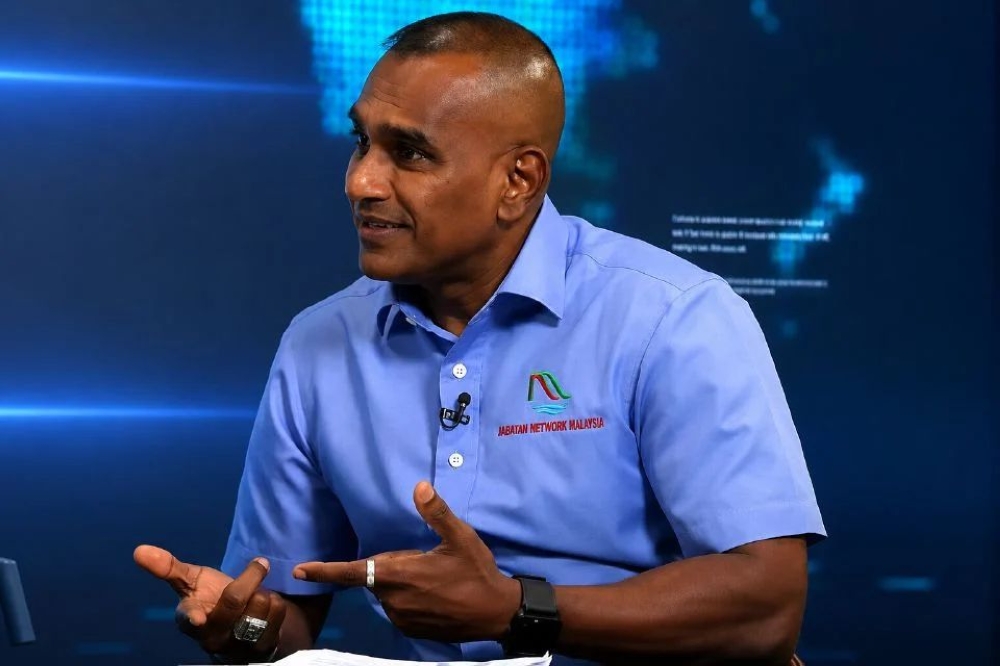
Maritime Network Sdn Bhd chief executive officer Datuk Seri R. Jeyenderan said countries must ensure that their natural resources and energy infrastructure support domestic needs and long-term economic interests.
“Indonesia is effectively saying: do not take us for a ride. Before questioning what Indonesia is doing, look at your own operators and examine what they have received from Indonesia over the years,” he said in a statement this morning.
Indonesia began reducing natural gas exports to Singapore on Oct 24. It is redirecting some supplies from Natuna and Sumatra to meet its own energy needs.
Jakarta has maintained that the reduction remains within the minimum volumes stipulated in its supply contracts.
Jeyenderan said the development showed how energy security could become intertwined with bilateral relations, particularly when countries depended on cross-border supplies of strategic commodities.
He said Malaysia should take note of regional developments by placing greater emphasis on developing its own resources, strengthening domestic energy capabilities and ensuring its infrastructure supported long-term national interests.
“Malaysia should also maximise the economic value of its strategic location along major international shipping routes, particularly through the development of its bunkering industry,” he said.
He said bunkering, the supply of fuel to ships, was an opportunity for Malaysia to earn revenue from its petroleum resources, port infrastructure and maritime services, while strengthening its position as a regional shipping and energy hub.
Greater attention to the industry could help Malaysia capture more of the economic benefits from vessels passing through the region, including through fuel supply, storage and related maritime services, he added.
Jeyenderan also pointed to Singapore’s efforts to diversify its energy sources, including through liquefied natural gas (LNG) imports and strategic relationships with major global suppliers.
He cited the recent announcement by Singapore and Saudi Arabia that Saudi crude oil would be stored at the Jurong Rock Caverns from the second half of 2027 to strengthen supply security.
“Why is Aramco going to Singapore? It is because Singapore understands that energy security is not simply about buying oil or gas today. It is about securing supply, storage, logistics and strategic relationships for the future,” he said.
He said Malaysia should pay close attention because Saudi Aramco was also an important strategic partner for the country through its downstream investments with Petroliam Nasional Bhd (Petronas) in Pengerang, Johor.
Jeyenderan said Malaysia should continue strengthening its relationships with major energy-producing countries and companies, while ensuring its own natural resources were developed effectively to support domestic needs and economic growth.
He said international partnerships remained important, but countries also needed to ensure their domestic resources, infrastructure and long-term energy strategies were aligned with national interests.
“What is happening between Indonesia and Singapore is a reminder for everyone in the region.
“Energy security is about relationships, infrastructure and knowing who you can rely on when supply becomes tight. Malaysia must protect those relationships before a crisis happens,” he said.
Newborn buried alive in Kapit in critical condition
In Dewan Rakyat today: AI literacy, Brics role and AI Bill on the agenda
Inside KL’s SMART Tunnel: The hidden work behind its flood-fighting operation
FMM report: Haze cost some Malaysian firms about RM280,000 in masks, medical expenses
吉隆坡,10 月 28 日——一位海事行业人士表示,印尼削减对新加坡天然气出口的举措应该提醒马来西亚,要开发和最大限度地利用自己的自然资源,以加强能源安全。
海事网络有限公司首席执行官拿督斯里R·杰延德兰表示,各国必须确保其自然资源和能源基础设施能够支持国内需求和长期经济利益。
“印尼实际上是在说:别耍我们。在质疑印尼的做法之前,先看看你们自己的运营商,看看他们这些年来从印尼那里得到了什么,”他今天早上在一份声明中说。
印尼于10月24日开始减少对新加坡的天然气出口。印尼正在将部分来自纳土纳群岛和苏门答腊岛的天然气供应转移到自身,以满足其能源需求。
雅加达方面坚称,减产幅度仍在供应合同规定的最低限度之内。
杰延德兰表示,这一事态发展表明,能源安全可能与双边关系交织在一起,尤其是在各国依赖跨境战略商品供应的情况下。
他表示,马来西亚应关注区域发展,更加重视开发自身资源,加强国内能源能力,并确保基础设施能够支持长期的国家利益。
“马来西亚还应最大限度地发挥其位于主要国际航运路线上的战略位置的经济价值,特别是通过发展其燃油供应产业,”他说。
他表示,船舶燃料供应(即船舶加油)是马来西亚利用其石油资源、港口基础设施和海事服务赚取收入的机会,同时还能巩固其作为区域航运和能源中心的地位。
他补充说,更加重视该行业可以帮助马来西亚从途经该地区的船舶中获得更多经济利益,包括燃料供应、储存和相关海事服务。
杰延德兰还指出,新加坡正努力实现能源来源多元化,包括进口液化天然气 (LNG) 以及与全球主要供应商建立战略关系。
他援引新加坡和沙特阿拉伯最近宣布的消息称,从 2027 年下半年开始,沙特原油将储存在裕廊岩洞,以加强供应安全。
“沙特阿美为什么要进军新加坡?因为新加坡明白,能源安全不仅仅是今天购买石油或天然气,而是要保障未来的供应、储存、物流和战略关系,”他说道。
他表示,马来西亚应该密切关注,因为沙特阿美也是该国重要的战略合作伙伴,它通过与马来西亚国家石油公司(Petronas)在柔佛州边佳兰的下游投资,为该国提供了支持。
杰延德兰表示,马来西亚应继续加强与主要能源生产国和公司的关系,同时确保有效开发本国自然资源,以满足国内需求和经济增长。
他表示,国际伙伴关系仍然很重要,但各国也需要确保其国内资源、基础设施和长期能源战略与国家利益保持一致。
“印尼和新加坡之间发生的事情,对该地区的所有国家都是一个警示。”
“能源安全关乎关系、基础设施以及在供应紧张时知道可以依靠谁。马来西亚必须在危机发生之前维护好这些关系,”他说。
卡皮特一名新生儿被活埋,情况危急
今天在下议院:人工智能素养、金砖国家的作用和人工智能法案列入议程。
吉隆坡智慧隧道内部:防洪行动背后的秘密
FMM报告:雾霾导致部分马来西亚公司在口罩和医疗费用方面损失约28万令吉。