US Space Force, Japan launch sensor to bolster space surveillance above Indo-Pacific美国太空部队与日本联合发射传感器,加强对印太地区的太空监视。
In a bilateral space effort, the U.S. Space Force successfully launched a Space Domain Awareness payload aboard Japan’s Quasi-Zenith Satellite 7.
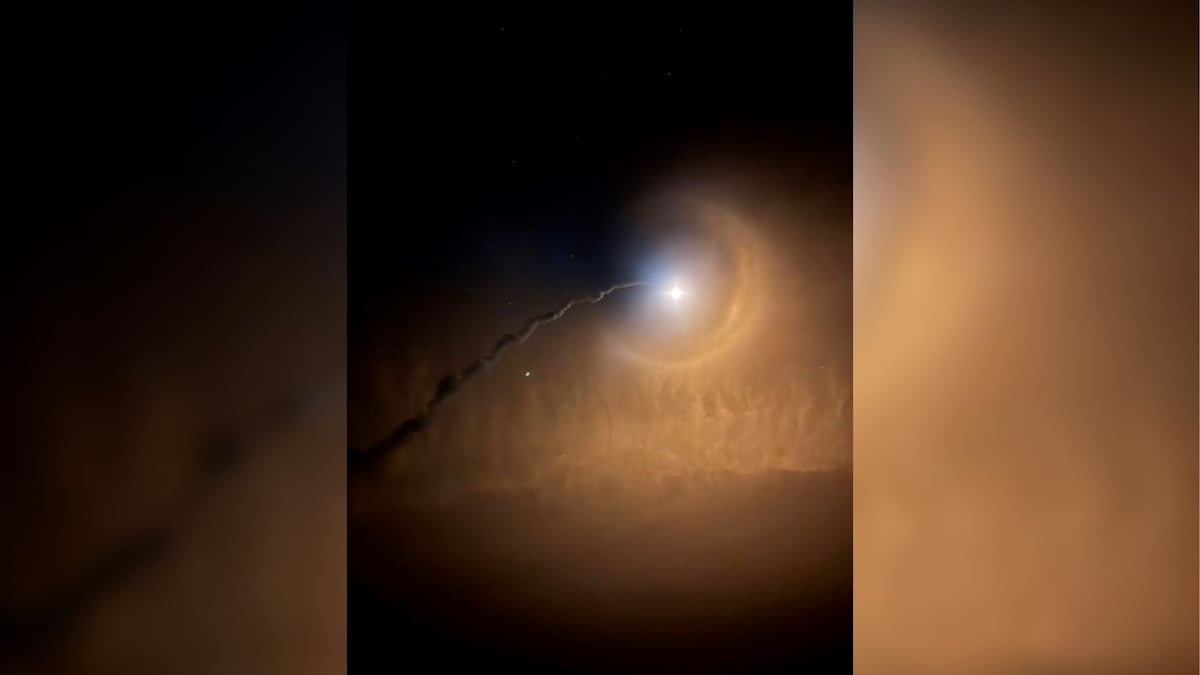
A U.S. Space Force Space Domain Awareness payload launched successfully Aug. 10 aboard Japan’s Quasi-Zenith Satellite 7, or QZS-7, completing a bilateral effort that places American sensors on Japanese navigation satellites.
The U.S. payload rode a Japanese H3 rocket from Tanegashima Space Center. It is the second and final sensor in the Quasi-Zenith Satellite System-Hosted Payload program, the first national security space partnership of its kind between the United States and Japan, according to a recent release .
The new payload will deliver near-real-time data to the Space Surveillance Network, improving the U.S. Space Force’s understanding of activities within geosynchronous orbit above the Indo-Pacific. Geosynchronous orbit, about 22,000 miles up, is where a satellite matches Earth’s rotation and remains over the same spot.
Combat Forces Command’s Mission Delta 2 will operate the sensor to identify and track objects in orbit and help operators understand potential threats or opportunities.
The Japanese QZS-7, built by Mitsubishi Electric in Kamakura, Japan, is part of a constellation that primarily augments GPS signals over Japan and the surrounding region.
Massachusetts Institute of Technology’s Lincoln Laboratory designed and built both U.S. payloads for the program. Space Force and laboratory teams worked with Japanese partners for two years to integrate and test the second sensor with its host satellite.
“The successful launch of QZS-7 is a powerful testament to the enduring strength and rapid modernization of the U.S.-Japan alliance,” Col. Bryon McClain, Space Force portfolio acquisition executive for Space Combat Power, said in the release.
“By continuing to merge our capabilities in space modernization and satellite communications, we are maintaining security in a contested space domain and fortifying our shared deterrence capabilities across the Indo-Pacific region,” he continued.
Col. Gina Peterson, deputy commander of Mission Delta 2, said the program helps the Space Force meet threats from peer adversaries and build “resilient capabilities to detect, understand, and maintain custody of objects in deep space.”
The first sensor launched in February 2025 on QZS-6. Mission Delta 2 runs both payloads through the Multi-Mission Space Operations Center/Enterprise Command and Control-Schriever enclave in Colorado.
The U.S.-Japan partnership on this program began with a December 2020 agreement between the Space Force and Japan’s National Space Policy Secretariat.
Brig. Gen. Brian Denaro, commander of U.S. Space Forces Pacific, called the alliance one of the nation’s greatest strategic advantages in the Pacific and said the program demonstrates how the two countries enhance security across the region through collaboration from design through launch.
Michael Scanlon is a defense journalist covering air and space warfare. A former U.S. Air Force A-10 crew chief, he has supported land and sea programs for the U.S. Army, Navy, Marine Corps and Coast Guard.
8 月 10 日,美国太空部队太空领域感知有效载荷搭乘日本准天顶卫星 7 号(QZS-7)成功发射,完成了将美国传感器安装到日本导航卫星上的双边合作。
据最近发布的消息,美国有效载荷搭乘日本H3火箭从种子岛宇宙中心发射升空。它是准天顶卫星系统搭载有效载荷计划中的第二个也是最后一个传感器,该计划是美国和日本之间首个此类国家安全太空合作项目。
新的有效载荷将向空间监视网络提供近乎实时的数据,从而提升美国太空军对印太地区上空地球同步轨道活动的了解。地球同步轨道位于约22000英里(约35400公里)的高空,在该轨道上,卫星的运行轨迹与地球自转同步,并始终保持在同一位置上方。
美国作战部队司令部的“德尔塔2号任务”将操作该传感器,以识别和跟踪轨道上的物体,并帮助操作人员了解潜在的威胁或机遇。
日本三菱电机在镰仓制造的QZS-7卫星,是主要用于增强日本及其周边地区GPS信号的卫星星座的一部分。
麻省理工学院林肯实验室为该项目设计并建造了两个美国有效载荷。美国太空部队和实验室团队与日本合作伙伴合作两年,将第二个传感器与其宿主卫星集成并进行了测试。
“QZS-7 的成功发射有力地证明了美日同盟的持久力量和快速现代化,”太空部队太空作战力量项目采购主管拜伦·麦克莱恩上校在新闻稿中表示。
他继续说道:“通过不断融合我们在太空现代化和卫星通信方面的能力,我们正在维护竞争激烈的太空领域的安全,并加强我们在整个印太地区的共同威慑能力。”
“德尔塔2号任务”副指挥官吉娜·彼得森上校表示,该计划有助于太空部队应对来自势均力敌对手的威胁,并建立“强大的能力来探测、了解和控制深空物体”。
第一个传感器于 2025 年 2 月随 QZS-6 发射升空。Delta 2 任务将两个有效载荷送入位于科罗拉多州的多任务空间作战中心/企业指挥控制中心-施里弗基地。
美日两国在该项目上的合作始于 2020 年 12 月美国太空军与日本国家宇宙政策秘书处签署的一项协议。
美国太空部队太平洋司令布莱恩·德纳罗准将称该联盟是美国在太平洋地区最大的战略优势之一,并表示该计划表明,两国如何通过从设计到发射的合作来加强整个地区的安全。
迈克尔·斯坎伦是一位报道空天战的国防记者。他曾是美国空军A-10攻击机的机组长,并为美国陆军、海军、海军陆战队和海岸警卫队的陆地和海上项目提供支持。