No change in Malaysia’s non-aligned stand on geopolitical issues as Brics partner, says deputy minister马来西亚作为金砖国家伙伴,在地缘政治问题上的不结盟立场没有改变,副部长表示
KUALA LUMPUR, Oct 29 — Malaysia’s status as a Brics partner country does not alter the nation’s stance of remaining non-aligned with any power regarding geopolitical issues,...
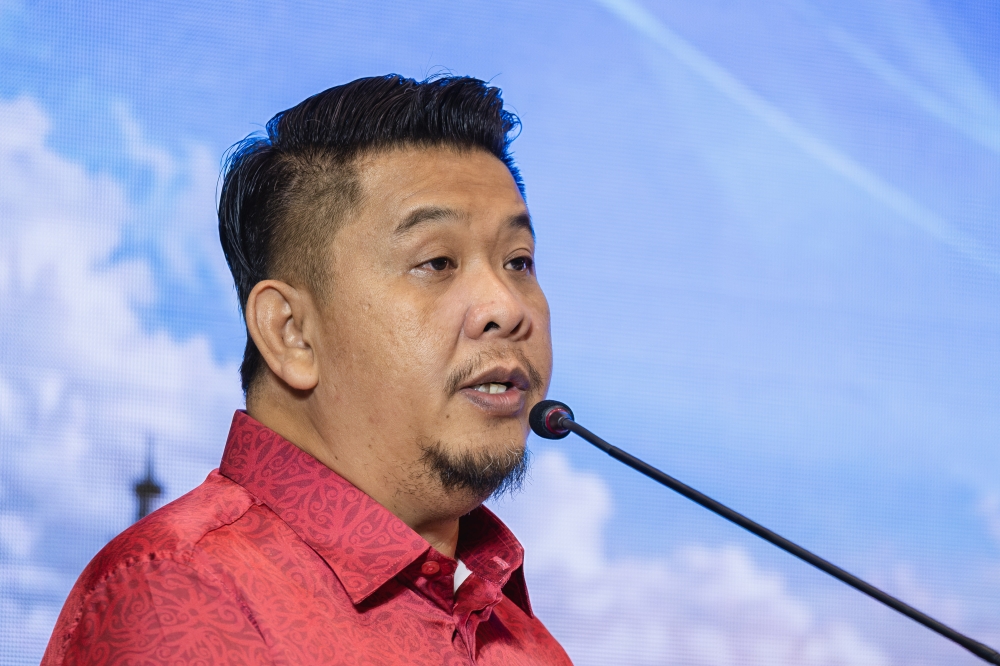
KUALA LUMPUR, Oct 29 — Malaysia’s status as a Brics partner country does not alter the nation’s stance of remaining non-aligned with any power regarding geopolitical issues, including the disputes in the South China Sea.
Deputy Foreign Minister Datuk Lukanisman Awang Sauni said Malaysia’s participation in Brics is focused primarily on exploring new economic opportunities, while geopolitical matters such as the South China Sea disputes will continue to be addressed through existing bilateral approaches and mechanisms.
“Regarding decisions or differing perspectives among Brics member nations, we will manage these issues as best as we can for instance, the long-standing issues in the South China Sea.
“We have our own established methods and mechanisms, specifically the bilateral approaches that we have already been employing,” he said during the question-and-answer session in Dewan Rakyat today.
He was responding to a supplementary question from Datuk Seri Dr Ronald Kiandee (PN-Beluran) concerning the government’s measures to ensure that Malaysia’s participation in Brics does not undermine Asean centrality, particularly in addressing regional geopolitical issues such as the disputes in the South China Sea.
Lukanisman said Malaysia also harnessed the Brics platform to articulate the nation’s stance on international issues including the situation in Palestine as previously highlighted by Prime Minister Datuk Seri Anwar Ibrahim and Foreign Minister Datuk Seri Mohamad Hassan during a Brics conference in New Delhi.
Elaborating further, he noted that Malaysia continues to derive benefits from its engagement with Brics, even while a moratorium remains in place regarding full membership in the economic bloc.
He explained that Malaysia’s status as a Brics partner country provides the Prime Minister with opportunities to hold meetings and forge strategic relationships with leaders from the bloc’s member states.
Furthermore, Malaysia is well-positioned to serve as a bridge to Asean by offering a stable and progressive economic framework, thereby bolstering the confidence of external partners.
Meanwhile, Lukanisman emphasised that Malaysia’s involvement in Brics does not imply an exclusive focus on a single economic cooperation platform and instead the country continues to leverage existing mechanisms, including the Asia-Pacific Economic Cooperation (Apec).
He added that this strategy of diversifying economic cooperation platforms aligns with the ‘Ekonomi Madani’ framework, while also enabling Malaysia to more effectively navigate conflicting interests among major powers, geopolitical tensions, and trade restrictions.
“Malaysia’s participation in Brics should not be measured merely by who else is involved; instead, the focus should be on the significant benefits we can gain from our engagement with both Brics and Apec,” he said. — Bernama
Jawi begins using multi-tier graves for unclaimed bodies in Kuala Lumpur
Penang’s Mayang Pasir Highway closed until Saturday for repairs after sinkhole emerges
Malaysia to proceed with repatriation of 5,000 Myanmar refugees after court ruling, says home minister
吉隆坡,10 月 29 日讯——马来西亚作为金砖国家伙伴国的地位,并不会改变该国在包括南海争端在内的地缘政治问题上保持不与任何大国结盟的立场。
马来西亚外交部副部长拿督卢卡尼斯曼·阿旺·萨乌尼表示,马来西亚参与金砖国家主要侧重于探索新的经济机遇,而南海争端等地缘政治问题将继续通过现有的双边途径和机制来解决。
“对于金砖国家成员国之间的决定或不同观点,我们将尽力妥善处理这些问题,例如长期存在的南海问题。
“我们有自己既定的方法和机制,特别是我们已经采用的双边方法,”他在今天国会下议院的问答环节中说。
他是在回应拿督斯里罗纳德·基安迪博士(国民联盟-贝鲁兰)提出的补充问题,该问题涉及政府为确保马来西亚参与金砖国家不会削弱东盟中心地位而采取的措施,尤其是在解决南海争端等区域地缘政治问题方面。
卢卡尼斯曼表示,马来西亚也利用金砖国家平台阐明了该国在国际问题上的立场,包括巴勒斯坦局势,正如马来西亚总理拿督斯里安华·易卜拉欣和外交部长拿督斯里穆罕默德·哈桑此前在新德里举行的金砖国家会议上强调的那样。
他进一步阐述道,尽管马来西亚加入金砖国家的进程仍处于暂停状态,但马来西亚仍继续从与金砖国家的交往中获益。
他解释说,马来西亚作为金砖国家伙伴国的地位,为总理提供了与金砖国家成员国领导人举行会晤并建立战略关系的机会。
此外,马来西亚拥有稳定和进步的经济框架,能够很好地发挥连接东盟的桥梁作用,从而增强外部伙伴的信心。
与此同时,卢卡尼斯曼强调,马来西亚参与金砖国家并不意味着只专注于单一的经济合作平台,而是继续利用现有机制,包括亚太经济合作组织(APEC)。
他补充说,这种经济合作平台多元化的战略符合“Ekonomi Madani”框架,同时也使马来西亚能够更有效地应对大国之间的利益冲突、地缘政治紧张局势和贸易限制。
他说:“马来西亚参与金砖国家不应仅仅以其他参与者的数量来衡量;相反,重点应该放在我们能够从参与金砖国家和亚太经合组织中获益匪浅。”——马新社
吉隆坡爪夷组织开始使用多层墓穴安葬无人认领的遗体
槟城马扬巴西尔高速公路因出现塌陷坑而封闭至周六进行维修。
马来西亚内政部长表示,法院裁决后,马来西亚将继续遣返5000名缅甸难民。