NATO says all allies to meet 2% defense-spending target this year北约表示,所有盟国今年都将达到2%的国防开支目标。
Including the U.S., the alliance is expected to spend around US$1.6 trillion on defense in 2025, up from $1.45 trillion in 2024.
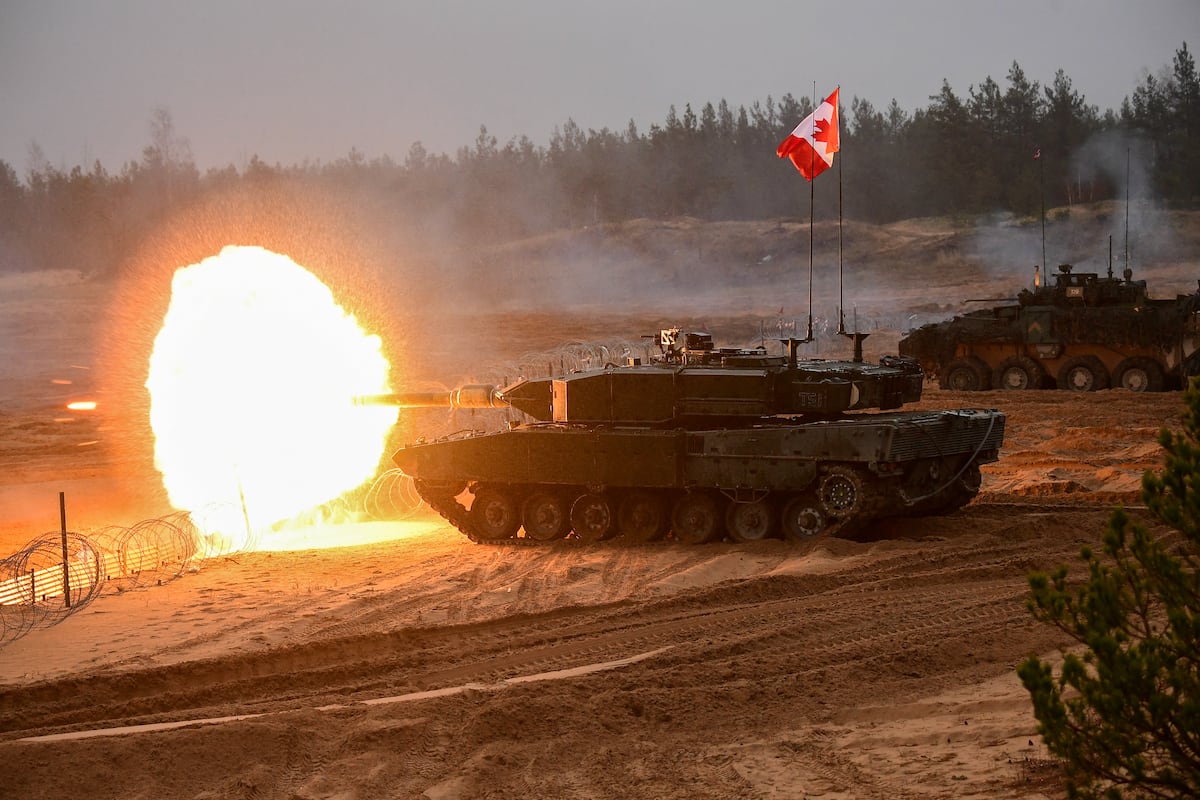
PARIS — NATO said all alliance members will spend at least 2% of their GDP on defense this year, the first time for that to happen since the spending target was set more than a decade ago.
Three countries – Poland, Lithuania and Latvia – are on track to meet a more ambitious target for 3.5% spending, set at a meeting just over two months ago, according to data on allied defense spending published by NATO on Thursday.
European NATO countries have raised their defense budgets following Russia’s 2022 invasion of Ukraine, and also in response to criticism by U.S. President Donald Trump that allies weren’t spending enough. NATO members agreed at a June summit in the Netherlands to channel 5% of GDP into defense, including 3.5% on core defense.
“In 2025, all allies are expected to meet or exceed the pre-summit target of investing at least 2% of GDP in defense, compared to only three allies in 2014,” NATO said. “Over the past decade, European allies and Canada have steadily increased their collective investment in defense.”
The data excludes Iceland, which is a NATO member but has no armed forces, and as such doesn’t have a traditional defense budget.
NATO countries had agreed to 2% defense spending at a 2014 summit in Wales, in response to Russia’s annexation of Crimea and amid instability in the Middle East. As recently as 2022, only seven countries had met the target, rising to an estimated 18 NATO members in 2024 and 31 allies this year.
Nine countries including Poland and Germany have laws or political agreements in place that set 2% of GDP as a floor for defense spending, with the Netherlands planning to do the same as of next year following recent parliamentary approval.
At the June summit in The Hague, in addition to the 3.5% for core defense spending, NATO members agreed to spend 1.5% of GDP on resilience and readiness, ranging from protecting critical infrastructure to strengthening the defense industrial base.
European NATO countries and Canada are estimated to spend more than $607 billion on defense this year at current prices, from $516 billion in 2024 and $419 billion in 2023, with the total amount of spending having doubled in six years. Including the U.S., the alliance is expected to spend around US$1.6 trillion on defense in 2025, up from $1.45 trillion in 2024.
European NATO and Canada invested 2.02% of their combined GDP in defense in 2024, from 1.43% in 2014, according to the organization.
All NATO members except Belgium are expected to meet a target to spend at least 20% of their defense expenditure on major equipment, according to the alliance. The list of countries buying kit is lead by Poland, which is expected to spend around 54% of its defense budget on equipment.
Rudy Ruitenberg is a Europe correspondent for Defense News. He started his career at Bloomberg News and has experience reporting on technology, commodity markets and politics.
巴黎——北约表示,所有联盟成员国今年将至少把国内生产总值的2%用于国防开支,这是自十多年前设定该开支目标以来首次达到这一目标。
根据北约周四公布的盟国国防开支数据,波兰、立陶宛和拉脱维亚三个国家有望实现两个多月前会议上设定的更为雄心勃勃的3.5%的国防开支目标。
在俄罗斯2022年入侵乌克兰之后,以及为了回应美国总统唐纳德·特朗普批评盟国国防开支不足,欧洲北约国家提高了国防预算。北约成员国在6月于荷兰举行的峰会上同意将国内生产总值的5%用于国防,其中3.5%用于核心国防。
北约表示:“预计到2025年,所有盟国都将达到或超过峰会前设定的目标,即国防开支至少占GDP的2%,而2014年只有三个盟国达到这一目标。过去十年,欧洲盟国和加拿大一直在稳步增加其国防集体投入。”
数据不包括冰岛,冰岛是北约成员国,但没有武装部队,因此没有传统的国防预算。
为应对俄罗斯吞并克里米亚以及中东局势动荡,北约国家在2014年威尔士峰会上同意将国防开支提高到国内生产总值的2%。然而,截至2022年,仅有7个国家达到了这一目标,预计到2024年,北约成员国将达到18个,而今年盟国将达到31个。
包括波兰和德国在内的九个国家已经制定法律或政治协议,规定国防开支的最低限额为国内生产总值的 2%,荷兰在最近获得议会批准后,计划从明年开始也这样做。
在 6 月于海牙举行的峰会上,除了 3.5% 的核心国防开支外,北约成员国还同意将 GDP 的 1.5% 用于增强韧性和战备能力,范围从保护关键基础设施到加强国防工业基础。
据估计,欧洲北约国家和加拿大今年的国防开支将超过6070亿美元(按当前价格计算),高于2024年的5160亿美元和2023年的4190亿美元,六年间国防开支总额翻了一番。如果将美国也纳入考量,预计北约2025年的国防开支将达到约1.6万亿美元,高于2024年的1.45万亿美元。
据该组织称,到 2024 年,欧洲北约和加拿大在国防上的投入占其国内生产总值 (GDP) 的 2.02%,高于 2014 年的 1.43%。
除比利时外,所有北约成员国都应达到将至少20%的国防开支用于主要装备的目标。在采购装备的国家中,波兰位居榜首,预计将把约54%的国防预算用于装备。
鲁迪·鲁伊滕贝格是《防务新闻》的欧洲记者。他的职业生涯始于彭博新闻社,拥有报道科技、大宗商品市场和政治方面的经验。