Malaysian banks must back bunkering players or lose business to Singapore, says industry leader行业领袖表示,马来西亚各银行必须支持燃油供应企业,否则就会将业务拱手让给新加坡。
KUALA LUMPUR, Oct 31 — Malaysia’s maritime industry is calling for a stronger financing support from local banks to unlock its investment potential and enable domestic...
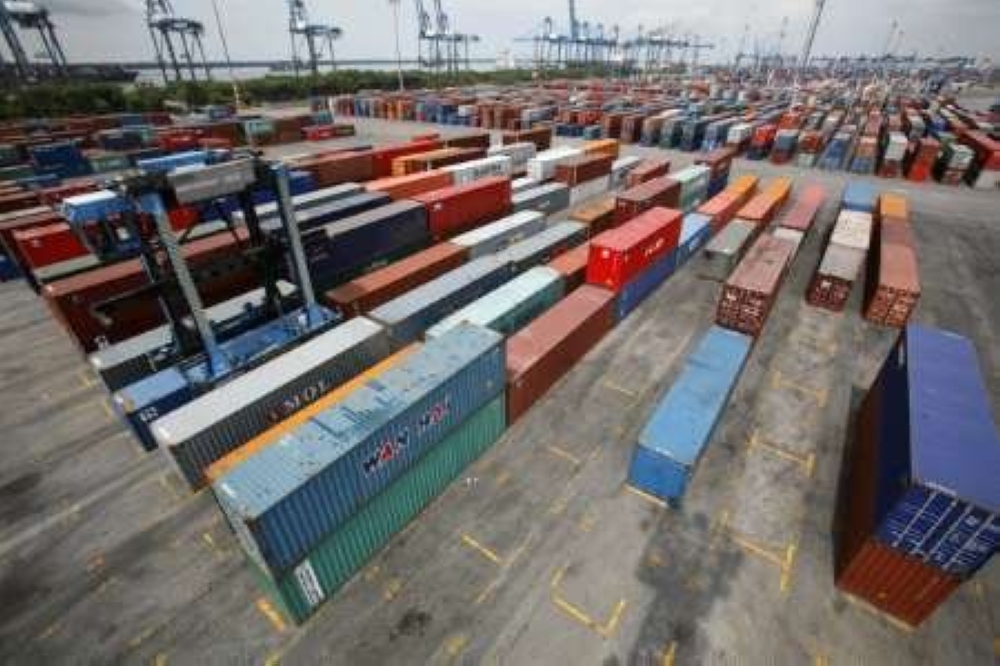
KUALA LUMPUR, Oct 31 — Malaysia’s maritime industry is calling for a stronger financing support from local banks to unlock its investment potential and enable domestic players to expand their operations, particularly in the bunkering sector, said Maritime Network Sdn Bhd chief executive officer Datuk Seri Jeyenderan R.
Bunkering services refer to the supply, storage, and logistical management of marine fuels, lubricants, and essential provisions to power ships and marine vessels.
Jeyenderan said many industry players were interested in entering the sector but faced difficulties securing bank financing, as local banks considered the business high-risk, particularly when financing vessel and bunkering asset purchases.
He pointed out that investors from Singapore often channelled their funds through Singaporean banks instead of Malaysian financial institutions, resulting in potential economic benefits flowing out of the country.
“They don’t use our bankers at all. That has a very bad impact and we can’t be doing charity in our waters. We have very beautiful waters and we have good traffic going on.
“For that reason, we are losing a lot of gross domestic product. Back in the day, we were doing about 600,000 tonnes until 2013, but now, it’s down to 200,000 tonnes,” he said in an interview after appearing on Bernama TV’s Ruang Bicara programme titled “Maritime Industry: Global Challenges, Domestic Impact” yesterday.
On policies, he said clearer guidelines are needed particularly for customs documentation, covering import, export and other shipping-related processes.
Jeyenderan said industry players often face difficulties navigating different documentation procedures and requirements imposed by various agencies, including the Royal Malaysian Customs Department (RMCD), the Malaysian Maritime Enforcement Agency (MMEA), port authorities and port operators.
“For example, we need to know the proper standard operating procedure (SOP) for submitting documents from K1 to K9. These procedures must be confirmed and uploaded into the system so that everyone follows the same requirements,” he said.
The K1-K9 series refers to the standard family of customs declaration forms administered by the RMCD under the Customs Act 1967.
On Malaysia’s maritime industry targets under the 13th Malaysia Plan (13MP) up to 2030, Jeyenderan said it is generally on track to achieving them but needs to better manage and retain waste materials that could be used as feedstock for sustainable aviation fuel production. — Bernama
EC: 79 candidates, including 14 women, to contest 28 Melaka seats, with 11 straight fights and six four-cornered contests
AGC did not interfere in decision to return Mohd Shuhaily to police, says Attorney-General
BN to retain Ab Rauf as Melaka CM if coalition wins Nov 14 polls, says Zahid
吉隆坡,10 月 31 日——马来西亚海事网络有限公司首席执行官拿督斯里杰延德兰表示,马来西亚海事行业呼吁当地银行提供更有力的融资支持,以释放其投资潜力,并使国内企业能够扩大业务,尤其是在船舶加油领域。
船舶燃料供应服务是指船舶和海上船只所需的船用燃料、润滑油和基本物资的供应、储存和物流管理。
Jeyenderan 表示,许多业内人士对进入该行业很感兴趣,但在获得银行融资方面面临困难,因为当地银行认为该业务风险很高,尤其是在为船舶和加油资产购买提供融资时。
他指出,新加坡投资者通常通过新加坡银行而不是马来西亚金融机构进行资金转移,导致潜在的经济利益流出该国。
“他们根本不用我们的银行。这造成了非常糟糕的影响,我们不能在自己的水域里搞慈善活动。我们的水域非常美丽,而且交通也很繁忙。”
“正因如此,我们的国内生产总值损失惨重。过去,直到2013年,我们的产量约为60万吨,但现在,已经下降到20万吨,”他在昨天做客马新社电视台“Ruang Bicara”节目“海事产业:全球挑战,国内影响”后接受采访时说道。
他表示,在政策方面,需要更清晰的指导方针,特别是关于海关文件,涵盖进口、出口和其他与运输相关的流程。
Jeyenderan 表示,业内人士经常面临各种机构(包括马来西亚皇家海关总署 (RMCD)、马来西亚海事执法机构 (MMEA)、港口当局和港口运营商)规定的不同文件程序和要求带来的困难。
“例如,我们需要了解从K1到K9提交文件的正确标准操作程序(SOP)。这些程序必须得到确认并上传到系统中,以便每个人都遵循相同的要求,”他说。
K1-K9 系列是指马来西亚皇家海关总署根据 1967 年海关法令管理的标准海关申报表格系列。
关于马来西亚第十三个五年计划(13MP)中设定的到2030年的海事产业目标,杰延德兰表示,总体而言,马来西亚正按计划推进海事产业的发展,但需要更好地管理和利用可作为可持续航空燃料生产原料的废弃物。——马新社
选举委员会:共有79名候选人(包括14名女性)角逐马六甲州28个议席,其中11个议席将进行直接对决,6个议席将进行四方混战。
总检察署表示,总检察署并未干预将莫哈末·舒海利送回警方的决定。
扎希德表示,如果国阵赢得11月14日的大选,将继续任命阿布·拉乌夫为马六甲首席部长。