Malaysia plans 9GW of gas-fired power capacity by 2032 as demand rises, says economy minister马来西亚经济部长表示,为应对不断增长的需求,马来西亚计划到2032年新增9吉瓦天然气发电装机容量。
PETALING JAYA, Sept 8 — Malaysia expects about nine gigawatts (GW) of gas-fired power capacity to be deployed by 2032 as the country manages growing electricity demand while...
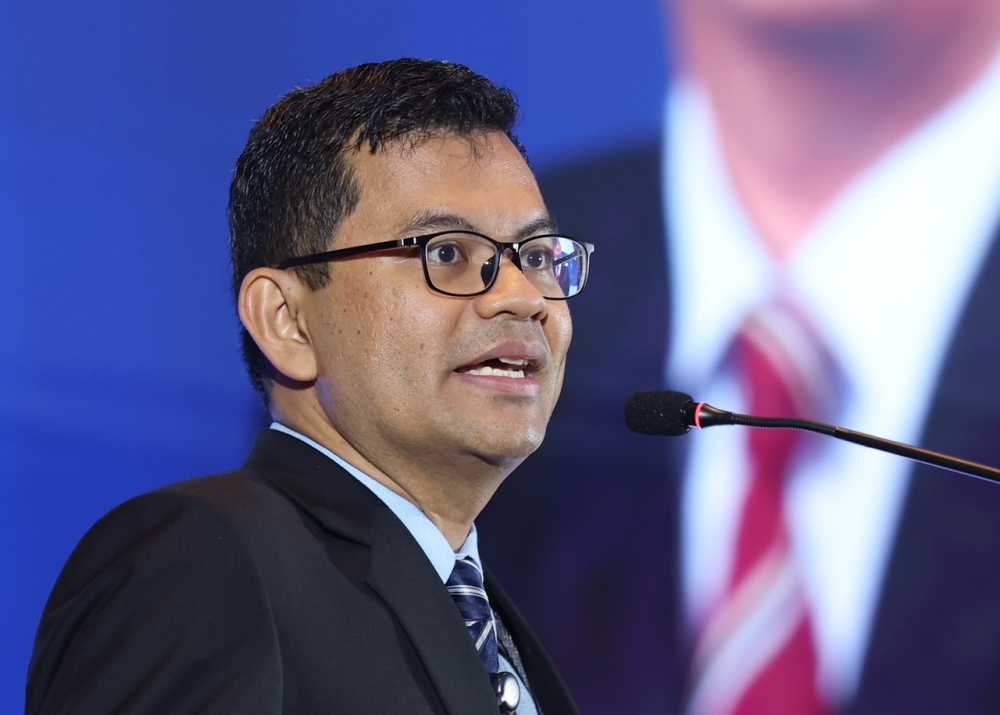
Malaysia plans to deploy nine gigawatts of gas-fired power capacity by 2032, aiming to phase out coal-fired power by 2044.
Energy demand is rising due to population growth and higher consumption from sectors like data centres, influenced further by climate conditions.
Malaysia targets an 11.6% reduction in energy demand by 2035 via the National Energy Efficiency Action Plan, promoting grid modernisation and energy efficiency.
PETALING JAYA, Sept 8 — Malaysia expects about nine gigawatts (GW) of gas-fired power capacity to be deployed by 2032 as the country manages growing electricity demand while progressively phasing out coal-fired generation.
Minister of Economy Akmal Nasrullah Mohd Nasir said the capacity would form part of the country’s efforts to manage electricity demand, with the last coal-fired power plant expected to be retired in 2044.
Akmal Nasrullah said energy demand was showing an upward trend, driven by factors including population growth and higher consumption from energy-intensive sectors such as data centres.
“In terms of the projection for energy demand, definitely we see a pattern of increase. One is population growth.
“But number two, there is also an increase in energy consumption by high-usage sectors such as data centres,” he told reporters after the Energy Regulatory Insights 2026 here today.
He said weather and climate conditions could also change energy demand patterns, particularly as hotter conditions increase the need for cooling systems and air conditioning.
Against this backdrop, Akmal Nasrullah said managing energy demand would become as crucial as managing energy supply over the next five to 10 years.
“I think for the next five to 10 years, Malaysia must really remain disciplined enough to ensure our system is continuously upgraded, not just in terms of the power produced, but also the grid and infrastructure, so that our system remains affordable, safe and sustainable,” he added.
He said energy planning should not only focus on the megawatts that need to be deployed in the system, but also on energy efficiency and conservation.
Akmal Nasrullah said the planning would need to be managed by the Ministry of Energy Transition and Water Transformation and the Energy Commission to ensure the country could manage demand while remaining committed to sustainability efforts and reducing the energy sector’s carbon footprint.
Earlier in his keynote address, Akmal Nasrullah outlined three priorities for the next phase of energy reform, starting with the need for a competitive and progressive energy market with clear and predictable rules and transparent access arrangements.
Secondly, he said expanding generation capacity must be supported by a modern grid that is intelligent, visible, secure and flexible, with grid modernisation under the 13th Malaysia Plan regarded as essential economic infrastructure to enable investments to connect faster, improve system efficiency and support reliable economic growth.
Thirdly, Akmal Nasrullah said energy efficiency must be treated as an energy resource in its own right, as it could reduce operating costs, ease pressure on the system and strengthen competitiveness.
He said the first National Energy Efficiency Action Plan (NEEAP) exceeded its original target, delivering cumulative electricity savings of 60,886 gigawatt-hours, equivalent to RM16.1 billion in savings, from 2016 to 2025.
Under NEEAP 2.0, Malaysia is targeting an 11.6 per cent reduction in energy demand against the business-as-usual scenario by 2035, which is expected to help lower energy costs, ease pressure on the system and support more productive and competitive economic activity. — Bernama
Selangor on track to top RM100b investment mark this year, says Amirudin
Johor ready for cloud seeding as El Nino looms from October
Azalina: Politicians could face corruption charges without political financing law
马来西亚计划到 2032 年部署 9 吉瓦的燃气发电容量,目标是到 2044 年逐步淘汰燃煤发电。
人口增长和数据中心等行业的能源消耗增加导致能源需求上升,而气候条件也进一步影响了能源需求。
马来西亚的目标是通过国家能源效率行动计划,到 2035 年将能源需求减少 11.6%,从而促进电网现代化和能源效率。
八打灵再也,9月8日讯——马来西亚预计到2032年将部署约9吉瓦(GW)的天然气发电容量,以应对不断增长的电力需求,同时逐步淘汰燃煤发电。
经济部长阿克马尔·纳斯鲁拉·莫哈末·纳西尔表示,该发电能力将成为该国管理电力需求努力的一部分,预计最后一座燃煤发电厂将于 2044 年退役。
阿克马尔·纳斯鲁拉表示,能源需求呈现上升趋势,其驱动因素包括人口增长以及数据中心等能源密集型行业的更高消耗量。
“就能源需求预测而言,我们确实看到一种增长趋势。其中一个原因是人口增长。”
“但第二点是,数据中心等高耗能行业的能源消耗也在增加,”他在今天于此举行的 2026 年能源监管展望大会后告诉记者。
他表示,天气和气候条件也可能改变能源需求模式,尤其是在气温升高的情况下,对制冷系统和空调的需求会增加。
在此背景下,阿克马尔·纳斯鲁拉表示,在未来五到十年内,管理能源需求将与管理能源供应一样重要。
他补充说:“我认为在未来五到十年内,马来西亚必须保持足够的自律,确保我们的系统不断升级,不仅在发电方面,而且在电网和基础设施方面,这样我们的系统才能保持经济实惠、安全和可持续。”
他表示,能源规划不仅应该关注系统中需要部署的兆瓦数,还应该关注能源效率和节能。
阿克马尔·纳斯鲁拉表示,规划工作需要由能源转型和水利转型部以及能源委员会进行管理,以确保国家能够在满足需求的同时,继续致力于可持续发展工作,并减少能源行业的碳足迹。
在早些时候的主题演讲中,阿克马尔·纳斯鲁拉概述了下一阶段能源改革的三个优先事项,首先是需要一个具有明确可预测规则和透明准入安排的竞争性和进步性的能源市场。
其次,他表示,扩大发电能力必须以智能、可见、安全和灵活的现代化电网为支撑,而根据马来西亚第十三个五年计划,电网现代化被视为重要的经济基础设施,能够使投资更快地接入电网,提高系统效率,并支持可靠的经济增长。
第三,阿克马尔·纳斯鲁拉表示,能源效率必须被视为一种独立的能源资源,因为它可以降低运营成本,减轻系统压力,增强竞争力。
他表示,第一个国家能源效率行动计划(NEEAP)超额完成了原定目标,从 2016 年到 2025 年累计节约了 60,886 吉瓦时电力,相当于节省了 161 亿令吉。
根据马来西亚国家能源效率和能源行动计划2.0(NEEAP 2.0),马来西亚的目标是到2035年将能源需求在维持现状的基础上降低11.6%,这有望降低能源成本,缓解能源系统压力,并支持更具生产力和竞争力的经济活动。——马新社
阿米鲁丁表示,雪兰莪州今年的投资额有望突破1000亿令吉大关。
柔佛州已准备好进行人工增雨,因为厄尔尼诺现象将于10月开始逼近。
阿扎利娜:没有政治筹资法,政客可能面临腐败指控