Sing a song of ‘siu mai’: Taste the world — and life — through this humble ‘dim sum’唱一首烧卖之歌:透过这不起眼的点心,品味世界——以及人生。
COMMENTARY, Sept 8 — It’s fascinating how getting older sometimes means getting more honest with yourself; there just isn’t enough time for bull and baloney.This candour...
The writer reflects on the growing honesty that comes with age, influencing how they appreciate simple, comforting foods like siu mai.
Siu mai, a traditional dim sum with minced pork and prawn, draws the writer back with its familiarity and comforting taste, despite its simplicity compared to more elaborate dishes.
Siu mai's universal appeal spans global cuisines, offering variations that connect diners to a sense of home and shared enjoyment, whether at a street stall or a refined restaurant.
COMMENTARY, Sept 8 — It’s fascinating how getting older sometimes means getting more honest with yourself; there just isn’t enough time for bull and baloney.
This candour extends to how I eat or, rather, how I prefer to eat. There were years, for instance, where I’d avoid ordering siu mai — those perfect parcels of prawn and pork — in favour of more intriguing items when dining at a dim sum restaurant.
Perhaps pan-fried cheong fun rice rolls in XO chilli sauce? Or those collagen-rich “phoenix claws” paired with fragrant fermented black beans?
Surely some steamed lotus paste buns with salted egg yolk will satisfy, with their pleasing, oozing lava drama?
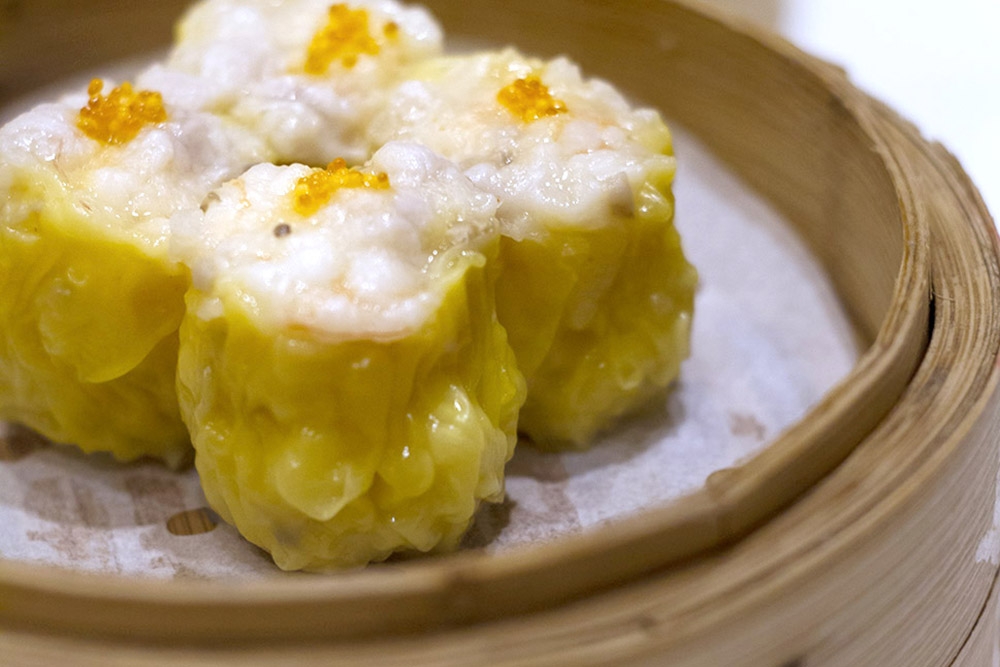
Siu mai , on the other hand, with a folded yellow wantan wrapper forming a pocket for minced pork and a plump prawn, seems almost a relic.
Too plain, even with the few orbs of vividly orange tobiko (flying fish roe) at its centre.
Why, then, am I always drawn back to this humble dim sum ?
Maybe it’s the familiarity that makes the heart grow fonder; that taste that I recognise anywhere. So comforting.
Maybe it’s the experience required to make them, the slow spooning of the meat into the half folded wrapper, the correct number of minutes in the steamer.
They say homemade is best but I dare say most restaurants will do much better (they have had more practice, surely?) so long as they don’t skimp on the filling or use the admittedly more convenient frozen variety.
From KL to Ipoh, the song of the siu mai calls to me like the sirens to Odysseus (albeit a far less murderous melody than that of Persephone’s past playmates).
Is siu mai different elsewhere though?
Certainly when I visited Hong Kong, that bastion of Cantonese cuisine, a trip to a proper dim sum restaurant is a must (or so my local friends tell me).
Even then, there is a wide variety of choices, from nearly 24-hour eateries where you can have your baked chasiu sou with polo bun crust at three in the morning to more refined establishments where the well-heeled congregate for a Cantonese take on high tea.
The latter can either be an elegant affair or an unabashed bougie fest depending on how you approach it. (There’s a reason dim sum here is sometimes associated with tai tai culture when you partake during the weekday hours when others are more gainfully employed.)
Still, it’s easy to forget all that when we take in the ethereal “blossoms” before us, these tiny petalled sacks of siu mai crafted by hands that have spent decades making the same thing over and over.
Instead of the brilliant orange of tobiko , each bundle of juicy pork is garnished with a decadent crown of real hai wong .
The rich crab roe turns to a paler yellow and is creamy rather than the tobiko ’s distinct pop when you bite into it.
Details like this make all the difference, from the clean, properly ironed white table cloths to the pot of tea brewed from aged, estate-specific Pu-erh cakes.
Yet siu mai doesn’t need to be so fancy or fussy.
Or, indeed, even a sit-down occasion. In Bangkok, particularly the Thai Chinese neighbourhoods of Yaowarat and Songwat (the former is widely recognised as the capital’s Chinatown), one can enjoy siu mai standing by the streets.
Every corner seems to reveal a different artisanal shop, easily a century old. There are dim sum or bao makers, now redesigned in the style of “open kitchens” so you can see the workers making the buns or dumplings fresh.
Called both shumai and khanom jeeb here, these are typically served with a tangy, spicy chilli and vinegar dipping sauce rather than the chilli sauce we are used to.
Sometimes they add a garnish of fried garlic, which adds a lovely aroma to every bite. Toothpicks make it easy to nibble on as you stroll along the soi and explore the heritage area.
Of course, in these times of over-tourism, even this no-frills dumpling can be repackaged; one popular spot offers the siu mai in a circular tray sitting atop a cup of iced Thai tea. An ingenious way to enjoy the best of both worlds, I guess?
And so it is with wherever the Chinese diaspora finds itself around the world, from Melbourne to Munich.
In the Philippines, you can enjoy siomai made with ground pork and beef; the dipping soy sauce is brightened with calamansi juice.
All the way in South America, siu mai arrived in Peru courtesy of 19th-century Chinese immigrants who merged Cantonese cooking with local ingredients to create the dynamic Chifa fusion cuisine.
There is a siu mai for every tastebud and for every time of life, wherever we find ourselves.
At the end of the day, however we enjoy our siu mai , from a beaten up bamboo steamer at a kopitiam to a high end dim sum restaurant, its song remains the same.
For the song of siu mai is not the song of sirens. No, to sing of siu mai is to sing for one’s supper. A shared supper (or dim sum breakfast or yum cha session; you get what I mean).
This is a song of simple morsels enjoyed best, not alone, but with those you love. Washed down with plenty of hot Chinese tea and the sound of uproarious laughter. That’s life, really, the very best life.
For more food fables and café chronicles, visit Life for Beginners .
Kota Damansara’s Nasi Lemak Melaka serves up a Peranakan inspired ‘sambal’ paired with fried pork belly, ‘satay babi’ and BBQ meat skewers
Root House by gēn, Penang: Chef Johnson Wong’s plan to evolve Malaysian-Chinese cuisine by going back to its roots
For a taste of old Seremban, start your morning at Restoran Sun Meng with strong ‘kopi’, butter ‘kaya’ toast and hearty, hand-torn ‘mee hoon kueh’
Johor orders hunt for five feral dogs after girl mauled in Batu Pahat
Johari: Parliamentary Service Act gives Parliament greater scope to strengthen oversight of government
Brothers get High Court leave to challenge DBKL approval for 39-storey towers near their Old Klang Road home
作者反思了随着年龄增长而来的诚实,这影响了他们对烧卖等简单、令人感到慰藉的食物的欣赏方式。
烧卖,一种传统的点心,馅料是猪肉末和虾仁,尽管与更精致的菜肴相比显得简单,但它熟悉的味道和令人感到舒适的口感,仍然吸引着作者。
烧卖的魅力遍及全球各地美食,无论是在街边小摊还是高档餐厅,都能让食客感受到家的温暖和共享的快乐。
评论,9 月 8 日 — 变老有时意味着对自己更加诚实,这真是件有趣的事;因为没有足够的时间去胡说八道。
这种坦诚也体现在我的饮食习惯上,或者更确切地说,是我喜欢的饮食方式上。例如,有好几年,我在点心店吃饭时,都会避免点烧卖——那种完美的虾肉猪肉小点心——而选择一些更有趣的菜式。
或许是XO辣椒酱煎肠粉?或是富含胶原蛋白的“凤爪”配上香喷喷的豆豉?
一些咸蛋黄莲蓉包肯定能让人满意,它们流淌着诱人的蛋黄馅,场面十分精彩!
而烧卖,用折叠的黄色云吞皮包裹着猪肉馅和饱满的虾仁,看起来几乎像是一种遗物。
即使中心点缀着几颗鲜艳的橙色飞鱼籽,也显得过于朴素。
那么,为什么我总是会被这看似普通的点心所吸引呢?
或许正是这份熟悉感,让心生眷恋;那种无论在哪里都能认出的味道,如此令人感到慰藉。
或许是因为制作它们需要经验,比如用勺子慢慢地把肉舀进半折叠的面皮里,以及在蒸锅里蒸正确的时间。
人们常说自制的最好,但我敢说,只要餐厅不偷工减料,也不使用虽然方便但并非绝对的冷冻馅料,那么大多数餐厅都会做得更好(他们肯定有更多的经验吧?)。
从吉隆坡到怡保,烧卖的歌声像塞壬女妖对奥德修斯的歌声一样召唤着我(尽管这旋律远没有珀耳塞福涅过去的玩伴们的歌声那么凶险)。
其他地方的烧卖做法不一样吗?
当然,当我到访粤菜之都香港时,去一家正宗的点心餐厅是必不可少的(至少我的当地朋友是这么说的)。
即使如此,选择仍然多种多样,从几乎 24 小时营业的餐馆(你可以在凌晨三点吃到用菠萝包皮做的烤叉烧汤)到更精致的场所(富裕人士聚集在那里享用粤式下午茶)。
后者可以是优雅的聚会,也可以是毫不掩饰的奢靡盛宴,这取决于你的态度。(这里,如果你在工作日其他人上班的时候享用点心,它有时会与太太文化联系在一起,这并非没有原因。)
不过,当我们欣赏眼前这些轻盈的“花朵”时,很容易忘记这一切。这些小小的、花瓣状的烧卖,是由那些几十年如一日制作同样东西的工匠们精心制作的。
每一份鲜嫩多汁的猪肉都点缀着一层奢华的海葱,而不是亮橙色的飞鱼籽。
蟹黄质地肥美,咬下去会变成淡黄色,口感绵密,不像飞鱼籽那样有明显的爆裂感。
从干净熨烫平整的白色桌布到用庄园特有的陈年普洱茶饼冲泡的茶,这些细节都至关重要。
然而,烧卖并不需要那么花哨或繁琐。
或者,甚至可以坐下来享用。在曼谷,尤其是在耀华力路和颂瓦路(前者被公认为是曼谷的唐人街)的泰籍华人区,人们可以在街边站着吃烧卖。
几乎每个街角都能发现一家不同的手工艺品店,其中不乏百年老店。这里有点心店或包子店,现在都重新装修成了“开放式厨房”,你可以看到师傅们现场制作包子或饺子。
在这里,这种食物既叫作烧卖,也叫作卡农吉布,通常搭配酸辣的辣椒醋蘸酱,而不是我们通常吃的辣椒酱。
有时他们还会撒上炸蒜片作为点缀,让每一口都充满诱人的香气。用牙签串起来,可以一边沿着小巷漫步,一边轻松地享用美食,探索这片历史街区。
当然,在如今旅游过度的时代,就连这种朴素的烧卖也可以重新包装;一家颇受欢迎的小店就把烧卖放在圆形托盘里,托盘上还放着一杯冰镇泰式奶茶。这真是个巧妙的办法,可以同时享受到两种美食的美味,我想?
无论华人移民身处世界各地,从墨尔本到慕尼黑,情况都是如此。
在菲律宾,你可以品尝到用猪肉和牛肉馅制成的烧卖;蘸酱油里加入了金桔汁,味道更加鲜美。
烧卖起源于南美洲,19 世纪的中国移民将烧卖带到了秘鲁,他们将粤菜与当地食材融合,创造出了充满活力的中法融合菜系。
无论身处何地,无论处于人生的哪个阶段,总有一款烧卖能满足您的味蕾。
然而,无论我们最终是在咖啡店里用破旧的竹蒸笼享用烧卖,还是在高档点心餐厅品尝烧卖,它的味道始终如一。
烧卖的歌声并非海妖的歌声。不,烧卖的歌声是为了晚餐而歌唱。一顿共享的晚餐(或者点心早餐或饮茶;你明白我的意思)。
这是一首由简单小品组成的歌,最适合与你爱的人一起享用,而不是独自一人。再配上热腾腾的中国茶,以及爽朗的笑声。这才是生活,这才是最美好的生活。
想了解更多美食故事和咖啡馆轶事,请访问“初学者生活”网站。
哥打白沙罗的马六甲椰浆饭供应娘惹风味的“叁巴酱”,搭配炸五花肉、“沙爹猪肉串”和烤肉串。
槟城 Root House by gēn:主厨 Johnson Wong 计划通过回归本源来革新马来西亚华人料理
想要品尝老芙蓉的味道,不妨从早晨的孙明餐厅 (Restoran Sun Meng) 开始,品尝浓郁的咖啡 (kopi)、涂抹黄油的咖椰吐司 (kaya) 和香喷喷的手工撕面 (mee hoon kueh)。
柔佛州警方下令追捕五只野狗,此前峇株巴辖一名女孩遭野狗袭击。
乔哈里:议会服务法赋予议会更大的权力来加强对政府的监督。
两兄弟获高等法院许可,将对吉隆坡市政局批准在其旧巴生路住宅附近建造39层高楼的决定提出质疑。