Ukraine-Russia peace talks under pressure. Who could face sanctions?乌克兰与俄罗斯的和平谈判面临压力。谁可能面临制裁?
Donald Trump’s push for a Ukraine-Russia peace deal to be reached by the end of this week is unrealistic, experts say.
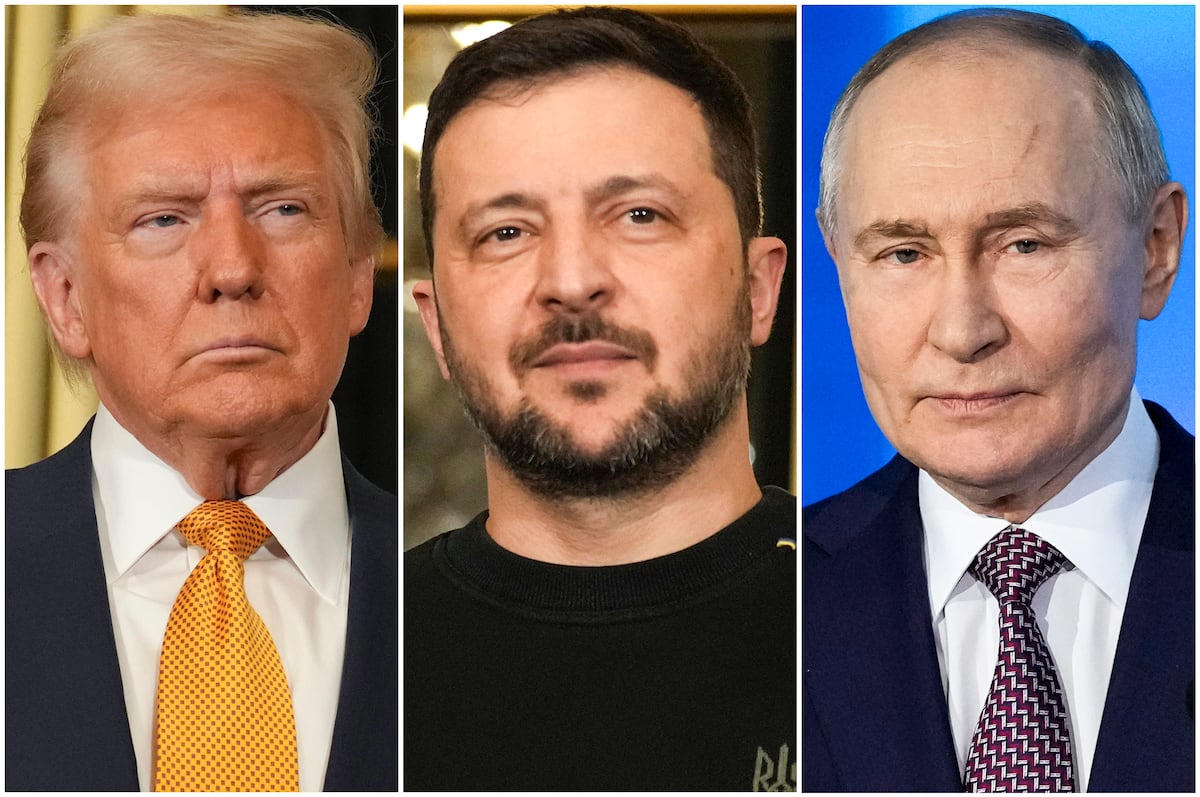
MILAN — Donald Trump’s push for a Ukraine-Russia peace deal to be reached by the end of this week is unrealistic, experts say, as substantive progress is improbable without a major shift on the battlefield.
On July 28, the U.S. president announced that he was shortening the initial 50-day deadline previously granted to Vladimir Putin to negotiate an end to the war in Ukraine to “10 or 12 days from today.”
While the nature of this decision may have been more of a political pressure tactic to get the Russian official to the negotiation table, it implied that the revised deadline for such talks was now Aug. 8.
However, even with the threat of additional sanctions on the horizon and a possible meeting between Trump and Putin, experts share a skeptical outlook regarding any progress being made in the near term.
“The structural realities of this war make meaningful peace talks or even cease-fire nearly impossible in the short-term,” said Eitvydas Bajarunas, the former Lithuanian ambassador to Russia. “Putin’s strategic goals remain unchanged … [and] his ambitions are incompatible with any real compromise.”
Bajarunas added that any movement toward peace by the revised target date would be “performative at best” as concrete developments are dependent on “battlefield shifts, not diplomatic theatre.”
Maria Snegovaya, senior fellow for Russia and Eurasia at the Center for Strategic and International Studies, shares a similar pessimistic perspective regarding the likelihood of a ceasefire deal by Friday.
“[The probability] remains very low, as Putin shows no signs of abandoning his core objectives in Ukraine,” she told Defense News. “The Kremlin is dismissive of the threat of new U.S. sanctions and reportedly confident in military victory.”
In May, Ukraine’s foreign minister stated that Russia had violated its three-day ceasefire only hours after it went into effect.
Bloomberg reported this week that Moscow may opt to pause temporarily drone and missile strikes, but continue ground operations.
Such a gesture, Snegovaya said, would primarily serve to ease pressure from potential U.S. sanctions.
Sanctions: Who is likely to be hit and how?
The Trump administration has signaled that significant, secondary tariffs could be placed on Russia’s closest trading partners if no concessions are made from Moscow.
The main objective: severely restrict global economic ties with the Kremlin in an attempt to cut off funding for its war machine.
According to Bajarunas, four countries are specifically at risk of being targeted: India, China, Turkey and the United Arab Emirates.
Although Indian goods are already subject to 25% tariffs from the U.S., the expert said that the country could be hit harder if it continues to buy Russian oil.
“[If secondary tariffs are imposed] India is more likely to respond by partially shifting to alternative oil suppliers,” Snegovaya added.
While this would effectively hurt Moscow in the near-term, she warned that ultimately, it could lead it to deepen oil ties with China or increase efforts to bypass sanctions.
As of this month, average American tariffs on Chinese exports stand at nearly 55% on all goods, per the Peterson Institute for International Economics.
Ukrainian intelligence officials have maintained over the last few months that Beijing was still providing different products to Russian military plants. Additional sanctions on Chinese merchandise could be “framed as both economic leverage and national security protection,” Bajarunas added.
However, for Snegovaya, the existing tariffs on China reduce the likelihood or impact of imposing additional.
Concerning Turkey and the UAE, countries he noted “as intermediaries in Russia’s sanctions evasion networks,” Washington may opt to target key infrastructure or institutions such as ports, shipping companies or banks.
Elisabeth Gosselin-Malo was a Europe correspondent for Defense News. She covers a wide range of topics related to military procurement and international security, and specializes in reporting on the aviation sector. She is based in Milan, Italy.
米兰——专家表示,唐纳德·特朗普力推乌克兰和俄罗斯在本周末前达成和平协议是不现实的,因为如果没有战场上的重大转变,就不太可能取得实质性进展。
7月28日,美国总统宣布,他将此前给予弗拉基米尔·普京的50天期限缩短为“从今天起10或12天”,以谈判结束乌克兰战争。
虽然这一决定的性质可能更多的是一种政治施压策略,目的是迫使俄罗斯官员回到谈判桌前,但这暗示着此类会谈的修订截止日期现在是 8 月 8 日。
然而,尽管面临进一步制裁的威胁,以及特朗普和普京可能举行会晤,专家们对近期内取得任何进展仍持怀疑态度。
“这场战争的结构性现实使得短期内进行有意义的和平谈判甚至停火几乎不可能,”立陶宛前驻俄罗斯大使埃特维达斯·巴亚鲁纳斯表示。“普京的战略目标依然不变……他的野心与任何真正的妥协都不相容。”
巴贾鲁纳斯补充说,在修订后的目标日期之前取得的任何和平进展都“充其量只是作秀”,因为具体的进展取决于“战场上的变化,而不是外交作秀”。
战略与国际研究中心俄罗斯和欧亚高级研究员玛丽亚·斯涅戈瓦娅对周五达成停火协议的可能性也持类似的悲观态度。
她告诉《防务新闻》:“(这种可能性)仍然很低,因为普京没有表现出放弃其在乌克兰核心目标的迹象。克里姆林宫对美国新制裁的威胁不以为然,据报道对军事胜利充满信心。”
今年5月,乌克兰外交部长表示,俄罗斯在三天停火协议生效仅数小时后就违反了该协议。
彭博社本周报道称,莫斯科可能会选择暂时中止无人机和导弹袭击,但继续地面行动。
斯涅戈瓦亚表示,此举主要是为了缓解美国可能实施的制裁带来的压力。
制裁:哪些人可能受到制裁,以及如何制裁?
特朗普政府已发出信号,如果莫斯科不做出让步,可能会对俄罗斯最亲密的贸易伙伴征收高额的二级关税。
主要目标:严重限制全球与克里姆林宫的经济联系,以切断其战争机器的资金来源。
巴贾鲁纳斯表示,有四个国家特别容易成为攻击目标:印度、中国、土耳其和阿拉伯联合酋长国。
尽管印度商品已经面临美国 25% 的关税,但这位专家表示,如果印度继续购买俄罗斯石油,可能会受到更大的打击。
斯涅戈瓦亚补充说:“(如果征收二级关税),印度更有可能通过部分转向其他石油供应商来应对。”
她警告说,虽然这在短期内会有效地打击莫斯科,但从长远来看,这可能会导致莫斯科加深与中国的石油联系,或者加大力度规避制裁。
根据彼得森国际经济研究所的数据,截至本月,美国对中国出口商品的平均关税接近 55%。
乌克兰情报官员在过去几个月里一直坚称,北京仍在向俄罗斯军工厂提供各种产品。巴贾鲁纳斯补充说,对中国商品实施额外制裁可以“既被视为经济筹码,也被视为国家安全保护”。
然而,对于斯涅戈瓦亚来说,目前对中国征收的关税降低了征收额外关税的可能性或影响。
对于土耳其和阿联酋这两个他指出是“俄罗斯规避制裁网络中的中间人”的国家,华盛顿可能会选择打击关键基础设施或机构,例如港口、航运公司或银行。
伊丽莎白·戈斯林-马洛曾任《防务新闻》欧洲通讯员。她的报道涵盖军事采购和国际安全等广泛领域,尤其擅长航空领域的报道。她常驻意大利米兰。