New Zealand’s defense minister talks strategy, supply chains and AUKUS新西兰国防部长谈战略、供应链和奥库斯
Defense News also put retention and recruitment concerns to the minister.
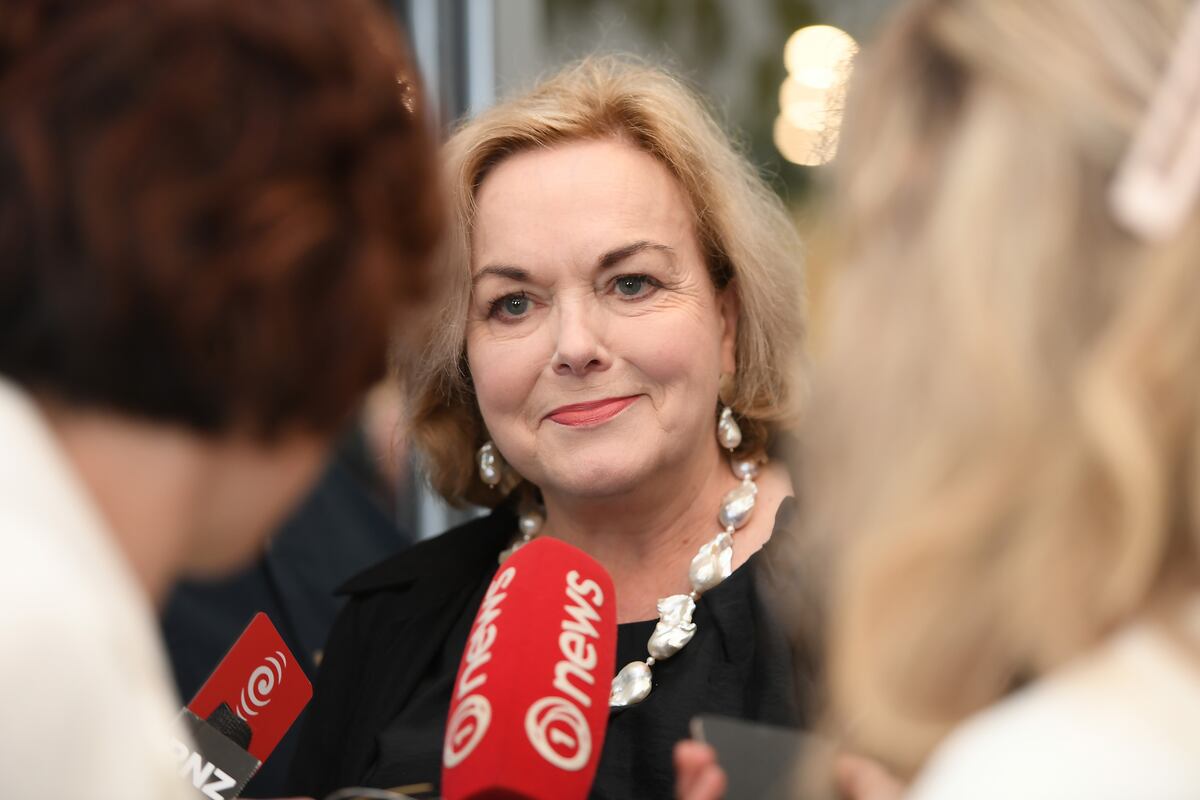
WELLINGTON, New Zealand — New Zealand’s new defense minister has a lot on her plate.
The government appointed Judith Collins to the role in October. She’s also the attorney general; the minister for the Government Communications Security Bureau; the minister in charge of digitizing the government; the minister of the Security Intelligence Service; the minister of science, innovation and technology; and the minister of space.
The New Zealand Defence Force’s briefing to the new minister noted the country faces a “challenging strategic environment” not seen for decades, adding that climate change is “of increasing concern.”
While the briefing explained the military is energized by newly acquired equipment , it also cautioned personnel could feel overwhelmed, given they are charged with maintaining the existing inventory while adopting more materiel.
Furthermore, the force has been experiencing retention and recruitment issues . While deployments are “a key motivator for our people,” the diminishing number of qualified and experienced people called upon to deploy is problematic, the briefing noted. “Although recruitment of new personnel continues, unlike civilian staff, uniformed personnel cannot be recruited from the general labor market, as their skills take years to acquire and that training occurs inside the force.”
Defense News put these concerns and more to the minister in a Feb. 8 interview, which was edited for length and clarity.
The previous government released a defense policy and strategy document in August 2023. What do you think of it?
The defense strategy released last year reflected the changing strategic environment and the need to update New Zealand’s policy settings to a more proactive and deliberate approach to security and defense. That geopolitical tension has, if anything, increased since its release.
When will the next defense whitepaper arrive?
Work is underway on a Defence Capability Plan, which will signal the government’s future investment intentions for defense.
What are your priorities for defense and the three armed services?
Retention, interoperability, innovation and international partnerships are my priorities for defense. This includes giving our personnel more opportunities to do what they signed up for and looking at how we can do things differently.
We must take every opportunity to engage with our international partners so we can further our national interests and ensure the New Zealand perspective is heard. We must also listen so we can contribute meaningfully, and be open to new opportunities where they align with our interests.
To what do you attribute the shortage of recruits and the high attrition in the New Zealand Defence Force?
There are several drivers behind the high attrition rates at NZDF, including remuneration, a strong labor market and highly skilled defense personnel being in demand. The NZDF is working on a number of initiatives to address attrition issues. As of late December 2023, the overall regular force’s attrition rate — across all three services — was 11.9%, down from 15.6% 10 months earlier.
In mid-2023, Air Marshal Kevin Short, the chief of the NZDF, told Defense News that the war in Ukraine has emphasized the importance of the military’s supply chain. He said the force would “look at its ‘just in time’ approach, and adjust to a ‘just in case’ approach.” With the demand for ammunition soaring, has New Zealand had to wait longer than usual for ammo, particularly as the country modifies its acquisition approach?
The NZDF is experiencing longer ammunition and explosive procurement lead times than historically normal, but it is wrong to say it has moved from “just in time” to “just in case” ordering. The NZDF orders ammunition to meet stockholdings that support training and force generation, as well as to maintain stockholdings necessary to meet contingencies.
New Zealand is a nation of islands, yet the Navy is the least funded and staffed of the services. Why is that? Will this change?
The NZDF is funded and equipped based on the priorities of the government of the day and continues to serve at the direction of the government of the day, with the equipment and staffing it has available.
Boat training takes place with this rigid hulled inflatable boat. (New Zealand Defence Force)
Work on future opportunities for the maritime fleet began last year, with market research being undertaken and 49 responses received. The next stage will be advice to the government on next steps for future investment intentions for defense, and I look forward to sharing more details at that stage.
The second pillar of AUKUS — the defense cooperation agreement between Australia, the U.K. and the U.S. — could benefit New Zealand’s defense industry and military. Talk about that potential opportunity.
We are actively looking for ways in which New Zealand can participate in AUKUS’ second pillar, as discussed at the Australia-New Zealand Ministerial Consultations 2+2 meeting in early February between the foreign affairs and defense ministers of both New Zealand and Australia.
Australian Defence Minister Richard Marles, left, and New Zealand Defence Minister Judith Collins attend a press conference in Melbourne, Australia, on Feb. 1, 2024. (Australian Broadcasting Corp. via AP)
Australian officials will visit New Zealand as soon as possible to discuss opportunities for New Zealand to join, and in what areas we can add value. I expect it will be in technology and space, which are both areas that offer opportunities to New Zealand businesses and scientists. We expect to take a formal decision on participation at some point this year as details emerge.
We do expect that the second pillar could create potential openings for collaboration with the New Zealand’s defense industry and adjacent technology companies. Collaboration between Australia’s and New Zealand’s defense industries is something we actively encourage, and we are always looking for ways to reduce barriers.
Will New Zealand establish a space command?
There are no current plans for a space command under New Zealand’s joint forces. The development of a Defence Capability Plan currently underway will consider investment options, including options for space, against the government’s priorities, policy settings and financial considerations.
What more might New Zealand do to support Ukraine as it fights off a Russian invasion?
New Zealand continues to stand with Ukraine in complete solidarity for its sovereignty and territorial integrity. New Zealand’s support to Ukraine’s self-defense since Russia’s invasion has included economic, diplomatic and military elements. As part of this ongoing support, NZDF deployments that provide support and training to Ukraine are continuing.
Several European military leaders have warned their citizens about a potential war with Russia. Do you envisage issuing a similar alert?
Comments made domestically by other countries are a matter for them, and I do not have a comment to make on these.
Nick Lee-Frampton is the New Zealand correspondent for Defense News.
新西兰惠灵顿——新西兰新任国防部长面临着诸多挑战。
政府于10月任命朱迪思·柯林斯担任该职务。她同时还担任司法部长、政府通信安全局部长、政府数字化部长、安全情报局部长、科学、创新和技术部长以及太空部长。
新西兰国防军向新任部长汇报情况时指出,该国面临着几十年来前所未有的“充满挑战的战略环境”,并补充说,气候变化“日益令人担忧”。
简报解释说,新购置的装备让军队士气大振,但也提醒人员,由于他们既要维护现有库存,又要接收更多物资,可能会感到不堪重负。
此外,该部队还面临着人员留任和招募问题。简报指出,虽然部署是“激励我们官兵的重要因素”,但合格且经验丰富的部署人员数量不断减少,这构成了一个问题。“尽管新人员的招募仍在继续,但与文职人员不同,制服人员无法从普通劳动力市场招募,因为他们的技能需要多年才能获得,而且这些训练都在部队内部进行。”
《防务新闻》在 2 月 8 日的采访中向部长提出了这些担忧以及更多其他问题,为了篇幅和清晰度,采访内容经过了编辑。
上届政府于2023年8月发布了一份国防政策和战略文件。您对此有何看法?
去年发布的国防战略反映了不断变化的战略环境,以及新西兰需要更新其政策设置,采取更加积极主动和审慎的安全和国防方针。然而,自该战略发布以来,地缘政治紧张局势反而加剧了。
下一份国防白皮书何时发布?
国防能力计划正在制定中,该计划将表明政府未来在国防领域的投资意向。
您认为国防和三军的发展重点是什么?
留住人才、提升互操作性、推动创新以及建立国际伙伴关系是我在国防方面的工作重点。这包括为我们的官兵提供更多机会,让他们能够履行当初选择这份工作的意义,并探索如何以不同的方式开展工作。
我们必须抓住一切机会与国际伙伴互动,以增进国家利益,并确保新西兰的声音被听到。我们也必须认真倾听,以便做出有意义的贡献,并对符合我们利益的新机遇保持开放态度。
您认为造成新西兰国防军新兵短缺和高流失率的原因是什么?
新西兰国防军高流失率的背后有多种因素,包括薪酬待遇、强劲的劳动力市场以及对高技能国防人才的需求。新西兰国防军正在推行多项举措以解决人员流失问题。截至2023年12月底,新西兰国防军所有三个军种的总体流失率为11.9%,低于10个月前的15.6%。
2023年年中,新西兰国防军总司令凯文·肖特空军元帅告诉《防务新闻》,乌克兰战争凸显了军队供应链的重要性。他表示,部队将“审视其‘即时供应’模式,并调整为‘以防万一’模式”。随着弹药需求飙升,新西兰是否不得不比以往等待更长时间才能获得弹药,尤其是在该国调整采购方式的情况下?
新西兰国防军的弹药和爆炸物采购周期确实比以往更长,但说它已经从“即时采购”转变为“以防万一”的订购方式是不准确的。新西兰国防军订购弹药是为了满足训练和部队组建所需的库存,以及维持应对突发事件所需的库存。
新西兰是一个岛国,但海军却是所有军种中经费和人员配备最少的。这是为什么?这种情况会改变吗?
新西兰国防军的资金和装备是根据当届政府的优先事项而定的,并继续按照当届政府的指示,利用现有的装备和人员提供服务。
艇上训练使用的是这种硬壳充气艇。(新西兰国防军)
去年,我们启动了关于未来海上舰队发展机遇的研究工作,开展了市场调研并收到了49份回复。下一步,我们将就未来国防投资意向向政府提供建议,届时我期待与大家分享更多细节。
AUKUS协议的第二大支柱——澳大利亚、英国和美国之间的防务合作协议——可能会使新西兰的国防工业和军队受益。谈谈这个潜在的机遇吧。
我们正在积极寻找新西兰可以参与 AUKUS 第二支柱的方式,正如 2 月初新西兰和澳大利亚外交部长和国防部长在澳新部长级磋商 2+2 会议上讨论的那样。
2024年2月1日,澳大利亚国防部长理查德·马尔斯(左)和新西兰国防部长朱迪思·柯林斯在澳大利亚墨尔本出席新闻发布会。(澳大利亚广播公司通过美联社发布)
澳大利亚官员将尽快访问新西兰,探讨新西兰加入该组织的机会,以及我们可以在哪些领域发挥价值。我预计主要集中在科技和航天领域,这两个领域都为新西兰企业和科学家提供了机遇。随着细节的逐步明朗,我们预计将在今年某个时候正式决定是否参与。
我们预计第二支柱将为与新西兰国防工业及相关科技公司开展合作创造潜在机遇。我们积极鼓励澳大利亚和新西兰国防工业之间的合作,并始终致力于消除合作壁垒。
新西兰会建立太空司令部吗?
目前新西兰联合部队尚无设立太空司令部的计划。正在制定的国防能力计划将根据政府的优先事项、政策设定和财政考量,考虑包括太空领域在内的各项投资方案。
新西兰还能为支持乌克兰抵御俄罗斯入侵做些什么?
新西兰始终与乌克兰站在一起,全力维护乌克兰的主权和领土完整。自俄罗斯入侵以来,新西兰对乌克兰自卫的支持涵盖经济、外交和军事等多个方面。作为持续支持的一部分,新西兰国防军将继续向乌克兰部署兵力,提供支持和训练。
多位欧洲军事领导人已就可能与俄罗斯爆发战争向本国公民发出警告。您是否也计划发布类似的警报?
其他国家在国内发表的评论是他们自己的事,我对此不予置评。
Nick Lee-Frampton 是《国防新闻》驻新西兰记者。