Saudi crown prince sought US military help with Houthis, sources say消息人士称,沙特王储曾寻求美国军事援助以对抗胡塞武装。
Saudi Crown Prince Mohammed bin Salman reportedly sought assistance from President Donald Trump on Thursday to help fight Yemen’s Iran-aligned Houthis.
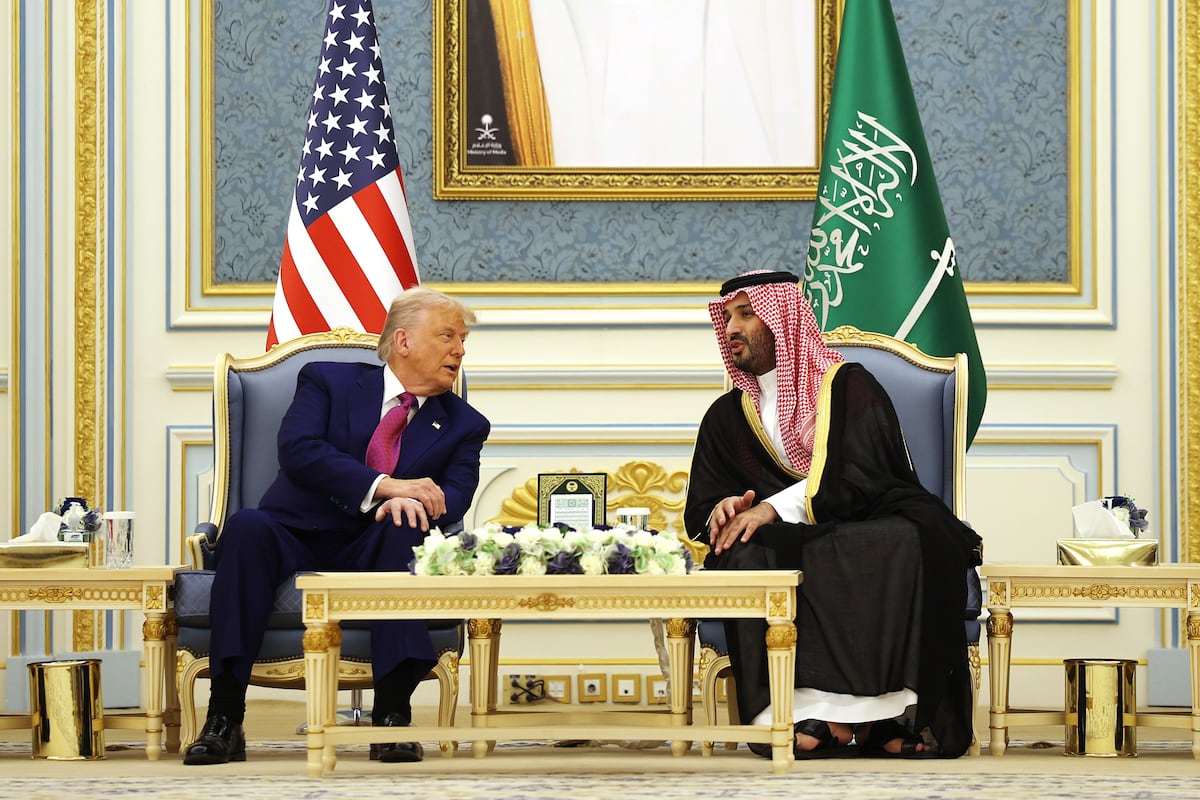
Saudi Crown Prince Mohammed bin Salman sought assistance from U.S. President Donald Trump on Thursday to help fight Yemen’s Iran-aligned Houthis, two sources familiar with the matter said on Friday, as the Houthis stepped up their threat to the Red Sea.
Trump held at least two phone conversations with the Saudi leader on Thursday, sources said. In the end, Washington told Riyadh that it was not willing to take direct military action for now but would help with intelligence sharing and targeting, the two sources said.
The White House did not address a Reuters question on any phone calls between the two leaders, but a senior administration official speaking on the condition of anonymity said Washington was in continuous dialogue with Saudi Arabia and the Yemeni government.
“The United States is focused on protecting our core national security interests — such as ensuring freedom of navigation in the Red Sea — while empowering our regional partners to take the lead in managing and resolving regional security challenges,” the official said.
The Saudi government media office did not immediately respond to a request for comment on the phone calls and conversations between the two leaders.
Adm. Brad Cooper, commander of U.S. Central Command, traveled to Saudi Arabia on Thursday for talks, two sources said.
News of the request to Trump was first reported by Axios.
SAUDI APPEAL MARKS CHANGE OF APPROACH
The U.S. war with Iran has entered its seventh month with no immediate end in sight. The war has driven up prices of global oil and U.S. gasoline, sending Trump’s approval ratings to a record low before the November midterm elections.
Houthi control of the Red Sea’s Bab el-Mandeb Strait, which is on the opposite side of the Arabian Peninsula from the Strait of Hormuz, could give their backer Iran a critical advantage in its war with the U.S., reducing supplies through a second major transit corridor and sending oil prices surging.
Saudi Arabia, the world’s largest oil exporter, has relied on the Red Sea route since the Iran conflict effectively closed Hormuz, through which a fifth of global oil used to flow.
The escalation dates back to early July, when the Houthis said their forces confronted Saudi “warplanes” that were attempting to prevent an Iranian civilian aircraft from landing at Sanaa International Airport.
But back then, Saudi Arabia told the United States that it could fight the Houthis on its own and emphasized to Washington that the war should not escalate. Saudi officials urged their U.S. counterparts to increase economic pressure on Iran.
The U.S. and Israel attacked Iran on Feb. 28, and Iran responded with its own strikes on Israel and Gulf states that host U.S. bases. U.S.-Israeli strikes on Iran and Israeli attacks on Lebanon have killed thousands and displaced millions.
据两名知情人士周五透露,沙特王储穆罕默德·本·萨勒曼周四向美国总统唐纳德·特朗普寻求帮助,以打击也门与伊朗结盟的胡塞武装。与此同时,胡塞武装加大了对红海地区的威胁。
消息人士称,特朗普周四至少与沙特领导人通了两次电话。两位消息人士表示,最终华盛顿方面告诉利雅得,目前不愿采取直接军事行动,但愿意在情报共享和目标定位方面提供帮助。
白宫没有回应路透社关于两位领导人之间是否有任何通话的提问,但一位不愿透露姓名的高级政府官员表示,华盛顿正与沙特阿拉伯和也门政府保持持续对话。
这位官员表示:“美国致力于保护我们的核心国家安全利益,例如确保红海的航行自由,同时赋能我们的区域伙伴,使其在管理和解决区域安全挑战方面发挥领导作用。”
沙特政府媒体办公室尚未就两位领导人之间的通话和谈话作出回应。
两名消息人士称,美国中央司令部司令布拉德·库珀海军上将周四前往沙特阿拉伯进行会谈。
Axios 最先报道了向特朗普提出这一请求的消息。
沙特上诉标志着策略的改变
美国与伊朗的战争已进入第七个月,短期内仍看不到结束的迹象。这场战争推高了全球石油和美国汽油价格,导致特朗普的支持率在11月中期选举前跌至历史新低。
胡塞武装控制了位于阿拉伯半岛另一侧(与霍尔木兹海峡相对)的红海曼德海峡,这可能会使其支持者伊朗在与美国的战争中获得关键优势,减少通过第二条主要过境通道的物资供应,并导致油价飙升。
沙特阿拉伯是世界上最大的石油出口国,自伊朗冲突导致霍尔木兹海峡航线关闭以来,该国一直依赖红海航线。过去,全球五分之一的石油都是通过霍尔木兹海峡运输的。
冲突升级可以追溯到 7 月初,当时胡塞武装称他们的部队与试图阻止伊朗民用飞机在萨那国际机场降落的沙特“战机”发生了冲突。
但当时,沙特阿拉伯告诉美国,它有能力独自对抗胡塞武装,并向华盛顿强调战争不应升级。沙特官员敦促美国方面加大对伊朗的经济压力。
2月28日,美国和以色列袭击了伊朗,伊朗随即对以色列和设有美军基地的海湾国家发动了报复性空袭。美以对伊朗的空袭以及以色列对黎巴嫩的袭击已造成数千人死亡,数百万人流离失所。