Philippines tries to claw back money after canceling Russian helicopter deal菲律宾试图追回取消俄罗斯直升机交易后的款项
Transport helicopters are a vital component of the Philippine military; the country is an archipelagic nation made up of more than 7,000 islands and is beset with natural disasters and ongoing insurgencies.
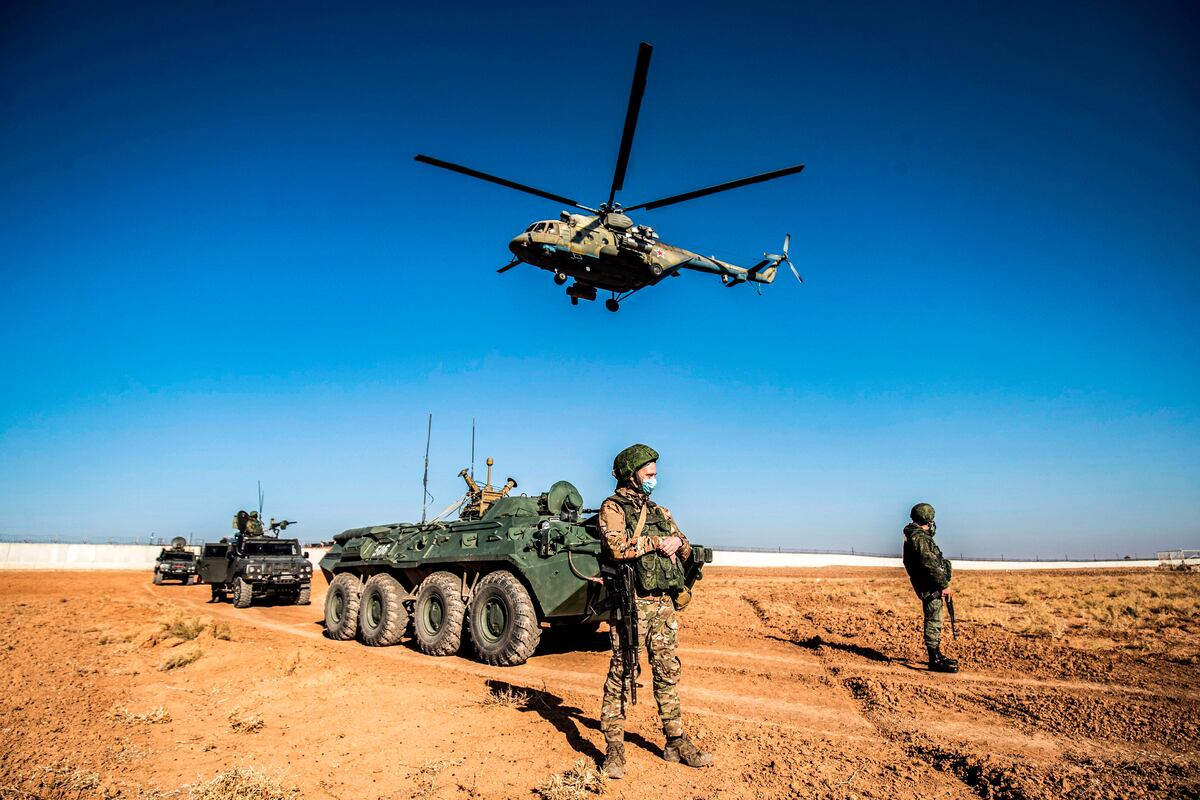
MELBOURNE, Australia — The Philippines has confirmed it is in the process of canceling a contract to acquire Russian-built transport helicopters, citing changes in priorities brought on by world events.
National Defense Department spokesman Arsenio Andolong said in a statement carried by the Philippines’ national news agency that the government is currently formalizing the termination of the contract with Russia’s Sovtechnoexport for 16 Mi-17 helicopters.
“We are also preparing to initiate a diplomatic dialogue with the Russian side regarding matters arising from the project’s cancellation,” Andolong said, adding cryptically that “changes in priorities necessitated by global political developments resulted in the cancellation of the project by the previous administration.”
He also said efforts are being made to retrieve the $48.2 million down payment for the helicopters made in January.
Philippine Defense Secretary Delfin Lorenzana previously told The Associated Press that the government was canceling the $322.3 million deal due to concerns over potential U.S. sanctions. He also said the decision was approved by then-President Rodrigo Duterte, whose administration had signed the contract for the helicopters in November 2021.
The Philippines insisted as recently as March 2022 that the procurement would go ahead despite the ongoing Russian invasion of Ukraine , which began Feb. 24.
Those buying Russian arms could be hit with sanctions under the U.S. law Countering America’s Adversaries Through Sanctions Act. The law was passed in 2017 and is meant to discourage governments or entities from acquiring weapons as well as military hardware and parts from American adversaries like Iran, North Korea and Russia.
Without the Mi-17s, the Philippines would be left with an outstanding requirement for heavy transport helicopters. The Mi-17 was chosen because of its relatively spacious cabin as well as its rear ramp or clamshell doors (depending on the variant).
Transport helicopters are a vital component of the Philippine military; the country is an archipelagic nation made up of more than 7,000 islands and is beset with natural disasters and ongoing insurgencies. Its existing fleet of transport helicopters are often engaged in relief operations or transporting troops and equipment.
The Mi-17 has similar payload capabilities to several Western transport helicopter types, but its price was a draw for the Philippines, with the country seeking to modernize its aging and modest military in the face of a tight budget.
Mike Yeo is the Asia correspondent for Defense News.
澳大利亚墨尔本——菲律宾已证实,由于世界局势的变化,该国正在取消一项购买俄罗斯制造的运输直升机的合同。
菲律宾国防部发言人阿塞尼奥·安多隆在菲律宾国家通讯社发表的一份声明中表示,政府目前正在正式终止与俄罗斯苏维埃技术出口公司签订的16架米-17直升机的合同。
安多隆表示:“我们也正准备与俄方就该项目取消引发的问题展开外交对话。”他意味深长地补充道:“由于全球政治发展导致优先事项发生变化,上届政府取消了该项目。”
他还表示,正在努力追回1月份支付的4820万美元直升机首付款。
菲律宾国防部长德尔芬·洛伦扎纳此前告诉美联社,政府取消这笔价值3.223亿美元的交易是由于担心美国可能实施制裁。他还表示,该决定已获得时任总统罗德里戈·杜特尔特的批准,杜特尔特政府于2021年11月签署了这批直升机的合同。
菲律宾直到 2022 年 3 月仍然坚持,尽管俄罗斯入侵乌克兰(始于 2 月 24 日),采购仍将继续进行。
购买俄罗斯武器者可能根据美国《以制裁反击美国对手法案》受到制裁。该法案于2017年通过,旨在阻止各国政府或实体从伊朗、朝鲜和俄罗斯等美国对手处获取武器、军事装备和零部件。
如果没有米-17直升机,菲律宾将面临严重的重型运输直升机短缺问题。选择米-17的原因在于其相对宽敞的座舱以及后部坡道或蚌壳式舱门(取决于型号)。
运输直升机是菲律宾军队的重要组成部分;菲律宾是一个由7000多个岛屿组成的群岛国家,饱受自然灾害和持续不断的叛乱之苦。其现有的运输直升机机队经常参与救援行动或运送部队和装备。
米-17 的有效载荷能力与几种西方运输直升机类似,但其价格对菲律宾来说很有吸引力,因为该国在预算紧张的情况下,正寻求对其老旧且规模较小的军队进行现代化改造。
Mike Yeo 是《防务新闻》的亚洲通讯员。