‘How many days has it been?’: A Nepali survivor’s first words after surfacing from flooded tunnel“已经过去多少天了?”:一名尼泊尔幸存者从被洪水淹没的隧道中浮出水面后说的第一句话
SAPTARI Sept 13 — For 10 days, Nepali hydropower worker Sanjay Sah survived in darkness inside a flooded tunnel, drinking muddy water and losing all sense of time as he...
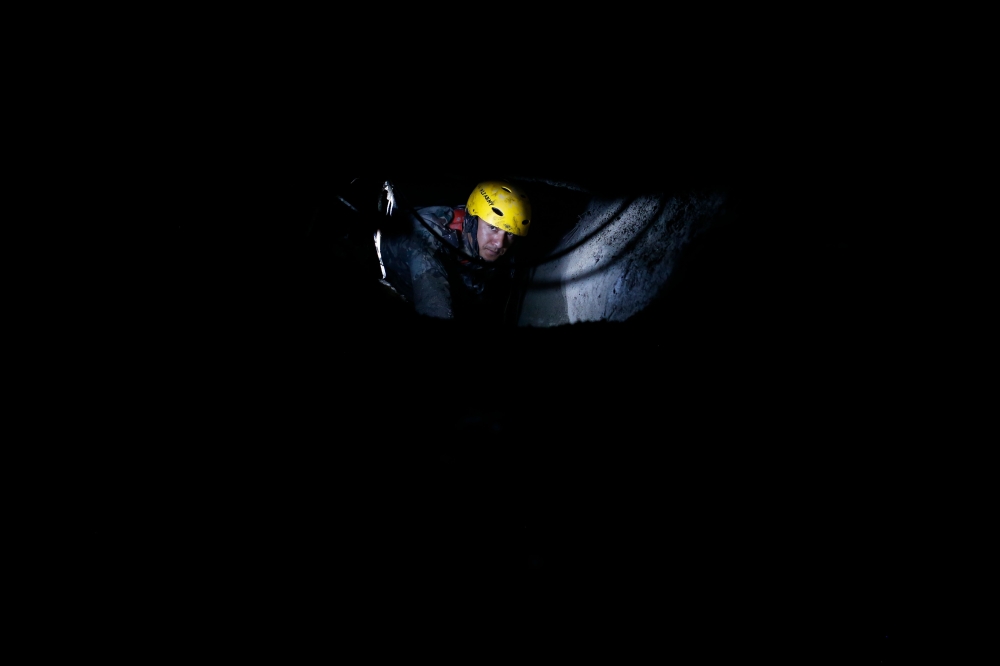
Nepali hydropower worker Sanjay Sah survived 10 days trapped in a flooded tunnel after a catastrophic flood on August 26, caused by a glacial collapse on the China-Nepal border, which killed over 1,429 people.
Sah's survival, attributed to his faith and resourcefulness, provided a glimmer of hope amid the disaster, although many victims remain unaccounted for.
Despite being disoriented and subsisting on muddy water, Sah was eventually rescued, urging ongoing search efforts to recover any remaining survivors or victims.
His experience highlights the severe impact of climate change on the region's glacial landscapes.
SAPTARI Sept 13 — For 10 days, Nepali hydropower worker Sanjay Sah survived in darkness inside a flooded tunnel, drinking muddy water and losing all sense of time as he desperately prayed for rescue.
When a disaster response team finally pulled him to safety on September 4, Sah’s first question showed how deeply the ordeal had disoriented him.
“When I was rescued I first asked, how many days has it been?” Sah, 30, told AFP in an interview, while on his way back home in Saptari district Sunday.
“He said that it has been 10 days. I thought it had been just a few days.”
Sah was among hundreds of workers at a series of hydropower projects hit by the catastrophic August 26 flood, triggered by a glacial mountain collapse on the China-Nepal border.
Sah’s extraordinary survival was a rare ray of hope after a disaster that killed at least 1,429 people and left more than 5,640 missing, the majority in Nepal.
Struggling to hold back tears as friends and family welcomed him with garlands and a cake, Sah recalled how the disaster struck with stunning speed.
“I was on duty, and then suddenly an unthinkable flood hit us, with tsunami-like waves that were several metres tall,” he said.
Workers had received warnings that floodwaters were approaching, but did not get enough time to escape, he said.
“We did get information to stay alert, that a big flood is coming. As much as possible, we tried to be alert and evacuate our friends,” Sah said.
“But the water did not give us much time... we shut down everything, and tried to rescue and evacuate our friends.”
Within minutes, however, the tunnel was engulfed by raging waters.
The sheer scale of the flood was unlike anything witnesses had seen before, with the government pointing the finger at the dire impact of rising global temperatures on Nepal’s Himalayan mountains.
Separated from his colleagues, Sah found himself stranded with little idea whether anyone would ever reach him.
His Hindu faith helped carry him through the days of darkness and isolation.
“I survived because of my deep belief and confidence,” he said.
“I was chanting Maha Mantra (Hindu prayers), and the divine energy I received because of that allowed me to not be scared or despair,” he said.
“I was able to stay there.”
With no clean water to drink, he survived on whatever he could find.
“There was water, but it was muddy,” he said. “I only had that.”
The darkness and isolation might have been overwhelming, but Sah was not entirely alone.
Another trapped worker, Kabir Maharjan, 45, had survived nearby.
“We were separated but speaking to each other.”
The ability to hear another human voice offered a lifeline to Sah.
Eventually, after days of excavation and painstaking rescue efforts, search teams broke through to the trapped men and brought them out alive.
Sah’s wife, Lakshmi Kumari Sah, said she never gave up hope of seeing her husband again.
“God has helped us, we had our hopes,” she said, holding her daughter in her arms.
Sah, who spent several days recuperating in a Kathmandu hospital, says he has mixed emotions.
“I am happy, but I feel sad too,” he said. “I was able to get a second life, to survive there. But many of our friends were there.”
As rescuers continue searching through the tunnels, Sah urged authorities not to abandon the effort.
One Chinese worker was rescued on September 5, the day after Sah — but no signs of life have been heard since.
“I hope the government continues its search and rescue. It is possible there might still be someone alive,” he said.
“Or they will be able to find bodies of friends who have passed away and hand them over to their families.” — AFP
Villages and wetlands sacrificed as Hong Kong builds vast Northern Metropolis tech hub
Laos power paradox: Booming exports to Thailand and Vietnam, but blackouts at home persist
How the Houthis went from Yemen’s fringes to controlling a global chokepoint
Malaysia’s AI Nation plan by 2030 — how the government is preparing its people
Former minister Jamil Khir to face three charges over Tabung Haji probe tomorrow
MOH assures healthcare access will continue in rural Sarawak after suspension of Flying Doctor Service
尼泊尔水电站工人桑杰·萨赫在8月26日中尼边境冰川崩塌引发的灾难性洪水中被困在被洪水淹没的隧道中10天后幸存下来,这场洪水造成1429多人死亡。
萨赫凭借他的信仰和机智得以幸存,这在灾难中带来了一线希望,尽管许多遇难者仍然下落不明。
尽管萨赫神志不清,只能靠泥水维持生命,但他最终还是获救了,这促使人们继续进行搜救工作,以找到任何剩余的幸存者或遇难者。
他的经历凸显了气候变化对该地区冰川地貌的严重影响。
萨普塔里 9 月 13 日讯——尼泊尔水电站工人桑杰·萨赫在被洪水淹没的隧道中度过了 10 天的黑暗时光,他只能喝泥水,失去了时间的概念,拼命祈祷救援。
9 月 4 日,当灾难救援队最终将他救出时,萨赫提出的第一个问题表明,这场磨难让他多么迷失方向。
“我获救后第一个问题就是,已经过去多少天了?”30岁的萨赫周日在萨普塔里区回家的路上接受法新社采访时说道。
他说已经过了10天了。我以为才过了几天。
萨赫是受8月26日灾难性洪水袭击的数百名水电项目工人之一,这场洪水是由中国-尼泊尔边境冰川山体崩塌引发的。
萨赫的奇迹生还,在造成至少 1429 人死亡、5640 多人失踪(其中大部分在尼泊尔)的灾难之后,犹如一缕罕见的希望之光。
朋友和家人用花环和蛋糕迎接他时,萨赫强忍着泪水,回忆起这场灾难是如何以惊人的速度发生的。
“我当时正在值班,突然间,一场难以想象的洪水袭击了我们,伴随着数米高的海啸般的巨浪,”他说。
他说,工人们曾收到洪水逼近的警告,但没有足够的时间逃生。
“我们确实收到了要保持警惕的信息,说会有大洪水来袭。我们尽可能地保持警惕,并疏散了我们的朋友们,”萨赫说。
“但是洪水没给我们多少时间……我们关闭了所有设施,并试图营救和疏散我们的朋友们。”
然而,仅仅几分钟后,隧道就被汹涌的洪水淹没了。
这场洪水的规模之大,是目击者前所未见的,政府将矛头指向了全球气温上升对尼泊尔喜马拉雅山脉造成的严重影响。
与同事失散后,萨赫发现自己被困住了,不知道是否会有人能找到他。
他的印度教信仰帮助他度过了黑暗和孤独的日子。
他说:“我之所以能活下来,是因为我内心深处的信念和自信。”
他说:“我当时在念诵摩诃曼陀罗(印度教祈祷文),因此我获得了神圣的能量,使我不再感到害怕或绝望。”
“我得以留在那里。”
由于没有干净的饮用水,他只能靠找到的任何食物生存下去。
“有水,但是很浑浊,”他说。“我只有这些水。”
黑暗和孤寂或许令人难以承受,但萨赫并非完全孤身一人。
另一名被困工人,45岁的卡比尔·马哈尔詹,在附近幸存了下来。
“我们虽然分隔两地,但一直保持联系。”
听到另一个人的声音对萨赫来说是一种生命线。
最终,经过数天的挖掘和艰苦卓绝的救援工作,搜救队突破了障碍,找到了被困人员并将他们活着救了出来。
萨赫的妻子拉克什米·库马里·萨赫说,她从未放弃过再次见到丈夫的希望。
“上帝帮助了我们,我们曾抱有希望,”她抱着女儿说道。
在加德满都一家医院休养了几天后,萨赫表示他心情复杂。
“我既高兴又难过,”他说。“我获得了第二次生命,在那里活了下来。但我们的很多朋友也在那里。”
救援人员继续在隧道内搜寻,萨赫敦促当局不要放弃搜寻工作。
9月5日,也就是萨赫获救的第二天,一名中国工人获救——但此后就再也没有听到任何生命迹象。
“我希望政府继续搜救工作。或许还有幸存者,”他说。
“或者他们能够找到已故朋友的遗体,并将其交给家属。”——法新社
香港为建设庞大的北部都会区科技中心,牺牲了村庄和湿地。
老挝电力悖论:对泰国和越南的出口蓬勃发展,但国内停电问题依然存在。
胡塞武装如何从也门边缘崛起,最终控制全球咽喉要道
马来西亚2030年人工智能国家计划——政府如何为人民做好准备
前部长贾米尔·希尔明日将因朝圣基金局调查面临三项指控。
卫生部保证,在飞行医生服务暂停后,砂拉越农村地区的医疗保健服务仍将继续提供。