Iran issues warning to Gulf states: US must desist or you’ll be hit hard伊朗向海湾国家发出警告:美国必须停止这种行为,否则将遭受重创。
Iran has made a concerted push with Gulf states, warning them explicitly that Tehran will hit their oil, power and water plants unless U.S. strikes end.
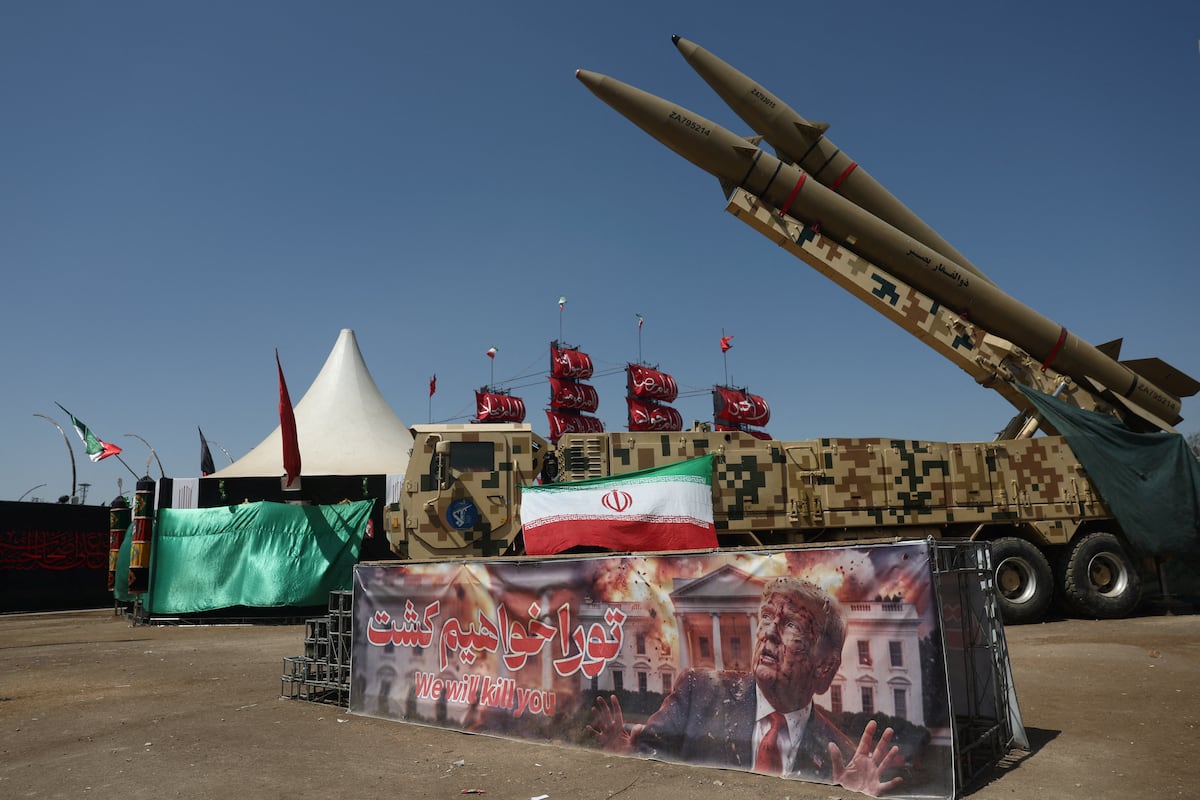
Iran has made a concerted diplomatic push with Gulf states, warning them explicitly that Tehran will hit their oil, power and water plants unless they persuade Donald Trump to end U.S. strikes on Iran and instead seek a negotiated end to the war .
The warning envisaged attacks on the energy facilities, oil fields, refineries, electricity grids, water infrastructure, transport networks and other strategic assets of Washington’s closest Arab allies, according to a senior Iranian official.
The message, part of a broader Iranian effort to deter further U.S. military action by raising the prospect of severe economic disruption across the Gulf, was delivered through a flurry of high-level diplomatic contacts after Trump threatened on July 28 to strike Iran’s energy network and infrastructure, the sources said.
Two senior Iranian officials, two Gulf sources and a senior regional diplomat with knowledge of the discussions said Iranian Foreign Minister Abbas Araqchi spoke with his Saudi, Turkish and Qatari counterparts, as well as Pakistan’s army chief. All spoke on condition of anonymity because of the sensitivity of the matter.
Araqchi urged Washington’s Gulf allies to use their influence with Trump to dissuade him from launching renewed strikes, the senior diplomat said, warning that any attack on Iran would prompt retaliation against U.S. assets and critical infrastructure across the Gulf.
His message was consistent in every conversation, the diplomat said: “We’re ready to retaliate, but finding a diplomatic solution is the best way to avoid wider escalation and destruction across the region.”
“The Iranian warning was unequivocal: if America targeted Iran’s infrastructure, they would retaliate by striking Gulf energy facilities and other regional targets,” one Gulf source said.
The diplomatic campaign underscores how Iran is seeking to turn Gulf vulnerability into leverage, confronting regional governments with the prospect that any renewed U.S.-Iran confrontation could place the infrastructure underpinning their economies directly in the firing line.
Saudi Crown Prince Mohammed bin Salman subsequently spoke with Trump, urging him to delay military action, return to negotiations, secure a ceasefire and pursue a diplomatic settlement, the senior diplomat and Gulf sources said.
The warning was intended for every Gulf state, another Gulf source said, but was conveyed primarily through Saudi Arabia and Qatar. In recent years, Iran has repaired ties with its Gulf neighbours, including its former regional rival, Saudi Arabia.
Qatar, Oman and Saudi Arabia have all urged Washington to resume talks with Tehran and avert renewed conflict amid Iranian warnings that another round of U.S. strikes could “turn the region into a fireball,” the second Iranian official said.
On Aug. 2, Trump said he agreed to cancel the attack on Iran “subject to being able to rapidly make a deal”.
“Saudi Arabia believes further escalation will only bring more destruction,” the first Gulf source said. “That is why it urged Trump to give diplomacy a chance.”
While urging Washington to pursue diplomacy, Riyadh also made clear it would defend itself if threatened. The second Gulf source said Saudi Arabia warned that any attack on its territory would be met with a military response.
Ali Shihabi, a Saudi analyst close to the Royal Court, said the kingdom’s assessment is that further escalation is unlikely to achieve the desired result.
“The Kingdom believes a combination of proportionate military responses and sustained pressure on Iran in the Strait of Hormuz offers the strongest path toward a practical diplomatic settlement,” Shihabi said.
Iran’s clerical leadership has repeatedly demanded the closure of U.S. military bases in the Gulf and called on Gulf Arab states to stop sharing intelligence with Washington, which Tehran believes has been used to facilitate attacks against it.
“They still remember Saudi Arabia’s Aramco,” he added, referring to the September 2019 drone and missile attacks on the Abqaiq and Khurais facilities that temporarily knocked out more than half the kingdom’s crude oil production and exposed the vulnerability of Gulf energy infrastructure.
“The enemy continues to threaten Iranian infrastructure. If Iran suffers damage, it will inflict far greater damage in return,” added the Iranian official who cited the target list including power grids and refineries.
From Tehran’s perspective, Trump now faces two unpalatable choices, the senior Iranian official said: escalate a conflict that could engulf the Gulf and disrupt global energy supplies, or accept a negotiated outcome that falls short of the decisive victory Washington seeks.
One of the principal obstacles to an agreement, the senior regional diplomat said, is Washington’s reluctance to allow Tehran to emerge claiming victory.
“The United States wants something it can present as proof that it won the war,” the diplomat said.
伊朗已向海湾国家发起了一场协调一致的外交攻势,明确警告他们,除非他们说服唐纳德·特朗普停止美国对伊朗的打击,转而寻求通过谈判结束战争,否则德黑兰将袭击他们的石油、电力和水厂。
据一位伊朗高级官员称,该警告设想对华盛顿最亲密的阿拉伯盟友的能源设施、油田、炼油厂、电网、水利基础设施、交通网络和其他战略资产发动袭击。
消息人士称,这一信息是伊朗为阻止美国进一步采取军事行动而采取的更广泛努力的一部分,其目的是通过提高海湾地区经济严重混乱的可能性来达到目的。此前,特朗普于7月28日威胁要打击伊朗的能源网络和基础设施,伊朗随后通过一系列高级别外交接触传递了这一信息。
两名伊朗高级官员、两名海湾地区消息人士和一名了解会谈情况的地区高级外交官表示,伊朗外交部长阿巴斯·阿拉格奇分别与沙特阿拉伯、土耳其和卡塔尔外长以及巴基斯坦陆军参谋长进行了通话。由于事关敏感,所有受访者均要求匿名。
这位高级外交官表示,阿拉格奇敦促华盛顿的海湾盟友利用他们对特朗普的影响力,劝阻他不要再次发动袭击,并警告说,任何对伊朗的袭击都将引发对美国在海湾地区的资产和关键基础设施的报复。
这位外交官说,他在每次谈话中都传达了同样的信息:“我们准备进行报复,但找到外交解决方案才是避免局势进一步升级和整个地区遭受更大破坏的最佳途径。”
一位海湾消息人士称:“伊朗的警告很明确:如果美国袭击伊朗的基础设施,他们将通过打击海湾地区的能源设施和其他地区目标进行报复。”
这场外交攻势凸显了伊朗如何试图将海湾地区的脆弱性转化为筹码,使该地区各国政府面临这样的前景:任何美伊冲突的再次爆发都可能使支撑其经济的基础设施直接受到威胁。
据一位高级外交官和海湾消息人士透露,沙特王储穆罕默德·本·萨勒曼随后与特朗普通话,敦促他推迟军事行动,重返谈判桌,确保停火并寻求外交解决。
另一位海湾消息人士称,该警告是针对所有海湾国家的,但主要通过沙特阿拉伯和卡塔尔传达。近年来,伊朗已修复了与包括其前地区竞争对手沙特阿拉伯在内的海湾邻国的关系。
第二位伊朗官员表示,卡塔尔、阿曼和沙特阿拉伯都敦促华盛顿恢复与德黑兰的对话,以避免再次发生冲突。伊朗警告称,美国再次发动空袭可能会“将该地区变成一片火海”。
8月2日,特朗普表示,他同意取消对伊朗的袭击,“前提是能够迅速达成协议”。
“沙特阿拉伯认为,局势进一步升级只会带来更大的破坏,”第一位海湾消息人士说。“这就是为什么沙特敦促特朗普给外交一个机会。”
利雅得在敦促华盛顿继续推进外交努力的同时,也明确表示,如果受到威胁,沙特将捍卫自身安全。第二位海湾消息人士称,沙特阿拉伯警告说,任何对其领土的攻击都将遭到军事回应。
与沙特王室关系密切的沙特分析师阿里·希哈比表示,沙特王国的评估是,局势进一步升级不太可能达到预期效果。
“沙特王国认为,采取相称的军事回应和对霍尔木兹海峡伊朗持续施压相结合的方式,是实现务实外交解决的最有力途径,”希哈比说。
伊朗宗教领袖多次要求关闭美国在海湾地区的军事基地,并呼吁海湾阿拉伯国家停止与华盛顿分享情报,德黑兰认为这些情报已被用来协助对伊朗的袭击。
“他们仍然记得沙特阿拉伯的阿美石油公司,”他补充道,指的是 2019 年 9 月阿布盖格和胡赖斯油田设施遭到无人机和导弹袭击,导致沙特王国一半以上的原油产量暂时中断,并暴露了海湾能源基础设施的脆弱性。
“敌人继续威胁伊朗的基础设施。如果伊朗遭受损失,必将进行更大规模的报复,”这位伊朗官员补充道,并列举了包括电网和炼油厂在内的目标清单。
这位伊朗高级官员表示,从德黑兰的角度来看,特朗普现在面临两个难以接受的选择:要么升级可能席卷海湾并扰乱全球能源供应的冲突,要么接受谈判结果,但这个结果远未达到华盛顿所寻求的决定性胜利。
这位资深地区外交官表示,达成协议的主要障碍之一是华盛顿不愿让德黑兰宣称取得胜利。
这位外交官说:“美国想要一些可以作为其赢得战争的证据。”