How North Korean forces are bolstering Russia’s war against Ukraine朝鲜军队如何加强俄罗斯对乌克兰的战争
North Korea has deployed troops, weapons and now, according to a Ukrainian intelligence official, a missile unit to support Russia’s war against Ukraine.
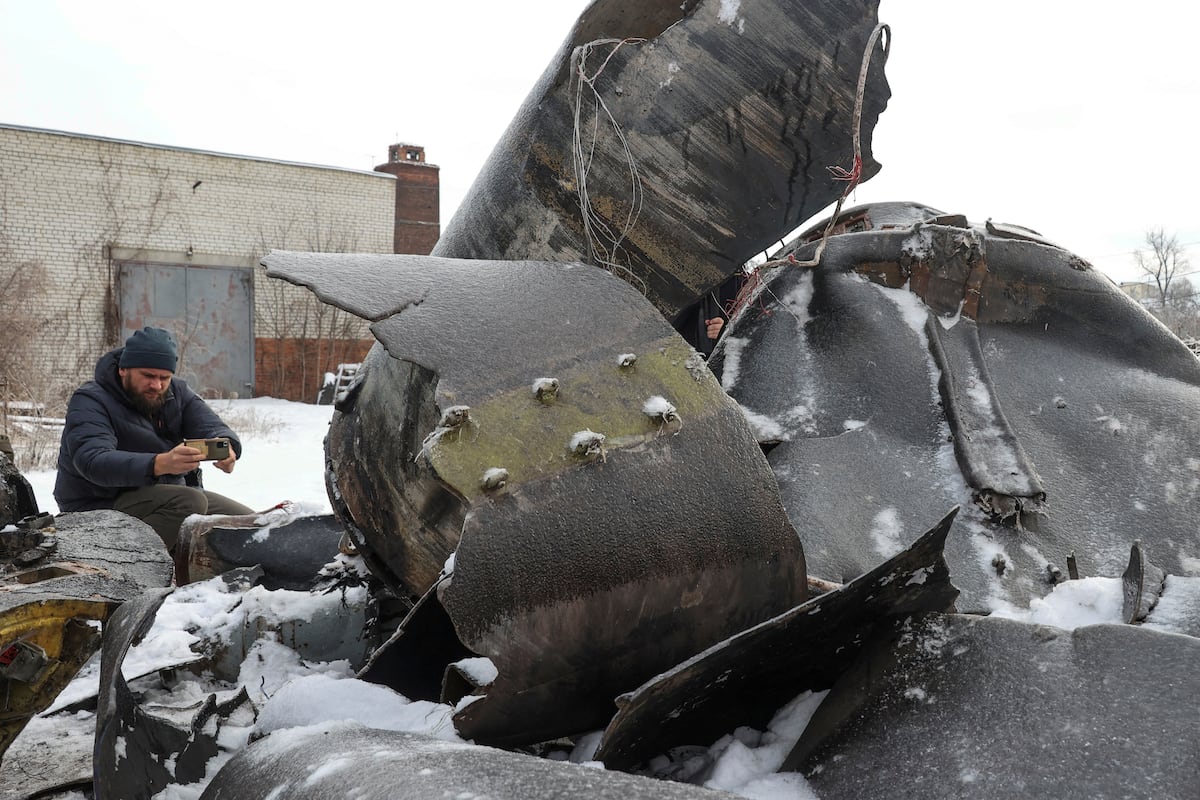
North Korea has deployed troops, weapons and now, according to a Ukrainian intelligence official, a missile unit to support Russia’s war against Ukraine , marking Pyongyang’s most significant involvement in a war since the 1950s.
Here is what is known about the growing military ties:
A North Korean missile unit has begun deploying to western Russia and could be equipped with up to 120 ballistic missiles and six launchers for attacks on Ukraine, an official at Ukraine’s GUR military intelligence agency said.
The unit comprises about 90 North Korean personnel and is expected to be based in Russia’s Voronezh region, the official said. The United States is aware of the North Korean deployment, a source familiar with the issue told Reuters.
Forty North Korean missiles have already been supplied, at least two of which were launched at Ukraine last week during a deadly strike, the Ukrainian official said.
Ukrainian President Volodymyr Zelenskyy said in July that Russia wanted to bring in 30,000 North Korean troops and was preparing facilities in Voronezh to receive them.
Reuters could not independently verify that statement.
North Korea sent around 14,000 to 15,000 soldiers to Russia’s Kursk region, according to Ukrainian and South Korean estimates, helping Moscow’s forces repel a surprise Ukrainian ground incursion.
Russia and North Korea confirmed in April 2025 that North Korean troops had fought Ukrainian forces in Kursk.
Russia’s top military commander praised their role after Moscow said it had retaken Kursk territory, while Pyongyang said the deployment was ordered by leader Kim Jong Un.
The Ukrainian official said this month that around 9,500 North Korean troops remained in Kursk, but were not directly involved in operations against Ukraine.
In June 2025, Russian Security Council Secretary Sergei Shoigu said North Korea would send 1,000 sappers and 5,000 military construction workers to Kursk to clear mines and help rebuild infrastructure damaged in the fighting.
That same month, South Korean lawmakers, citing a briefing by the National Intelligence Service, said that North Korea appeared to have begun recruiting personnel for an additional deployment to Russia, while continuing to supply Russia with artillery ammunition and missiles in exchange for economic cooperation and technical assistance.
It remains unclear how many engineers, deminers or additional troops have arrived in Russia, or whether they have been used in combat roles.
North Korea has supplied Russia with millions of artillery and mortar rounds, ballistic missiles, long-range artillery and multiple-launch rocket systems, according to Ukrainian and independent assessments.
A Reuters analysis with the British-based Open Source Centre found four Russian-flagged cargo ships made 64 voyages to North Korea’s Rajin port between September 2023 and March 2025, transporting nearly 16,000 containers of ammunition to Russian ports.
Ukrainian officials said North Korea was supplying about half of the munitions Russia needed on the front lines.
Ukraine’s military intelligence agency said that North Korea had delivered 4 million artillery shells since mid-2023, excluding mortar rounds. It said North Korea had supplied 148 KN-23 and KN-24 ballistic missiles by the start of 2025.
Russian President Vladimir Putin and North Korean leader Kim signed a comprehensive strategic partnership treaty during Putin’s June 2024 visit to Pyongyang. The pact includes a mutual assistance provision if either country faces external aggression.
North Korea has cast its deployment as assistance to a treaty partner. Kim said in May 2025 that participation in the war was justified as an exercise of North Korea’s sovereign rights in defense of a “brother nation.”
Analysts say Pyongyang stands to gain hard currency, oil and other economic support, as well as access to Russian military technology and battlefield experience for its forces and weapons.
North Korean soldiers have gained combat exposure to drones, electronic warfare, artillery coordination and modern battlefield tactics, while its missile and ammunition makers have been able to assess their equipment in wartime conditions.
The United States and its allies have said the troop deployments and arms transfers violate U.N. Security Council resolutions on North Korea.
Pyongyang has been subject to U.N. sanctions since 2006 over its nuclear weapons and ballistic missile programs. The sanctions prohibit countries from hosting North Korean trainers, advisers or other officials for military, paramilitary or police training.
Washington imposed additional sanctions in December 2024 on North Korean and Russian entities connected to Pyongyang’s military and financial support for Moscow. South Korea also blacklisted individuals and entities linked to illicit military cooperation between the two countries.
NATO has said Russia’s growing military and economic ties with North Korea, China and Iran pose a threat beyond Europe, extending to the Indo-Pacific and North America.
据乌克兰情报官员称,朝鲜已部署军队、武器,现在又部署了导弹部队,以支持俄罗斯对乌克兰的战争,这标志着平壤自 20 世纪 50 年代以来最重大地卷入战争。
以下是目前已知的有关日益密切的军事联系的信息:
乌克兰军事情报局(GUR)一名官员表示,朝鲜一支导弹部队已开始向俄罗斯西部部署,该部队可能配备多达 120 枚弹道导弹和 6 个发射装置,用于袭击乌克兰。
这位官员表示,该部队由约90名朝鲜人员组成,预计将驻扎在俄罗斯沃罗涅日州。一位知情人士告诉路透社,美国已经知晓朝鲜的这项部署。
乌克兰官员称,朝鲜已经向乌克兰提供了40枚导弹,其中至少有两枚在上周对乌克兰的致命袭击中发射。
乌克兰总统泽连斯基在7月份表示,俄罗斯希望调集3万名朝鲜士兵,并正在沃罗涅日准备接收这些士兵的设施。
路透社无法独立核实该说法。
据乌克兰和韩国估计,朝鲜向俄罗斯库尔斯克地区派遣了约 14,000 至 15,000 名士兵,帮助莫斯科军队击退了乌克兰军队的突袭。
2025年4月,俄罗斯和朝鲜证实,朝鲜军队在库尔斯克与乌克兰军队交战。
俄罗斯最高军事指挥官在莫斯科宣布收复库尔斯克地区后,对他们的作用表示赞扬;而平壤则表示,此次部署是领导人金正恩下令的。
本月,乌克兰官员表示,约有 9500 名朝鲜士兵仍驻扎在库尔斯克,但他们并未直接参与针对乌克兰的军事行动。
2025年6月,俄罗斯联邦安全会议秘书谢尔盖·绍伊古表示,朝鲜将向库尔斯克派遣1000名工兵和5000名军事建筑工人,以清除地雷并帮助重建在战斗中受损的基础设施。
同月,韩国议员援引国家情报院的简报称,朝鲜似乎已开始招募人员向俄罗斯增派兵力,同时继续向俄罗斯提供炮弹和导弹,以换取经济合作和技术援助。
目前尚不清楚有多少工程师、排雷人员或增援部队抵达俄罗斯,也不清楚他们是否已被投入战斗。
根据乌克兰和独立机构的评估,朝鲜已向俄罗斯提供了数百万发炮弹和迫击炮弹、弹道导弹、远程火炮和多管火箭炮系统。
路透社与英国开源中心联合进行的一项分析发现,2023 年 9 月至 2025 年 3 月期间,四艘悬挂俄罗斯国旗的货船 64 次航行至朝鲜罗津港,向俄罗斯港口运送了近 16,000 个弹药集装箱。
乌克兰官员表示,朝鲜向俄罗斯提供了前线所需弹药的大约一半。
乌克兰军事情报机构称,自2023年年中以来,朝鲜已向乌克兰交付了400万枚炮弹(不包括迫击炮弹)。该机构还表示,截至2025年初,朝鲜已向乌克兰提供了148枚KN-23和KN-24弹道导弹。
俄罗斯总统普京和朝鲜领导人金正恩在普京2024年6月访问平壤期间签署了全面战略伙伴关系条约。该条约包含一项互助条款,规定如果任何一方面临外部侵略,另一方将予以援助。
朝鲜将此次部署描述为对条约伙伴的援助。金正恩在2025年5月表示,参与战争是朝鲜行使主权权利保卫“兄弟国家”的正当之举。
分析人士称,平壤有望获得硬通货、石油和其他经济支持,以及俄罗斯军事技术和战场经验,用于扩充其军队和武器装备。
朝鲜士兵已经获得了无人机、电子战、炮兵协调和现代战场战术方面的实战经验,而其导弹和弹药制造商也能够在战时条件下评估其装备。
美国及其盟友表示,向朝鲜部署军队和转让武器违反了联合国安理会关于朝鲜问题的决议。
自2006年以来,朝鲜因其核武器和弹道导弹计划一直受到联合国制裁。这些制裁禁止各国接待朝鲜的教官、顾问或其他官员,进行军事、准军事或警察方面的训练。
2024年12月,华盛顿对与平壤向莫斯科提供军事和财政支持有关的朝鲜和俄罗斯实体实施了额外制裁。韩国也将与两国间非法军事合作有关的个人和实体列入黑名单。
北约表示,俄罗斯与朝鲜、中国和伊朗日益增长的军事和经济联系,对欧洲以外的地区构成了威胁,并蔓延至印太地区和北美。