NATO launches Baltic patrol mission, eyes standard for detaining ships北约启动波罗的海巡逻任务,考虑制定扣押船只的标准。
The operation, dubbed “Baltic Sentry,” will dispatch national contributions as well as joint assets to the strategically located body of water.
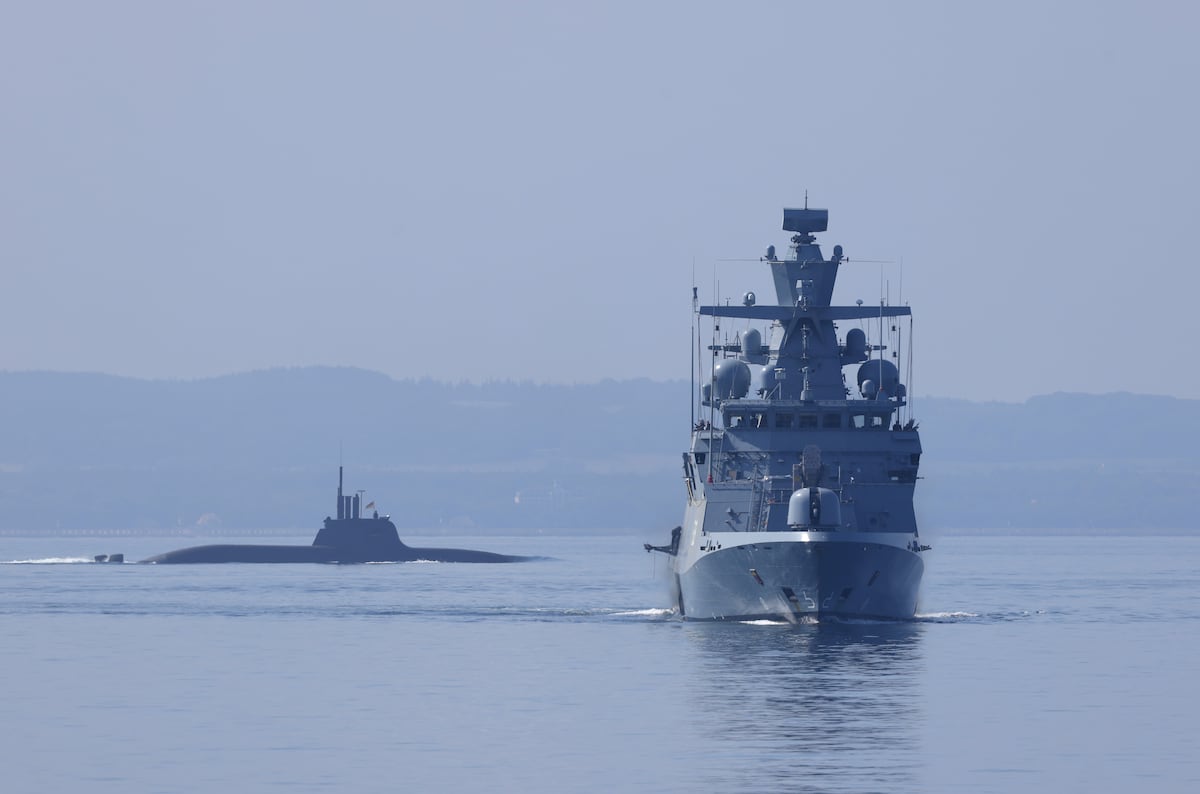
MILAN — Following a series of sabotage incidents against underwater infrastructure, NATO has launched a maritime patrol mission in the Baltic Sea that will include frigates, naval drones, submarines and surveillance aircraft in a show of force against a shadowy fleet of vessels suspected of doing Moscow’s bidding.
The operation, dubbed “Baltic Sentry,” will dispatch national contributions as well as joint assets to the strategically located body of water. The alliance’s Commander Task Force Baltic, created last year and based in Rostock, Germany, will be responsible for coordinating allied ships in the area, a statement issued by all eight Baltic Sea states and NATO’s Secretary General said.
NATO members bordering the sea are Finland, Estonia, Denmark, Germany, Latvia, Lithuania, Poland and Sweden.
Aside from Sweden , where officials announced the country’s navy would provide up to three warships and its ASC 890 surveillance aircraft, other Baltic Sentry members have yet to articulate individual contributions.
NATO Secretary General Mark Rutte said the number of hulls in the water “might differ from week to week.” The involved nations do not wish to make “the enemy any wise than he or she is already,” he said during a press conference in Helsinki on Jan 14.
Rutte and Estonian Prime Minister Kristen Michal praised the Finnish approach used for detaining and investigating the Eagle S oil tanker, suspected of ripping undersea cables last month, suggesting the tactic could serve as a model in prosecuting future sabotage incidents.
“[While] it is up to each member state, we as partners are looking up to the Finns – next time if we have a threat or sabotage attempt towards critical infrastructure, probably the Finnish attitude should be the benchmark,” Michal told reporters after being asked about the Nordic country’s assertive detainment procedures.
Finnish President Alexander Stubb said a step-by-step report would be provided to allies about the methodology used on Dec. 25, when authorities took custody of the vessel.
The official detailed the six-step procedure, which involved close cooperation between the Finnish military, customs officials, police and coast guard.
“First the private company reports what has happened, after that the authorities suss out the possible ships in that position when the cable was cut. Once that happens, you identify the ship, you contact it, stop it, and ask it to move into your territorial waters so you can board it,” Stubb said.
He added that the damage “would have been far worse” than four cables cut if the Eagle S had continued its activities for another 12 minutes.
Elisabeth Gosselin-Malo was a Europe correspondent for Defense News. She covers a wide range of topics related to military procurement and international security, and specializes in reporting on the aviation sector. She is based in Milan, Italy.
米兰——在发生一系列针对水下基础设施的破坏事件后,北约在波罗的海发起了一项海上巡逻任务,该任务将出动护卫舰、海军无人机、潜艇和侦察机,以向一支被怀疑为莫斯科效力的神秘船队展示武力。
这项名为“波罗的海哨兵”的行动将向这一具有战略意义的水域派遣各国力量和联合力量。北约八个波罗的海沿岸国家和秘书长在一份声明中表示,去年成立、总部设在德国罗斯托克的北约波罗的海特遣部队司令部将负责协调该地区的盟军舰艇。
与该海域接壤的北约成员国有芬兰、爱沙尼亚、丹麦、德国、拉脱维亚、立陶宛、波兰和瑞典。
除了瑞典(该国官员宣布其海军将提供至多三艘军舰和 ASC 890 侦察机)之外,其他波罗的海哨兵成员尚未明确各自的贡献。
北约秘书长马克·吕特表示,水域中的舰艇数量“可能每周都会有所不同”。他在1月14日于赫尔辛基举行的新闻发布会上说,相关国家不希望“让敌人比现在更加了解情况”。
英国首相吕特和爱沙尼亚总理克里斯汀·米哈尔赞扬了芬兰扣押和调查涉嫌上个月破坏海底电缆的“鹰 S”号油轮的做法,并表示这种策略可以作为未来起诉破坏事件的典范。
“虽然这取决于每个成员国,但作为合作伙伴,我们仰望芬兰——下次如果关键基础设施受到威胁或遭到破坏,芬兰的态度或许应该成为标杆,”米哈尔在被问及这个北欧国家强硬的拘留程序时告诉记者。
芬兰总统亚历山大·斯图布表示,将向盟友提供一份关于12月25日当局扣押该船只时所采用的方法的详细报告。
该官员详细介绍了六步程序,其中包括芬兰军方、海关官员、警察和海岸警卫队之间的密切合作。
“首先,私营公司会报告事件经过,之后当局会调查电缆被切断时可能位于该位置的船只。一旦确定了船只身份,就会与其联系,阻止其航行,并要求其驶入领海以便登船检查,”斯塔布说道。
他还补充说,如果 Eagle S 继续活动 12 分钟,造成的损害“将比切断四根电缆严重得多”。
伊丽莎白·戈斯林-马洛曾任《防务新闻》欧洲通讯员。她的报道涵盖军事采购和国际安全等广泛领域,尤其擅长航空领域的报道。她常驻意大利米兰。