Sweden joins NATO push to boost Baltic Sea naval presence瑞典加入北约加强波罗的海海军力量的行动
The Swedish military will also contribute one of its ASC 890 surveillance aircraft, made by Saab, and the country’s coast guard will deploy four ships.
MILAN — Sweden has said it will assist NATO in its efforts to bolster the alliance’s presence in the Baltic Sea by providing up to three warships and other defense equipment to help deter any potential sabotage of undersea infrastructure.
The Swedish military will also contribute one of its ASC 890 surveillance aircraft, manufactured by Saab, and the country’s coast guard will deploy four ships to help patrol the area, a government statement said on Jan 12.
This development comes as the military alliance announced last month that it would enhance its naval posture in the Baltic Sea, following increased concerns about possible Russian activities there.
According to Finnish media reports, NATO is likely to send a maximum of ten warships to the area of interest in an attempt to better protect critical underwater infrastructure, which include in part submarine cables as well as power transmission and telecommunication cables.
The Estonian navy has spearheaded the patrol of the Gulf of Finland, conducting almost continuous circuits through the area, as seen on the live-tracking website Marine Vessel Traffic, with different types of surveillance vessels.
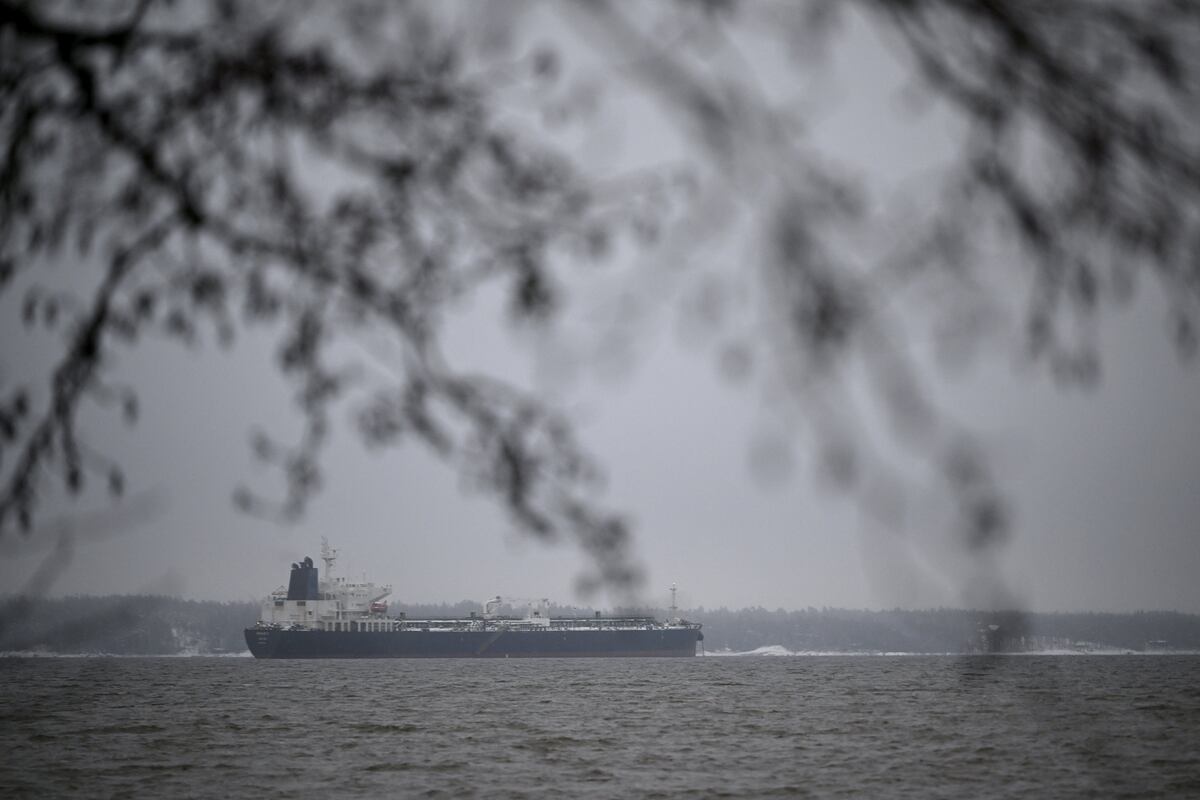
Earlier in December, the Estlink 2 submarine cable that links Finland and Estonia was suspected of having been deliberately damaged. Finnish authorities are currently in custody of the oil tanker Eagle S, believed to be part of Russia’s ‘shadow fleet,’ which officials have said may have been the culprit behind the rupture.
A recent report published by the U.S.-based Center for Strategic and International Studies found that by mid-2024, the Russian ghost fleet carried more than 70 percent of the country’s embargoed oil and by-products.
These clandestine vessels have employed advanced tactics to avoid being detected, including “frequently disabling their automatic identification system transponders to go dark, making it difficult for maritime authorities to track their movements,” the CSIS report said.
It argued that by using its ghost fleet, Moscow has demonstrated “a new form of gray zone warfare,” in which it operates commercial ships such as tankers to carry out delicate military missions.
Elisabeth Gosselin-Malo was a Europe correspondent for Defense News. She covers a wide range of topics related to military procurement and international security, and specializes in reporting on the aviation sector. She is based in Milan, Italy.
米兰——瑞典表示,将向北约提供至多三艘军舰和其他防御设备,以协助北约加强其在波罗的海的存在,从而帮助阻止任何可能破坏海底基础设施的行为。
瑞典政府1月12日发表声明称,瑞典军方还将派出一架萨博公司生产的ASC 890侦察机,瑞典海岸警卫队也将部署四艘舰艇协助巡逻该地区。
此前,由于对俄罗斯在波罗的海可能开展的活动日益担忧,该军事联盟上个月宣布将加强其在波罗的海的海军态势。
据芬兰媒体报道,北约可能会向相关区域派遣最多十艘军舰,以更好地保护关键水下基础设施,其中包括海底电缆、电力传输电缆和通信电缆。
爱沙尼亚海军一直引领着芬兰湾的巡逻行动,从实时跟踪网站 Marine Vessel Traffic 上可以看到,他们使用不同类型的监视船只在该地区进行几乎不间断的巡逻。
12月初,连接芬兰和爱沙尼亚的Estlink 2海底电缆被怀疑遭到蓄意破坏。芬兰当局目前扣押了“鹰S”号油轮,该油轮被认为是俄罗斯“影子舰队”的一部分,官员们表示,这艘油轮可能是造成电缆断裂的罪魁祸首。
美国战略与国际研究中心最近发布的一份报告显示,到 2024 年年中,俄罗斯的幽灵船队运输了该国 70% 以上的被禁运石油和副产品。
战略与国际研究中心 (CSIS) 的报告称,这些秘密船只采用了先进的策略来避免被发现,包括“经常关闭其自动识别系统应答器,使其处于黑暗状态,使海事当局难以追踪其动向”。
报告指出,莫斯科利用其“幽灵舰队”展示了一种“新型灰色地带战争”,即利用油轮等商船执行敏感的军事任务。
伊丽莎白·戈斯林-马洛曾任《防务新闻》欧洲通讯员。她的报道涵盖军事采购和国际安全等广泛领域,尤其擅长航空领域的报道。她常驻意大利米兰。