US Navy, Boeing ink first MQ-25A Stingray production contract美国海军与波音公司签署首份MQ-25A“黄貂鱼”无人机生产合同
The U.S. Navy awarded a $562 million fixed-price incentive contract to Boeing on Monday to start Lot 1 Low Rate Initial Production of the MQ-25A Stingray.
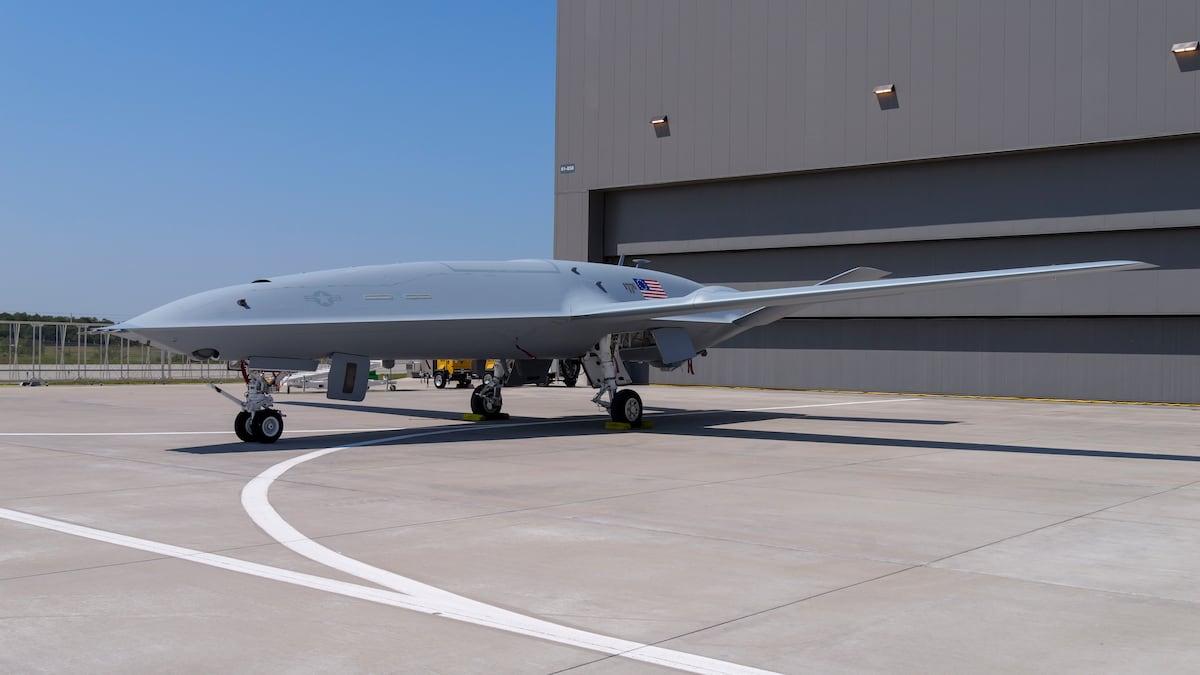
The Navy awarded a $562 million fixed-price incentive contract to Boeing on Monday to kick off Lot 1 Low Rate Initial Production of the MQ-25A Stingray unmanned tanker, the service announced .
Acting Secretary of the Navy Hung Cao teed up the LRIP and deployment announcement in May during a Senate Armed Services Committee Hearing. Boeing’s MQ-25A will become the Defense Department’s first unmanned tanker and the Navy’s first operational carrier-based unmanned aircraft.
The UAV is designed to extend the life of the Navy’s F/A-18 Super Hornets and relieve the fighter jets of their aerial refueling role so the aircraft can focus on strike missions.
The Stingray is supposed to deliver at least 14,000 pounds of fuel over 500 nautical miles, around the same capacity as the Super Hornets, according to an August report from the Government Accountability Office .
The contract covers three LRIP Lot 1 MQ-25As and includes additional funding for components to support three Lot 2 MQ-25As, the Navy stated in its release. Initial Lot 1 deliveries are slated for 2029. The MQ-25 program of record includes 67 operational aircraft and nine test aircraft.
Boeing is forging ahead with production after several snags in the MQ-25 program. The Navy completed its first successful Stingray test flight on April 25, though that demonstration lagged a year behind the service’s initial plans. The Navy estimates it will continue flight tests through the end of this year.
The Pentagon’s April 2026 Modernized Selected Acquisition Report painted a pessimistic picture for the MQ-25’s timeline, noting that technical risks and the Boeing Union labor strike contributed to delays.
According to the report, the Pentagon expects the UAV could reach initial operational capability in 2029, four years later than initially planned.
The report also highlighted a milestone for the Navy, noting that in March, the USS Theodore Roosevelt became the first Navy carrier equipped with an Unmanned Air Warfare Center supporting the MQ-25A.
The Navy’s Stingray program has wound a complicated path from conception to production.
Originally envisioned as a stealthy ISR and strike drone known as the Unmanned Carrier Launch Airborne Surveillance and Strike (UCLASS) platform, both the Pentagon and the GAO pushed the Navy to tighten its program’s scope.
By 2016, the service pivoted from a strike and intelligence mission to a carrier-based UAV mission.
美国海军周一宣布,已授予波音公司一份价值 5.62 亿美元的固定价格激励合同,以启动 MQ-25A“黄貂鱼”无人加油机的第一批低速初始生产。
美国海军代理部长洪曹在5月份参议院军事委员会的听证会上宣布了低速初始生产(LRIP)和部署计划。波音公司的MQ-25A将成为美国国防部的首架无人加油机,也是美国海军首架投入作战的舰载无人机。
该无人机旨在延长海军 F/A-18 超级大黄蜂战斗机的寿命,并减轻战斗机的空中加油任务,以便这些飞机能够专注于打击任务。
根据美国政府问责局 8 月份的一份报告,Stingray 应该能够在 500 海里内输送至少 14,000 磅燃料,其容量与超级大黄蜂大致相同。
海军在新闻稿中表示,该合同涵盖三架低速初始生产(LRIP)第一批次MQ-25A无人机,并包含用于支持三架第二批次MQ-25A无人机的零部件的额外资金。第一批次的首批交付计划于2029年进行。MQ-25项目计划建造67架作战飞机和9架测试飞机。
尽管MQ-25项目遭遇了一些波折,波音公司仍在推进生产。海军于4月25日完成了首次成功的“黄貂鱼”无人机试飞,但此次试飞比海军最初的计划晚了一年。海军预计将持续进行飞行测试至今年年底。
五角大楼 2026 年 4 月发布的《现代化选定采购报告》对 MQ-25 的时间表持悲观态度,指出技术风险和波音工会的罢工导致了延误。
根据该报告,五角大楼预计该无人机最早将于 2029 年达到初始作战能力,比最初计划晚四年。
该报告还重点介绍了海军的一个里程碑,指出今年 3 月,“西奥多·罗斯福”号航空母舰成为第一艘配备无人机作战中心的美国海军航母,该中心支持 MQ-25A 无人机。
海军的“黄貂鱼”项目从构思到生产经历了一段复杂的历程。
最初设想的是一种隐形的 ISR 和打击无人机,称为无人航母发射空中监视和打击 (UCLASS) 平台,但五角大楼和美国政府问责局 (GAO) 都敦促海军收紧其计划的范围。
到 2016 年,该部门从打击和情报任务转向了舰载无人机任务。