Beyond the Exam: How Technology Is Transforming Military Health Readiness超越考试:科技如何改变军事医疗战备
sponsor content What's this?
When the President called for the rapid deployment of the District of Columbia Army National Guard in January 2025, its members mobilized within hours.
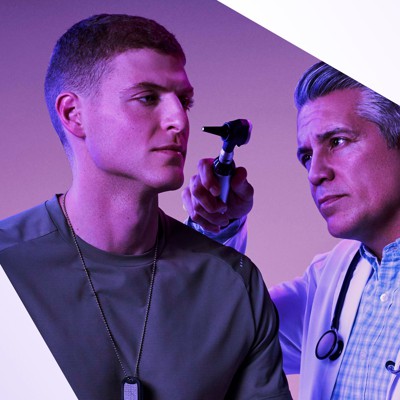
That response reflected years of preparation, including daily work to keep service members medically ready: through physical and behavioral health assessments, dental exams, laboratory testing and other requirements.
As the military becomes increasingly dispersed, maintaining readiness has become far more than a clinical challenge. It is an operational challenge that depends on providers, technology, logistics and data working together as one system.
Leidos brings these capabilities together to help military organizations maintain medical readiness across dispersed forces and demanding operational environments.
Meeting the Force Where It Serves
There is no one-size-fits-all approach to readiness.
An individual Reservist may need a Periodic Health Assessment close to home. A National Guard commander may need hundreds of soldiers to complete multiple readiness requirements during a single drill weekend. A geographically dispersed service member may benefit from completing a Mental Health Assessment remotely.
Meeting those diverse needs requires flexible delivery models.
Nationwide civilian provider networks allow service members to complete readiness activities in their own communities. Group readiness events bring multidisciplinary teams to armories, installations and other locations, creating temporary medical readiness clinics that minimize time away from training. Telehealth and call center capabilities expand access for services such as Mental Health Assessments and Post-Deployment Health Reassessments, reducing barriers for geographically dispersed personnel.
These modalities are not separate programs. They are integrated through a common digital platform that allows medical readiness services to adapt to the operational needs of the force rather than expecting the force to adapt to the system.
Technology as the Readiness Backbone
Leidos applies decades of experience solving complex federal challenges to connect the technology behind medical readiness.
Long before the first appointment, its systems coordinate thousands of decisions. Intelligent scheduling matches service members with appropriately credentialed providers. Group event management synchronizes clinicians, equipment and workflows. Mobile medical assets are positioned where they are needed most. Secure systems transmit examination results efficiently, while dashboards provide commanders with timely visibility into readiness progress.
Together, these systems transform thousands of examinations into a coordinated readiness process, giving commanders clearer insights while reducing the burden on service members.
The next generation of medical readiness will be defined not simply by digitizing existing processes, but by making them more intelligent.
Emerging technologies such as agentic AI promise to forecast demand, identify readiness risks before they affect operations and recommend more efficient ways to deliver services across a geographically dispersed force.
Technology will never replace clinicians. But it can give military leaders better information to enable faster decision-making and greater operational agility.
A Strategic Operational Capability
That model has been proven on a national scale. Leidos supports more than 2.8 million health examinations annually, and has completed nearly 2.7 million military readiness examinations to date. Since March 2023, the organization has held more than 4,300 group readiness events, including a surge of supporting 22,800 service members during a week of execution. Mobile health clinics have traveled more than 11 million miles to extend medical readiness services to installations, armories and remote training locations across the country.
Those numbers represent more than completed examinations. They demonstrate how nationwide provider access, flexible service delivery and advanced technology help commanders maintain a medically ready force while preserving training time.
As military operations continue to evolve, the systems that support them must keep pace. The future of military health readiness is more complex than simply conducting examinations. It's about ensuring the right clinician reaches the right service member, in the right way, at the right place and time — all supported by a digital readiness ecosystem. That will give commanders the confidence to know that when the call comes, the force is ready.
Leidos is an industry and technology leader serving government and commercial customers with smarter, more efficient digital and mission innovations. For more information, visit www.leidos.com .
This content is made possible by our sponsor Leidos; it is not written by and does not necessarily reflect the views of Defense One’s editorial staff.
NEXT STORY: Commercial autonomy is accelerating military capability
赞助商内容 这是什么?
2025年1月,总统下令迅速部署哥伦比亚特区陆军国民警卫队,其成员在数小时内便动员起来。
这一反应体现了多年的准备工作,包括通过身体和行为健康评估、牙科检查、实验室测试和其他要求,使军人在医疗上保持随时准备的状态。
随着军队日益分散,保持战备状态已远不止是临床上的挑战,而是一项作战层面的挑战,它依赖于医疗服务提供者、技术、后勤保障和数据作为一个整体系统协同运作。
Leidos 将这些能力整合起来,帮助军事组织在分散的部队和严苛的作战环境中保持医疗战备状态。
在它服务的地方与部队相遇
准备工作没有一成不变的方法。
一名预备役军人可能需要在家附近进行定期健康评估。一名国民警卫队指挥官可能需要数百名士兵在一个训练周末内完成多项战备要求。一名地理位置分散的军人或许可以从远程完成心理健康评估中受益。
满足这些多样化的需求需要灵活的交付模式。
全国性的民用医疗服务网络使军人能够在各自社区完成战备活动。集体战备活动将多学科团队带到军械库、基地和其他地点,建立临时医疗战备诊所,最大限度地减少军人离开训练的时间。远程医疗和呼叫中心服务扩大了心理健康评估和部署后健康复查等服务的覆盖范围,减少了地理位置分散的人员就医的障碍。
这些模式并非独立的项目,而是通过一个通用的数字平台整合在一起,使医疗战备服务能够适应部队的作战需求,而不是让部队去适应系统。
技术作为战备骨干
Leidos运用数十年来解决复杂联邦挑战的经验,将医疗准备背后的技术连接起来。
早在首次预约之前,该系统就已协调数千项决策。智能排班系统将军人与具备相应资质的医疗服务提供者进行匹配。群组事件管理系统同步临床医生、设备和工作流程。移动医疗资源部署在最需要的地方。安全系统高效传输检查结果,而仪表盘则让指挥官能够及时了解战备进度。
这些系统共同将数千次检查转化为协调的战备流程,使指挥官能够更清晰地了解情况,同时减轻军人的负担。
下一代医疗准备的定义不仅仅是将现有流程数字化,而是要让这些流程更加智能化。
诸如智能体人工智能等新兴技术有望预测需求,在风险影响作战行动之前识别出战备风险,并推荐更高效的方式向地理位置分散的部队提供服务。
科技永远无法取代临床医生,但它可以为军事领导人提供更好的信息,从而加快决策速度,提高作战灵活性。
战略作战能力
该模式已在全国范围内得到验证。Leidos每年支持超过280万次健康检查,迄今为止已完成近270万次军事战备检查。自2023年3月以来,该公司已举办超过4300场集体战备活动,其中包括在一周的演习期间为22800名军人提供支持。移动医疗诊所已行驶超过1100万英里,为全国各地的军事基地、军械库和偏远训练地点提供医疗战备服务。
这些数字不仅仅代表已完成的体检数量,它们还表明,全国范围内的医疗服务提供者网络、灵活的服务提供方式以及先进的技术如何帮助指挥官在保持部队医疗战备状态的同时,节省训练时间。
随着军事行动的不断演变,支撑这些行动的系统也必须与时俱进。未来军事医疗战备远比简单的体检复杂得多。它关乎确保合适的医护人员在合适的时间、合适的地点,以合适的方式为合适的官兵提供服务——所有这一切都离不开数字化战备生态系统的支持。这将使指挥官们确信,一旦接到命令,部队已做好充分准备。
Leidos是行业和技术领域的领导者,致力于为政府和商业客户提供更智能、更高效的数字化和任务创新解决方案。更多信息,请访问www.leidos.com。
此内容由我们的赞助商 Leidos 提供;它并非由 Defense One 编辑人员撰写,也不一定反映其观点。
下一篇报道:商业自主性正在加速军事能力的发展