Lithuania moves to end nuclear weapon ban as ‘situation getting worse’立陶宛因“局势恶化”而考虑解除核武器禁令
Lithuania’s parliamentary parties have agreed on a plan to lift a constitutional ban on nuclear weapons and foreign military bases in the Baltic nation.
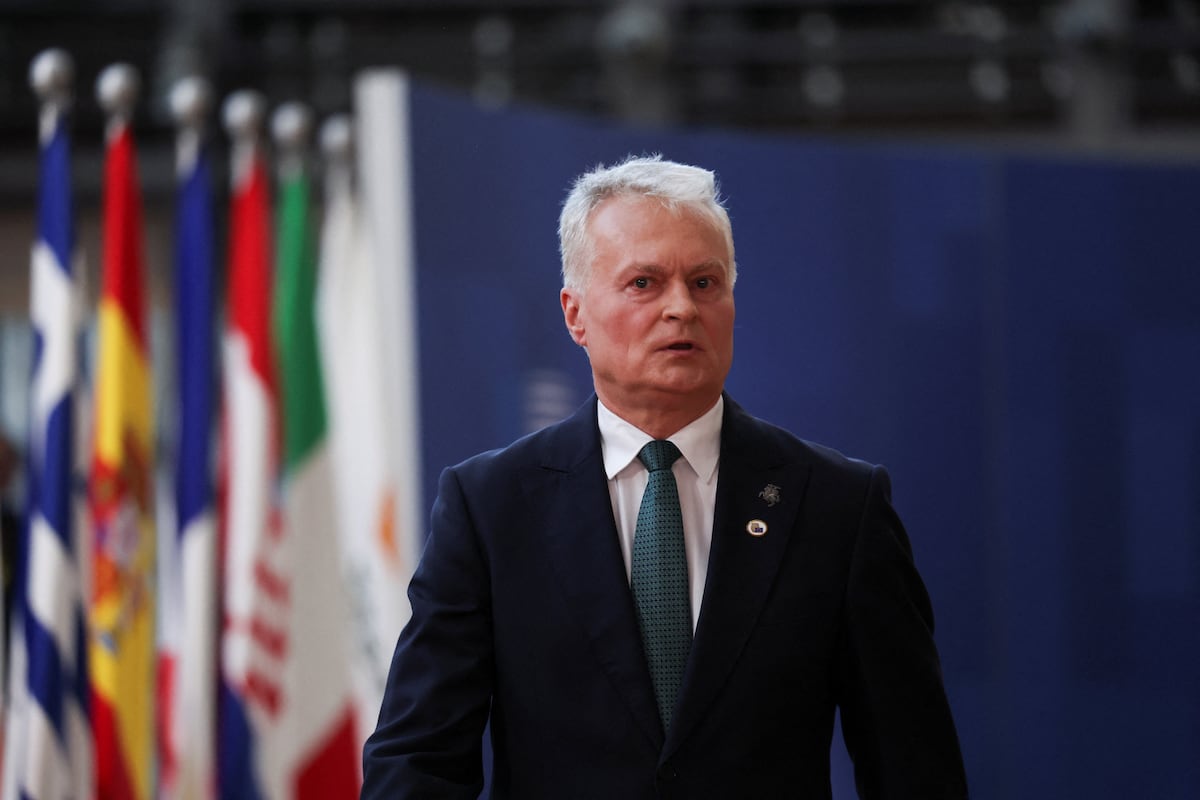
Lithuania’s parliamentary parties have agreed on a plan to lift a constitutional ban on nuclear weapons and foreign military bases in the Baltic nation, the president said, in a sign of how Russia is resetting security calculations in the region.
The move — a major legal overhaul which will need two-thirds majorities in two parliamentary votes to go through — would remove prohibitions put in place more than three decades ago after Lithuania broke away from the Soviet Union.
“The geopolitical situation is getting worse,” President Gitanas Nauseda told reporters after meeting with parliament party leaders on Thursday.
“Our constitution was written when geopolitical circumstances were totally different.”
Lithuania — a NATO member which shares land borders with the Russian exclave of Kaliningrad and with Moscow’s ally Belarus — has tripled its defence spending since Moscow’s invasion of Ukraine in 2022.
It is upgrading its armed forces, fortifying its borders and building the infrastructure for the combat-ready German brigade which will be permanently based there in 2027, to deter Russia from attacking.
The announcement comes four months after NATO ally Finland, which also borders Russia, announced plans to repeal a decades-old legal ban on nuclear weapons.
That move was made in the wake of Helsinki’s decision to join NATO in 2023, a historic shift in reaction to the Ukraine war.
Lithuania’s constitutional ban on nuclear weapons is probably the strictest of its kind among NATO allies, and was put in place before it joined NATO, Linas Kojala, head of Vilnius’s Geopolitics and Security Studies Center, told Reuters.
“There is a broad consensus that such a restriction ... does not correspond to the current geopolitical situation, in which the nuclear weapons of the Allies are an essential element of deterrence,” Kojala added.
“Therefore, it is important that there are no obstacles to strengthening the element of deterrence.”
President Nauseda said there were no immediate plans to store nuclear weapons in Lithuania, but that removing the provision would let the country take action if the security situation changed.
Lithuania will remain a party to the nuclear Non-Proliferation Treaty, Nauseda said.
Parliament Speaker Juozas Olekas told reporters the amendments could be adopted by the end of this year.
立陶宛总统表示,立陶宛议会各党派已就一项计划达成一致,该计划将解除宪法中对该国核武器和外国军事基地的禁令,这表明俄罗斯正在重新调整该地区的安全考量。
这项举措——一项重大的法律改革,需要经过两次议会投票并获得三分之二的多数票才能通过——将取消立陶宛脱离苏联三十多年前实施的禁令。
“地缘政治局势正在恶化,”吉塔纳斯·瑙塞达总统周四与议会各党派领导人会面后告诉记者。
“我们的宪法是在地缘政治环境与现在截然不同的时代制定的。”
立陶宛是北约成员国,与俄罗斯飞地加里宁格勒和莫斯科的盟友白俄罗斯接壤。自2022年莫斯科入侵乌克兰以来,立陶宛的国防开支增加了两倍。
它正在升级武装力量,加强边境防御,并为一支随时可以投入战斗的德国旅建设基础设施,该旅将于 2027 年永久驻扎在那里,以阻止俄罗斯发动攻击。
此前四个月,北约盟国芬兰(也与俄罗斯接壤)宣布计划废除一项实施数十年的核武器禁令。
这一举动是在赫尔辛基决定于 2023 年加入北约之后做出的,这是对乌克兰战争反应的历史性转变。
维尔纽斯地缘政治与安全研究中心主任利纳斯·科亚拉告诉路透社,立陶宛宪法中禁止核武器的规定可能是北约盟国中最严格的,而且是在立陶宛加入北约之前就已生效。
科亚拉补充说:“人们普遍认为,这种限制……与当前的地缘政治形势不符,在当前的地缘政治形势下,盟国的核武器是威慑的重要因素。”
“因此,确保加强威慑力量方面没有任何障碍至关重要。”
瑙塞达总统表示,立陶宛目前没有立即储存核武器的计划,但取消这一规定将使该国能够在安全形势发生变化时采取行动。
瑙塞达表示,立陶宛将继续留在《不扩散核武器条约》中。
议长尤奥扎斯·奥莱卡斯告诉记者,这些修正案有望在今年年底前获得通过。