How The Air Force Is Preparing For Allied CCAs To Join The Fight空军如何为盟军CCA加入战斗做好准备
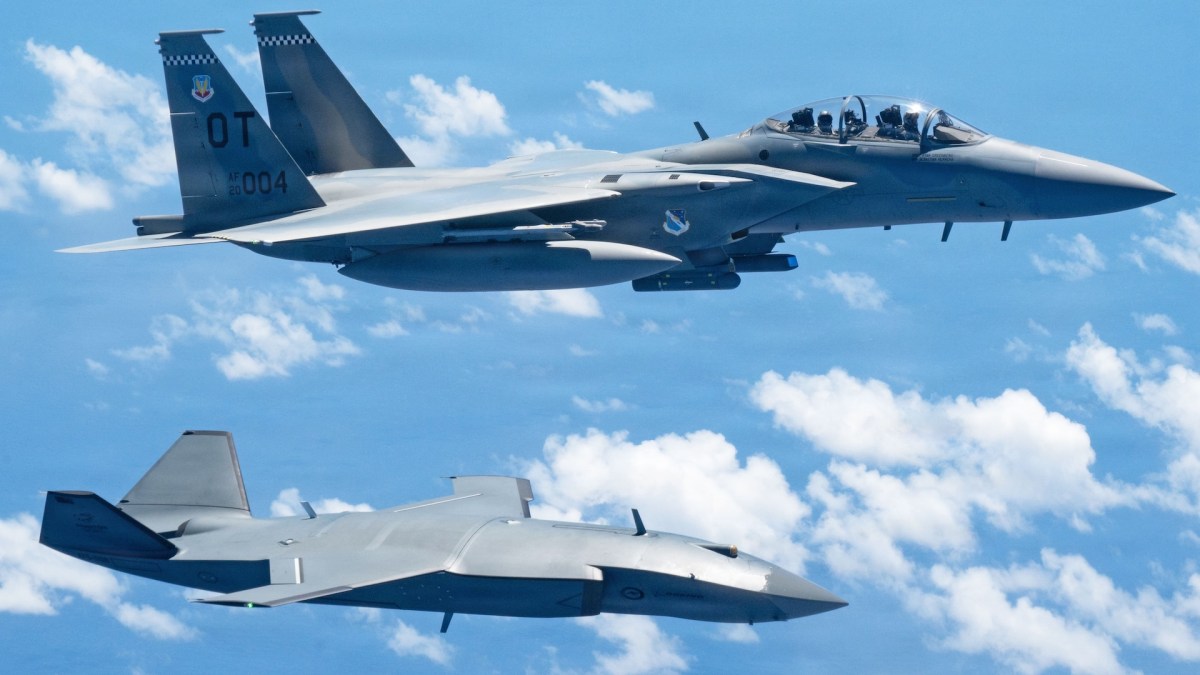
Allied interest in Collaborative Combat Aircraft is growing as USAFE works to ensure interoperability across a wide mix of future systems. Allied interest in Collaborative Combat Aircraft is growing as USAFE works to ensure interoperability across a wide mix of future systems.
Published Sep 16, 2026 2:50 PM EDT
U.S. Air Force photo by Tech Sgt. Thomas Barley
Senior U.S. Air Force leaders in Europe say NATO allies are increasingly looking to participate in the development and employment of collaborative combat aircraft (CCAs), even as several of those same countries pursue their own indigenous fighter and drone programs . American commanders say they are looking forward to CCAs expanding the alliance’s overall capacity, and are already pushing for such systems to work together from the outset.
Speaking yesterday at the Air & Space Forces Air, Space and Cyber Symposium that TWZ is attending, Lt. Gen. Jason T. Hinds, commander of U.S. Air Forces in Europe, U.S. Air Forces Africa, and NATO’s Allied Air Command, and Chief Master Sgt. Joshua J. Wiener, USAFE-AFAFRICA’s command chief, discussed how the command is preparing for an eventual European role in the U.S. Air Force’s planned fleet of hundreds of CCAs.
U.S. Air Force Lt. Gen. Jason T. Hinds, U.S. Air Forces in Europe – Air Forces Africa commander (far left), and U.S. Air Force Chief Master Sgt. Joshua J. Wiener, USAFE-AFAFRICA command chief (second from left), pose for a group photo with the Association of African Air Forces representatives from Kenya, Nigeria, and Tunisia at Ramstein Air Base, Germany, earlier this month.
The issue is particularly significant for USAFE, which operates a fraction of the fighter force it maintained in Europe during the Cold War , even as many of its NATO allies contend with shrinking fleets of crewed combat aircraft. This comes against a backdrop of deepening tensions with Russia and the emergence of new kinds of threats . Autonomous aircraft that can augment crewed fighters could provide the alliance with additional combat mass without requiring a corresponding increase in the number of crewed aircraft and personnel permanently based in Europe.
“I’m excited about what CCAs have in store for the Air Force,” Wiener said, pointing to recent comments from the Secretary of the Air Force Troy Meink, including the aim of having at least 500 CCAs in service by 2032.
He added that European interest in these kinds of platforms is already growing.
“I think you’re going to see a lot more interest from other nations inside Europe about what is America doing with CCAs and how they can join this party, if you will,” Wiener said.
Germany is “heavily involved,” he said, while Scandinavian countries and the Netherlands are also showing interest.
In the case of Germany, we have previously explored how that country is looking to procure CCAs by 2029. Sweden, too, recently unveiled a concept for a high-end, stealthy CCA-type drone, while the Dutch are looking to become more closely alligned with U.S. Air Force CCA efforts.
Saab has produced a full-scale concept model of a future uncrewed combat air system, known as aircraft A3. Saab
USAFE is currently using two broad operational scenarios to explain to allies how CCAs could fit into NATO’s force structure.
The first is defensive. A CCA could operate as part of an integrated air and missile defense network, potentially engaging one-way attack drones or cruise missiles without the need for expensive crewed fighters.
The second is offensive. In that scenario, autonomous aircraft could help suppress or destroy integrated air defense systems and potentially attack fielded forces during an effort to repel a hostile incursion into NATO territory.
Allies are interested in both missions, Wiener said, and want the ability to incorporate CCAs into their own force designs. Interestingly, only yesterday, Anduril shared photos of its YFQ-44A Fury configured with air-to-ground weapons , underscoring the fact that the CCA could take on an air-to-ground role in the future in addition to its current air-to-air focus.
A YFQ-44A carrying pods for 2.75-inch rockets and 500-pound Joint Direct Attack Munitions (JDAM) under the wings. Anduril
That kind of interest has already prompted work at the NATO level. Wiener pointed to a study by the Joint Air Power Competence Center , the alliance’s airpower think tank based in Kalkar, Germany, examining how NATO members could employ CCAs in a modular fashion, including issues such as sustainment, training, and exercises.
“It was a pretty long paper, but the nations wanted it,” Wiener said.
Initial experimentation is expected to take place in the United States, but European experimentation could follow, including by Sweden and potentially other NATO members.
At the same time, European countries are not simply waiting for an American CCA to arrive.
The United Kingdom has launched its own Storm Fighter CCA program . Germany is pursuing a separate loyal-wingman effort, while the United Kingdom, Italy, and Japan are meanwhile jointly embarked on the Global Combat Air Program , or GCAP, which is intended to produce the Tempest next-generation crewed fighter and associated uncrewed systems.
A rendering of a CCA concept released at the launch of the U.K. Royal Air Force Storm Fighter program, earlier this year. BAE Systems
The proliferation of national programs raises an obvious question: How does NATO prevent a growing fleet of autonomous aircraft from becoming a collection of incompatible national systems?
Wiener said the answer starts with commonality.
“The first and foremost thing is we want to strive for commonality,” he said. “Commonality means we don’t even have to worry about interoperability.”
Where common equipment is not possible, however, USAFE wants interoperability built into national systems from the beginning.
“Interoperability by design” is the preferred approach, Wiener said, with NATO data standards and other requirements incorporated before a system enters service rather than retrofitted later.
The good news for USAFE is that NATO already has extensive experience establishing common standards for interoperability, covering everything from tactics and procedures to communications, datalinks, weapons employment, and other technologies. That existing framework gives the alliance a foundation for integrating increasingly diverse national systems without requiring every member to field identical equipment.
F-35A from the U.S. Air Force’s 48th Fighter Wing and the Royal Norwegian Air Force fly tandem after a formation flight near Lofoten, Norway, March 10, 2026. The formation flight was intended to symbolize the partnership and degree of interoperability displayed between participating NATO militaries during Exercise Cold Response 26. U.S. Marine Corps photo by Cpl. Mya Seymour Cpl. Mya Seymour
Wiener did warn that some countries have previously acquired equipment that was not compatible with NATO systems, leaving them with the choice of paying to modify their own equipment or forcing the alliance to adapt its systems around it.
That problem becomes particularly important as autonomous aircraft are connected to increasingly complex sensor and weapons networks. Even more important is the requirement for a baseline command-and-control network for CCAs themselves, allowing different platforms to manage them seamlessly.
The ability to share and control CCAs across a complex battlespace is already emerging as both a major opportunity and a significant integration challenge. The U.S. Air Force and Navy, for example, have made clear that their respective CCAs are being developed with the ability to be controlled seamlessly across services , pointing toward a future in which autonomous aircraft need not remain tied to the service or platform that launched them.
Wiener described a potential kill chain in which an F-35 detects a target, passes the information to another node in the network , and a ground-based system operated by another NATO country ultimately launches the weapon.
In such an architecture, the aircraft, sensor, command-and-control network, and weapon do not necessarily have to belong to the same country.
As an example, Dutch F-35s, operating in Europe, have used a data-exchange system to transmit targeting coordinates to Israeli-made PULS (Precise and Universal Launch System) rocket artillery. The system, developed by Lockheed Martin is known as Keystone, and you can read more about it here .
A Dutch F-35A brandishing its AIM-120 AMRAAM missiles during a NATO air policing drill. Bartek Bera
USAFE is making “significant advances” in areas including cross-servicing, cross-loading, and cross-flying allied aircraft, Wiener said, all of which are intended to make multinational operations more seamless.
A U.S. Air Force F-35 crew chief conducts post-flight checks at Pirkkala Air Base, Finland, during the tactical exercise, Ramstein Flag 26. U.S. Air Force photo by 2nd Lt. Sarah Hedgman
The same philosophy applies to weapons.
“We want to have all the fires, right? Whether it’s U.S. built or built inside European nations,” Wiener said.
That could prove increasingly important as European countries expand domestic production of missiles , drones, and other weapons alongside their aircraft programs.
The growth of GCAP and other European defense programs comes amid broader debate over how much Europe should depend on U.S. military equipment.
But Wiener rejected the idea that allies developing indigenous aircraft and autonomous systems necessarily signals a move away from American equipment.
“No, I don’t,” he said when asked whether allies were moving away from U.S. systems.
Instead, Wiener characterized the trend as an expansion of the transatlantic defense-industrial base.
Sweden was one example he cited. The country, which recently joined NATO, continues to produce new military equipment, including Gripen fighters, while those aircraft are already being operated by NATO members.
Swedish Gripens are currently leased to Hungary, and other countries are considering the aircraft, Wiener said.
A Hungarian Air Force JAS 39C Gripen participating in NATO Exercise Ramstein Flag 24 flies over the west coast of Greece, in 2024. U.S. Air Force photo by Tech. Sgt. Emili Koonce
The broader trend toward co-manufacturing and co-production is also something he welcomed.
“I’m seeing a lot of discussions about co-manufacturing and co-production, and I welcome those discussions as well,” Wiener said.
That approach could become increasingly important as NATO tries to expand its available combat power without relying exclusively on additional U.S.-built platforms.
For USAFE, the objective is to ensure that whatever aircraft NATO countries develop or purchase can plug into a common architecture, sharing data, receiving targeting information, drawing on common logistics networks, and contributing weapons effects across national boundaries.
For a U.S. Air Force command that has spent decades trying to cover Europe with far fewer fighters than it once had, hundreds of autonomous wingmen, whether American-built or allied, could provide a significant way to generate additional combat mass.
Senior U.S. Air Force officials are now working to ensure that the networking, weapons integration, logistics, and command-and-control architecture will be in place once those aircraft start to come online.
Contact the author: thomas@thewarzone.com
Comments couldn’t be loaded. Please refresh the page.
发布于美国东部时间2026年9月16日下午2:50
美国空军技术军士托马斯·巴利拍摄的照片
美国驻欧洲空军高级将领表示,北约盟国越来越希望参与协同作战飞机(CCA)的研发和部署,即便其中一些盟国也在推进各自的国产战斗机和无人机项目。美国指挥官表示,他们期待协同作战飞机能够提升联盟的整体作战能力,并已开始推动此类系统从一开始就协同运作。
昨天,在 TWZ 出席的空军和太空部队空中、太空和网络研讨会上,美国驻欧洲空军、美国驻非洲空军和北约盟军空军司令部司令杰森·T·欣兹中将和美国驻欧洲空军-非洲空军司令部总军士长约书亚·J·维纳讨论了该司令部如何为最终在美国空军计划的数百架 CCA 机队中扮演欧洲角色做好准备。
本月初,美国空军驻欧洲-非洲空军司令部中将杰森·T·欣兹(左一)和美国空军驻欧洲-非洲空军司令部总军士长约书亚·J·维纳(左二)在德国拉姆施泰因空军基地与来自肯尼亚、尼日利亚和突尼斯的非洲空军协会代表合影。
对于美国空军驻欧部队(USAFE)而言,这个问题尤为重要。该部队目前在欧洲的战斗机数量仅为冷战时期的一小部分,而许多北约盟国也面临着有人驾驶战斗机机队规模缩减的困境。与此同时,与俄罗斯的紧张关系日益加剧,新型威胁也层出不穷。能够增强有人驾驶战斗机作战能力的自主飞机,可以在不相应增加常驻欧洲的有人驾驶飞机和人员数量的前提下,为北约提供额外的作战力量。
“我对 CCA 将为空军带来的发展感到兴奋,”维纳说道,并指出空军部长特洛伊·梅因克最近的评论,其中包括到 2032 年至少有 500 架 CCA 投入使用的目标。
他还补充说,欧洲对这类平台的兴趣正在增长。
“我认为你会看到欧洲其他国家对美国在社区选择协议(CCA)方面所做的事情以及他们如何加入其中表现出更大的兴趣,”维纳说。
他说,德国“深度参与”,而斯堪的纳维亚国家和荷兰也表现出了兴趣。
就德国而言,我们之前探讨过该国计划如何在 2029 年前采购 CCA。瑞典最近也公布了一种高端隐形 CCA 型无人机的概念,而荷兰则希望与美国空军的 CCA 计划更加紧密地合作。
萨博公司制造了一架未来无人作战空中系统的全尺寸概念模型,该系统被称为A3飞机。
美国驻欧空军目前正在使用两种广泛的作战场景来向盟友解释CCA如何融入北约的部队结构。
第一种用途是防御性的。CCA可以作为一体化防空反导网络的一部分运行,无需昂贵的有人驾驶战斗机即可拦截单向攻击无人机或巡航导弹。
第二种用途是进攻性的。在这种情况下,自主飞行器可以帮助压制或摧毁一体化防空系统,并有可能在击退敌方入侵北约领土的行动中攻击已部署的部队。
维纳表示,盟国对这两项任务都感兴趣,并希望能够将CCA纳入自身的部队设计中。值得注意的是,就在昨天,安杜里尔公司公布了其YFQ-44A“狂怒”无人机配备空对地武器的照片,这凸显了CCA除了目前以空对空作战为主之外,未来也可能承担空对地作战任务。
一架YFQ-44A型飞机,机翼下挂载2.75英寸火箭弹和500磅联合直接攻击弹药(JDAM)吊舱。安杜里尔
这种兴趣已经促使北约层面开展相关工作。维纳指出,北约联合空中力量能力中心(位于德国卡尔卡的北约空军力量智库)的一项研究探讨了北约成员国如何以模块化方式运用协同作战能力,包括维护、训练和演习等问题。
“这是一份篇幅很长的文件,但各国都想要它,”维纳说。
初步试验预计将在美国进行,但随后欧洲也可能进行试验,包括瑞典以及其他北约成员国。
与此同时,欧洲国家并非只是在等待美国的CCA到来。
英国已启动了自己的“风暴战斗机”CCA计划。德国正在推进一项独立的忠诚僚机计划,与此同时,英国、意大利和日本正在联合开展全球作战航空计划(GCAP),该计划旨在生产“暴风雨”下一代有人驾驶战斗机及相关无人系统。
这是今年早些时候英国皇家空军“风暴”战斗机项目启动仪式上发布的CCA概念图。BAE系统公司
各国项目的激增引发了一个显而易见的问题:北约如何防止日益壮大的自主飞行器机队变成一系列互不兼容的国家系统?
维纳说,答案要从共同点入手。
他说:“首要任务是力求实现通用性。通用性意味着我们甚至不必担心互操作性问题。”
然而,在无法使用通用设备的情况下,美国空军欧洲司令部希望从一开始就将互操作性融入到国家系统中。
维纳表示,“从设计上就实现互操作性”是首选方法,即在系统投入使用之前就纳入北约数据标准和其他要求,而不是在以后进行改造。
对美国空军驻欧部队而言,好消息是北约在建立互操作性通用标准方面已积累了丰富的经验,涵盖从战术和程序到通信、数据链、武器运用以及其他技术等各个方面。这一现有框架为联盟整合日益多样化的国家系统奠定了基础,而无需每个成员国都部署完全相同的装备。
2026年3月10日,美国空军第48战斗机联队和挪威皇家空军的F-35A战斗机在挪威罗弗敦群岛附近完成编队飞行后进行并排飞行。此次编队飞行旨在象征北约参演部队在“寒冷反应26”演习中展现出的伙伴关系和高度互操作性。美国海军陆战队下士玛雅·西摩摄。
维纳警告说,一些国家之前获得了与北约系统不兼容的设备,这使得它们要么不得不花钱改造自己的设备,要么被迫让北约调整其系统以适应这些设备。
随着自主飞行器接入日益复杂的传感器和武器网络,这个问题变得尤为重要。更重要的是,自主飞行器本身需要一个基础的指挥控制网络,以便不同的平台能够无缝地管理它们。
在复杂的战场环境中共享和控制协同作战飞机(CCA)的能力,既是重大机遇,也是一项严峻的整合挑战。例如,美国空军和海军已明确表示,他们各自的协同作战飞机正在研发中,旨在实现跨军种无缝控制,这预示着未来自主飞行器无需再局限于发射它们的军种或平台。
维纳描述了一条潜在的杀伤链,其中 F-35 探测到目标,将信息传递给网络中的另一个节点,最终由另一个北约国家操作的地面系统发射武器。
在这种架构中,飞机、传感器、指挥控制网络和武器不一定非得属于同一个国家。
例如,在欧洲作战的荷兰F-35战斗机就曾使用数据交换系统向以色列制造的PULS(精确通用发射系统)火箭炮传输目标坐标。这套由洛克希德·马丁公司开发的系统名为“基石”(Keystone),您可以在这里了解更多信息。
一架荷兰F-35A战斗机在北约空中警戒演习中展示其AIM-120 AMRAAM导弹。(图片来源:Bartek Bera)
维纳表示,美国驻欧空军在交叉服务、交叉装载和盟军飞机交叉飞行等领域取得了“重大进展”,所有这些进展都是为了使多国行动更加无缝衔接。
在芬兰皮尔卡拉空军基地举行的“拉姆施泰因旗帜26”战术演习期间,一名美国空军F-35战斗机机组长正在进行飞行后检查。美国空军二等中尉莎拉·赫奇曼摄
同样的道理也适用于武器。
“我们想要所有的火灾,对吧?不管是美国造成的,还是欧洲国家造成的,”维纳说。
随着欧洲各国在发展飞机项目的同时,扩大导弹、无人机和其他武器的国内生产,这一点可能会变得越来越重要。
GCAP和其他欧洲国防项目的增长正值欧洲应该在多大程度上依赖美国军事装备这一更广泛的辩论之际。
但维纳驳斥了盟国发展国产飞机和自主系统必然意味着放弃美国设备的观点。
当被问及盟友是否正在远离美国体系时,他回答说:“不,我不这么认为。”
相反,维纳将这一趋势描述为跨大西洋国防工业基础的扩张。
他以瑞典为例。这个最近加入北约的国家仍在生产新型军事装备,包括鹰狮战斗机,而这些战机已经在北约成员国服役。
维纳表示,瑞典的鹰狮战斗机目前租借给了匈牙利,其他国家也在考虑购买这种飞机。
2024年,一架参加北约“拉姆施泰因旗帜24”演习的匈牙利空军JAS 39C“鹰狮”战斗机飞越希腊西海岸。美国空军技术军士埃米利·昆斯摄
他也对合作制造和合作生产的大趋势表示欢迎。
“我看到很多关于合作制造和合作生产的讨论,我也很欢迎这些讨论,”维纳说。
随着北约试图在不完全依赖美国制造的额外平台的情况下扩大其可用作战力量,这种方法可能会变得越来越重要。
对于美国驻欧空军而言,其目标是确保北约国家研发或购买的任何飞机都能接入通用架构,共享数据,接收目标信息,利用通用后勤网络,并跨越国界发挥武器效果。
对于几十年来一直试图用比以前少得多的战斗机覆盖欧洲的美国空军司令部来说,数百架自主僚机,无论是美国制造的还是盟军制造的,都可以提供一种产生额外战斗力的重要途径。
美国空军高级官员目前正在努力确保一旦这些飞机开始投入使用,网络、武器集成、后勤和指挥控制架构就能到位。
联系作者:thomas@thewarzone.com
评论加载失败,请刷新页面。