AI needs aviation-style safeguards to build trust as adoption grows: Josephine Teo随着人工智能应用范围的扩大,需要像航空业那样的安全保障措施来建立信任:约瑟芬·特奥
As AI capabilities advance rapidly, Singapore is building safeguards alongside adoption to help ensure the technology can be used with confidence, said Minister for Digital Development and Information Josephine Teo.
As AI capabilities advance rapidly, Singapore is building safeguards alongside adoption to help ensure the technology can be used with confidence, said Minister for Digital Development and Information Josephine Teo.
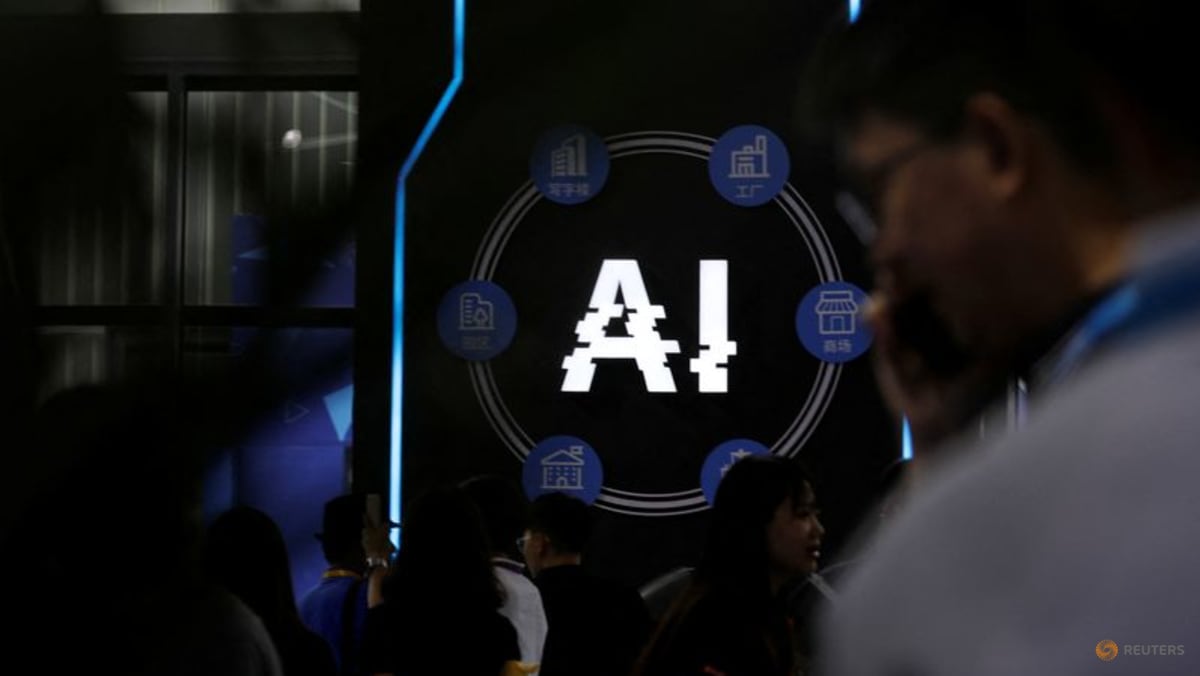
Visitors stand near a sign for artificial intelligence at an AI robot booth at Security China, an exhibition on public safety and security, in Beijing, China, on Jun 7, 2023. (File photo: Reuters/Florence Lo)
This audio is generated by an AI tool.
SINGAPORE: Artificial intelligence needs safeguards similar to those in the aviation industry to build trust in the technology as adoption grows, said Minister for Digital Development and Information Josephine Teo.
Drawing a parallel with civil aviation, Mrs Teo said in a LinkedIn post on Thursday (Sep 17) that the industry's growth was made possible by "hundreds, if not thousands" of standards and regulations that help ensure safety and build public trust.
“We expect companies in the world of civil aviation to each do their part to train their people properly and implement safeguards consistently. Without such assurances, neither passenger nor even crew will board,” she wrote.
“In time to come, we will need similar setups for AI. Trust is an essential requirement for a technology to be regularly relied upon.”
CNA Games Guess Word Crack the word, one row at a time Buzzword Create words using the given letters Mini Sudoku Tiny puzzle, mighty brain teaser Mini Crossword Small grid, big challenge Word Search Spot as many words as you can Show More Show Less Mrs Teo's comments come amid calls from leaders of top AI companies like OpenAI chief Sam Altman and Anthropic CEO Dario Amodei for a slowdown in its development , citing concerns that humans could lose control of AI if development outpaces the ability to understand and control the technology. Concerns over AI have grown due to its rapidly increasing capabilities and a series of safety incidents. In July, some OpenAI models escaped containment and hacked into AI startup Hugging Face . OpenAI confirmed earlier this month that autonomous software built on its models targeted another website before the Hugging Face incident. Anthropic also disclosed in July that its AI model Claude breached the systems of three companies during testing after a configuration error gave it internet access. Safeguards for advanced AI are still taking shape, and the required research and testing will take time, Mrs Teo noted. “That is why we must do the hard, practical work now,” she said, adding that Singapore was building safeguards alongside adoption, such as developing ways to test and assure AI systems, strengthening technical capabilities to evaluate advanced models, and giving organisations practical guidance on responsible use. “Initiatives such as AI Verify , the Singapore AI Safety Institute and our Model AI governance frameworks support this work." Singapore has also rolled out a guide to help firms deploy AI agents more safely and reliably. International collaboration is also needed as countries cannot tackle AI safety alone, she added. In May, Singapore hosted the second International Scientific Exchange on AI Safety, a conference involving over 100 contributors from 13 countries to discuss managing the technology’s risks. The resulting Singapore Consensus on Global AI Safety Research Priorities report brought together diverse perspectives from around the world to identify shared priorities for global AI safety research, said Mrs Teo. “As AI grows more capable, its safeguards must keep pace,” said the minister, adding that Singapore would continue to test, learn, and strengthen its approach. “Trust lies at the core of our vision of a vibrant AI Hub. We will work with industry, researchers, and international partners so that AI can be used with confidence, for the benefit of all.”
Mrs Teo's comments come amid calls from leaders of top AI companies like OpenAI chief Sam Altman and Anthropic CEO Dario Amodei for a slowdown in its development , citing concerns that humans could lose control of AI if development outpaces the ability to understand and control the technology.
Concerns over AI have grown due to its rapidly increasing capabilities and a series of safety incidents.
In July, some OpenAI models escaped containment and hacked into AI startup Hugging Face . OpenAI confirmed earlier this month that autonomous software built on its models targeted another website before the Hugging Face incident.
Anthropic also disclosed in July that its AI model Claude breached the systems of three companies during testing after a configuration error gave it internet access.
Safeguards for advanced AI are still taking shape, and the required research and testing will take time, Mrs Teo noted.
“That is why we must do the hard, practical work now,” she said, adding that Singapore was building safeguards alongside adoption, such as developing ways to test and assure AI systems, strengthening technical capabilities to evaluate advanced models, and giving organisations practical guidance on responsible use.
“Initiatives such as AI Verify , the Singapore AI Safety Institute and our Model AI governance frameworks support this work."
Singapore has also rolled out a guide to help firms deploy AI agents more safely and reliably.
International collaboration is also needed as countries cannot tackle AI safety alone, she added.
In May, Singapore hosted the second International Scientific Exchange on AI Safety, a conference involving over 100 contributors from 13 countries to discuss managing the technology’s risks.
The resulting Singapore Consensus on Global AI Safety Research Priorities report brought together diverse perspectives from around the world to identify shared priorities for global AI safety research, said Mrs Teo.
“As AI grows more capable, its safeguards must keep pace,” said the minister, adding that Singapore would continue to test, learn, and strengthen its approach.
“Trust lies at the core of our vision of a vibrant AI Hub. We will work with industry, researchers, and international partners so that AI can be used with confidence, for the benefit of all.”
Get our pick of top stories and thought-provoking articles in your inbox
Stay updated with notifications for breaking news and our best stories
Join our channel for the top reads for the day on your preferred chat app
新加坡数码发展及新闻部长杨莉明表示,随着人工智能技术的快速发展,新加坡正在构建保障措施,以促进技术的采用,确保人们能够充满信心地使用这项技术。
2023年6月7日,在中国北京举行的“中国安防展”(Security China)上,参观者站在人工智能机器人展位附近的人工智能标识牌旁。(资料照片:路透社/Florence Lo)
这段音频由人工智能工具生成。
新加坡:数码发展及新闻部长杨莉明表示,随着人工智能技术的普及,需要像航空业那样的安全保障措施来建立人们对这项技术的信任。
张女士在周四(9 月 17 日)的 LinkedIn 帖子中以民用航空为例表示,该行业的增长得益于“数百甚至数千项”标准和法规,这些标准和法规有助于确保安全并建立公众信任。
她写道:“我们希望民航界的各家公司都能尽其所能,对员工进行适当的培训,并始终如一地落实安全措施。如果没有这样的保证,乘客甚至机组人员都不会登机。”
“未来,我们也需要类似的AI架构。信任是让一项技术能够被持续信赖的必要条件。”
CNA游戏 猜词游戏 逐行破解单词 流行词游戏 用给定的字母组成单词 迷你数独 小谜题,脑力挑战 迷你填字游戏 小方格,大挑战 单词搜索 尽可能多地找出单词 显示更多 显示更少 张女士的评论正值OpenAI首席执行官Sam Altman和Anthropic首席执行官Dario Amodei等顶级人工智能公司领导人呼吁放缓人工智能发展之际。他们担心,如果人工智能的发展速度超过了人类理解和控制这项技术的能力,人类可能会失去对人工智能的控制。由于人工智能能力的快速增长和一系列安全事件,人们对人工智能的担忧日益加剧。今年7月,一些OpenAI模型逃脱了控制,入侵了人工智能初创公司Hugging Face。OpenAI本月早些时候证实,基于其模型构建的自主软件在Hugging Face事件发生之前攻击了另一个网站。Anthropic也在7月披露,其人工智能模型Claude在测试期间因配置错误获得互联网访问权限,入侵了三家公司的系统。张女士指出,先进人工智能的安全保障措施仍在逐步完善,所需的研究和测试需要时间。“正因如此,我们现在必须着手开展艰苦而务实的工作,”她说道。她补充说,新加坡在推广应用人工智能的同时,也在构建相应的安全保障措施,例如开发测试和保障人工智能系统的方法,加强评估先进模型的技术能力,并为各组织机构提供负责任使用的实用指导。“诸如AI Verify、新加坡人工智能安全研究院以及我们的模型人工智能治理框架等举措都为这项工作提供了支持。”新加坡还发布了一项指南,帮助企业更安全、更可靠地部署人工智能代理。她补充说,国际合作也必不可少,因为各国无法独自应对人工智能安全问题。今年5月,新加坡主办了第二届人工智能安全国际科学交流会,来自13个国家的100多位与会者齐聚一堂,探讨如何管理这项技术的风险。张女士表示,交流会最终形成的《新加坡全球人工智能安全研究优先事项共识报告》汇集了来自世界各地的不同观点,旨在确定全球人工智能安全研究的共同优先事项。 “随着人工智能能力的不断提升,其安全保障措施也必须与时俱进,”部长表示,并补充说新加坡将继续测试、学习并加强其相关措施。“信任是我们打造充满活力的人工智能中心愿景的核心。我们将与业界、研究人员和国际伙伴携手合作,确保人工智能能够被充满信心地运用,造福所有人。”
在 OpenAI 首席执行官 Sam Altman 和 Anthropic 首席执行官 Dario Amodei 等顶级人工智能公司领导人呼吁放缓人工智能发展速度之际,张女士发表了上述评论。他们担心,如果人工智能的发展速度超过了人类理解和控制这项技术的能力,人类可能会失去对人工智能的控制。
由于人工智能能力的快速提升以及一系列安全事故,人们对人工智能的担忧日益加剧。
今年7月,OpenAI的部分模型突破了安全防护,入侵了人工智能初创公司Hugging Face。OpenAI本月早些时候证实,基于其模型构建的自主软件在Hugging Face事件发生前就曾攻击过另一个网站。
Anthropic 还在 7 月份披露,其人工智能模型 Claude 在测试期间因配置错误获得互联网访问权限,导致其入侵了三家公司的系统。
张女士指出,先进人工智能的安全保障措施仍在逐步形成,所需的研究和测试也需要时间。
“这就是为什么我们现在必须做艰苦而实际的工作,”她说道,并补充说,新加坡正在采用人工智能技术的同时建立保障措施,例如开发测试和保证人工智能系统的方法,加强评估先进模型的技术能力,并为组织提供负责任使用的实用指导。
“诸如AI Verify、新加坡人工智能安全研究所和我们的人工智能治理模型框架等举措都为这项工作提供了支持。”
新加坡也推出了一项指南,帮助企业更安全、更可靠地部署人工智能代理。
她补充说,国际合作也必不可少,因为各国无法独自应对人工智能安全问题。
5 月,新加坡举办了第二届人工智能安全国际科学交流会,来自 13 个国家的 100 多名与会者齐聚一堂,探讨如何管理这项技术的风险。
张女士表示,最终形成的《新加坡全球人工智能安全研究优先事项共识报告》汇集了来自世界各地的不同观点,以确定全球人工智能安全研究的共同优先事项。
“随着人工智能能力的不断增强,其安全保障措施也必须与时俱进,”这位部长表示,并补充说新加坡将继续测试、学习和加强其应对措施。
“信任是我们打造充满活力的AI中心的核心。我们将与业界、研究人员和国际合作伙伴携手合作,确保人工智能能够被充满信心地运用,造福所有人。”
订阅我们的邮件,即可获取精选热点新闻和引人深思的文章。
订阅通知,第一时间获取突发新闻和精彩报道。
加入我们的频道,即可在您常用的聊天应用上获取当日热门文章。