What makes a town happy? Mersing, Kluang and Simpang Renggam offer different answers是什么让一座城市变得幸福?丰盛港、居銮和新邦令金给出了不同的答案
MERSING, Sept 4 — There are no mega shopping malls, traffic congestion is not part of the daily routine, and life moves at a gentler pace.Yet these are among the very qualities...
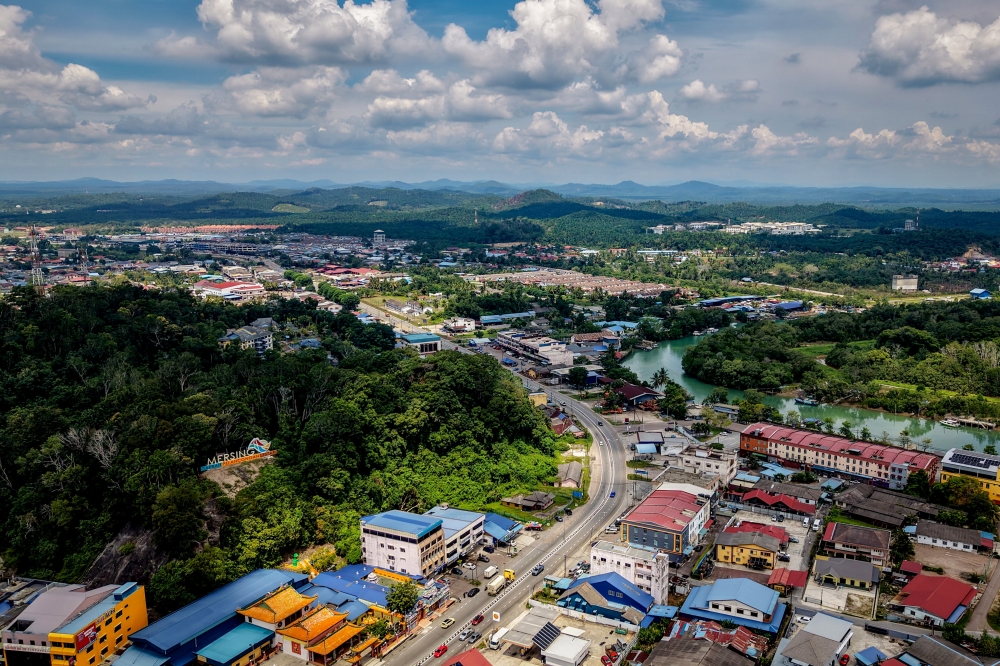
The coastal district of Mersing, known for its tranquil, community-oriented lifestyle, contrasts with the public amenities and economic opportunities that define happiness in Kluang and Simpang Renggam.
Despite differing strengths, these towns in Johor emphasize that happiness stems from a balance between development and preserving community ties, safety, and natural beauty.
Mersing's identity as a "healing haven" is preserved even as tourism grows, while Kluang and Simpang Renggam focus on amenities, infrastructure, and service delivery to enhance quality of life.
Recognition as happy towns highlights the importance of maintaining a balance between progress and community wellbeing.
MERSING, Sept 4 — There are no mega shopping malls, traffic congestion is not part of the daily routine, and life moves at a gentler pace.
Yet these are among the very qualities that give Mersing, a coastal district, its own distinctive definition of happiness.
For Kluang and Simpang Renggam, meanwhile, well-being is reflected in public amenities, infrastructure, economic opportunities, safety and the delivery of services that support everyday life.
Despite their different backgrounds and strengths, the three towns in Johor demonstrate that the happiness of a town’s residents is not measured solely by rapid development and modernity.
It also depends on a balance between work and life, a safe environment, strong community ties and development that meets the needs of its people.
Mersing, Kluang and Simpang Renggam were among the 10 recipients of the 2026 Happiest Towns Award, conferred by the Ministry of Housing and Local Government last April.
Also making the list were Dabong in Kelantan; Kuala Terengganu, Marang and Permaisuri in Terengganu; Lipis and Raub in Pahang; and Ranau in Sabah.
Mersing: A ‘quiet old-time’ district that soothes
Located about 136 kilometres from Johor Bahru, Mersing is often perceived as a small, quiet and “old-fashioned” district.
But beneath that perception lies a coastal town with a rhythm and character of its own.
The activities of the fishing community, boats coming and going from the jetty, and the arrival of tourists are all part of the district’s daily life.
Mersing is also a gateway to a string of islands, including Pulau Aur, Pulau Tinggi, Pulau Besar, Pulau Pemanggil and Pulau Sibu, as well as Pulau Tioman in Pahang.
The lifestyle of its people is also shaped by East Coast traditions, reflected not only in their dialect and food such as nasi dagang, keropok lekor and satar, but also in pastimes such as dam soksek , a board game similar to dam haji that is commonly played in the evenings.
For some residents, happiness may simply mean strolling along the beach and enjoying the sea breeze, fishing, or spending time with family and friends.
That slower pace of life has become part of Mersing’s identity, something that needs to be preserved amid the demands of development.
A ‘healing haven’, not a race for development
Mersing District Council president Abdul Karim Bakar said happiness was subjective and meant different things to different people.
As such, development in the district was being carried out with the needs of the community in mind, without sacrificing its identity and natural advantages.
He said attention was also given to safety, the safe-town concept and low-carbon initiatives, as well as basic amenities such as drainage systems, waste management and roads under the supervision of the local authority.
“For some people, happiness means having shopping malls and entertainment, but we want to keep Mersing as it is so that people have the option of coming here to enjoy a peaceful atmosphere surrounded by nature,” he told Bernama.
Abdul Karim described Mersing as a “healing haven” offering “peace of mind”, including roads that are generally free from heavy congestion except during festive seasons and long holidays.
At the same time, he said, responding to public complaints and maintaining close ties between the local authority, community, council members and non-governmental organisations (NGOs) were important to continuously improve the quality of services.
Community at the heart of happiness
In Kampung Bahagia/Sri Lumpur, a strong sense of togetherness is among the factors that make residents feel comfortable living in the area.
Kampung Bahagia/Sri Lumpur head Daing Ibrahim Yacob said local harmony was maintained through close community ties and cooperation among various agencies, including the Royal Malaysia Police (PDRM), Voluntary Patrol Scheme (SRS), Rukun Tetangga (KRT) and National Anti-Drug Agency (AADK).
However, he said efforts to improve residents’ well-being must continue, particularly by strengthening the local economy and systematically improving infrastructure and basic amenities.
For Md Deiah Idris, 67, who has lived there since 1989, close neighbourhood ties have made everyday life more meaningful.
“I am happy because my family lives nearby, and many of my neighbours are also relatives. We also often rent boats and go island-hopping together. It is really enjoyable,” she said.
Husband-and-wife Mohd Yassin Mohd Lazim, 72, and Zainab Abu Bakar, 73, who hail from Pulau Pemanggil and have lived in the village for more than 20 years, shared a similar view.
“We feel comfortable because the village is peaceful and harmonious, and everyone is a good neighbour. So far, there have been no problems with criminal activities here,” said Mohd Yassin, a father of six.
Tourism grows, but tranquillity remains
Mersing’s tranquillity does not mean its economy has come to a standstill.
Siti Najdah Shaik Omar, 51, a trader at Mersing Jetty, said the arrival of tourists, particularly from Singapore and China, had picked up again following the end of the Northeast Monsoon in March.
She said items such as souvenirs, keychains, dry bags, slippers and waterproof phone cases, as well as clothing, pareos, accessories and sunglasses, were among the popular purchases before tourists continued their journey to the islands.
Some tourists even make last-minute purchases after items ordered through e-commerce platforms fail to arrive in time.
“So, we take note of the types of products customers need and stock them according to demand,” she said.
At the same time, however, locals do not want tourism development in Mersing to come at the expense of what makes the district special.
Mersing Tourism Association (MTA) secretary Ahmad Firdaus Shaik Omar said the district was not pursuing large-scale tourism, but rather seeking to strike a balance between visitor numbers and the well-being of the local community.
He said Mersing offered a variety of attractions, including island-hopping, snorkelling, scuba diving and scenic islands, as well as about 125 beaches that serve as important tourism assets.
However, the association rejected the concept of mass tourism, which it viewed as potentially putting pressure on the area’s carrying capacity - the maximum number of tourists that can be accommodated at any one time - and disrupting its tranquillity.
Instead, it favours gradual and controlled tourism growth.
According to Ahmad Firdaus, the presence of marine parks and national parks with rich biodiversity further strengthens Mersing’s position as a nature-based tourism destination, including among European visitors.
Happiness does not have to mean ‘perfect’
Being recognised as a happy town does not necessarily mean Mersing is “perfect” in every respect.
Dutch tourist Jantine De Jong, 35, praised the district for its good food and attractive scenery, but said there was still room for improvement.
On her second visit to Mersing, where she stayed overnight after returning from Pulau Tioman, she said the district could offer more attractions at night.
“There is no night market near the jetty, and you cannot swim at the beach, so it feels more like being at a harbour than a jetty,” she said.
Her observations highlight one of Mersing’s challenges: improving facilities and the visitor experience without compromising the tranquillity that defines the district.
Besides the environment and community, safety is another important element in creating a sense of comfort for both residents and tourists.
Mersing District Police chief Supt Abdul Razak Abdullah Sani said public safety and security remained at a good level, with a low crime rate enabling economic and social activities to proceed smoothly.
He said a continuous police presence through Mobile Patrol Vehicles (MPVs) and Motorcycle Patrol Units (URBs) helped enhance the community’s sense of safety and tourists’ confidence.
Community cooperation through school and mosque liaison officers, KRT and SRS also strengthened crime prevention and awareness efforts, helping to prevent members of the public from becoming victims.
Kluang and Simpang Renggam offer different definitions
If Mersing stands out for its natural tranquillity and coastal community lifestyle, Kluang and Simpang Renggam offer a different definition of happiness, supported by public amenities, economic opportunities and services that meet residents’ needs.
Kluang District Officer Azurawati Wahid said the achievement of the two local authorities under her administration - Kluang Municipal Council (MPK) and Simpang Renggam District Council (MDSR) - in making the list of the 10 happiest towns was the result of concerted efforts by various parties, including government agencies, local communities and the private sector.
She said happiness should not be measured solely in material terms, but should also encompass a balance in daily life, a harmonious environment and opportunities for people to enjoy a better quality of life.
“A less congested and more relaxed lifestyle, as well as a balance between work and life, also contributes to the mental and physical well-being of residents,” she said.
She said adequate basic amenities, public facilities and good infrastructure also played an important role in strengthening social networks within the community, thereby creating a stronger sense of belonging among residents.
“This achievement reflects a shared commitment and collective effort to ensure that physical development, economic progress and service delivery are carried out in a balanced manner to create a sustainable and prosperous urban environment,” she said.
Community initiatives support well-being
Azurawati said various initiatives had been and were continuing to be implemented by the local authorities together with relevant departments and agencies to strengthen residents’ well-being in both areas.
These include the Kluang Sustainable Community Programme, low-carbon initiatives, Car-Free Day, recycling programmes and the implementation of the Smart Town agenda, with a focus on using technology in urban management.
Public services have also been strengthened through free Bas Muafakat Johor services and mobile counters, alongside efforts to transform public spaces into community activity hubs to encourage social interaction and healthy lifestyles.
Under MPK, popular locations include Laman Rel Mahkota, Laman Kreatif, Laman Komuniti, Laman Pesona, Taman Tasik and Taman Rekreasi Gunung Lambak.
In Simpang Renggam, facilities include Laman Simpang Renggam, Taman Hutan Bandar and the Tunku Mahkota Ismail Youth Centre (TMIYC) Renggam, alongside landscaping and mural projects aimed at creating a more conducive and safer environment.
According to Azurawati, residents’ well-being is also supported through access to healthcare, education, security, religious, sports and recreational facilities available to all segments of society.
Jobs, cost of living also shape happiness
Beyond physical amenities, Azurawati said educational and employment opportunities were important factors influencing quality of life, particularly in ensuring that young people have opportunities to build their future in their home district.
Kluang has several skills-based and Technical and Vocational Education and Training (TVET) institutions, including Kluang Vocational College, Kluang Community College, GIATMARA and private institutions.
She said employment opportunities were available in line with the district’s economic potential and strengths, particularly in agriculture, manufacturing and services.
At the same time, a manageable cost of living contributes to a better life balance, while active community participation in programmes and initiatives organised by the government, private sector and NGOs helps maintain harmony and strengthen social ties.
Recognition comes with challenges
However, Azurawati said recognition as a happy town did not mean there was no room for improvement, as the local authorities continued to face various challenges that required sustained attention.
Key challenges include urban cleanliness, maintenance of public facilities and infrastructure, customer service efficiency and rising costs.
On cleanliness, she said solid waste management needed to be strengthened alongside greater public awareness of the importance of keeping the environment clean and effective enforcement measures.
There was also a continuing need to upgrade and maintain roads, drainage systems, street lighting and recreational facilities to ensure residents’ safety and comfort.
Rising maintenance costs, expanding infrastructure networks and larger service areas also posed challenges for local authorities in meeting the needs of the community.
Customer service also remained a priority, particularly in ensuring faster, more efficient and responsive delivery in addressing public complaints and needs.
This includes strengthening online complaint systems, improving service delivery and digital payment efficiency, and enhancing communication between local authorities and the community.
Keeping cities happy requires continued effort
To maintain the achievement, Azurawati said emphasis would continue to be placed on holistic and sustainable urban and rural development.
These efforts include expanding the use of smart technology, improving infrastructure maintenance, preserving environmental sustainability and enhancing service delivery efficiency.
However, efforts to sustain well-being cannot rest solely with the government and local authorities.
They require the continued involvement of the community to ensure that responsibility for caring for towns and villages is shared by all.
Meanwhile, Kluang District Police chief ACP Bahrin Mohd Noh said a good level of safety was also an important factor contributing to the well-being of a town.
He said crime rates involving offences such as theft, robbery and vandalism remained low as a result of cooperation between the police and the local community.
“Strong neighbourhood ties and community cooperation help ensure that the situation remains safe and harmonious,” he said. — Bernama
After eight-year journey, spacecraft bound for Mercury faces ‘tricky’ arrival
‘Just the beginning’: Thailand’s dinosaur rush could soon uncover its 16th species
‘Merdeka!’ rings out in Brussels as Malaysians celebrate National Day abroad
PAS does not need manifesto pledge on gambling ban, says Kedah MB
Man injured in suspected shooting at Machang Bubok used car workshop
Lim Guan Eng calls for action against Zahid over RM2.1b Rural Development Ministry overspending
以宁静祥和、社区导向的生活方式而闻名的沿海地区丰盛港,与居銮和新邦令金的公共设施和经济机会形成了鲜明对比,后者才是幸福的象征。
尽管柔佛州的这些城镇各有优势,但它们都强调,幸福源于发展与维护社区关系、安全和自然美景之间的平衡。
尽管旅游业蓬勃发展,但丰盛港作为“疗养胜地”的特色依然得以保留;而居銮和新邦令金则专注于便利设施、基础设施和服务提供,以提高生活质量。
被评为幸福城镇凸显了在发展与社区福祉之间保持平衡的重要性。
丰盛港,9月4日——这里没有大型购物中心,交通拥堵也不是日常生活的一部分,生活节奏也比较舒缓。
然而,正是这些特质,使得沿海地区丰盛港拥有了自己独特的幸福定义。
与此同时,对于居銮和新邦令金而言,福祉体现在公共设施、基础设施、经济机会、安全以及支持日常生活的服务提供方面。
尽管柔佛州的这三个城镇背景和优势各不相同,但它们都表明,衡量一个城镇居民幸福的标准,不仅仅是快速发展和现代化。
它还取决于工作与生活的平衡、安全的环境、牢固的社区联系以及满足人民需求的发展。
丰盛港、居銮和新邦令金是 2026 年最幸福城镇奖的 10 个获奖城镇之一,该奖项由房屋及地方政府部于去年 4 月颁发。
吉兰丹州的 Dabong 也上榜;瓜拉登嘉楼州、马兰和登嘉楼州的Permaisuri;彭亨州的立卑 (Lipis) 和劳勿 (Raub);和沙巴的拉瑙。
丰盛港:一个令人心旷神怡的“宁静古朴”街区
丰盛港位于新山以西约 136 公里处,通常被认为是一个小型、安静且“古老”的地区。
但在那层表象之下,隐藏着一座拥有独特节奏和个性的沿海小镇。
渔民的活动、码头上来来往往的船只以及游客的到来,都是该地区日常生活的一部分。
丰盛港也是通往一系列岛屿的门户,包括奥尔岛、丁宜岛、大岛、彭曼吉尔岛和诗巫岛,以及彭亨州的刁曼岛。
当地人民的生活方式也受到东海岸传统的影响,这不仅体现在他们的方言和食物上,如 nasi dagang、keropok lekor 和 satar,还体现在他们的消遣方式上,如 dam soksek,一种类似于 dam haji 的棋盘游戏,通常在晚上玩。
对一些居民来说,幸福可能仅仅意味着沿着海滩漫步,享受海风,钓鱼,或者与家人和朋友共度时光。
这种较慢的生活节奏已经成为梅尔辛的特色之一,在发展的需求中,这种特色需要被保留下来。
一个“疗愈天堂”,而不是一场发展竞赛。
丰盛港区议会主席阿卜杜勒·卡里姆·巴卡尔表示,幸福是主观的,对不同的人来说意义不同。
因此,该地区的发展是以社区的需求为导向的,没有牺牲其特色和自然优势。
他还表示,当局也重视安全、安全城镇理念和低碳举措,以及排水系统、废物管理和道路等基本设施,这些都由地方当局监督。
“对一些人来说,幸福意味着拥有购物中心和娱乐场所,但我们希望保持丰盛港的原貌,让人们可以选择来这里享受被大自然环绕的宁静氛围,”他告诉马新社。
阿卜杜勒·卡里姆将梅尔辛描述为一个“疗愈天堂”,提供“心灵的平静”,包括道路通常不会出现严重的拥堵,除非在节假日和长假期间。
与此同时,他表示,回应公众投诉以及保持地方政府、社区、议员和非政府组织之间的密切联系,对于不断提高服务质量至关重要。
社区是幸福的核心
在甘榜巴哈吉亚/斯里兰卡,强烈的团结意识是让居民感到在该地区生活舒适的因素之一。
Kampung Bahagia/斯里兰卡负责人Daing Ibrahim Yacob表示,通过密切的社区联系以及各机构之间的合作,包括马来西亚皇家警察(PDRM)、志愿巡逻计划(SRS)、Rukun Tetangga(KRT)和国家禁毒机构(AADK),维持了当地的和谐。
但他表示,必须继续努力改善居民的福祉,特别是通过加强当地经济和系统地改善基础设施和基本设施。
对于自 1989 年以来一直居住在那里的 67 岁的 Md Deiah Idris 来说,紧密的邻里关系让日常生活更有意义。
“我很开心,因为我的家人就住在附近,而且我的很多邻居也是亲戚。我们经常一起租船去各个岛屿游玩。这真的很有意思,”她说。
来自 Pulau Pemanggil 的 72 岁的 Mohd Yassin Mohd Lazim 和 73 岁的 Zainab Abu Bakar 夫妇在该村生活了 20 多年,他们也有类似的看法。
“我们感觉很安心,因为村子很平静祥和,邻里关系也很好。到目前为止,这里还没有发生过任何犯罪活动,”六个孩子的父亲莫哈末·亚辛说道。
旅游业发展,但宁静依旧。
梅尔辛的平静并不意味着其经济停滞不前。
51岁的Siti Najdah Shaik Omar是丰盛港码头的一名商贩,她说,随着3月份东北季风的结束,游客的到来,特别是来自新加坡和中国的游客,又开始增多。
她说,纪念品、钥匙扣、防水袋、拖鞋和防水手机壳,以及服装、沙滩巾、配饰和太阳镜等物品,都是游客在继续前往岛屿的旅程之前热衷购买的商品。
有些游客甚至会在通过电商平台订购的商品未能及时送达后,临时进行补货。
“所以,我们会留意顾客需要的产品类型,并根据需求进货,”她说。
但与此同时,当地居民不希望丰盛港的旅游业发展以牺牲该地区的独特之处为代价。
梅尔辛旅游协会(MTA)秘书艾哈迈德·菲尔道斯·沙伊克·奥马尔表示,该地区并不追求大规模旅游,而是寻求在游客数量和当地社区福祉之间取得平衡。
他表示,丰盛港提供各种各样的旅游项目,包括跳岛游、浮潜、水肺潜水和风景优美的岛屿,以及大约 125 个海滩,这些都是重要的旅游资源。
然而,该协会拒绝了大众旅游的概念,认为大众旅游可能会给该地区的承载能力(即一次可以容纳的最大游客数量)带来压力,并扰乱该地区的宁静。
相反,它更倾向于循序渐进、可控的旅游业增长。
据艾哈迈德·菲尔道斯称,海洋公园和国家公园拥有丰富的生物多样性,进一步巩固了梅尔辛作为自然旅游目的地的地位,包括在欧洲游客中的地位。
幸福并不一定意味着“完美”。
被誉为幸福小镇并不一定意味着梅尔辛在各个方面都“完美无缺”。
35岁的荷兰游客詹蒂娜·德容称赞该地区美食众多、风景优美,但她也表示该地区还有改进的空间。
在她第二次到访丰盛港时(她从刁曼岛返回后在那里过夜),她说该地区晚上可以提供更多景点。
“码头附近没有夜市,也不能在海滩游泳,所以感觉更像是在港口而不是码头,”她说。
她的观察突显了梅尔辛面临的挑战之一:在不损害该地区宁静氛围的前提下,改善设施和游客体验。
除了环境和社区之外,安全也是营造居民和游客舒适感的重要因素。
丰盛港警区主任阿卜杜勒·拉扎克·阿卜杜拉·萨尼警监表示,公共安全状况依然良好,犯罪率低,经济和社会活动得以顺利进行。
他表示,通过机动巡逻车 (MPV) 和摩托车巡逻队 (URB) 持续的警力部署,有助于增强社区的安全感和游客的信心。
通过学校和清真寺联络官、KRT 和 SRS 的社区合作,也加强了犯罪预防和提高意识的工作,帮助防止公众成员成为受害者。
居銮和新邦令金提供不同的定义
如果说丰盛港以其自然的宁静和沿海社区生活方式而著称,那么居銮和新邦令金则提供了另一种幸福的定义,这里有公共设施、经济机会和满足居民需求的各种服务。
居銮县长阿祖拉瓦蒂·瓦希德表示,她管辖的两个地方政府——居銮市议会(MPK)和新邦令金县议会(MDSR)——能够跻身十大最幸福城镇之列,是包括政府机构、当地社区和私营部门在内的各方共同努力的结果。
她表示,幸福不应该仅仅用物质来衡量,还应该包括日常生活的平衡、和谐的环境以及人们享受更高质量生活的机会。
她表示:“不那么拥挤、更轻松的生活方式,以及工作与生活的平衡,也有助于居民的身心健康。”
她表示,充足的基本生活设施、公共设施和良好的基础设施在加强社区内的社会网络方面也发挥了重要作用,从而增强了居民的归属感。
她表示:“这一成就体现了我们共同的承诺和集体努力,以确保实体发展、经济进步和服务提供以平衡的方式进行,从而创造一个可持续和繁荣的城市环境。”
社区举措促进福祉
阿祖拉瓦蒂表示,地方当局已经并将继续与相关部门和机构一起实施各种举措,以加强这两个地区居民的福祉。
这些举措包括居銮可持续社区计划、低碳倡议、无车日、回收计划以及智慧城镇议程的实施,重点是利用技术进行城市管理。
柔佛州还通过免费的 Bas Muafakat Johor 服务和流动服务台加强了公共服务,同时努力将公共空间改造成社区活动中心,以鼓励社交互动和健康的生活方式。
根据 MPK,热门地点包括 Laman Rel Mahkota、Laman Kreatif、Laman Komuniti、Laman Pesona、Taman Tasik 和 Taman Rekreasi Gunung Lambak。
新邦令金 (Simpang Renggam) 的设施包括 Laman Simpang Renggam、Taman Hutan Bandar 和 Tunku Mahkota Ismail Youth Centre (TMIYC) Renggam,以及旨在创造一个更有利和更安全的环境的景观美化和壁画项目。
据阿祖拉瓦蒂称,居民的福祉也得益于社会各阶层都能获得医疗保健、教育、安全、宗教、体育和娱乐设施。
工作和生活成本也会影响幸福感。
阿祖拉瓦蒂表示,除了物质条件之外,教育和就业机会也是影响生活质量的重要因素,尤其是在确保年轻人有机会在家乡地区建设未来方面。
居銮拥有多所技能型和技术与职业教育培训 (TVET) 机构,包括居銮职业学院、居銮社区学院、GIATMARA 和私立机构。
她表示,该地区的就业机会与其经济潜力和优势相符,尤其是在农业、制造业和服务业。
同时,适中的生活成本有助于更好地平衡生活,而积极参与政府、私营部门和非政府组织组织的各项计划和活动,有助于维护和谐,加强社会联系。
获得认可的同时,也伴随着挑战。
然而,阿祖拉瓦蒂表示,被评为幸福小镇并不意味着没有改进的空间,因为地方当局仍然面临着各种挑战,需要持续关注。
主要挑战包括城市清洁、公共设施和基础设施的维护、客户服务效率和成本上升。
关于清洁问题,她表示,需要加强固体废物管理,同时提高公众对保持环境清洁重要性的认识,并采取有效的执法措施。
此外,还需要不断升级和维护道路、排水系统、路灯和娱乐设施,以确保居民的安全和舒适。
不断上涨的维护成本、不断扩大的基础设施网络和更大的服务区域也给地方政府满足社区需求带来了挑战。
客户服务仍然是重中之重,尤其是在确保更快、更高效、更迅速地回应公众投诉和需求方面。
这包括加强在线投诉系统、提高服务交付和数字支付效率,以及加强地方政府与社区之间的沟通。
要让城市居民感到幸福,需要持续不断的努力。
阿祖拉瓦蒂表示,为了保持这一成就,将继续重视城乡的全面和可持续发展。
这些努力包括扩大智能技术的应用、改善基础设施维护、维护环境可持续性以及提高服务交付效率。
然而,维持人民福祉的努力不能仅仅依靠政府和地方当局。
他们需要社区的持续参与,以确保城镇和乡村的照料责任由所有人共同承担。
与此同时,居銮警区主任巴林·莫哈末·诺助理警监表示,良好的安全状况也是城镇福祉的重要因素。
他表示,由于警方与当地社区的合作,盗窃、抢劫和故意破坏等犯罪率仍然很低。
他说:“牢固的邻里关系和社区合作有助于确保局势保持安全和谐。”——马新社
历经八年漫长旅程,前往水星的探测器将面临“棘手”的抵达。
“这仅仅是个开始”:泰国的恐龙热潮或将很快发现第16种恐龙
马来西亚人在海外庆祝国庆日,布鲁塞尔响起“默迪卡!”的欢呼声。
吉打州务大臣表示,伊斯兰党无需在竞选宣言中承诺禁止赌博。
马昌武博二手车修理厂疑似发生枪击事件,一名男子受伤
林冠英呼吁对扎希德采取行动,追究其挪用乡村发展部21亿令吉资金的责任。