Why fish soup stall owner Low Boon Chuan took a $300,000 gamble on a Bedok coffee shop为什么鱼汤摊老板刘文泉要冒着30万新元的风险在勿洛咖啡店开店?
Low Boon Chuan revitalised a Bedok coffee shop with reduced rents and new tenants, aiming to support stallholders and create a vibrant community space. Read more at straitstimes.com.
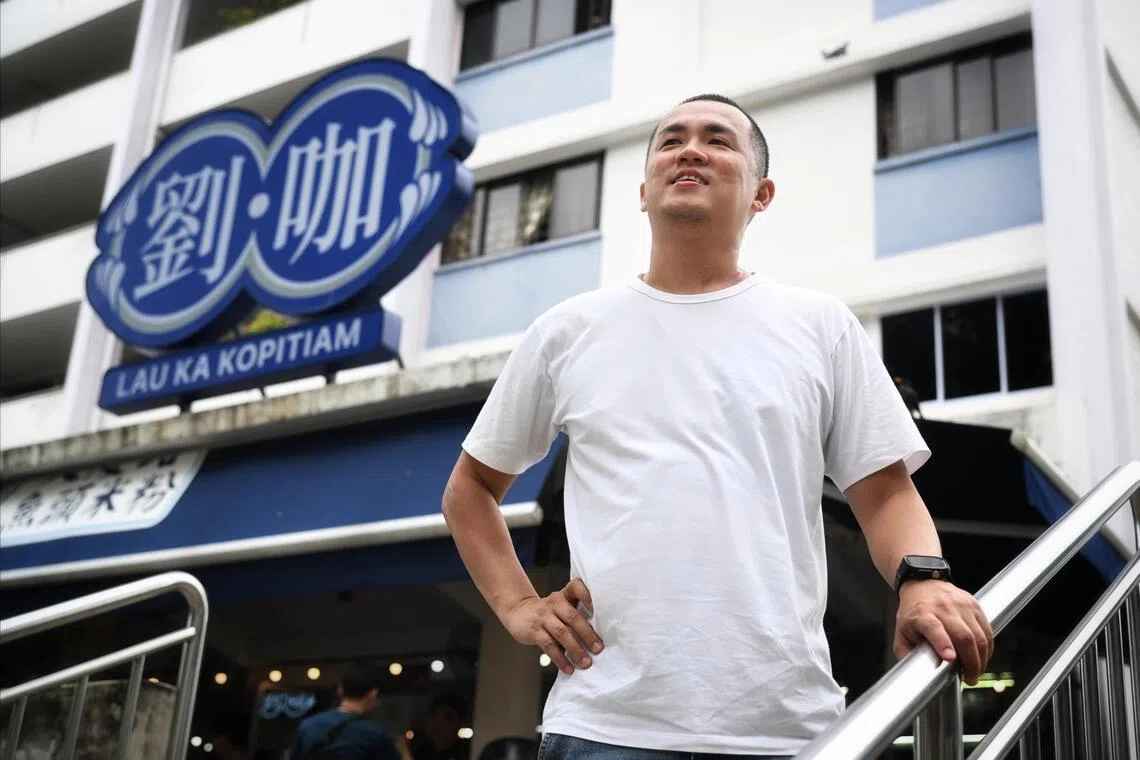
Low Boon Chuan at his Lau Ka Kopitiam in Bedok that also houses his Boon Keng Road Fish Head Bee Hoon stall.
ST PHOTO: CHONG JUN LIANG
Published Sep 19, 2026, 09:55 AM
Updated Sep 19, 2026, 09:55 AM
Low Boon Chuan took a $300,000 loan to take over and revive Lau Ka Kopitiam in Bedok, reducing rents and upgrading the premises to attract tenants and customers.
Despite full tenancy and busier crowds, Low earns less than before, subsidising rents to support stallholders and aiming for long-term survival.
His journey from reluctant helper to coffee shop owner reflects hard work, personal growth and commitment to family and community, though he remains cautious about calling it a success.
SINGAPORE – Once a sleepy coffee shop with nearly half its stalls vacant, Lau Ka Kopitiam in Bedok North is now buzzing at meal times and crowded on weekends.
The transformation took place within a year of second-generation fish soup stall owner Low Boon Chuan taking over the coffee shop in October 2025 with a $300,000 bank loan.
At the time, three of its eight food stalls had been empty for almost a year. When Low learnt that the previous operator wanted to lease out the premises, he was worried that whoever took over might raise his rent.
Another coffee-shop operator across the road, who had heard the news, offered him a stall. But Low turned him down.
His Boon Keng Road Fish Head Bee Hoon stall, started by his mother in a Boon Keng Road industrial canteen in 1998, has been at the present coffee shop since 2005.
“My weak point is that I wanted to keep my stall here because business is stable ,” says Low, 40.
Instead of waiting to see who would become his new landlord, he approached the operator and landlord to take over the coffee shop himself.
Coffee-shop takeover
Of the $300,000 loan, $170,000 went towards the takeover fee. Rent for the entire coffee shop at Block 416 Bedok North Avenue 2 is $34,000 a month.
But instead of passing the cost on to his tenants, Low cut rent by about 30 per cent to fill the three vacant stalls.
It was a practical decision. Many customers who come for his fish soup skip ordering drinks. Now that he is operating the coffee shop and drinks stall, he needed more food choices to draw diners and boost beverage sales.
He brought in tenants including Chong Pang Huat, known for barbecued chicken wings and satay, as well as a zi char stall and economy bee hoon stall.
Low also spent more than $10,000 to spruce up the premises, including installing 17 large wall fans, changing the tables and putting up a new awning.
He renamed the place Lau Ka Kopitiam, a play on his surname and the Hokkien term for “downstairs”. The name reflects his desire for the coffee shop to become a meeting place for residents in the neighbourhood.
He also hired two dishwashers, who help stallholders wash crockery and clear trays, keeping the dining area cleaner than before. Low says the improved hygiene has also reduced the number of birds at the coffee shop.
He plans to renovate the toilet next and make it more senior-friendly. This is partly for the sake of his mother, Tan Chwee Lian, 71, who still works part-time as a cashier at the fish soup stall.
Low spent $10.000 to spruce up the coffee shop with new paint, more fans and LED lights. ST PHOTO: CHONG JUN LIANG
Low spent $10.000 to spruce up the coffee shop with new paint, more fans and LED lights.
Low no longer allows her to cook, despite requests from some customers. In the last few years, she had fallen several times, including on the slippery kitchen floor. One fall in the toilet left her hospitalised with a broken wrist.
Despite his efforts to support his tenants, the journey to date has not been without casualties.
The economy bee hoon stall threw in the towel after six months and was replaced by a satay bee hoon stall. A Thai stall selling laksa and fried chicken called it quits after seven months.
But Low managed to bring in an established name, Eng Kee Chicken Wings, which opened its Bedok North outlet there on Sept 11.
Today, all eight food stalls are occupied.
Yet, for all the outward signs of success – full tenancy, packed weekend tables and motorists sometimes struggling to find a parking space in the carpark behind – Low says running the coffee shop is less profitable for him than running only his fish soup stall.
He earns a four-figure salary and has cut his own pay by about 30 per cent, using profits from his stall to help subsidise rents for newer tenants.
Nearly a year after lowering rents, he has kept them at the reduced level. “I want all the stalls in my kopitiam to have proper earnings rather than to close down and I have to bring in new tenants,” he says.
Asked if the gamble has been worth it, he says it is too early to tell. He still has another four years to repay the loan. He reckons it may take another two years to break even.
His reason for taking the risk was simply to survive. He had no intention to be a coffee-shop boss.
Low had helped his parents, who started as fishmongers, at their wet market stall and later started selling fish soup , from the age of seven. But as a teenager, he was more interested in basketball and billiards.
He failed his N levels and O levels, which he took as a private candidate. He then enlisted early for national service and signed on as a regular, but quit in 2008 as he wanted a higher income.
The army, he says, taught him discipline and how to push himself.
“There were times when I felt I couldn’t pull through the hardship. But when I felt physically stretched to my limits, somehow I managed to push through.”
After leaving the army, he started a mobile car-grooming business, buying a second-hand van with a $32,000 bank loan. But business was slow and he supplemented his income by doing deliveries.
His mother asked him around 2010 to join her business, saying she was getting older and that he should learn to cook and run the stall.
He turned her down several times before joining part-time in 2011, working from 7pm to 11pm while continuing his delivery jobs.
“I wasn’t close to my mother at that time. I was usually curt to her and felt irritable whenever she spoke to me,” he says.
He manned the cashier and took orders. “I didn’t enjoy working at the stall. It was hot and exceedingly humid, especially with the boiling vats of stock and soup.”
What changed his mind was seeing another cook behave rudely towards his mother.
Low decided to learn to prepare the stocks and cook a la minute for customers so she would not have to depend on the employee. It was physically tiring, but he persisted.
Customers shunned him because he did not give as many fish slices as his mother. Some retracted their orders when they saw him cooking. Others specifically asked his mother not to let him prepare their food.
“I would tell them, ‘Then don’t eat’,” he says. “I chased a lot of customers away.
“I was young and took offence easily. I couldn’t control my emotions.”
It took him about a year to master cooking the fish soup.
Low Boon Chuan took a year to master cooking fish soup. ST PHOTO: CHONG JUN LIANG
Low Boon Chuan took a year to master cooking fish soup.
Working alongside his mother also changed their relationship.
“Working at the stall made me realise how much my mother had sacrificed to raise me and keep the business running,” he says.
By 2015, Low had joined the stall full-time on a fixed monthly salary of $2,000.
He began noticing weaknesses in the business.
“Despite the long queues, the business was not profitable because my mother had no idea about costing. She undercharged customers and often gave regulars too much fish or big discounts,” he says.
He also discovered money disappearing from the till.
Low officially took over the business in 2016, introducing upfront payment and a pager system, and tightening portion and cost controls.
He kept his mother’s recipes largely intact, adding housemade minced pork balls flavoured with flatfish to the fish soup.
The stall’s premium signature is Sliced Red Grouper Soup ($9 for small, $13 for medium and $17 for large).
Low prepares the stock himself after closing. Dried flatfish is fried whole and crushed before being added to batang bones and large pork bones.
The stock takes three hours to boil. Fresh fish, including red grouper, arrives daily from a supplier at Jurong Fishery Port.
Sliced Red Grouper Soup at Boon Keng Road Fish Head Bee Hoon stall, located at the Lau Ka Kopitiam. ST PHOTO: CHONG JUN LIANG
Sliced Red Grouper Soup at Boon Keng Road Fish Head Bee Hoon stall, located at the Lau Ka Kopitiam.
Another popular item is Pig’s Stomach Soup ($5 for small, $8 for medium and $11 for large). Tender slices of pig’s stomach come in a cloudy white broth with a sharp spicy kick from white peppercorns.
Pig’s Stomach Soup. ST PHOTO: CHONG JUN LIANG
By 2024, Low had overhauled the team of six fish soup stall employees and trained them well enough for the business to operate without him constantly being there.
He finally had more time to go fishing and deliver donated meals to nursing homes and senior centres, something he has done for close to a decade.
But taking over the coffee shop led to a drastic change in his routine and lifestyle.
Low, who describes himself as an introvert, found himself having to change even his personality.
In the early months, he would arrive at 8am, leave at 10am to make charity deliveries, return for the lunch crowd, go home for a break, then come back at 5pm to chat and sometimes drink with customers until close to midnight.
He wanted to build rapport, get feedback and create some buzz.
The frenetic pace took a toll. Low lost 9kg in his first three months, dropping from 80kg to 71kg.
“I drank so much, I lost my appetite,” he says. These days, he starts work at around 10am, but still ends his day close to midnight as many of his regular customers have turned into friends and enjoy his company at the coffee shop.
There was also a win for his own stall in July, when Boon Keng Road Fish Head Bee Hoon was named a new entrant on the Michelin Guide Singapore Bib Gourmand list.
There are now 16 employees across Lau Ka Kopitiam, including the six at his fish soup stall. Low has no fixed day off.
Apart from work, he is in a long-distance relationship with a 39-year-old Taiwanese kindergarten principal whom he met at a temple dinner while holidaying in Taiwan two years ago.
He says marriage will be further down the road, as “it is still early in our relationship”.
Nor does he plan to take over another coffee shop.
“I prefer to have a more relaxed lifestyle. I just want enough money to live the life I like, do my charity work, deliver food and have time to go fishing.”
Hedy Khoo is senior correspondent at The Straits Times. She covers food-related news, from reviews to human interest stories.
刘文泉在勿洛的刘家咖啡店,这家咖啡店里还有他的文庆路鱼头米粉摊位。
《海峡时报》照片:梁崇俊
发布于 2026 年 9 月 19 日上午 9:55
更新于2026年9月19日上午9:55
刘文泉贷款 30 万美元接管并重振勿洛的刘家咖啡店,降低租金并升级店面以吸引租户和顾客。
尽管摊位全部租出去,顾客也更多了,但Low的收入却比以前少了,他需要补贴租金来支持摊主,并力求长期生存下去。
他从不情愿的帮工到咖啡店老板的转变,体现了他的努力、个人成长以及对家庭和社区的奉献,尽管他对称之为成功仍持谨慎态度。
新加坡——位于勿洛北的刘家咖啡店曾经是一家冷清的咖啡店,近一半的摊位都空着,如今在用餐时间却熙熙攘攘,周末更是人满为患。
从第二代鱼汤摊主刘文泉于 2025 年 10 月用 30 万美元银行贷款接管咖啡店到如今,短短一年内,咖啡店就发生了翻天覆地的变化。
当时,八个小吃摊中有三个已经空置了近一年。当罗先生得知之前的经营者想要出租店面时,他担心接手的人会提高租金。
对面另一家咖啡店的老板听说了这件事,主动提出给他一个摊位,但洛拒绝了。
他的文庆路鱼头米粉摊位,由他的母亲于 1998 年在文庆路的一家工业食堂创立,自 2005 年以来一直位于现在的咖啡店。
“我的弱点是,我想继续留在这里摆摊,因为生意稳定,”40岁的Low说道。
他没有等待新的房东出现,而是主动联系了咖啡店的经营者和房东,想自己接管这家咖啡店。
咖啡店接管
在30万美元的贷款中,17万美元用于支付收购费。位于勿洛北2道416座的整间咖啡店月租金为3.4万美元。
但洛并没有将成本转嫁给租户,而是将租金降低了约 30%,以填补三个空置的摊位。
这是一个务实的决定。很多来喝他家鱼汤的顾客都不会点饮料。现在他开了咖啡店和饮料摊,就需要更多种类的食物来吸引顾客,从而提升饮料销量。
他引进了包括以烤鸡翅和沙爹闻名的 Chong Pang Huat 在内的租户,以及一家煮炒摊和一家经济米粉摊。
Low 还花费了超过 1 万美元来翻新店面,包括安装 17 个大型壁扇、更换桌子和安装新的遮阳篷。
他将店名改为“刘家咖啡店”(Lau Ka Kopitiam),取自他的姓氏和福建话中“楼下”一词的谐音。这个名字体现了他希望咖啡店成为附近居民聚会场所的愿望。
他还雇佣了两名洗碗工,帮助摊主清洗餐具和清理托盘,使用餐区比以前更加干净。Low表示,卫生状况的改善也减少了咖啡店里的鸟类数量。
他计划接下来翻新厕所,使其更方便老年人使用。这部分也是为了他71岁的母亲陈翠莲,她仍在鱼汤摊兼职做收银员。
Low 花费 1 万美元翻新咖啡店,包括重新粉刷、增加风扇和 LED 灯。(海峡时报照片:梁崇俊)
Low 花费 10,000 美元对咖啡店进行了翻新,包括重新粉刷、增加风扇和 LED 灯。
尽管一些顾客请求,Low 还是不再允许她做饭。过去几年里,她多次摔倒,包括在湿滑的厨房地板上。有一次在厕所摔倒,导致她手腕骨折,住院治疗。
尽管他努力帮助他的租户,但迄今为止,这一过程并非一帆风顺。
那家卖经济米粉的小摊六个月后关门了,取而代之的是一家沙爹米粉摊。一家卖叻沙和炸鸡的泰式小摊七个月后也关门了。
但 Low 成功引进了知名品牌 Eng Kee Chicken Wings,该品牌于 9 月 11 日在勿洛北开设了分店。
今天,八个小吃摊全部都已坐满。
然而,尽管表面上看来生意兴隆——店铺全部租出去,周末总是座无虚席,甚至有些司机在后面的停车场都很难找到停车位——但Low表示,经营咖啡店的利润不如只经营他的鱼汤摊。
他年薪四位数,但他已经将自己的收入减少了约 30%,并将摊位的利润用于补贴新租户的租金。
在降低租金近一年后,他仍然维持着较低的租金水平。“我希望我咖啡店里的所有摊位都能有合理的收入,而不是关门歇业,然后我不得不引进新的租户,”他说。
当被问及这场赌博是否值得时,他表示现在下结论还为时过早。他还有四年时间偿还贷款。他估计可能还需要两年才能收回成本。
他冒这个险的理由很简单,就是为了活下去。他根本没想过要当咖啡店老板。
Low从七岁起就帮父母在菜市场摆摊卖鱼,后来开始卖鱼汤。但十几岁时,他更喜欢篮球和台球。
他以自考生身份参加了N水准和O水准考试,但均未通过。之后他提前入伍服役,成为正规军人,但为了追求更高的收入,于2008年退伍。
他说,军队教会了他纪律和如何鞭策自己。
“有时我觉得自己无法挺过难关。但当我的身体感到筋疲力竭时,我总能设法坚持下去。”
退伍后,他开办了一家流动汽车美容公司,用3.2万美元的银行贷款买了一辆二手货车。但生意清淡,他只好靠送货来补贴收入。
大约在 2010 年,他的母亲让他加入她的生意,说她年纪大了,他应该学习做饭和经营摊位。
在 2011 年加入公司做兼职之前,他曾多次拒绝过她。兼职工作时间为晚上 7 点到 11 点,同时继续他的送货工作。
“那时候我和母亲关系并不亲近。我通常对她很冷淡,每次她跟我说话我都会感到烦躁,”他说。
他负责收银和接单。“我不喜欢在摊位上工作。天气又热又潮湿,尤其是旁边还有沸腾的汤锅和汤。”
让他改变主意的是,他看到另一个厨师对他的母亲举止粗鲁。
罗决定学习如何熬制高汤并为顾客现场烹饪,这样她就不用依赖员工了。这很耗费体力,但他坚持了下来。
顾客们因为他给的鱼片比他母亲少而避而远之。有些顾客看到他做饭后就取消了订单。还有一些顾客特意嘱咐他母亲不要让他做他们的菜。
“我会告诉他们,‘那就别吃了’,”他说。“我赶走了很多顾客。”
“我当时年轻,很容易生气,控制不住自己的情绪。”
他花了大约一年时间才掌握了鱼汤的烹饪方法。
刘文泉花了一年时间才学会做鱼汤。海峡时报摄影:庄俊良
刘文泉花了一年时间才掌握了鱼汤的烹饪方法。
与母亲一起工作也改变了他们之间的关系。
“在摊位上帮忙让我意识到,我的母亲为了养育我、维持生意运转付出了多少牺牲,”他说。
到 2015 年,Low 已全职加入该摊位,每月固定薪水为 2000 美元。
他开始注意到公司存在的一些弱点。
“尽管排队的人很多,但生意并不赚钱,因为我母亲不懂成本核算。她总是少收顾客的钱,而且经常给老顾客太多的鱼或者很大的折扣,”他说。
他还发现收银机里的钱不翼而飞。
Low 于 2016 年正式接管该业务,引入了预付款和寻呼系统,并加强了份量和成本控制。
他基本保留了母亲的食谱,并在鱼汤中加入了自制的、用比目鱼调味的猪肉丸。
该摊位的招牌菜是切片红石斑鱼汤(小份 9 美元,中份 13 美元,大份 17 美元)。
关店后,Low亲自熬制高汤。他将干比目鱼整条炸至金黄,捣碎后加入猪骨和猪大骨中。
高汤需要熬煮三个小时。新鲜的鱼,包括红石斑鱼,每天都从裕廊渔港的供应商那里运抵。
文庆路老家咖啡店的鱼头米粉摊位供应切片红石斑鱼汤。照片由梁崇俊拍摄。
文庆路鱼头米粉摊位(位于老家咖啡店)的切片红石斑鱼汤。
另一道人气菜是猪肚汤(小份5美元,中份8美元,大份11美元)。鲜嫩的猪肚片浸在浑浊的白色汤汁中,白胡椒带来一丝辛辣的刺激。
猪肚汤。海峡时报摄影:梁崇俊
到 2024 年,Low 已经彻底整顿了鱼汤摊的六名员工团队,并对他们进行了充分的培训,使生意能够在他不经常在场的情况下也能正常运转。
他终于有了更多的时间去钓鱼,并向养老院和老年中心送去捐赠的餐食,这项工作他已经做了近十年。
但接管咖啡店后,他的日常生活和生活方式发生了巨大变化。
自称内向的洛发现自己甚至不得不改变自己的性格。
在最初的几个月里,他早上 8 点到店,10 点出发去给慈善机构送货,中午回来迎接顾客,回家休息一会儿,下午 5 点再回来和顾客聊天,有时还会喝酒,一直到接近午夜。
他想建立融洽的关系,获得反馈,并制造一些话题。
高强度的训练让他付出了代价。洛在头三个月减重9公斤,体重从80公斤降至71公斤。
“我喝太多了,都吃不下饭了,”他说。如今,他早上十点左右开始工作,但仍然要到午夜才结束一天的工作,因为他的许多老顾客都成了朋友,喜欢在咖啡馆里和他聊天。
7 月,他的摊位也获得了一次胜利,文庆路鱼头米粉被评为新加坡米其林指南必比登美食推荐榜单的新晋餐厅。
刘家咖啡店目前共有16名员工,包括他鱼汤摊的6名员工。刘家店没有固定的休息日。
除了工作之外,他还与一位39岁的台湾幼儿园园长谈着异地恋,两人两年前在台湾度假时,在一次寺庙晚宴上相识。
他说,结婚是以后的事,因为“我们的关系还处于早期阶段”。
他也没有接手另一家咖啡店的计划。
“我更喜欢轻松的生活方式。我只想要足够的钱,让我过上自己喜欢的生活,做慈善工作,送食物,还有时间去钓鱼。”
Hedy Khoo是《海峡时报》的资深记者。她报道与食品相关的新闻,包括食品评论和人物故事。