After 16 years without a social life, I had to rediscover friendship in my 40s在长达16年没有社交生活之后,我40多岁时不得不重新找回友谊。
A dinner with former colleagues did more than ease Ms Daphne Ling's fears of being an outsider after years immersed in parenting. It gave her the confidence to open up to others again.
A dinner with former colleagues did more than ease Ms Daphne Ling's fears of being an outsider after years immersed in parenting. It gave her the confidence to open up to others again.
The demands of parenting young children can make maintaining relationships outside the family more difficult. (Illustration: CNA/Li Lyn Tan)
This audio is generated by an AI tool.
For most of my 20s and 30s, while my friends were getting dressed up for drinks after work, or travelling on a whim to Europe, I was at home in a loose tee smelling of spit-up, with a baby in each arm and my unwashed hair scraped into a messy bun.
I had my first child at 26. In the next eight years, I went on to have four more – and all five needed my constant attention.
I was exhausted all the time. I gained weight, and oversized shirts and baggy jeans felt like the only clothes I could hide in. Next to my friends in their stylish outfits of the day and beautifully manicured nails, I felt hopelessly frumpy.
On the rare occasions I did go out, I spent the evening missing my babies.
CNA Games Guess Word Crack the word, one row at a time Buzzword Create words using the given letters Mini Sudoku Tiny puzzle, mighty brain teaser Mini Crossword Small grid, big challenge Word Search Spot as many words as you can Show More Show Less They were the life I had always wanted, and yet a part of me wanted more. And I wasn't sure I was allowed to feel that.
They were the life I had always wanted, and yet a part of me wanted more. And I wasn't sure I was allowed to feel that.
Soon enough, it just became easier to stay home. I started passing on social invitations, thinking it would only be "for now".
One year became two, then five. Eventually, after enough refusals, my friends understandably stopped inviting me.
Before I knew it, 16 years had passed since I'd had anything resembling a social life.
WHEN MY KIDS DON'T NEED ME AS MUCH
When my youngest child started preschool, I suddenly gained a lot more freedom than I'd had in the better part of two decades.
I expected it to feel exhilarating. Instead, I felt strangely adrift. My babies were growing up; they didn't need me as much anymore.
The problem was I had spent so long being needed that I no longer knew who I was when I didn't have to shoulder that need.
Perhaps I could have carved out more time for myself. After all, my husband had always been a supportive partner and a present parent, often offering to watch the children if I ever wanted to go out.
For years, I had told myself I was making a noble sacrifice by giving everything up to be with my kids.
That was partly true. But in hindsight, I realised I had also fallen out of touch because my world had become so different from my friends'.
I had turned down many invitations not because my husband couldn't handle the children for a few hours, but because I felt I had nothing to contribute to lively conversations with people my own age.
Whenever friends texted or called, my thoughts weren't only on my children.
"I don't travel, so I don't have stories from my latest trip abroad. I don't go out, so I can't talk about a new bar or restaurant I've just discovered," I'd think. "What would I say?"
After 16 years, it felt like everyone else had moved on, and I had no idea how to find my way back.
CRAWLING OUT OF MY SHELL
Making friends in your 40s is hard enough as it is.
It's even harder when you're an introvert who has spent a decade-and-a-half living almost entirely inside the universe of diaper changes, school runs and bedtime routines.
Given how reserved I naturally am, reaching out to my friends felt like too much of a hurdle to overcome.
I told myself that my social life, or lack thereof, was fine as it was, until a chance encounter with someone from my "past life" made me realise, deep down, how much I missed having one.
Two years ago, a former colleague came into the cafe I used to run . We chatted, and I discovered that our old group was still meeting regularly.
"I'd love to join you for the next one," I heard myself say. As soon as the words left my mouth, I immediately felt a flash of panic.
"That would be fun!" she replied. "I'll arrange for all of us to catch up."
On the day of our scheduled dinner, my social anxiety kicked in as I approached the restaurant along Keong Saik Road in Chinatown.
Perhaps too much time had passed and meeting them would be weird. Perhaps they had grown closer without me, and I'd be the outsider left fumbling through awkward small talk and unfamiliar in-group references .
It turned out to be the exact opposite.
Even before the waiter arrived to take our order, we were chatting and laughing boisterously. Old stories and inside jokes resurfaced, and suddenly, we were back in our 20s, bonding over the collective trauma of our shared work experiences.
I went home that evening feeling lighter than I had in a long time, but it wasn't just about the fun we had.
They remembered a version of me that existed before I became somebody's mother, and in their company, I'd remembered her, too.
FINDING MY WAY BACK TO MY FRIENDS – AND MYSELF
For a parent who's been out of the game for years, regaining a social life is its own project.
In some ways, modern friendship can feel trickier than dating. No obvious playbook or timeline tells you when an acquaintance has become a friend.
These connections are supposed to develop organically, even though adult life leaves very few opportunities for that to happen.
You find someone whose company brings you joy, and one of you still has to risk saying: "I enjoyed spending time with you. Shall we do it again?"
I agonised over social cues that I assumed came naturally to the social butterflies in my orbit, who always seemed to be surrounded by friends.
Then, somewhere along the way, I stopped trying to crack the code.
My friends remembered a version of me that existed before I became somebody's mother, and in their company, I'd remembered her, too.
I started thinking instead about what I wanted from friendship at this stage of my life: good conversation, comfort in laughing or crying together, or simply sitting together in companionable silence.
I wanted friendships where I could show up as my true self.
We didn't need to be constantly present in each other's lives to know that the friendship was still there.
Over time, I found my way back to friend groups I had neglected for years.
I initiated dinners with old pals and sat with the discomfort of wondering whether things would be awkward.
I let people come closer and see the parts of me that were messy and imperfect.
Being vulnerable was terrifying, but it often made others feel safe enough to show me their mess and imperfections, too.
When life got rough, I realised what a gift it was to have someone say, "Hey, just checking in. How are you?" and be there to listen.
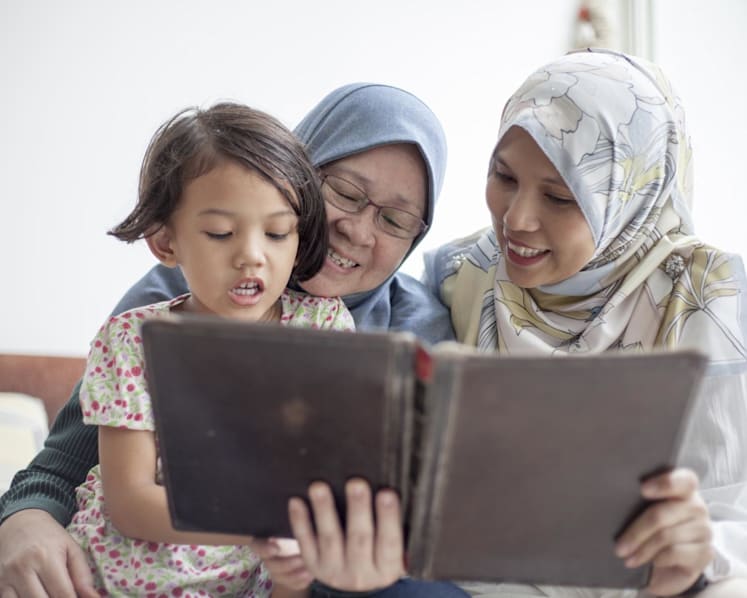
Reconnecting with old friends can help parents rediscover parts of themselves that may have taken a back seat while raising children. (Photo: iStock)
I also learnt to make new friends, which is more difficult than it sounds when everyone seems to have a full calendar all the time.
But slowly, I found people who brought out different parts of me.
Friends in their 30s taught me the art of striking a pose in a themed photo booth, something my Gen X self did for the first time at 44.
Friends in their 40s joined me in trying to work out whether we were having a midlife crisis or simply, finally, paying attention to what we wanted.
Friends in their 50s reported back from the front of the perimenopause battlefield: the sleep gets worse, the hormones become unpredictable, but on the whole, life itself gets better.
For 16 years, motherhood was my entire world. I don't regret it at all – but now, I'm seeing that I have room for new people, new conversations and new versions of myself.
I still think back often to that first dinner with my ex-colleagues. It hadn't magically given me a social life, but it reminded me that this part of my life was still possible.
After that night, I was added to the chat group to stay in touch and keep arranging gatherings.
The name of our chat group still makes me smile: "What's Next?"
I can't wait to find out.
Daphne Ling is a mum of five. She is also the co-owner of an advertising agency.
If you have an experience to share or know someone who wishes to contribute to this series, write to voices [at] mediacorp.com.sg ( voices[at]mediacorp[dot]com[dot]sg ) with your full name, address and phone number.
Get our pick of top stories and thought-provoking articles in your inbox
Stay updated with notifications for breaking news and our best stories
Join our channel for the top reads for the day on your preferred chat app
与前同事共进晚餐,不仅缓解了达芙妮·林女士多年专注于育儿后感到格格不入的恐惧,也让她重拾了向他人敞开心扉的信心。
养育幼童的种种需求可能会使维系家庭以外的人际关系变得更加困难。(插图:CNA/李琳谭)
这段音频是由人工智能工具生成的。
在我二十多岁和三十多岁的大部分时间里,当我的朋友们下班后盛装打扮去喝酒,或者一时兴起去欧洲旅行时,我却待在家里,穿着宽松的T恤,身上散发着婴儿吐奶的味道,两只胳膊各抱着一个婴儿,没洗的头发胡乱地挽成一个发髻。
我26岁时生了第一个孩子。在接下来的八年里,我又生了四个孩子——这五个孩子都需要我时刻照顾。
我总是感觉筋疲力尽。体重增加了,宽松的衬衫和肥大的牛仔裤成了我唯一能遮掩身材的衣服。看着朋友们穿着时髦的日常服装,指甲也修剪得漂漂亮亮,我觉得自己邋遢不堪。
难得外出的时候,我整个晚上都在想念我的孩子们。
CNA游戏 猜词游戏 逐行破解单词 流行词游戏 用给定的字母组成单词 迷你数独 小谜题,大挑战 迷你填字游戏 小方格,大挑战 单词搜索 尽可能多地找出单词 显示更多 显示更少 那是我一直想要的生活,然而我内心深处却渴望更多。我不确定我是否被允许拥有这种感觉。
那是我一直渴望的生活,然而我内心深处却渴望更多。我不确定自己是否被允许拥有这种感觉。
很快,待在家里就变得容易多了。我开始婉拒社交邀请,心想这只是“暂时的”。
一年变成了两年,然后是五年。最终,在被拒绝多次之后,我的朋友们自然而然地不再邀请我了。
不知不觉中,我已经16年没有过任何类似社交生活的日子了。
当我的孩子们不再那么需要我的时候
当我最小的孩子开始上幼儿园时,我突然获得了比过去近二十年都多的自由。
我原以为会感到无比兴奋,结果却感到一阵莫名的迷茫。我的孩子们渐渐长大,他们不再像以前那样需要我了。
问题在于,我长期以来一直被需要,以至于当我不必承担这种需要时,我已经不知道自己是谁了。
或许我本可以多抽出一些时间给自己。毕竟,我的丈夫一直都是个支持我的伴侣和尽职尽责的父亲,如果我想出门,他经常主动提出帮忙照看孩子。
多年来,我一直告诉自己,放弃一切陪伴孩子是一种崇高的牺牲。
这部分属实。但事后看来,我意识到自己也与朋友们脱节了,因为我的世界和朋友们的世界变得如此不同。
我拒绝了很多邀请,不是因为我丈夫不能照顾孩子几个小时,而是因为我觉得自己无法为与同龄人的热烈谈话做出任何贡献。
每当朋友发短信或打电话来时,我的思绪并不只有我的孩子。
“我不旅行,所以没有最近一次出国旅行的故事。我不出去玩,所以也没法说说我刚发现的新酒吧或餐厅,”我会想。“那我该说些什么呢?”
16 年后,感觉其他人都已经向前看了,而我却不知道该如何回去。
爬出我的壳
四十多岁交朋友本来就很难。
对于一个内向的人来说,这更加困难,因为他过去十五年几乎完全生活在换尿布、接送孩子上下学和睡前例行公事的世界中。
由于我天生性格内向,主动和朋友们联系对我来说就像一道难以逾越的障碍。
我一直告诉自己,我的社交生活(或者说缺乏社交生活)已经很好了,直到一次偶然的机会,我遇到了“前世”的某个人,才让我从内心深处意识到,我有多么怀念拥有社交生活。
两年前,一位前同事来到我以前经营的咖啡馆。我们聊了起来,我发现我们以前的小组仍然定期聚会。
“我很乐意参加下次活动,”我听到自己这样说道。话音刚落,我立刻感到一阵恐慌。
“那太好了!”她回答说,“我会安排我们大家聚一聚。”
在我们预定的晚餐日期到了,当我沿着唐人街恭锡路走向餐厅时,我的社交焦虑症发作了。
或许时间已经过去太久,和他们见面会很尴尬。或许他们已经变得更加亲密,而我却成了局外人,只能笨拙地应付尴尬的闲聊和陌生的内部术语。
结果却恰恰相反。
服务员还没来点餐,我们就聊得热火朝天,笑声不断。往事和只有我们懂的梗又浮现在脑海,仿佛回到了二十多岁,一起吐槽着共同工作经历中的种种“创伤”。
那天晚上回家时,我感觉轻松了很多,但这不仅仅是因为我们玩得很开心。
他们记得我成为别人母亲之前的那个我,和他们在一起时,我也想起了她。
找回朋友——以及我自己
对于一位多年未参与社交活动的父母来说,重新获得社交生活本身就是一项艰巨的任务。
在某些方面,现代友谊比恋爱更难把握。没有明确的规则或时间表告诉你何时才能把熟人变成朋友。
这些联系本应自然而然地发展,但成年生活却很少给这种发展提供机会。
你找到了一个能让你感到快乐的人,但你们其中一人仍然需要冒着风险说:“我很享受和你在一起的时光。我们下次再聚吧?”
我苦苦思索着那些社交暗示,而我却认为这些暗示对于我身边那些社交达人来说是与生俱来的,他们似乎总是被朋友们围绕着。
后来,不知从何时起,我放弃了破解密码的尝试。
朋友们还记得我成为别人母亲之前的那个我,和他们在一起时,我也想起了那个我。
我开始思考,在人生的这个阶段,我想要从友谊中获得什么:良好的交谈,一起欢笑或哭泣时的慰藉,或者只是静静地坐在一起,享受陪伴的沉默。
我想要的是能在友谊中展现真实的自我。
我们不需要时时刻刻出现在彼此的生活中,才能知道友谊依然存在。
随着时间的推移,我重新联系上了那些我冷落多年的朋友。
我主动约老朋友吃饭,心里却忐忑不安,不知道气氛会不会尴尬。
我让人们走近我,看到我身上那些混乱和不完美的部分。
展现脆弱的一面固然可怕,但这往往也能让其他人感到安全,从而向我展示他们的困境和缺点。
当生活变得艰难时,我才意识到有人说“嘿,问候一下,你好吗?”并愿意倾听是多么珍贵的礼物。
与老朋友重新建立联系,可以帮助父母重新发现那些在养育子女的过程中可能被忽略的自我。(图片:iStock)
我还学会了结交新朋友,这比听起来要难得多,因为每个人似乎总是日程满满的。
但慢慢地,我遇到了能够激发我不同方面潜能的人。
三十多岁的朋友们教会了我如何在主题照相亭里摆姿势拍照,而我这个 X 世代的人直到 44 岁才第一次体验到这种乐趣。
一些四十多岁的朋友和我一起思考,我们究竟是正经历中年危机,还是终于开始关注自己想要什么。
50 多岁的朋友们从更年期前线发回报告:睡眠变差,激素变得难以预测,但总的来说,生活本身变得更好了。
十六年来,母亲这个角色就是我的全部世界。我一点也不后悔——但现在,我意识到我的生命中还有空间容纳新的人、新的对话,以及新的自我。
我至今仍经常想起与前同事们的那次晚餐。它并没有神奇地让我拥有社交生活,但它提醒我,我生活中的这一部分仍然是可能的。
那晚之后,我被拉进了聊天群,以便保持联系并继续安排聚会。
我们聊天群的名字现在想起来都让我忍俊不禁:“接下来是什么?”
我迫不及待想知道答案。
达芙妮·林是五个孩子的母亲,同时也是一家广告公司的合伙人。
如果您有经验想要分享,或者认识有人想要为本系列文章投稿,请将您的全名、地址和电话号码写信至 voices [at] mediacorp.com.sg ( voices[at]mediacorp[dot]com[dot]sg )。
订阅我们的邮件,即可获取精选热点新闻和引人深思的文章。
订阅通知,第一时间获取突发新闻和精彩报道。
加入我们的频道,即可在您常用的聊天应用上获取当日热门文章。