Natureland founder Fion Wu on why robot massages could be the chain’s next big moveNatureland创始人Fion Wu阐述了机器人按摩为何可能是该连锁店的下一个重大举措。
After 13 years building a business around human hands, Wu is exploring AI and robotics to tackle manpower constraints and take Natureland into its next phase.
After 13 years building a business around human hands, Wu is exploring AI and robotics to tackle manpower constraints and take Natureland into its next phase.
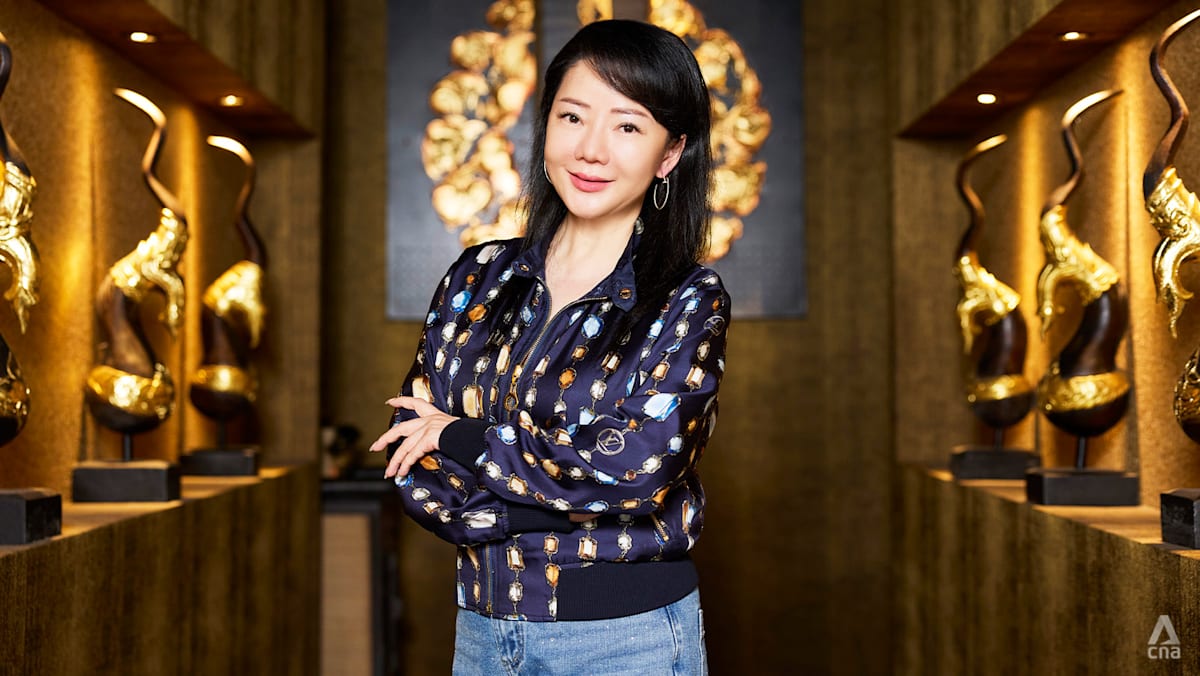
Natureland founder Fion Wu is betting that technology can help the Singapore massage chain grow without losing its human touch. (Photo: CNA/Kelvin Chia)
This audio is generated by an AI tool.
For over a decade, weary, sore and tightly knotted Singaporeans have flocked to Natureland for respite. Many are repeat customers, trooping in solo, with their partners or even their entire families, expecting to be revived by a pair of human hands and a healing touch.
Soon, however, those hands may face competition from another source: robots. After all, as we have seen this year, robots can already perform kung fu and clock a faster 100m time than Usain Bolt’s world record, so there’s no reason they won’t excel at massage therapy, right?
By the end of 2026, Natureland Wellness Group is expected to launch Natureland Plus, a new concept combining AI-powered wellness assessments, smart therapy machines and robotic massage technology.
But before you start imagining R2-D2 or Optimus Prime diligently loosening the knots and soothing the aches in your neck and shoulders, Natureland founder and CEO Fion Wu would like to make one thing clear: The machines are not there to replace human therapists. They are there to augment them.
Natureland’s Clarke Quay branch is one of 15 outlets the massage chain currently operates in Singapore. (Photo: Natureland)
“They can support human hands – not replace them,” she said on a call from her hometown of Chongqing, where she was on holiday.
Natureland is, after all, a business built around people, not an app that pings you to stand up and move every hour. But after more than a decade of steady expansion, Wu has run into a problem that many labour-intensive businesses will recognise: There are only so many skilled hands to go around.
“We now have almost 600 therapists and staff. I think most of the therapists in Singapore are already working in our company! So we need to do something that will allow us to continue expanding, and I think this could be one way,” she explained.
THE NEXT GENERATION OF MASSAGE
Natureland Plus is expected to be the group’s first significant departure from its traditional format.
Wu said the concept, planned for a location along Orchard Road, will combine conventional massage services with technology. The new model will feature AI-driven assessments designed to scan a customer’s physical condition and recommend suitable treatments, alongside smart therapy machines and robotic massage technology.
At Natureland’s ION Orchard branch, the chain’s familiar massage model could soon be complemented by robotics and AI. (Photo: Natureland)
The robots, she said, can offer something human therapists cannot always guarantee: consistency. “Everybody has their own style,” she said of human therapists. “But robots can bring the benefit of consistency of pressure.”
She described a system that can scan a customer’s back and identify treatment points, with pressure adjusted according to individual preferences. Want it lighter? Fine. Want it hard enough to feel like you’ve been tenderised for dinner? Also, presumably, fine.
There could also be treatments combining machine and human therapy. “For example, when the robot is doing a slimming treatment, maybe the human therapist can simultaneously do a head massage,” she explained.
Natureland Plus will also offer shorter treatments of between 15 and 30 minutes, aimed particularly at time-poor working professionals, as well as potentially more affordable options.
Wu said a traditional one-hour full-body massage currently costs around S$75 (US$59). A robot-only treatment could cost around S$50 to S$55, although details are still being finalised.
The broader idea is to make regular treatments more accessible. “At the moment, our price is still kind of premium,” she said. “It’s not really expensive, but customers cannot afford to come every week or daily.”
With the new concept, she hopes they can. “Maybe once or twice a week.”
Her customers, too, have changed. “Last time, [it was] always middle-aged people – those in their 40s, 50s and 60s,” she said. “Now we also see customers in their 20s.”
And they’re not just getting younger – they’re also more receptive to self-care routines. Recovery, after all, has become a wellness category of its own. Just look at the popularity of ice baths and cold plunges .
“Nowadays, this is part of people’s routine,” she said. “Like exercise and eating well.”
Customers are also asking more questions – about techniques, benefits and the therapists themselves.
When Fion Wu started Natureland in 2013, she saw room for a massage brand that sat between high-end hotel spas and neighbourhood operators. (Photo: CNA/Kelvin Chia)
ARE ROBOTS REALLY THE SOLUTION?
Wu has long wanted to expand Natureland’s footprint, but manpower constraints limited how quickly the company could scale. Cuts to foreign worker quotas for the services sector, announced in 2019 and phased in over 2020 and 2021, threw another spanner in the works.
“Nowadays, manpower continues to be a problem, especially when it comes to skilled therapists,” she said. “The average age [of the therapists] is increasing, and there are fewer people entering the profession.”
In past years, mall operators and landlords would approach Wu about opening new outlets on their premises. But she turned many of them down because of the manpower crunch.
Wu said the chain – which currently has 15 outlets – has generally expanded by around one outlet a year. If technology can take on some of the workload – or allow therapists and machines to work in tandem – it could give Natureland room to accelerate.
Her ambition is to eventually open two or three Natureland Plus outlets a year, if suitable locations can be found.
Natureland’s Chijmes branch shows the kind of polished, approachable environment Wu envisioned when she launched the chain in 2013. (Photo: Natureland)
Wu spotted a different gap when she started Natureland in 2013. Back then, she said, Singapore’s massage landscape was largely divided between luxury hotel spas and neighbourhood outlets.
“You either had a luxury spa in the hotel or a neighbourhood spa,” she said. “There was a gap.”
Wu wanted to occupy the middle ground, a space that operators such as Spa Esprit were also targeting.
Image-wise, it needed to look polished and professional, but not so luxurious that a massage became an occasion-only indulgence saved for milestones or weekend getaways.
Natureland’s concept was also shaped by Wu’s background and her experience growing up in China, where massage and spa-going have long been part of everyday culture. “Massage and spa is a traditional culture here,” she offered. “Not only in Chongqing, but in the whole of China.”
Wu started her first business – in F&B – around 30 years ago, gradually winding it down after launching Natureland. The transition may seem unexpected, but she sees a clear connection between the two.
During her restaurant years, she spent time with the owners of larger F&B brands and picked up some fundamental lessons. “Systems, service, consistency,” she said. “As long as we are in customer service, all are important.” Those principles would later shape Natureland.
HAPPY THERAPIST, HAPPY CUSTOMER
View this post on Instagram A post shared by CQ @ Clarke Quay (@clarkequaysg)
A post shared by CQ @ Clarke Quay (@clarkequaysg)
The massage business, as it turns out, is particularly difficult to standardise. In F&B, owners can replicate recipes and menus and install the same equipment – from ovens to coffee machines – across their outlets to ensure consistency.
A massage therapist, of course, is harder to replicate.
To get around this, the company regularly updates its standard operating procedures and works to maintain consistency across therapists, customer service staff and outlets. It also generally hires therapists with two to three years of experience rather than complete newcomers.
There is some irony, then, in Wu introducing technology that can theoretically deliver precisely the same pressure, in precisely the same place, every time – after more than a decade of trying to create consistency among hundreds of individuals.
Wu, however, believes the human element still matters most.
She takes pride in the fact that many employees have stayed with the company over the years. Her approach to retention is to give them room to grow within the organisation. Some therapists have become trainers, while others have moved into management or customer service roles.
“We treat our therapists as our partners,” she said.
She also places considerable emphasis on transparency and fairness, particularly when it comes to income and commissions. A queue system is designed to give each therapist a fair turn.
Then there are staff incentives, including company dinners during festive periods.
“Happy staff means happy customers,” she said. Massage is a form of physical touch, and Wu believes a therapist’s mood and energy can be felt by the customer. “When you have positive energy… it’s easy to pass this on to the customer as well.”
Natureland’s new direction comes as Wu’s own leadership style is changing. A mother of three, aged 15, 10 and seven, she said motherhood taught her an important lesson: patience.
“You cannot control everything,” she said.
In the past, Wu said, she was more inclined to talk and expect people to follow her decisions. “Nowadays, I think I’ve changed how I lead. More listening, less pushing.”
She also wants to build a company that doesn’t depend entirely on her. “I want to have a trusted team to do it.”
There is a neat parallel here. Just as Wu is learning to relinquish some control as a founder, Natureland is trying to reduce its dependence on individual human labour through technology.
Neither, she insists, means removing people from the equation. After 13 years of building a business around human hands, Wu is shaping Natureland’s next chapter with some mechanical assistance.
Whether Singaporeans are ready to entrust their knots, aches and perpetually overworked shoulders to a robot remains to be seen. But Wu is adamant about one thing: The machines are not here to take over.
A single handpicked story that we think you shouldn't miss. Just one a day.
在围绕人力打造了 13 年的业务之后,吴正在探索人工智能和机器人技术,以解决人力限制问题,并将 Natureland 带入下一个阶段。
Natureland创始人吴菲恩(Fion Wu)认为,科技可以帮助这家新加坡按摩连锁店在发展壮大的同时,保持其人性化的服务。(图片:CNA/Kelvin Chia)
这段音频由人工智能工具生成。
十多年来,疲惫不堪、身心俱疲的新加坡人纷纷涌向自然乐园寻求休憩之所。许多人都是回头客,他们独自一人、与伴侣,甚至全家出动,期待着在按摩师的巧手和舒缓的抚触下重获新生。
然而,不久之后,这些双手可能就要面临来自另一个方面的竞争:机器人。毕竟,正如我们今年所见,机器人已经能够表演功夫,并且百米成绩比尤塞恩·博尔特的世界纪录还要快,所以它们在按摩疗法方面取得优异成绩也并非不可能,对吧?
预计到 2026 年底,Natureland Wellness Group 将推出 Natureland Plus,这是一个结合了人工智能驱动的健康评估、智能治疗设备和机器人按摩技术的新概念。
但是,在你开始想象R2-D2或擎天柱认真地帮你舒缓颈肩酸痛之前,Natureland的创始人兼首席执行官Fion Wu想澄清一点:这些机器并非用来取代人类理疗师的,而是用来辅助他们的工作。
Natureland位于克拉码头的这家分店是该按摩连锁店目前在新加坡运营的15家分店之一。(图片:Natureland)
“它们可以辅助人手,但不能取代人手,”她在重庆老家度假时通过电话说道。
毕竟,Natureland是一家以人为本的企业,而不是一款每小时都提醒你站起来活动的应用程序。但经过十多年的稳步扩张,吴先生遇到了许多劳动密集型企业都会遇到的问题:熟练工人的数量终究有限。
“我们现在有近600名治疗师和员工。我认为新加坡的大部分治疗师都已经在我们公司工作了!所以我们需要做一些能够让我们继续扩张的事情,我认为这可能就是其中一种方法,”她解释道。
新一代按摩
Natureland Plus 预计将是该集团首次对其传统模式进行重大突破。
吴先生表示,这家计划选址在乌节路附近的新店将融合传统按摩服务和科技元素。新模式将采用人工智能驱动的评估系统,扫描顾客的身体状况并推荐合适的疗程,同时配备智能理疗设备和机器人按摩技术。
在Natureland位于ION Orchard的分店,该连锁店熟悉的按摩模式可能很快就会与机器人和人工智能相结合。(图片:Natureland)
她说,机器人可以提供人类治疗师无法始终保证的东西:一致性。“每个人都有自己的治疗风格,”她谈到人类治疗师时说,“但机器人可以带来压力控制一致性的优势。”
她描述了一套可以扫描顾客背部并识别治疗点的系统,并可根据个人喜好调整力度。想要轻柔一些?没问题。想要力度大到感觉像被嫩化过一样?想必也没问题。
也可能出现机器与人工疗法相结合的治疗方案。“例如,当机器人进行瘦身治疗时,人类治疗师或许可以同时进行头部按摩,”她解释道。
Natureland Plus 还将提供 15 至 30 分钟的较短疗程,特别针对时间紧迫的上班族,以及可能更实惠的选择。
吴女士表示,目前传统的全身按摩一小时价格约为75新元(59美元)。纯机器人按摩的价格可能在50至55新元之间,但具体细节仍在敲定中。
更广泛的想法是让定期治疗更容易获得。“目前,我们的价格仍然偏高,”她说。“其实并不贵,但顾客负担不起每周甚至每天都来。”
她希望通过这种新方法,他们能够做到。“也许一周一两次。”
她的顾客也发生了变化。“以前,顾客总是中年人——四五十岁、六十多岁的人,”她说。“现在我们也看到二十多岁的顾客了。”
而且,他们的年龄不仅越来越小,也越来越接受自我护理。毕竟,康复本身已经成为一种独立的健康理念。看看冰浴和冷水浸泡的流行程度就知道了。
“如今,这已经成为人们日常生活的一部分,”她说。“就像锻炼和健康饮食一样。”
顾客们也提出了更多问题——关于技术、益处以及治疗师本身。
2013年,吴菲恩创立Natureland时,她看到了高端酒店水疗中心和社区按摩店之间的市场空白。(图片:CNA/Kelvin Chia)
机器人真的是解决方案吗?
吴先生一直希望扩大自然乐园的业务规模,但人力限制制约了公司的发展速度。2019年宣布削减服务业外籍劳工配额,并在2020年和2021年分阶段实施,这无疑又给公司的发展进程带来了新的阻碍。
“如今,人力资源仍然是个问题,尤其是有技能的治疗师,”她说。“治疗师的平均年龄越来越大,而进入这个行业的人却越来越少。”
过去几年,商场运营商和业主经常会找吴女士洽谈在他们的商场开设新店的事宜。但由于人手短缺,她拒绝了很多提议。
吴先生表示,该连锁店目前拥有15家分店,通常每年新增一家左右。如果科技能够分担部分工作量,或者让理疗师和机器协同工作,那么Natureland的发展空间将得以进一步扩大。
她的目标是最终每年开设两到三家 Natureland Plus 门店,前提是能找到合适的地点。
Natureland 的赞美广场分店展现了吴女士在 2013 年创立该连锁店时所设想的那种精致而亲切的环境。(图片:Natureland)
吴女士在 2013 年创办 Natureland 时,发现了另一个市场空白。她说,当时新加坡的按摩市场主要分为豪华酒店水疗中心和社区按摩店两部分。
她说:“要么是酒店里的豪华水疗中心,要么是社区水疗中心。这两者之间存在差距。”
吴先生想要占据中间地带,而 Spa Esprit 等运营商也瞄准了这一领域。
从形象上看,它需要显得精致专业,但又不能过于奢华,以至于按摩变成了一种只有在重要时刻或周末度假时才会享受的奢侈体验。
Natureland 的理念也深受吴女士的背景和她在中国成长经历的影响,在中国,按摩和水疗早已是日常生活的一部分。“按摩和水疗在这里是一种传统文化,”她说道,“不仅在重庆,在整个中国都是如此。”
吴女士大约30年前创办了她的第一家企业——餐饮业,在创办Natureland之后,她逐渐减少了餐饮业务的投入。这种转变看似出人意料,但她认为两者之间有着清晰的联系。
在她从事餐饮业的那些年里,她曾与一些大型餐饮品牌的经营者共事,并从中汲取了一些基本经验。“系统、服务、一致性,”她说,“只要我们从事的是客户服务,这些都至关重要。”这些原则后来也影响了Natureland的创立。
治疗师开心,顾客也开心
在 Instagram 上查看此帖子 由 CQ @ Clarke Quay (@clarkequaysg) 分享的帖子
由 CQ @ Clarke Quay (@clarkequaysg) 分享的帖子
事实证明,按摩行业尤其难以标准化。而在餐饮业,业主可以复制菜谱和菜单,并在所有门店安装相同的设备——从烤箱到咖啡机——以确保出品的一致性。
当然,按摩师更难模仿。
为了解决这个问题,公司定期更新标准操作流程,并努力确保所有治疗师、客服人员和门店的操作流程保持一致。此外,公司通常会聘用拥有两到三年经验的治疗师,而不是完全的新手。
因此,吴在尝试让数百人保持一致性十多年后,引入了一种理论上每次都能在完全相同的位置施加完全相同压力的技术,这多少有些讽刺意味。
然而,吴认为人的因素仍然是最重要的。
她为许多员工多年来一直留在公司而感到自豪。她留住员工的方法是给予他们在公司内部发展的空间。一些治疗师成为了培训师,而另一些则晋升到了管理或客户服务岗位。
“我们把治疗师当作合作伙伴,”她说。
她非常重视透明度和公平性,尤其是在收入和佣金方面。诊所设计了一套排队系统,以确保每位治疗师都能获得公平的机会。
此外,公司还会提供员工激励措施,例如在节假日期间举办公司聚餐。
“员工心情好,顾客自然也开心,”她说。按摩是一种身体接触,吴女士认为顾客能够感受到按摩师的情绪和能量。“当你充满正能量时……也很容易将这种能量传递给顾客。”
自然乐园的新方向正值吴女士的领导风格发生转变之际。作为三个孩子的母亲(分别15岁、10岁和7岁),她表示,为人母教会了她一个重要的道理:耐心。
“你不可能控制一切,”她说。
吴女士说,过去她更倾向于自己发言,并希望别人服从她的决定。“现在,我觉得我的领导方式改变了。更多地倾听,更少强迫。”
她还想建立一家不完全依赖她个人的公司。“我想要一个值得信赖的团队来完成这项工作。”
这里存在一个巧妙的相似之处。正如吴先生作为创始人正在学习如何放权一样,自然乐园也在尝试通过技术手段减少对个体人力的依赖。
她坚持认为,这并不意味着要将人排除在外。吴女士在过去13年里一直依靠人工打造企业,如今她正借助一些机械设备来开启Natureland的下一个篇章。
新加坡人是否准备好将他们的酸痛、疼痛和长期过度劳累的肩膀交给机器人,还有待观察。但吴先生坚定地认为:机器并非来取代人类的。
每天一篇,我们精心挑选一篇您不容错过的精彩故事。