Pentagon seeks additional funding as cost of Iran war tops $29 billion由于伊朗战争耗资超过290亿美元,五角大楼寻求额外资金。
The increase from $25 billion just two weeks ago reflects “updated repair and replacement of equipment costs,” along with the “general operational costs."
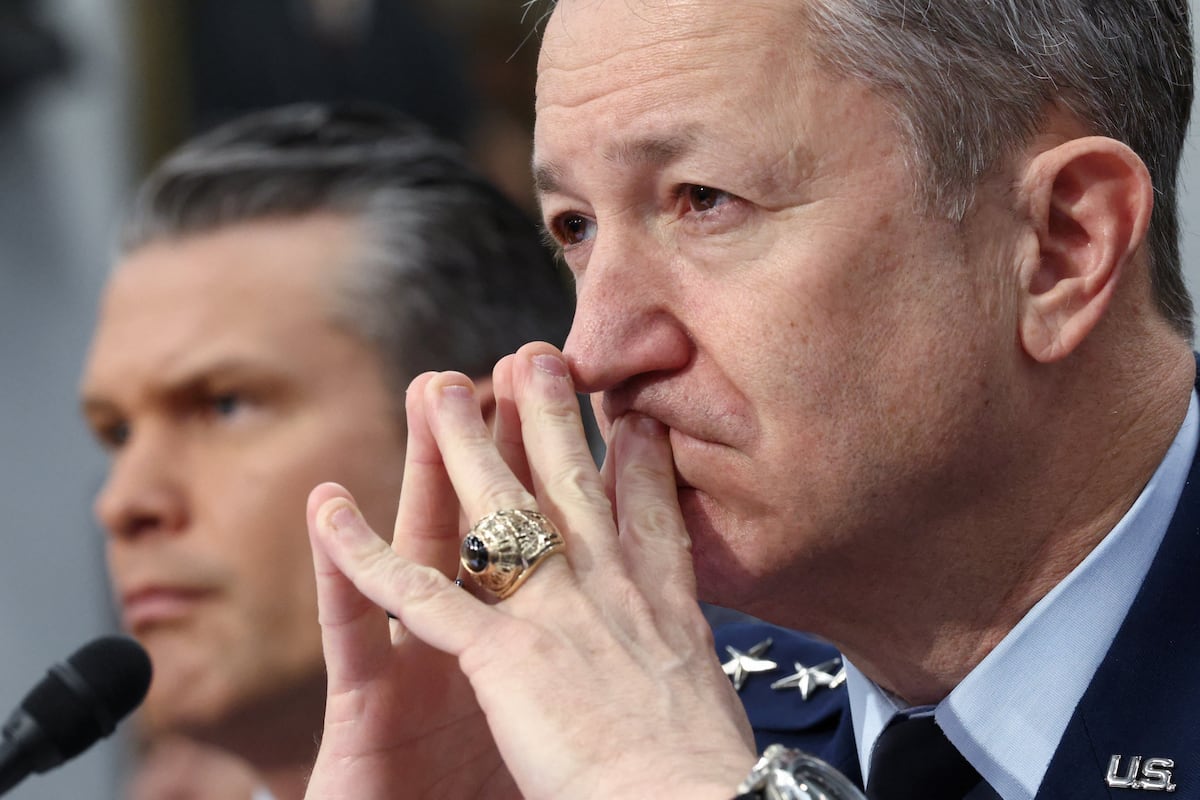
The United States has spent an estimated $29 billion in the war against Iran, the Pentagon said Tuesday, as senior defense officials appeared on Capitol Hill for back-to-back budget hearings.
Jules Hurst III, the Defense Department’s acting comptroller, said the increase from $25 billion just two weeks ago reflects “updated repair and replacement of equipment costs,” along with the “general operational costs” of sustaining forces in the theater.
Hurst emphasized that the projection does not include expenditures for repairing damaged military installations in the region.
“We have a lot of unknowns there,” he said. “We don’t know what our future posture is going to be. We don’t know how we construct those bases, and we don’t know what part our allies or partners could pay into our MILCON costs.”
The tenuous month-long ceasefire in the Middle East hangs in the balance after President Donald Trump on Monday dismissed Tehran’s latest proposal to end the war as “garbage.” Hours later, the Speaker of Iran’s parliament warned that the country stands ready to “deliver a lesson-teaching response” to any act of aggression.
Despite a declared truce, the two sides have continued to exchange limited fire near the Strait of Hormuz. The Islamic Republic recently launched missiles, drones and small boats at U.S. warships transiting the sea, prompting American strikes on Iranian military sites in response.
Defense Secretary Pete Hegseth on Tuesday suggested that the situation remains fluid.
“As you know, for the most part, ceasefire means fire is ceasing,” Hegseth said. “We have a plan to escalate, if necessary. We have a plan to retrograde, if necessary.”
Asked about the status of Project Freedom — a one-day campaign in which U.S. warships and aircraft briefly guided commercial vessels through the Strait of Hormuz — the defense secretary described it as “paused” and added, “It’s an option we could always recommence, should the commander in chief want us to.”
Hegseth and Gen. Dan Caine, the chairman of the Joint Chiefs of Staff, also sought to dispel concerns that Operation Epic Fury had triggered significant munitions shortages within the U.S. military.
“I take issue with the characterization that munitions are depleted in a public forum — that’s not true,” Hegseth claimed. “Ultimately, we have all the munitions needed to execute what we need to execute and we are going to ensure that we supercharge that going into the future.”
Caine said, “We have sufficient munitions for what we’re tasked to do right now. That’s what I hear from the [Unified Combatant Commands],” noting, “We’re always going to want more munitions.”
Hegseth, Caine and Hurst appeared on Capitol Hill to advance a two-pronged appeal encompassing the annual budget and additional funding for the ongoing war in Iran. A substantial portion of the request, they indicated, would be directed toward replenishing depleted weapons stockpiles.
Tanya Noury is a reporter for Military Times and Defense News, with coverage focusing on the White House and Pentagon.
美国五角大楼周二表示,美国在对伊朗的战争中估计已花费了 290 亿美元。与此同时,高级国防官员在国会山连续出席了两场预算听证会。
国防部代理审计长朱尔斯·赫斯特三世表示,两周前预算为 250 亿美元,而现在增加了 250 亿美元,这反映了“更新的装备维修和更换成本”,以及维持战区部队的“一般运营成本”。
赫斯特强调,该预测不包括修复该地区受损军事设施的支出。
他说:“我们面临很多未知数。我们不知道未来的态势会是什么样,不知道如何建设这些基地,也不知道我们的盟友或伙伴能承担多少军事建设费用。”
在美国总统唐纳德·特朗普周一将德黑兰提出的结束战争的最新提议斥为“垃圾”之后,中东地区脆弱的、持续一个月的停火协议岌岌可危。数小时后,伊朗议会议长警告说,伊朗已准备好对任何侵略行为进行“具有教训意义的回应”。
尽管双方已宣布停火,但在霍尔木兹海峡附近仍持续发生小规模交火。伊朗近期向途经该海域的美国军舰发射导弹、无人机和小型船只,引发美国对伊朗军事目标的报复性打击。
国防部长皮特·赫格塞斯周二表示,局势仍然瞬息万变。
“正如你们所知,在大多数情况下,停火意味着停止交火,”赫格塞斯说。“如有必要,我们有升级行动的计划。如有必要,我们也有撤回行动的计划。”
当被问及“自由行动”(一项为期一天的行动,美国军舰和飞机短暂引导商船通过霍尔木兹海峡)的现状时,国防部长称其“已暂停”,并补充说:“如果总司令希望我们这样做,我们随时可以重新启动这项行动。”
赫格塞斯和参谋长联席会议主席丹·凯恩将军也试图消除人们对“史诗狂怒行动”导致美军出现严重弹药短缺的担忧。
“我不同意在公共场合声称弹药已经耗尽的说法——这并非事实,”赫格塞斯声称。“归根结底,我们拥有执行我们需要执行的任务所需的所有弹药,而且我们将确保在未来大幅提升弹药储备。”
凯恩说:“我们目前的弹药储备足以完成我们当前的任务。这是我从各联合作战司令部那里听到的。”他指出,“我们总是需要更多的弹药。”
赫格塞斯、凯恩和赫斯特出现在国会山,提出一项包含两方面的呼吁,一是年度预算,二是为正在进行的伊朗战争追加拨款。他们表示,请求中的相当一部分将用于补充耗尽的武器库存。
Tanya Noury 是《军事时报》和《防务新闻》的记者,她的报道主要集中在白宫和五角大楼。