Could the F-35 Become the Biggest Electronic Intelligence Collection System Ever Devised?F-35 能否成为有史以来最大的电子情报收集系统?
Go ask ALIS if your enemy's air defenses are ten feet tall...
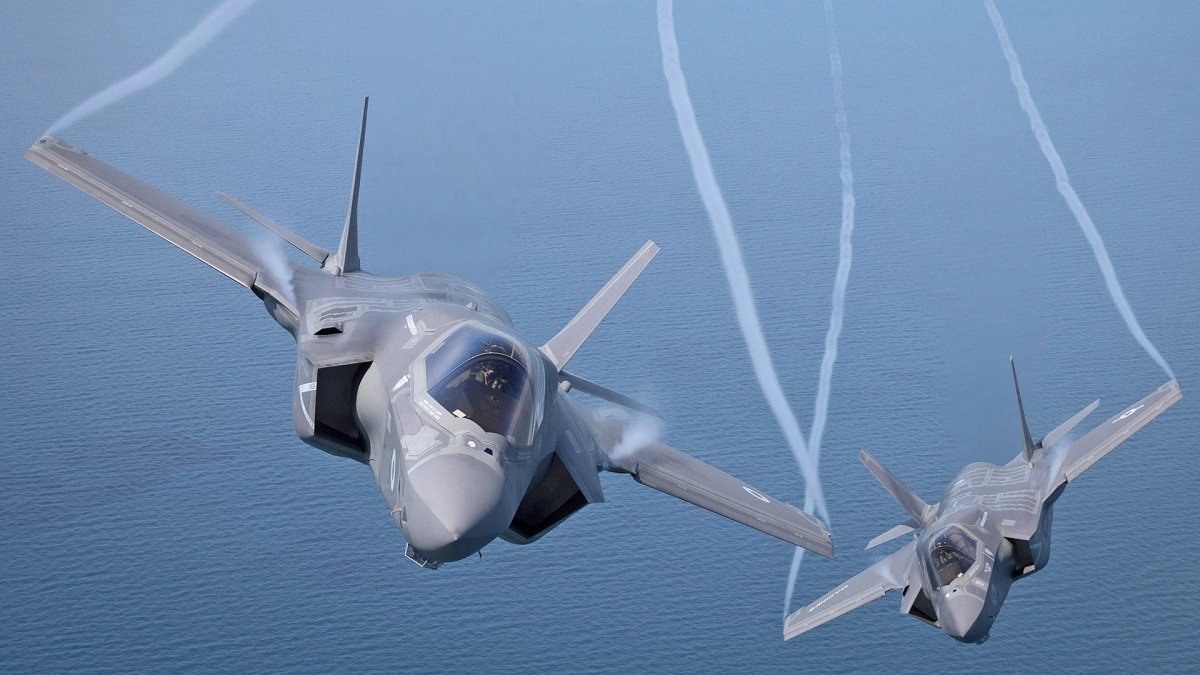
Updated Jul 2, 2020 3:18 PM EDT
Much ado has been made over the F-35’s Automated Logistics Information System (ALIS) backend cyber support infrastructure. It’s supposed to do everything from controlling the F-35’s worldwide parts supply chain to mission planning and debriefing. This system, among the F-35’s most troubled components , could be viewed as the jet’s cyberspace Achilles’ heel. Alternatively, it could be a huge asset, when you consider the potential it holds for electronic intelligence gathering on an unprecedented scale.
When it comes to aerial combat, mission planning is as vital to success as executing the mission itself. For stealthy aircraft weaving their way between enemy radar installations, planning is even more crucial with a “Blue Line” route being carefully devised to make the most of the jet’s low-observable features. To build this path, up-to-date intelligence on the enemy’s electronic order of battle is needed, essentially a detailed map of their air defense system with enemy weapons engagement envelopes extrapolated over the top. This data is classically collected by strategic assets, but the F-35 fleet itself may become the most prolific purveyor of this critical information.
One of the central features that makes the F-35 survivable even against high-threat enemies is its ability to suck up electronic signals from radars and air defense nodes, and to quickly classify them, geolocation them, and display them for the aircraft’s pilot. This capability makes that traditionally fixed “Blue Line” a flexible one during combat. With F-35 users’ mission information being loaded into ALIS then downloaded after every sortie, the electronic intelligence the jet soaks up during its time in the air could be mined and exploited by the U.S., as well as partner nations, to some degree.
The F-35 gathers this info via a series of passive antennas embedded in the F-35’s edges that feed signals information to the jet’s computers. Using interferometry , the slight time delay between when a signal hits one antenna compared to another, azimuth and range can be defined and target-quality coordinates on where the threatening radio frequency emission is coming from can be devised. This system is known as the F-35’s Radar Warning Receiver (RWR) and Electronic Support Measures (ESM) suites. These are tied into a broader set of features that also make up the jet’s electronic warfare capabilities.
A group of F-35s can share this information seamlessly via their daisy chain-like directional, low-probability of intercept proprietary Multi-Function Data-Link (MADL) . The Electronic Intelligence (ELINT) that the F-35 soaks up allows F-35 pilots to see these “threat rings” in real time and they can choose to avoid, engage, or electronically attack the source of those threat rings depending on where they and their fellow F-35s are located and what their mission is at hand.
The F-35 is not the only fighter-sized intelligence “sponge” around. Far from it, in fact. When it comes to fighters, the F-22’s ALR-94 Electronic Service Measures (ESM) suite is also capable of collecting and displaying this information, as are aircraft like the Eurofighter Typhoon, or the F-16CG to a certain extent. The difference is that the F-35 represents the latest iteration of this capability and will be operated all over the world by various air forces simultaneously, all dumping huge amounts of data into ALIS.
The F-35’s high level of electronic battlefield situational awareness, paired with ALIS, could theoretically build a worldwide battle database organically, one that is god-like in its breadth and timeliness. Although this may be a latent capability now, reconnaissance has always been a mission element of the F-35 program, and Electronic Intelligence (ELINT) collection could rapidly become much more of a primary mission for the F-35 as the program, and ALIS, evolves.
F-35s around the globe could be employed as mini- RC-135 Rivet Joints during peace time, prowling near (or perhaps in) enemy territory and classifying, recording, and geolocating all types of radar and integrated air defense communications signals and positions. All this information can then be uploaded into ALIS’s master memory bank. Think of it as “distributed” electronic surveillance, whereby individual nations can use their F-35s to fly reconnaissance missions regularly, adding to the electronic order of battle “picture” worldwide in near real time.
Such a strategy would disperse the ELINT capture mission from a traditional platform specific strategy — where lumbering aircraft like RC-135 Rivet Joints, EP-3E Aeries RQ-4 Global Hawk, U-2 Dragon Lady and P-8 Poseidons are heavily tasked with trying to keep tabs on potential enemy defenses — to one that leverages the F-35’s wide distribution around the globe. One that can alleviate demand on these strategic assets via the constant regional collection of tactical intelligence of a similar nature.
RC-135 Rivet Joint, USAF
Taking pressure off these low-density/high-demand strategic electronic intelligence collecting assets, only owned by a handful of nations, will allow them to focus on key hotspots, some of which are only easily accessed by long-range aircraft. They can also continue to provide unique and very high-end surveillance that the F-35 cannot.
This functionality also lends merit to ship-borne F-35 operating concepts, especially the F-35B, deployable on smaller amphibious aircraft carriers which are accessible financially to F-35 customer nations. The massive leap in capabilities the F-35B offers America’s “Gator Navy” is already known. Being able to position the F-35B off the coast of a potential foe allows the jet to collect ELINT without being heavily restricted by its tactical fighter-sized endurance or relying on expensive and complex tanker support.
Additionally, forward deploying the F-35B to small islands with runways adapted for F-35B operations advances the jet’s ELINT reach without the need for a carrier. Even the F-35’s stealth capabilities are enticing for the ELINT mission. In stealth mode, it can provide surveillance on the enemy’s electronic order of battle when their integrated air defense system is at rest. It can fly that same mission again with radar reflectors attached, stimulating a working air defense network and tracking how it reacts to a “visitor,” noting weak spots and vulnerabilities in coverage. An RC-135 or RQ-4 cannot do this.
F-35B operations. , Photo by Jeff J Mitchell/Getty Images
The ELINT data F-35s collect could be processed centrally and parts of it made available to certain users, either regionally or nationally. This is adventageous because having an up-to-date electronic order of battle on a wide array of potential threats over vast geographical distances has always been an expensive and challenging task. A worldwide F-35 force could change this reality and give the F-35 a more prominent peacetime reconnaissance mission. It would allow far greater coverage capacity than what dedicated SIGINT/ELINT aircraft can provide today. In particular, it would vastly expand the Pentagon’s Signals Intelligence and Electronic Intelligence spying umbrella in an organic nature, at little cost.
It’s still unknown exactly how ALIS will process all this data, and who will have access to it, but it’s possible to envision alliances like NATO countries having access to their own ALIS backend of air defense threats in their region. Missions could be flown by F-35s for just the purposes of keeping the database current. The transfer of the F-35 data post-mission, th uploading to the ALIS cloud, and exactly who gets to exploit which parts of that data is already an issue . On the very topic of that conundrum, USAF Colonel Max Marosko, deputy director of air and cyberspace operations for Pacific Air Forces, told Flightglobal.com:
“Given an example of Brit F-35s in one lane and US F35s in another lane, if our databases aren’t synchronized, you’re going to end up with conflicting identification using, which could delay employment and put the force at more risk… We can ensure we’re all on the same playing field and we don’t have any identification problems that could most likely lead to a lack of shooting and putting the pilots at more risk. That’s an important thing to consider.”
Yet using ALIS to capture intelligence during times of peace, to prepare for possible times of war seems also highly relevant. This is especially true for potential peer-state conflicts that could encompass large portions of continents, not just those involving small third-world countries.
It’ll be interesting to see ALIS evolve and the myriad of ways its heaps of data can be leveraged in the future. The biggest question is whether it will be done transparently or clandestinely? Yes, enemy air defense capabilities could be monitored on a grand scale, but so could the tactics and capabilities of actual F-35 operators and anyone they train with. Theoretically, that information will all be dumped into ALIS’s big brain after every mission.
Israel, for example, has opted to employ their F-35s without a high-degree of dependence on ALIS . Time will tell if this will be standard operating procedure or merely a fallback should ALIS’s security be breached, something that is a real possibility . Israel, who holds its air combat playbook very close to its chest, may see using ALIS as risking to much to foreign eyes, even if those eyes are friendly.
Israel’s F-35s themselves will be loaded with Israeli specific combat systems that will diverge from the F-35A’s baseline configuration and capabilities. Showing the capabilities of these indigenous modifications, what they can detect and how they can neutralize electronic threats, may expose more than the IAF wants. Even data detailing how Israel operates existing fighters alongside the F-35 could be a liability. As such, ALIS may either run in a tailored nature for the IAF, or none at all.
And therein lies the double-edged sword that is ALIS. While it can greatly enhance F-35 operations, the information it collects could be processed into a potent weapon of its own. On the flip side, the more a force relies on it, the less operational sovereignty and confidentiality they will have. Still, the F-35 acting as a conduit for a global ELINT and other air combat-related intelligence network is incredibly enticing. For individuals with access to that information, it would make the F-35 program, and the jet itself, more valuable than what’s offered at face value.
That is not to say a similar system could not be applied (or may already be applied) to high-end unmanned combat air vehicles (UCAVs) and a common operating system that controls and supports them. The primary “eyes” of these autonomous unmanned aircraft are the electronic environment around them, and their ability to act as a collective swarm hinges on the quality of this real-time ELINT data. When not waging war, they would be more inclined to provide reconnaissance using their innate abilities to detect the enemy’s electronic order of battle and their superior endurance when compared to manned fighters.
Lockheed’s Sea Ghost UCAV concept derived from the RQ-170 Sentinel., Lockheed
For better or worse, while the U.S. is not selling a multinational, UCAV program, they are selling the F-35. That is not to say that one day ALIS’s potentially panoptic electronic order of battle data collection capabilities could not be leveraged by a UCAV swarm’s hive mind. It is also possible that the reverse could be true and the F-35 could benefit from the UCAV’s dynamic threat picture. Lockheed could very well adapt ALIS, or at least portions of it, for the unmanned realm of aerial warfare. In fact, such a plan is likely already be in the works now.
Matt Cardy/Getty Images
Contact the author tyler@thedrive.com
Comments couldn’t be loaded. Please refresh the page.
更新于美国东部时间2020年7月2日下午3:18
F-35战机的自动化后勤信息系统(ALIS)后端网络支持基础设施备受关注。该系统负责从控制F-35全球零部件供应链到任务规划和任务汇报等所有工作。作为F-35最容易出问题的组件之一,该系统可能被视为战机在网络空间的阿喀琉斯之踵。但另一方面,考虑到它在以前所未有的规模收集电子情报方面的巨大潜力,它也可能成为一项巨大的资产。
在空战中,任务规划与任务执行本身同样至关重要。对于穿梭于敌方雷达阵地之间的隐形战机而言,规划更为关键,需要精心设计一条“蓝线”航线,以最大限度地发挥战机的低可探测性优势。为了构建这条航线,需要掌握敌方电子作战序列的最新情报,本质上是一张详细的敌方防空系统地图,并在此基础上推断出敌方武器的交战范围。这类数据通常由战略资产收集,但F-35机队本身或许将成为此类关键信息最主要的传播者。
F-35战机即便面对高威胁敌军也能生存的关键特性之一,在于其能够接收来自雷达和防空节点的电子信号,并快速对其进行分类、定位,然后显示给飞行员。这种能力使得传统上固定的“蓝线”在战斗中变得灵活多变。由于F-35用户的任务信息会被加载到ALIS系统中,并在每次飞行任务结束后下载,因此,美国及其伙伴国家在一定程度上可以挖掘和利用战机在空中收集到的电子情报。
F-35战机通过一系列嵌入机身边缘的被动天线收集信息,这些天线将信号信息传输至战机的计算机。利用干涉测量技术,通过测量信号到达不同天线之间的微小时间延迟,可以确定方位角和距离,从而精确定位威胁性射频辐射的来源位置。这套系统被称为F-35的雷达告警接收机(RWR)和电子支援措施(ESM)系统。它们与构成战机电子战能力的一系列其他功能紧密相连。
一群F-35战机可以通过其专有的、类似菊花链的定向、低拦截概率的多功能数据链(MADL)无缝共享这些信息。F-35接收的电子情报(ELINT)使F-35飞行员能够实时看到这些“威胁环”,并根据自身及其他F-35战机的位置和当前任务,选择避开、交战或对威胁环的源头进行电子攻击。
F-35并非唯一一款战斗机级别的“情报海绵”。事实上,它的功能远不止于此。就战斗机而言,F-22的ALR-94电子支援措施(ESM)系统也具备收集和显示此类信息的能力,欧洲台风战斗机和F-16CG等战机在一定程度上也具备这种能力。不同之处在于,F-35代表了这项能力的最新版本,并将由世界各地的空军同时使用,所有这些战机都会向ALIS系统传输海量数据。
F-35战机卓越的电子战场态势感知能力,结合ALIS系统,理论上可以构建一个覆盖面广、时效性极强的全球作战数据库。尽管目前这可能还处于潜在阶段,但侦察一直是F-35项目的重要任务要素,随着项目和ALIS系统的不断发展,电子情报(ELINT)收集很可能迅速成为F-35的主要任务之一。
和平时期,全球各地的F-35战机可以像小型RC-135“铆钉接头”侦察机一样,在敌方领空附近(甚至可能进入敌方领空)巡逻,对各种雷达和综合防空通信信号及位置进行分类、记录和地理定位。所有这些信息都可以上传到ALIS的主存储器中。可以将其理解为“分布式”电子监视,各国可以定期使用其F-35战机执行侦察任务,近乎实时地完善全球电子作战态势图。
这种战略将电子情报采集任务从传统的平台特定战略(即主要依靠RC-135“铆钉接头”、EP-3E“空中飞人”、RQ-4“全球鹰”、U-2“龙夫人”和P-8“海神”等笨重飞机来监视潜在敌方防御系统)转变为利用F-35在全球的广泛部署。这种战略可以通过持续的区域性战术情报收集来减轻对这些战略资产的需求。
RC-135铆接接头,美国空军
减轻这些低密度、高需求战略电子情报收集资产(仅由少数国家拥有)的压力,将使它们能够专注于关键热点地区,其中一些地区只有远程飞机才能轻易抵达。它们还可以继续提供F-35无法提供的独特且非常高端的监视能力。
这种功能也为舰载F-35作战概念增添了优势,尤其是F-35B,它可以部署在F-35客户国能够负担得起的较小型两栖航空母舰上。F-35B为美国“鳄鱼海军”(Gator Navy)带来的能力飞跃已是众所周知。F-35B能够部署在潜在敌方海岸附近,使其能够收集电子情报,而不会受到战术战斗机续航能力的严重限制,也无需依赖昂贵且复杂的加油机支援。
此外,将F-35B前沿部署到跑道适合其起降的小型岛屿上,无需航母即可扩展该战机的电子情报侦察范围。F-35的隐身性能本身就对电子情报侦察任务极具吸引力。在隐身模式下,它可以在敌方综合防空系统处于静止状态时,侦察敌方的电子作战序列。它还可以加装雷达反射器再次执行相同的任务,模拟敌方防空网络的运行状态,并跟踪其对“入侵者”的反应,从而发现防空覆盖的薄弱环节和漏洞。RC-135或RQ-4等侦察机无法做到这一点。
F-35B作战行动。图片来源:Jeff J Mitchell/Getty Images
F-35战机收集的电子情报数据可以集中处理,并向特定用户(无论是区域用户还是国家用户)提供部分数据。这具有显著优势,因为在广阔的地理范围内,掌握针对各种潜在威胁的最新电子作战态势始终是一项成本高昂且极具挑战性的任务。一支遍布全球的F-35战机部队可以改变这一现状,并赋予F-35战机更为重要的和平时期侦察任务。其覆盖范围将远超目前专用信号情报/电子情报飞机所能提供的。尤其值得一提的是,这将以较低的成本,在自然而然的层面上大幅扩展五角大楼的信号情报和电子情报侦察能力。
目前尚不清楚ALIS将如何处理所有这些数据,以及谁将拥有访问权限,但可以设想,像北约国家这样的联盟将能够访问其区域内防空威胁的ALIS后端数据。F-35战机可能会执行专门任务,以保持数据库的更新。任务结束后F-35数据的传输、上传到ALIS云端,以及究竟谁可以使用这些数据的哪些部分,这些问题已经存在。关于这个难题,美国空军太平洋空军空中和网络空间作战副主任马克斯·马罗斯科上校告诉Flightglobal.com:
“举例来说,如果英国的F-35战机在一条跑道上,美国的F-35战机在另一条跑道上,如果我们的数据库没有同步,就会出现识别冲突,这可能会延误行动,并使部队面临更大的风险……我们可以确保所有人都处于同一水平线上,避免任何可能导致无法开火并增加飞行员风险的识别问题。这一点非常重要。”
然而,在和平时期利用ALIS收集情报,为可能发生的战争做好准备,也显得至关重要。这一点对于可能波及大洲大部分地区的潜在势均力敌国家之间的冲突尤为重要,而不仅仅是涉及小型第三世界国家的冲突。
ALIS的未来发展以及其海量数据未来将如何被充分利用,着实令人期待。最大的问题在于,这一切究竟会以公开透明的方式进行,还是秘密进行?没错,敌方防空能力或许可以被大规模监控,但F-35实战飞行员及其训练伙伴的战术和能力也同样可以被监控。理论上,每次任务结束后,所有这些信息都会被导入ALIS的“大脑”。
例如,以色列选择在不高度依赖ALIS系统的情况下使用其F-35战机。这是否会成为标准操作程序,还是仅仅作为ALIS系统安全遭到破坏时的备用方案(而这种情况确实有可能发生),时间会给出答案。以色列对其空战策略严加保密,或许认为使用ALIS系统会给外国(即使是友好国家)带来过大的风险。
以色列的F-35战机将搭载以色列特有的作战系统,这些系统与F-35A的基本配置和性能有所不同。展示这些自主研发的改进系统的能力,包括它们能够探测到的目标以及如何应对电子威胁,可能会泄露以色列空军不愿看到的信息。即使是详细说明以色列如何将现有战机与F-35协同作战的数据,也可能成为一种隐患。因此,ALIS系统要么会根据以色列空军的具体需求进行定制,要么干脆不运行。
而这正是ALIS的双刃剑所在。虽然它能极大地提升F-35的作战能力,但它收集的信息本身也可能被转化为一种强大的武器。另一方面,部队对它的依赖程度越高,其作战自主性和保密性就越会受到损害。尽管如此,F-35作为全球电子情报和其他空战相关情报网络的渠道,其吸引力仍然巨大。对于能够获取这些信息的人来说,这将使F-35项目以及战机本身的价值远超其表面价值。
这并非意味着类似的系统不能应用于(或可能已经应用于)高端无人作战飞行器(UCAV)及其控制和支持的通用操作系统。这些自主无人机的主要“眼睛”是其周围的电子环境,它们能否作为一个集群协同作战取决于实时电子情报数据的质量。在非作战状态下,它们更倾向于利用自身探测敌方电子作战序列的能力以及相比有人驾驶战斗机更优异的续航能力来执行侦察任务。
洛克希德公司的“海幽灵”无人作战飞行器概念源自RQ-170“哨兵”无人机。
无论好坏,虽然美国没有推出多国合作的无人作战飞机(UCAV)项目,但他们却在销售F-35战斗机。但这并不意味着ALIS系统潜在的全方位电子作战序列数据收集能力将来不会被UCAV集群的集体智慧所利用。反过来,F-35也可能受益于UCAV的动态威胁态势感知。洛克希德·马丁公司完全有可能将ALIS系统,或者至少是其中的部分功能,应用于无人作战领域。事实上,这样的计划很可能已经在酝酿之中。
Matt Cardy/Getty Images
联系作者:tyler@thedrive.com
评论加载失败,请刷新页面。