Sumitaba Japanese Kitchen reopens in Taman Desa, showcasing ‘live unagi’ and grilled itemsSumitaba日式厨房在Taman Desa重新开业,主打“活鳗鱼”和烤肉。
KUALA LUMPUR, Sept 4 — After three years in hibernation, Sumitaba Japanese Restaurant, formerly located in Bukit Jalil, is back and bringing its “live” unagi preparation to...
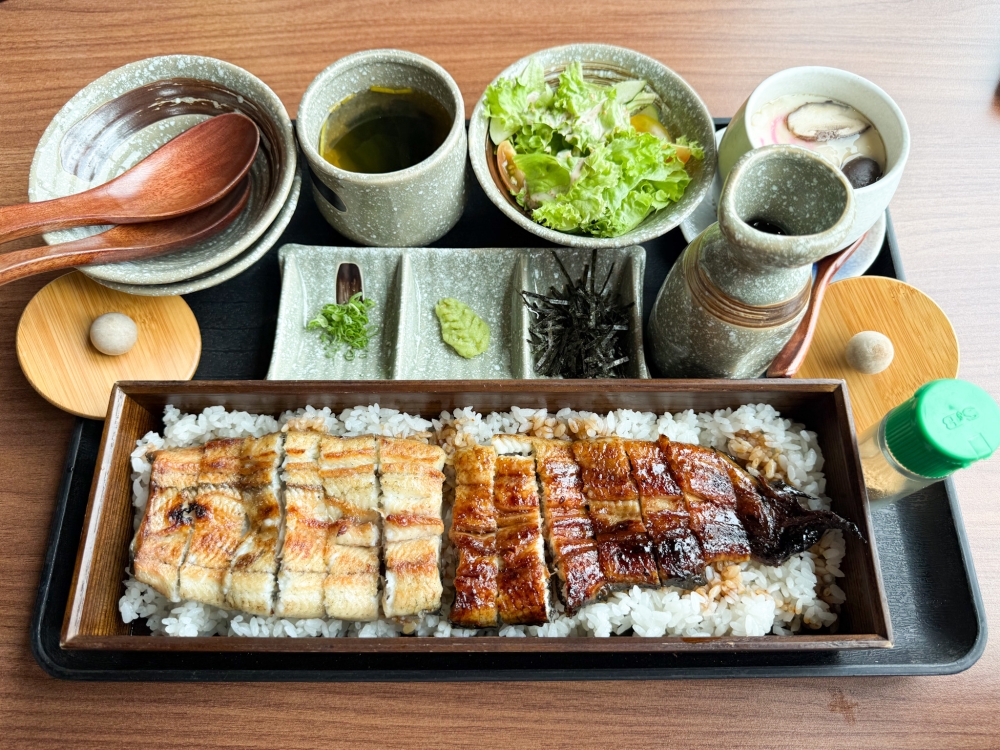
After a three-year hiatus, Sumitaba Japanese Restaurant has reopened in Taman Desa, Kuala Lumpur, showcasing its signature "live" unagi preparation.
Operated by brothers Matthew and Samuel Chua, the restaurant emphasizes Nagoya-style grilled eel, using fresh eels over sumi charcoal to enhance flavor.
The menu also features a variety of charcoal-grilled items, sashimi, and sushi, with dishes like Unajyu and Hitsumabushi highlighting the unagi experience.
Perched in Wisma JAG, the restaurant offers diners expansive views through its floor-to-ceiling windows.
KUALA LUMPUR, Sept 4 — After three years in hibernation, Sumitaba Japanese Restaurant, formerly located in Bukit Jalil, is back and bringing its “live” unagi preparation to Taman Desa.
Brothers Matthew and Samuel Chua wanted to feature “live” eels because they make far superior unagi compared to the sub-par frozen versions.
Perched on the first floor of Wisma JAG, the dining area offers a sweeping view of Taman Desa through its floor-to-ceiling glass windows, giving a sense of space that one appreciates even though the sky was hazy.
Unajyu (RM180 for a whole eel) is the best way to relish the eel prepared in two different ways.
You can also order the Hitsumabushi (RM98), which is the half eel portion.
The glass eels, around six to 12 months old, are prepared Nagoya-style: they are grilled straight away over sumi (charcoal) rather than the Kanto-style,where the eel is first grilled, then steamed and subsequently grilled again to create a soft, fluffier bite.
Eating Nagoya-style unagi is a four-step appreciation process.
Start by eating the eel and rice first—relishing the smoky flavour of the grilled version without sauce—where soft eel contrasts with the slightly chewier rice grains.
As they use their custom-made tare to coat the grilled eel, I find it’s not too sweet or overly salty, providing a delicate flavour.
In the next bowl, mix the eel with rice and the condiments — spring onions, wasabi, nori and a dash of sansho pepper — where the condiments balance out the richness of the eel.
For the third bowl, mix the condiments with a clear soup to create an ochazuke.
For the fourth bowl, enjoy the unagi your favourite way.
Unajyu also comes with a silky, wobbly chawanmushi and a small salad.
Befitting their name, sumi (charcoal) grilled items are their specialty, including yakitori and various proteins like different fishes, squid, chicken and beef, which includes Wagyu.
Hamachi Kama or yellowtail collar (RM98) was a huge piece, well grilled over the fire to produce juicy flesh and all those succulent bits in the head.
Slowly relish every part of the head and collar till the bones are cleaned out.
Yakitori is served two ways: shio (salt) or slicked with their tare.
Momo Skewer (RM8) and Tebasaki Skewer (RM8) are sprinkled with salt only, drawing out the natural flavours of the chicken.
Their style involves a much lighter golden char, which allows the chicken thigh and wings to retain their juices and stay moist.
Negima Skewer (RM8), featuring leeks and chicken, was coated with their house-made tare, a much lighter concoction that imparts a delicate flavour to the skewer.
Other menu items include sashimi, sushi and maki, using fresh fish flown in from Japan.
Rice lovers can enjoy their teishoku sets or various donburi (rice bowls) topped with either sashimi or grilled items.
Sumitaba Japanese Kitchen
Taman Desa, Kuala Lumpur.
Open: 11:30am to 3pm (Monday to Saturday), 5:30pm to 10pm (Sunday to Friday), 5:30pm to 9:30pm (Saturday)
Instagram: @sumitaba.kl
*This is an independent review where the writer paid for the meal.
*Follow us on Instagram @eatdrinkmm for more food gems.
Swee Xiang Restaurant, Klang: This ‘hong bak’ is king in ‘bak kut teh’ country
Sungai Siput’s Hai Ying Restaurant brings stellar homemade pork meatballs paired with a bowl of beef brisket soup and yam rice to Bandar Menjalara, Kepong
Head to Kak Dah Nasi Berlauk in Ampang for ‘ori Kelate’ flavours and the rarely seen ‘kerabu sare’
Malaysia Airlines resumes Busan flights starting December
Two dead in Jasin motorcycle crash after overtaking manoeuvre fails
Tahfiz students perform prayers to support search for missing teens in Kota Tinggi
时隔三年,Sumitaba 日本餐厅在吉隆坡 Taman Desa 重新开业,展示了其招牌“现场”鳗鱼制作工艺。
这家餐厅由蔡马修和蔡塞缪尔兄弟经营,主打名古屋风味烤鳗鱼,使用新鲜鳗鱼在炭火上烤制,以提升风味。
菜单上还有各种炭烤菜肴、刺身和寿司,其中鳗鱼饭和鳗鱼寿司等菜肴突出了鳗鱼体验。
这家餐厅位于 Wisma JAG 大厦内,透过落地窗,食客可以欣赏到开阔的景色。
吉隆坡,9 月 4 日讯——位于武吉加里尔的 Sumitaba 日本餐厅在蛰伏三年后重新开业,并将“现场”鳗鱼制作带到了 Taman Desa。
蔡氏兄弟(Matthew 和 Samuel Chua)希望主打“活”鳗鱼,因为与品质较差的冷冻鳗鱼相比,活鳗鱼能做出更优质的鳗鱼饭。
餐厅位于 Wisma JAG 的一楼,透过落地玻璃窗可以饱览 Taman Desa 的全景,即使天空阴霾,也能感受到开阔的空间感。
Unajyu(整条鳗鱼售价 180 令吉)是品尝两种不同烹饪方式鳗鱼的最佳方式。
您还可以点一份鳗鱼饭(RM98),也就是半条鳗鱼。
这些鳗苗大约六到十二个月大,采用名古屋式烹饪方法:直接在炭火上烤制,而不是像关东式烹饪那样先烤后蒸,再烤,这样口感会更柔软蓬松。
品尝名古屋鳗鱼饭是一个四步欣赏过程。
先品尝鳗鱼和米饭——尽情享受烤鳗鱼米饭的烟熏风味,无需蘸酱——柔软的鳗鱼与略带嚼劲的米粒形成鲜明对比。
他们用特制的酱汁涂抹烤鳗鱼,我觉得味道既不太甜也不太咸,味道很清淡。
在下一个碗中,将鳗鱼与米饭和调味料(葱、芥末、海苔和少许山椒)混合,调味料可以平衡鳗鱼的油腻感。
第三碗,将调料与清汤混合,制成茶泡饭。
第四碗,请按您最喜欢的方式享用鳗鱼饭。
鳗鱼饭还配有口感丝滑、略带颤巍巍的茶碗蒸和一小份沙拉。
顾名思义,炭烤菜肴是他们的特色,包括烤鸡串和各种蛋白质,如不同的鱼类、鱿鱼、鸡肉和牛肉,其中也包括和牛。
黄尾鱼下巴(RM98)是一大块,在火上烤得恰到好处,肉质鲜嫩多汁,鱼头部分也十分美味。
慢慢品尝头部和领子的每一部分,直到骨头都被清理干净。
烤鸡串有两种吃法:盐味(shio)或淋上酱汁(tare)。
Momo 烤串(8 令吉)和 Tebasaki 烤串(8 令吉)只撒上盐,以突出鸡肉的天然风味。
他们的烹饪风格是将鸡腿和鸡翅烤至金黄色,这样可以保留鸡汁,使鸡翅保持鲜嫩多汁。
葱鸡肉串(RM8)以葱和鸡肉为特色,涂有他们自制的酱汁,这种酱汁味道清淡,能给烤串带来淡淡的香味。
其他菜品包括刺身、寿司和卷寿司,均采用从日本空运来的新鲜鱼类。
喜欢吃米饭的人可以享用定食套餐或各种盖饭,上面可以放生鱼片或烤肉。
Sumitaba日式厨房
吉隆坡 Taman Desa。
营业时间:上午 11:30 至下午 3:00(周一至周六),下午 5:30 至晚上 10:00(周日至周五),下午 5:30 至晚上 9:30(周六)
Instagram:@sumitaba.kl
*这是一篇独立评论,作者自行支付了餐费。
*关注我们的Instagram账号@eatdrinkmm,获取更多美食资讯。
巴生瑞祥餐厅:这家“红烧肉”在“肉骨茶”之乡堪称王者。
Sungai Siput 的海鹰餐厅将一流的自制猪肉丸搭配一碗牛腩汤和芋头饭带到甲洞 Bandar Menjalara
前往安邦的 Kak Dah Nasi Berlauk 品尝“ori Kelate”风味和罕见的“kerabu sare”
马来西亚航空公司将于12月恢复釜山航线。
贾辛摩托车超车失败,两人发生车祸身亡
犹太经学院学生举行祈祷仪式,为哥打丁宜失踪青少年的搜寻工作提供支持。