The U.S. Can’t Buy Greenland But Thule Air Base Is Set To Become More Vital Than Ever Before美国买不到格陵兰岛,但图勒空军基地的重要性将比以往任何时候都更加凸显。
With Russia drastically expanding its capabilities above the Arctic Circle, the frigid base will be key to America's own plans for the region.
新闻视频
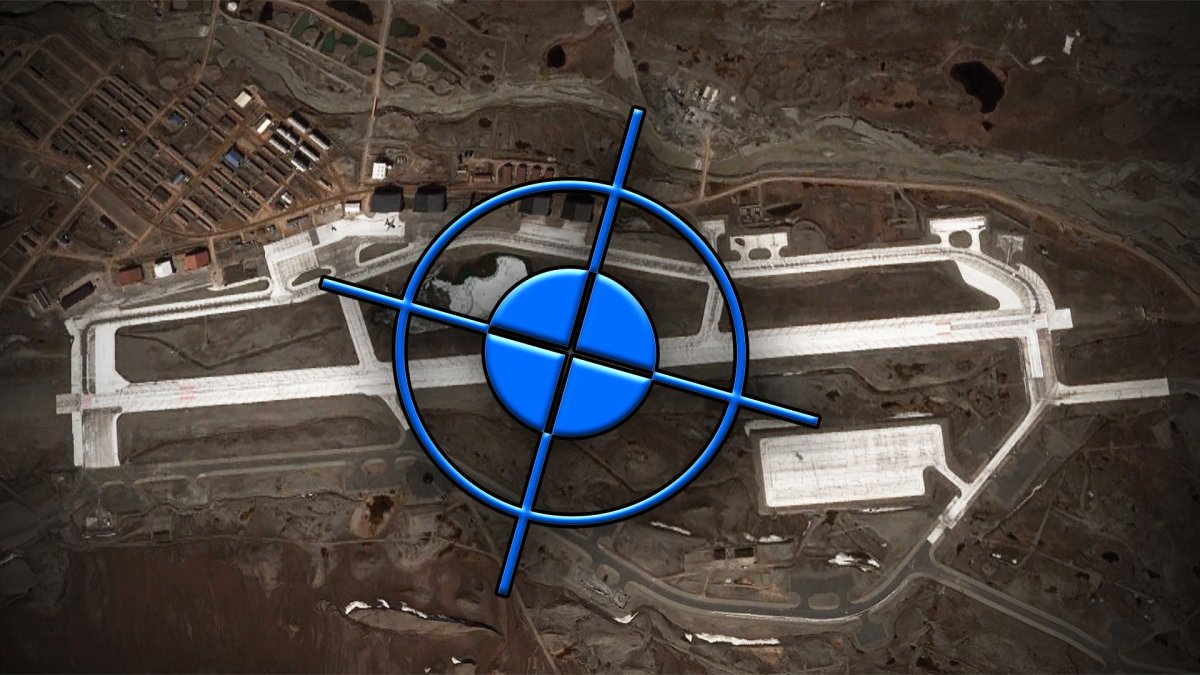
By Brett Tingley and Tyler Rogoway
Updated Dec 1, 2019 6:01 AM EST
Recent events have highlighted the increasing strategic value of the Arctic as both Russia and the United States seek to expand their military footprints into the northernmost regions of both hemispheres. Yet it is abundantly clear that Russia is putting huge strategic importance on the Arctic, as evidenced from its many investments in the region , while the United States lags behind in terms of a permanent footprint above the Arctic Circle.
That strategic value took center stage recently when President Donald Trump stated that his administration was considering attempting to purchase Greenland from Denmark . “It’s just something we’ve talked about,” Trump told the Wall Street Journal . “Denmark essentially owns [Greenland]. We’re very good allies with Denmark. We’ve protected Denmark like we protect large portions of the world, so the concept came up. Strategically, it’s interesting. And, we’d be interested. We’ll talk to them a little bit.”
While Trump’s comments were widely lampooned in the international press and flat out rebuffed by the Danish government, the pipe dream of purchasing an autonomous region from an ally is in fact somewhat rooted in American and NATO military policy. For over 60 years, America has operated one of its most strategic military outposts in Greenland with the permission of the Danish government.
The ramp at Thule Air Base. , USAF
Russia, in particular, has been increasing its air and naval power in the Arctic Circle in recent years and has been establishing new bases along what is destined to become a new and highly strategic shipping route as the ice continues to melt. NATO allies such as Denmark, with strategic arctic access to the Arctic, have thus become key to America’s defenses in what seems to be a new Cold War brewing in the Earth’s highest latitudes.
America’s northernmost military base, Thule Air Base, is key to the United States’ ability to provide early warning of an impending nuclear attack and serves as a major logistical hub in a very important, but remote region. Throughout its nearly 70-year history, the base has had many other roles and has faced its shares of challenges and near-disasters. Today, it remains just as inhospitable and vital as ever.
An RCAF Hornet at Thule Air Base. , USAF
The United States began establishing military outposts and bases throughout Greenland after Danish Ambassador to the United States Henrik Kauffmanns made an agreement, on his own initiative and in defiance of the Danish government operating under Nazi occupation, in 1941 that authorized the United States to defend Danish settlements on Greenland from German forces. The Danish government attempted to evict the United States following World War II, but abandoned those attempts in 1949 when it joined NATO.
Because Greenland and the Arctic regions offer short distances between North America and the Soviet Union, the Cold War saw U.S. Armed Forces turn to Greenland for the establishment of early warning outpost and a locale capable of executing nuclear strikes on Russia. In 1950 the Air Force began constructing Thule Air Base in secret under the project name Operation Blue Jay . The existence of the base finally was made public in late 1952.
The installation initially featured a 10,000-foot runway, 125 barracks units, 6 mess halls, and the necessary infrastructure to support a population of thousands year-round. Other features included a hospital, power plant, and recreational facilities, including a bowling center, fitness center, and the “Top Of The World” club offering a restaurant, lounge, and ballroom. The base, which was originally operated by U.S. Air Force’s Strategic Air Command, had a multitude of missions throughout the Cold War, including supporting strategic bomber and reconnaissance operations aimed at the USSR. It even hosted interceptor jets, as well as Nike nuclear-armed surface-to-air missiles to protect it from potential attack and to swat down large formations of Soviet bombers heading to the United States would World War III have kicked off.
74th Fighter-Interceptor Squadron’s F-89s at Thule Air Base, Greenland, in 1955., USAF via Wikicommons
Today, Thule Air Base remains the United States military’s northernmost outpost, located well above the Arctic Circle and just 947 miles from the North Pole. These days, nearly 600 USAF personnel, civilian contractors, Danes, and Greenlanders still call the base home. USAF personnel assigned to Thule are welcomed to “the top of the world” with an orientation document outlining the unique challenges of living in such a remote, inhospitable environment.
Thule Air Base in 2005, Public domain
USAF personnel at Thule face winter temperatures that drop to as low as -47 degrees Fahrenheit and include winds that can peak as high as 100 knots. The closest town to the Air Base is Qaanaaq, which is located 75 miles northwest of the base and boasts a population of about 600 permanent residents. One of the most unique and arguably misery-inducing features of Thule is the fact that the base experiences constant darkness from November through February, as well as constant sunlight from May to August.
Thule Air Base includes a deepwater port and sprawling infrastructure., Google Earth
Thule Air Base, Google Earth
Emergency shelters are located at intervals along Thule’s network of roads, and a strict buddy system is used whenever personnel leave the base. During some storm conditions, personnel are restricted to the buildings in which they are located whenever the severe conditions are declared with no pedestrian or vehicle travel whatsoever. Frostbite, hidden pockets of water just below the snow, and snow blindness are everyday dangers faced by USAF personnel at Thule.
The different storm conditions depicted in an orientation document for personnel arriving at the base., Pentagon document
Thule Air Base plays host to a variety of operations, including those concerned with ballistic missile early warning and defense. Today, the Air Force’s 821st Air Base Group oversees operations at Thule. This unit is subordinate to the 21st Space Wing at Peterson Air Force Base in Colorado, which provides space surveillance, missile warning, and space control to North American Aerospace Defense Command and Air Force Space Command. Detachment 1 of the 23rd Space Operations Squadron, part of the 50th Space Wing’s global satellite control network, also calls Thule Air Base home and provides telemetry, tracking, and command and control operations to the United States and allied government satellite programs.
The 821st Security Forces Squadron at Thule Air Base handles security of the 254 square-mile Thule Defense Area. That area includes a ballistic missile early warning system, satellite control and tracking facilities, the air base, and the seaport which is only accessible for a short period during the summer. The annual sealift operation to support the base during this period is called Operation Pace Goose.
Thule also hosts the 12th Space Warning Squadron, responsible for the Ballistic Missile Early Warning System which is tasked with detecting and tracking ICBMs heading for North America. A secondary mission of the 12th SWS is providing space surveillance data on satellites and other near-Earth objects like asteroids to the Joint Space Operations Center at Vandenberg Air Force Base.
The facility at Thule that primarily supports all these space and missile warning missions is Site J, or J-Site. It’s a sprawling USAF radar station that sits on a bluff roughly six miles northeast of Thule Air Base and includes some of the most up-to-date and powerful missile warning and space object tracking systems on the planet, including Raytheon’s giant AN/FPS-120 Solid State Phased Array Radar.
AN/FPS-120 a Thule’s J-Site., www.bcpowersys.com/
In the event of a missile launch threatening North America, the site will provide warnings and missile defense assessment data of incoming Intercontinental Ballistic Missiles (ICBMs) and Submarine-Launched Ballistic Missiles (SLBMs). It is fully networked into the ecosystem of space-based, sea-based, and ground-based sensors that provide Strategic Command, and thus the National Command Authority, with critical information regarding an impending nuclear attack . Because of this high-stakes role, the information the site provides can mean the difference between identifying a mistake or accidentally ending the world as we know it.
J-Site., Google Earth
In addition, Thule is the site of a number of flying operations, including Vigilant Shield , an annual, bi-national air defense training event staged with Canadian forces. Thule often offers support for surveillance missions, scientific data gathering flights , and as a hub for transports and search and rescue aircraft.
Over the years, it has been speculated that the base is an ideal location to launch clandestine spy flights against Russian interests in the region. Thule did play a part in the SR-71 Blackbird’s history. Tanks were installed at Thule to hold the jet’s unique JP-7 fuel and tankers did operate from there to refuel Blackbird missions, but beyond that, and being a diversion field, it isn’t clear if the base ever hosted the Blackbird. Still, one would think for secretive flying assets, the remote and strategic location with ample hangar space and a tiny population would be an ideal place to deploy them from when the mission warrants it, especially in this age of new friction between the U.S. and Russia and the latter’s designs on the region.
Because of its strategic value and early warning mission, Thule Air Base and its surrounding facilities will, unfortunately, be among the first military installations to be targeted in the event of a nuclear exchange. But the threat of nuclear annihilation isn’t the only danger Thule Air Base faces.
Ghosts of The Cold War: Camp Century and Project Iceworm
From 1959 until 1967, a secretive research facility known as Camp Century was established 150 miles east of Thule Air Base. A 1965 technical report produced by the U.S. Army Cold Regions Research & Engineering Laboratory states the facility’s official purpose was to “learn how to construct military facilities on the Greenland Ice Cap.” This was a feat which required significant research to find construction methods and materials which could survive the constantly-shifting conditions of glacial subsurface ice.
In order to provide Camp Century with power, American engineers installed a nuclear reactor under the ice, a decision which the Danish government found problematic , to say the least. There were widespread fears that the reactor could contaminate the surrounding ice sheet, but the Danish government ultimately sided with NATO deterrence policies and allowed the United States to install the nuclear reactor – and to store nuclear weapons at Camp Century.
Camp Century was known to the public, and Walter Cronkite even visited the site with CBS camera crews in 1961. However, it was also home to an infamous and bizarre research project known as Project Iceworm.
According to a 2008 study published in the Scandanavian Journal of History , Project Iceworm involved plans to construct a system of tunnels 2,500 miles in length, which could be used to launch 600 “Iceman” missiles, modified two-stage Minuteman Intermediate Range Ballistic Missiles (IRBMs), at the Soviet Union. While this a purpose was never disclosed to the Danish public, the study’s author claims that Project Iceworm was intended to be a cornerstone of NATO’s “second strike” nuclear weapons strategy:
“According to the Army study the concept would take advantage from the remoteness of Northern Greenland, its relative closeness to Soviet targets, the ‘unique adaptability of the Icecap to nuclear deployment’, and the proximity to Thule. The key concept was to deploy the missile force in ‘thousands of miles of cut-and-cover tunnels’, or rather covered trenches, whose floor would lie 28 feet beneath the surface. The missiles would be placed some four miles apart and controlled by a total of 60 hardened Launch Control Centers (LCCs) dispersed under the ice surface. In its launch position the warhead of the Iceman would be about 3 feet beneath the surface and able to withstand an overpressure of at least 30 psi. The whole system should be launchable in 20 to 60 minutes depending on circumstances and would be relatively invulnerable ‘except to a massive Soviet thermonuclear attack’, which was not deemed likely.”
Ultimately, both Camp Century and Project Iceworm were plagued with issues stemming from the fact that the Greenland ice sheet is constantly shifting. Army engineers determined that keeping thousands of miles of ice tunnels from collapsing was too great a technical challenge and cost. Project Iceworm and Camp Century were abandoned in 1966 before the nuclear launch tunnels were ever operational, but their legacies still haunt Greenland today.
In 2016, scientists observed that rapidly melting sea ice could soon expose the buried weapons , sewage, fuel, and pollutants at Camp Century within the next 90 years. The thawing camp has been estimated to contain hundreds of thousands of gallons of diesel fuel, wastewater, radioactive coolants, and toxic organic compounds such as PCBs . These were buried in the ice along with the camp under the assumption that the ice sheet would permanently house them, but climate change is now threatening to unearth these pollutants.
Greenland, which secured home rule from Denmark in 1979 and has been increasingly more autonomous following the passage of the Self-Government Act in 2008, has unsuccessfully attempted to compel the U.S. government to clean up the abandoned outpost, but so far the base remains a contentious diplomatic issue. In 2017, the Pentagon issued a statement saying it “acknowledges the reality of climate change and the risk it poses” and will “work with the Danish government and the Greenland authorities to settle questions of mutual security.”
1968 B-52 Crash and Project Crested Ice
Aside from housing a ticking environmental time bomb, Thule Air Base is also the site of one of America’s worst nuclear accidents, the 1968 Thule Air Base B-52 crash. On January 21, 1968, a cabin fire broke out in B-52G “HOBO 28,” a USAF bomber carrying four B28FI thermonuclear gravity bombs. The cause of the fire remains unknown. Six of the seven crew members were able to successfully eject, but the seventh was killed while abandoning the aircraft. The B-52 subsequently crashed onto sea ice in North Star Bay just west of Thule Air Base.
SSgt Calvin Snapp being rescued after ejecting onto the Greenland ice sheet., Public domain
Reports vary, but it is believed at least three of the B-52’s weapons exploded on impact, showering the surrounding area with radioactive materials. While nuclear detonations were not triggered, the conventional high explosives did, creating a swath of fallout similar to the effects of a dirty bomb. The burning fuel and explosives melted the ice sheet, allowing much of the debris to settle to the ocean floor.
The USAF quickly launched Project Crested Ice to cleanup the nuclear mess, an effort which required the collection of thousands of pieces of debris from the ice sheet and ocean floor as well as over 500 million gallons of ice water. Hundreds of USAF personnel worked for eight months in subzero temperatures to recover radioactive materials which were then shipped to South Carolina for safe disposal.
USAF documents confirm that at least 29 service members were contaminated, but a 2001 USAF evaluation of Project Crested Ice states that the highest readings in samples from contaminated personnel “were well below the annual limit of intake.”
While the clean up was deemed a success by the USAF, documents obtained by the BBC through the Freedom of Information Act suggest that at least one of the thermonuclear weapons may have been unaccounted for following Project Crested Ice.
At the time, the Pentagon refused to comment on the alleged lost weapon. A subsequent study from the state-financed Danish Institute for International Studies (DIIS) disputed the BBC report , saying the documents referred to a search for a part of the fissile core of one of the bombs, not a missing bomb itself.
Thule’s Lasting Strategic Importance
NATO continues to cite the Arctic as a region of “great power competition” as Russia vies for control of strategic locations and undersea natural resources. Russia has been preparing for war in the Arctic for years, and despite its foothold at Thule Air Base, the United States is still playing catch-up.
As of 2016, Russia has over 50 airfields and ports in the area, assets which may enable it to deny the United States access to the Arctic. The Russians also operate a remarkably large fleet of icebreakers across the country’s Navy and other agencies, which ensure it has access to these same areas.
China is also expanding its presence in the Arctic , prompting the Department of Defense to define the Arctic as “ an increasingly competitive domain .” Earlier this year, the Pentagon warned Congress of China’s high interest in the Arctic , including Greenland, and the country’s potential to cooperate with Russia on the strategic issue. “Though Russia and China would be natural competitors for Arctic resources and influence, they have started cooperation knowing that only together they can outcompete the West,” said Agnia Grigas , an energy expert in Washington, D.C. “China’s need for energy sources and Russia’s economic dependence on fossil fuel exports depends on this.”
As the Arctic sea ice continues to melt, the world’s superpowers are racing to establish permanent footholds in the Arctic not only for military strategy but for economic development. In 2017, the Center for Contemporary Conflict wrote that there is “tremendous potential for maritime commerce” in the Arctic including oil drilling in the North Sea and the mining of rare earth metals from the sea floor.
The Chinese icebreaker Xue Long lowers equipment to the Arctic ice., Public domain
China is already investing billions in energy extraction and minerals prospecting throughout Greenland and Siberia, and more Chinese ships are using the Northern Sea Route for commerce. Ex-NATO commander Philip Breedlove has mentioned in interviews that melting Arctic sea ice will open up new lanes for commercial shipping and maritime traffic between Asian markets and Europe and North America, meaning whichever superpower controls these lanes will be able to dictate the terms of international trade in the Arctic.
As the Arctic heats up both literally and geopolitically, Thule could become a cornerstone of America’s military strategy in what is a looming military competition in the northernmost corner of the world. Thule Air Base’s geographic location provides the United States with unparalleled access to the Arctic, and its missile detection and tracking capabilities make it one of the most strategically important sites the Air Force operates. If the U.S. wants to compete with Russia in the Arctic, Thule is likely to become a key linchpin of that strategy. Having a major installation to stage logistics out of that can then be pushed farther north will be absolutely essential in itself, as well as a place for forward-based command and control capabilities and other activities, beyond all the other support and surveillance functions the base currently provides.
A view from the street during snowfall at Thule Air Base., USAF
This could mean that one day Thule Air Base ends up reverting back to regularly supporting strategic bomber operations—a possibility that seems even more likely as of late —and hosting a permanent cadre of fighters for its protection. Outfitting the sprawling base with static anti-aircraft and anti-ballistic missile defenses is another real possibility as tensions between the U.S., its NATO allies, and Russia continues to rise throughout the region in the coming years. The fact that the base appears to be largely defenseless at this time is quite concerning, to be honest.
With all this in mind, cooperation with the Danish government remains more imperative than ever in order to keep this site in America’s strategic portfolio, but the threat of climate change and the possibility of shifting international relationships means that this isn’t necessarily guaranteed.
Site J seen under a rainbow during the summer months at Thule. , USAF
Contact the editor: Tyler@thedrive.com
Comments couldn’t be loaded. Please refresh the page.
作者:Brett Tingley 和 Tyler Rogoway
更新于美国东部时间2019年12月1日上午6:01
近期发生的事件凸显了北极日益增长的战略价值,俄罗斯和美国都在寻求将其军事存在扩展到南北半球的最北端地区。然而,显而易见的是,俄罗斯对北极的战略重视程度更高,其在该地区的大量投资便是最好的证明;而美国在北极圈以北的永久性军事存在方面则远远落后。
最近,唐纳德·特朗普总统表示,他的政府正在考虑从丹麦手中购买格陵兰岛,这使得格陵兰岛的战略价值成为关注焦点。“我们一直在讨论这件事,”特朗普告诉《华尔街日报》。“丹麦实际上拥有格陵兰岛。我们与丹麦是非常好的盟友。我们像保护世界大部分地区一样保护着丹麦,所以这个想法就出现了。从战略角度来看,这很有意思。而且,我们对此很感兴趣。我们会和他们谈谈。”
尽管特朗普的言论遭到国际媒体的广泛嘲讽,并被丹麦政府断然驳斥,但从盟友手中购买自治地区的白日梦实际上在某种程度上植根于美国和北约的军事政策。60多年来,美国在丹麦政府的许可下,一直在格陵兰岛运营着其最具战略意义的军事前哨之一。
图勒空军基地的停机坪。(美国空军)
近年来,俄罗斯尤其加强了在北极圈的空中和海上力量,并沿着一条注定会成为新的、极具战略意义的航运路线(随着冰层持续融化)建立新的基地。因此,像丹麦这样拥有通往北极战略要地的北约盟国,在美国的防御体系中变得至关重要,这场似乎正在地球最高纬度酝酿的新冷战即将爆发。
图勒空军基地是美国最北端的军事基地,对于美国提供核攻击预警至关重要,同时也是这一重要但偏远地区的主要后勤枢纽。在其近70年的历史中,该基地承担了许多其他角色,也经历了不少挑战和险些酿成灾难的事件。如今,它依然像以往一样,既艰苦卓绝,又至关重要。
一架加拿大皇家空军的“大黄蜂”战斗机停在图勒空军基地。美国空军
1941年,丹麦驻美国大使亨里克·考夫曼斯(Henrik Kauffmanns)主动与美国达成协议,授权美国保卫丹麦在格陵兰岛的定居点免受德军侵扰。此举无视了当时处于纳粹占领下的丹麦政府的意愿。此后,美国开始在格陵兰岛各地建立军事哨所和基地。二战结束后,丹麦政府曾试图驱逐美国,但在1949年加入北约后放弃了这一努力。
由于格陵兰岛和北极地区位于北美和苏联之间,距离较近,冷战期间,美军将目光投向格陵兰岛,希望在那里建立预警哨所和对苏联实施核打击的基地。1950年,美国空军秘密启动了代号为“蓝鸟行动”的图勒空军基地建设项目。该基地的存在最终于1952年末公之于众。
该基地最初配备了一条10,000英尺长的跑道、125个营房单元、6个食堂,以及足以全年维持数千人口所需的基础设施。其他设施包括医院、发电厂和娱乐设施,例如保龄球馆、健身中心以及设有餐厅、休息室和舞厅的“世界之巅”俱乐部。该基地最初由美国空军战略空军司令部运营,在冷战期间承担了多项任务,包括支持针对苏联的战略轰炸和侦察行动。它甚至部署了拦截机和“耐克”核导弹,以保护自身免受潜在攻击,并在第三次世界大战爆发时击落飞往美国的苏联大批轰炸机。
1955年,驻扎在格陵兰岛图勒空军基地的第74战斗机拦截中队的F-89战斗机。(图片来自维基共享资源,美国空军)
如今,图勒空军基地仍然是美国军方最北端的军事基地,位于北极圈以北,距离北极点仅947英里。目前,近600名美国空军人员、文职承包商、丹麦人和格陵兰人仍然以该基地为家。驻扎在图勒的美国空军人员都会收到一份入职培训文件,其中概述了在如此偏远、环境恶劣的地区生活所面临的独特挑战,以此欢迎他们来到“世界之巅”。
2005 年的图勒空军基地,公共领域
驻扎在图勒空军基地的美军人员面临着冬季气温低至零下47华氏度(约零下30摄氏度)的严寒,以及高达100节(约160公里/小时)的强风。距离空军基地最近的城镇是卡纳克,位于基地西北方向75英里(约120公里)处,拥有约600名常住居民。图勒基地最独特、也最令人难以忍受的特点之一是,从11月到次年2月,基地将经历极度黑暗;而从5月到8月,则将迎来极度阳光。
图勒空军基地包括一个深水港和庞大的基础设施。(谷歌地球)
图勒空军基地,谷歌地球
图勒基地道路沿线间隔设置了应急避难所,所有人员离开基地时都必须严格遵守结伴而行的制度。在某些暴风雪天气下,一旦宣布进入恶劣天气状态,所有人员将被限制在所在建筑物内,禁止一切行人或车辆通行。冻伤、积雪下隐藏的积水以及雪盲是驻图勒空军基地人员每天都要面对的危险。
基地人员入职培训文件中描述的各种风暴状况。(五角大楼文件)
图勒空军基地承担着多种作战任务,包括弹道导弹预警和防御。目前,美国空军第821空军基地大队负责图勒基地的各项行动。该大队隶属于位于科罗拉多州彼得森空军基地的第21太空联队,后者为北美防空司令部和空军太空司令部提供太空监视、导弹预警和太空控制服务。第50太空联队全球卫星控制网络的一部分——第23太空作战中队第1分遣队也驻扎在图勒空军基地,为美国及其盟国政府的卫星项目提供遥测、跟踪以及指挥控制服务。
位于图勒空军基地的第821安全部队中队负责254平方英里图勒防御区的安全。该区域包括弹道导弹预警系统、卫星控制和跟踪设施、空军基地以及仅在夏季短暂开放的海港。每年夏季为基地提供海上运输支持的行动被称为“鹅步行动”。
图勒空军基地还驻扎着第12太空预警中队,该中队负责弹道导弹预警系统,其任务是探测和追踪飞向北美的洲际弹道导弹。第12太空预警中队的另一项任务是向范登堡空军基地的联合太空作战中心提供卫星和其他近地天体(例如小行星)的太空监视数据。
图勒空军基地主要负责支持所有这些太空和导弹预警任务的设施是J站,或称J站。这是一个庞大的美国空军雷达站,坐落在图勒空军基地东北方向约六英里处的一处悬崖上,拥有地球上一些最先进、最强大的导弹预警和太空目标跟踪系统,其中包括雷神公司巨型AN/FPS-120固态相控阵雷达。
AN/FPS-120 是 Thule 的 J-Site 产品,网址:www.bcpowersys.com/
一旦北美遭到导弹袭击,该站点将提供来袭洲际弹道导弹(ICBM)和潜射弹道导弹(SLBM)的预警和导弹防御评估数据。它与天基、海基和陆基传感器组成的生态系统完全联网,为战略司令部乃至国家指挥机构提供有关即将发生的核攻击的关键信息。由于其至关重要的作用,该站点提供的信息可能决定着是能够发现错误,还是会意外地毁灭我们所知的世界。
J-Site,谷歌地球
此外,图勒空军基地还是多项飞行活动的开展地,其中包括与加拿大军队联合举办的年度双边防空训练活动“警戒之盾”。图勒空军基地经常为侦察任务、科学数据采集飞行提供支持,并作为运输机和搜救飞机的枢纽。
多年来,人们一直猜测图勒基地是针对俄罗斯在该地区的利益发动秘密间谍飞行的理想地点。图勒基地确实在SR-71“黑鸟”侦察机的历史中扮演过重要角色。这里曾设有油箱,用于储存该战机特有的JP-7燃油,加油机也曾从这里起飞为“黑鸟”执行任务加油。但除此之外,由于该基地只是一个备降机场,目前尚不清楚它是否曾驻扎过“黑鸟”侦察机。尽管如此,人们仍然会认为,对于秘密飞行资产而言,图勒基地地处偏远,战略位置优越,拥有充足的机库空间,且人口稀少,因此在任务需要时,这里无疑是理想的部署地点,尤其是在当前美俄关系日益紧张,以及俄罗斯对该地区的野心日益膨胀的背景下。
由于其战略价值和预警任务,图勒空军基地及其周边设施不幸地将成为核战争爆发时首批遭受攻击的军事设施之一。但核毁灭的威胁并非图勒空军基地面临的唯一危险。
冷战幽灵:世纪营与冰虫计划
从1959年到1967年,一个名为“世纪营”(Camp Century)的秘密研究设施在图勒空军基地以东150英里处建立。美国陆军寒区研究与工程实验室1965年的一份技术报告指出,该设施的官方目的是“学习如何在格陵兰冰盖上建造军事设施”。这是一项艰巨的任务,需要进行大量的研究,以找到能够经受住冰川下层冰层不断变化的环境考验的建造方法和材料。
为了给世纪营地提供电力,美国工程师在冰层下安装了一座核反应堆。丹麦政府对此决定颇有微词,认为其存在诸多问题。人们普遍担心反应堆会污染周围的冰盖,但丹麦政府最终还是站在了北约的威慑政策一边,允许美国在世纪营地安装核反应堆并储存核武器。
世纪营地是公众所熟知的,沃尔特·克朗凯特甚至在 1961 年带着 CBS 摄制组参观了该营地。然而,它也是一个臭名昭著且怪异的研究项目——冰虫计划——的所在地。
根据2008年发表在《斯堪的纳维亚历史杂志》上的一项研究,“冰虫计划”包括建造一个长达2500英里的隧道系统,该系统可用于向苏联发射600枚“冰人”导弹,即改进型的两级民兵中程弹道导弹(IRBM)。虽然这一目的从未向丹麦公众披露,但该研究的作者声称,“冰虫计划”旨在成为北约“二次打击”核武器战略的基石。
根据陆军的研究,该方案将利用格陵兰岛北部偏远的地理位置、其与苏联目标的相对接近性、冰盖对核武器部署的独特适应性以及靠近图勒的地理优势。其核心理念是将导弹部队部署在“数千英里的明挖隧道”(或更确切地说是掩埋的壕沟)中,这些壕沟的底部位于地表以下28英尺处。导弹将以大约4英里的间隔部署,并由分散在冰面下的60个加固型发射控制中心(LCC)进行控制。“冰人”导弹的弹头在发射位置位于地表以下约3英尺处,能够承受至少30磅/平方英寸的超压。整个系统应可在20至60分钟内发射,具体时间取决于实际情况,并且“除了苏联的大规模热核攻击之外”(这种攻击被认为不太可能发生)。
最终,无论是“世纪营地”还是“冰虫计划”,都因格陵兰冰盖的不断移动而饱受困扰。陆军工程师认定,要维持数千英里冰隧道不发生坍塌,其技术难度和成本都过于巨大。“冰虫计划”和“世纪营地”在1966年核弹发射隧道投入使用前就被废弃,但它们的遗留问题至今仍困扰着格陵兰。
2016年,科学家观察到,海冰快速融化可能在未来90年内使世纪营地埋藏的武器、污水、燃料和污染物暴露出来。据估计,这座正在融化的营地内含有数十万加仑的柴油、废水、放射性冷却剂以及多氯联苯等有毒有机化合物。这些物品与营地一同被埋入冰层,当时人们认为冰盖会永久地将它们封存在其中,但气候变化如今却有可能使这些污染物重见天日。
格陵兰于1979年从丹麦获得自治权,并在2008年《自治法》通过后自治程度日益提高。格陵兰曾多次试图迫使美国政府清理废弃的前哨基地,但均未成功。迄今为止,该基地仍是一个棘手的外交问题。2017年,五角大楼发表声明称,它“承认气候变化的现实及其带来的风险”,并将“与丹麦政府和格陵兰当局合作,解决共同安全问题”。
1968年B-52坠毁事件与冰脊计划
除了埋藏着一颗随时可能引爆的环境定时炸弹外,图勒空军基地还是美国历史上最严重的核事故之一——1968年图勒空军基地B-52轰炸机坠毁事故的发生地。1968年1月21日,一架名为“HOBO 28”的美国空军B-52G轰炸机(机上载有四枚B28FI型热核重力炸弹)发生机舱起火。起火原因至今不明。七名机组人员中有六人成功弹射逃生,但第七名机组人员在弃机过程中不幸遇难。这架B-52轰炸机随后坠毁在图勒空军基地以西的北极星湾海冰上。
中士卡尔文·斯纳普被弹射到格陵兰冰盖上后获救。(公共领域)
各方报道不一,但据信B-52轰炸机至少有三枚武器在撞击时爆炸,放射性物质散布到周围地区。虽然没有引发核爆炸,但常规高爆炸药爆炸,造成了一片类似于脏弹的放射性尘埃带。燃烧的燃料和炸药融化了冰盖,使大量碎片沉入海底。
美国空军迅速启动了“冰脊计划”,清理核污染造成的混乱局面。这项行动需要从冰盖和海底收集数千块碎片,以及超过5亿加仑的冰水。数百名美国空军人员在零下低温中工作了八个月,回收放射性物质,然后将其运往南卡罗来纳州进行安全处置。
美国空军的文件证实至少有 29 名军人受到污染,但美国空军 2001 年对“冰冠计划”的评估指出,受污染人员样本中的最高读数“远低于年度摄入量限值”。
虽然美国空军认为清理工作取得了成功,但英国广播公司通过《信息自由法》获得的文件显示,在“冰脊计划”之后,至少有一枚热核武器下落不明。
当时,五角大楼拒绝就所谓丢失的武器发表评论。随后,由丹麦国家资助的丹麦国际问题研究所(DIIS)的一项研究对BBC的报道提出异议,称相关文件指的是对其中一枚炸弹裂变核心部件的搜寻,而非炸弹本身的丢失。
图勒的持久战略重要性
北约持续将北极地区视为“大国竞争”的战场,因为俄罗斯正竭力争夺战略要地和海底自然资源。多年来,俄罗斯一直在为北极战争做准备,尽管美国在图勒空军基地拥有立足点,但仍然处于追赶状态。
截至2016年,俄罗斯在该地区拥有超过50个机场和港口,这些资产可能使其能够阻止美国进入北极地区。俄罗斯海军和其他机构还拥有一支规模庞大的破冰船队,确保其能够进入这些地区。
中国也在不断扩大其在北极地区的影响力,促使美国国防部将北极定义为“竞争日益激烈的地区”。今年早些时候,五角大楼曾警告国会,中国对包括格陵兰岛在内的北极地区表现出浓厚的兴趣,并有可能与俄罗斯在这一战略问题上开展合作。华盛顿特区的能源专家阿格尼亚·格里加斯表示:“尽管俄罗斯和中国在北极资源和影响力方面天然存在竞争关系,但他们已经开始合作,因为他们知道只有携手合作才能战胜西方。中国对能源的需求以及俄罗斯对化石燃料出口的经济依赖都取决于此。”
随着北极海冰持续融化,世界超级大国竞相在北极建立永久据点,这不仅关乎军事战略,也关乎经济发展。2017年,当代冲突中心撰文指出,北极地区“海上贸易潜力巨大”,包括在北海进行石油钻探以及从海底开采稀土金属。
中国破冰船“雪龙”号正在北极冰面上投放设备。(公共领域)
中国已在格陵兰岛和西伯利亚投入数十亿美元用于能源开采和矿产勘探,越来越多的中国船只也开始使用北方海航道进行商业运输。前北约指挥官菲利普·布里德洛夫在采访中提到,北极海冰融化将开辟新的航道,连接亚洲市场与欧洲和北美,这意味着控制这些航道的超级大国将能够左右北极地区的国际贸易格局。
随着北极地区气温和地缘政治局势的不断升温,图勒空军基地可能成为美国在即将到来的北极军事竞争中的关键一环。图勒空军基地的地理位置使美国拥有无与伦比的北极通道,其导弹探测和跟踪能力使其成为美国空军最具战略意义的基地之一。如果美国想要在北极与俄罗斯展开竞争,图勒很可能成为其战略的关键所在。拥有一个大型后勤基地,并以此为中心向更北的地区推进后勤保障,本身就至关重要。此外,除了基地目前提供的所有支援和监视功能外,它还将承担前沿指挥控制和其他活动的功能。
从街上看到的图勒空军基地下雪时的景象,美国空军
这意味着,图勒空军基地或许有一天会恢复其常规战略轰炸机作战功能——近来这种可能性似乎越来越大——并常驻一支战斗机部队以保卫自身安全。随着未来几年美国、其北约盟国和俄罗斯之间的紧张局势在整个地区持续升级,为这座庞大的基地配备固定式防空和反弹道导弹防御系统也是一个切实可行的方案。坦白说,该基地目前似乎基本处于无防御状态,这着实令人担忧。
考虑到所有这些因素,为了将该地点保留在美国的战略资产组合中,与丹麦政府的合作比以往任何时候都更加重要,但气候变化的威胁和国际关系变化的可能性意味着这一点并不一定能得到保证。
图勒空军基地J点在夏季的彩虹下景色。(美国空军)
联系编辑:Tyler@thedrive.com
评论加载失败,请刷新页面。