Singapore now a super-aged society, with 21.4% of citizen population aged 65 and older新加坡如今已步入超老龄化社会,65岁及以上公民占总人口的21.4%。
The number of Singaporeans aged 80 and older has gone up 60 per cent in the past decade. Read more at straitstimes.com.
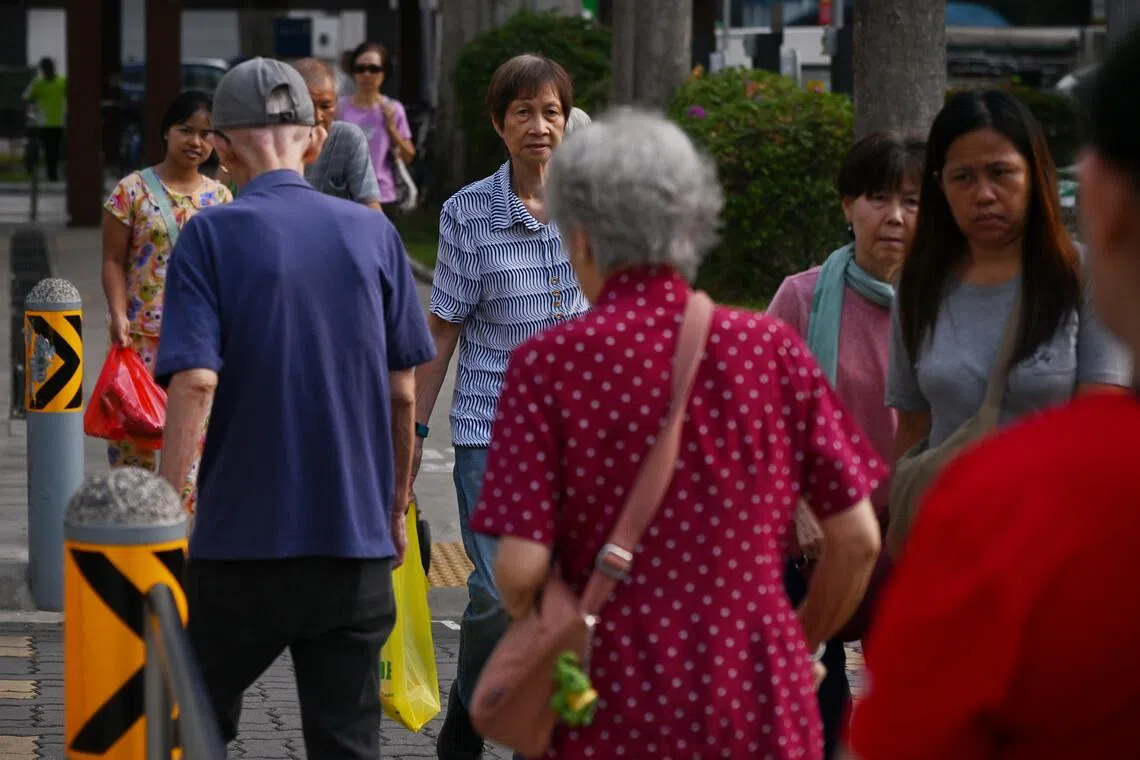
The number of Singaporeans aged 80 and older also increased to 152,000 in 2026, up from 145,000 in 2025.
ST PHOTO: KUA CHEE SIONG
Published Sep 25, 2026, 02:59 PM
Updated Sep 25, 2026, 03:01 PM
SINGAPORE - Singapore has officially become a super-aged society, with more than 21 per cent of the population aged 65 and older.
In 2026, 21.4 per cent of Singaporeans are in this age group, up from 20.7 per cent in 2025 and 13.7 per cent a decade ago.
This means the Republic has crossed the threshold for the United Nations’ definition of a super-aged society, where 21 per cent or more of the population is aged 65 and older.
The number of Singaporeans aged 80 and older also increased to 152,000 in 2026, up from 145,000 in 2025. This is a 60 per cent jump from a decade ago, when there were 95,000 citizens in this age group.
These figures were published by the National Population and Talent Division on Sept 25 in its annual Population In Brief report, which provides an update on Singapore’s key population trends over the past year.
The report said it is estimated that more than one in four citizens will be aged 65 and above by 2035.
At the same time, the number and proportion of working-age people – usually defined as between 20 and 64 years of age – who are capable of providing economic support to older dependants is expected to stay “broadly stable” between 2030 and 2035.
This is due to smaller cohorts moving into the 65 and above age band, together with an inflow of younger cohorts into the 20 to 64 age group, including from immigration.
Wong Yang is a journalist who covers politics and policy.
Population/Demographics
Singapore population
新加坡 80 岁及以上人口数量也从 2025 年的 145,000 人增加到 2026 年的 152,000 人。
《海峡时报》摄影:郭志雄
发布于 2026 年 9 月 25 日下午 2:59
更新于2026年9月25日下午3:01
新加坡——新加坡已正式成为一个超老龄化社会,65 岁及以上人口占总人口的 21% 以上。
到 2026 年,新加坡 21.4% 的人口属于这个年龄段,高于 2025 年的 20.7% 和十年前的 13.7%。
这意味着该共和国已经跨越了联合国对超老龄化社会的定义门槛,即 65 岁及以上人口占总人口的 21% 或以上。
新加坡80岁及以上人口数量也将从2025年的14.5万人增加到2026年的15.2万人。这比十年前增长了60%,当时该年龄段的公民有9.5万人。
这些数据由国家人口与人才署于9月25日在其年度《人口简报》中发布,该报告更新了新加坡过去一年的主要人口趋势。
报告称,预计到 2035 年,超过四分之一的公民将年满 65 岁及以上。
与此同时,能够为年长受抚养人提供经济支持的劳动年龄人口(通常定义为 20 至 64 岁)的数量和比例预计在 2030 年至 2035 年间将保持“大致稳定”。
这是由于进入 65 岁及以上年龄段的人口数量减少,以及 20 至 64 岁年龄段的人口(包括移民)大量涌入所致。
黄阳是一位报道政治和政策的记者。
人口/人口统计
新加坡人口