Malaysia, Kazakhstan should deepen higher education cooperation through five‑pillar knowledge partnership, Zambry says赞布里表示,马来西亚和哈萨克斯坦应通过五大支柱知识伙伴关系深化高等教育合作。
ASTANA, Sept 26 — Malaysia and Kazakhstan should forge a comprehensive knowledge partnership to strengthen higher education cooperation between the two countries, said Higher...
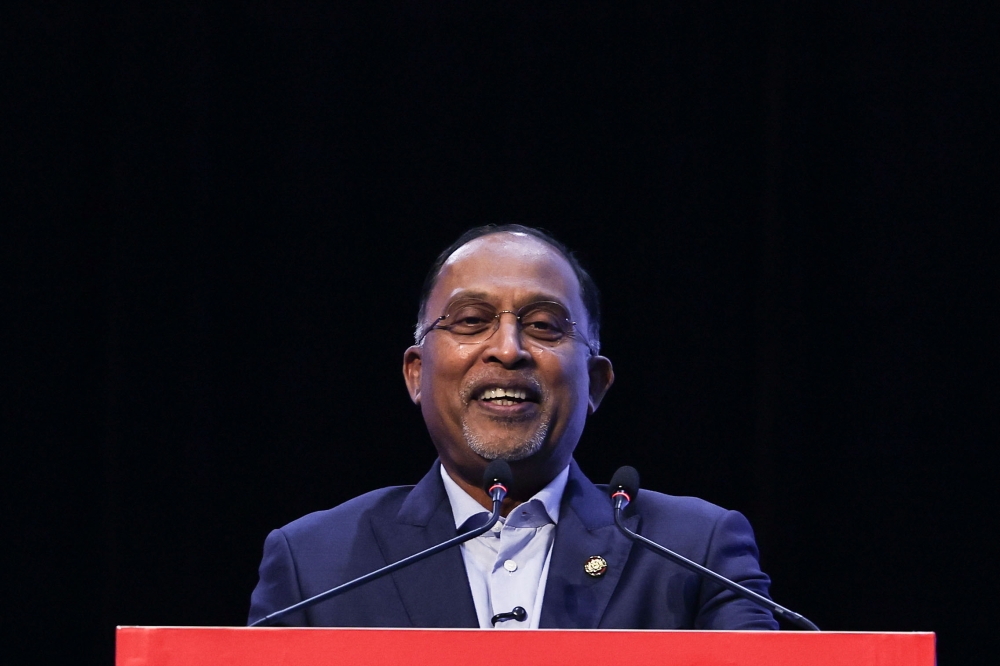
Malaysia and Kazakhstan aim to strengthen higher education cooperation through a partnership focusing on student mobility, research, digital education, cultural studies, and human development.
More than 1,400 Kazakh students are currently studying in Malaysia, and the country encourages reciprocal mobility for Malaysian students in Kazakhstan.
Education Minister Zambry suggests collaborative initiatives like joint postgraduate programmes and research labs to address societal issues and enhance bilateral relations.
ASTANA, Sept 26 — Malaysia and Kazakhstan should forge a comprehensive knowledge partnership to strengthen higher education cooperation between the two countries, said Higher Education Minister Datuk Seri Dr Zambry Abd Kadir.
He said the partnership could be built on five key pillars, namely student mobility, research collaboration, digital and technological education, civilisation and cultural studies, as well as human development.
Zambry said closer cooperation in these areas would enable universities in both countries to play a greater role in connecting Central Asia and Southeast Asia through what he described as “education diplomacy”.
“Diplomacy can create agreements; education creates understanding. Diplomacy can open an embassy, but education opens minds.
“Governments establish formal relationships, while students and scholars build relationships that can last for generations,” he said during his public lecture at the L.N. Gumilyov Eurasian National University, here, yesterday.
Zambry, who is on a three-day working visit to Astana until Sunday, was conferred an honorary professorship by the university, which he described as more than an honour bestowed on an individual, but a symbol of friendship between Malaysia and Kazakhstan, their academic communities and two nations shared belief in the power of knowledge.
The visit is also being held in conjunction with the Malaysia-Central Asia Higher Education Forum 2026 (MAHEF2026), organised by Education Malaysia Global Services (EMGS), which brings together higher education stakeholders from Malaysia and Central Asia to strengthen cooperation in areas including student mobility, transnational education, Technical and Vocational Education and Training (TVET) and digital skills.
On student mobility, Zambry said more than 1,400 Kazakh students are currently pursuing their studies at Malaysian universities, although the figure had exceeded 10,000 before the Covid-19 pandemic.
He said Malaysia remained keen to welcome more Kazakh students while encouraging reciprocal mobility involving Malaysian students pursuing academic programmes in Kazakhstan.
According to him, potential areas for cooperation include joint postgraduate programmes and research laboratories, artificial intelligence (AI), digital education, climate and sustainability research, energy transition, food security, agricultural technology, Islamic finance, the halal industry, governance and entrepreneurship.
“We should now ask what our institutions can build together. We could develop joint postgraduate programmes and research laboratories. Above all, we should pursue research that addresses the real problems in people’s lives. The value of our collaboration should be seen in its contribution to society, as well as in its academic achievement,” he said.
Zambry also proposed greater focus on “geo-intellect”, alongside the traditional understanding of geopolitics, by bringing together intellectual talent and expertise to drive development and progress.
He said Malaysia’s strategic position in Southeast Asia and Kazakhstan’s location at the heart of Eurasia offered complementary strengths that could be harnessed through cooperation among universities, researchers and students.
“Malaysia and Kazakhstan are separated by distance, but knowledge knows no borders. Where knowledge travels, friendship follows. And where friendship grows, peace has a place to begin,” he said.
Malaysia and Kazakhstan established diplomatic relations in 1992, with bilateral ties spanning political, economic, educational, cultural and people-to-people cooperation.
Meanwhile, Zambry also expressed his condolences to the government and people of Kazakhstan over the deaths of 14 servicemen who were swept into the Caspian Sea during a military exercise in the Mangystau region on Thursday following a sudden deterioration in weather conditions.
“As you all mourn, we also share your feelings. May God grant the souls the highest possible place in heaven,” he said. — Bernama
Even unfrozen assets won’t immediately cover Najib’s RM50m house-arrest fine, says son
Fahmi: L. Krishnan shaped Malay cinema’s golden era and national film heritage
LTdL 2026: Shah Alam roads to close temporarily as race flags off at Bukit Jelutong
马来西亚和哈萨克斯坦旨在通过以学生流动、研究、数字教育、文化研究和人类发展为重点的伙伴关系,加强高等教育合作。
目前有超过 1400 名哈萨克斯坦学生在马来西亚学习,该国鼓励马来西亚学生在哈萨克斯坦进行互惠流动。
教育部长赞布里建议开展合作项目,例如联合研究生课程和研究实验室,以解决社会问题并加强双边关系。
阿斯塔纳,9月26日——马来西亚高等教育部长拿督斯里赞布里·阿卜杜勒·卡迪尔博士表示,马来西亚和哈萨克斯坦应该建立全面的知识伙伴关系,以加强两国之间的高等教育合作。
他表示,这种伙伴关系可以建立在五个关键支柱之上,即学生流动、研究合作、数字和技术教育、文明和文化研究以及人类发展。
赞布里表示,在这些领域加强合作将使两国大学能够在连接中亚和东南亚方面发挥更大的作用,他称之为“教育外交”。
外交可以达成协议;教育可以增进理解。外交可以开设大使馆,但教育可以启迪心智。
“政府建立的是正式关系,而学生和学者建立的是可以持续几代人的关系,”他昨天在位于此地的LN古米廖夫欧亚国立大学的公开演讲中说道。
赞布里正在阿斯塔纳进行为期三天的工作访问,直到周日。他被该大学授予荣誉教授头衔,他表示这不仅仅是对个人的荣誉,更是马来西亚和哈萨克斯坦之间友谊的象征,象征着两国学术界以及两国对知识力量的共同信念。
此次访问也与马来西亚-中亚高等教育论坛 2026 (MAHEF2026) 同期举行,该论坛由马来西亚全球教育服务 (EMGS) 组织,旨在汇聚马来西亚和中亚的高等教育利益相关者,加强在学生流动、跨国教育、技术和职业教育与培训 (TVET) 以及数字技能等领域的合作。
关于学生流动,赞布里表示,目前有超过 1400 名哈萨克斯坦学生在马来西亚的大学学习,尽管在新冠疫情爆发之前,这一数字已经超过 10000 人。
他表示,马来西亚仍然热切欢迎更多哈萨克斯坦学生,同时鼓励马来西亚学生在哈萨克斯坦攻读学术课程的互惠流动。
他表示,潜在的合作领域包括联合研究生课程和研究实验室、人工智能 (AI)、数字教育、气候和可持续发展研究、能源转型、粮食安全、农业技术、伊斯兰金融、清真产业、治理和创业。
“我们现在应该思考的是,我们的机构可以携手共建什么。我们可以联合开设研究生项目和研究实验室。最重要的是,我们应该开展能够解决人们生活中实际问题的研究。我们合作的价值不仅体现在学术成就上,也体现在对社会的贡献上。”他说道。
赞布里还建议,除了传统的地缘政治理解之外,还要更加重视“地缘智力”,将智力人才和专业知识聚集在一起,以推动发展和进步。
他表示,马来西亚在东南亚的战略地位和哈萨克斯坦在欧亚大陆中心的地理位置提供了互补优势,可以通过大学、研究人员和学生之间的合作来加以利用。
“马来西亚和哈萨克斯坦虽然相隔遥远,但知识无国界。知识传播之处,友谊随之而来。友谊滋长之处,和平便有萌芽之地。”他说道。
马来西亚和哈萨克斯坦于 1992 年建立外交关系,双边关系涵盖政治、经济、教育、文化和民间合作。
与此同时,赞布里还就14名军人在周四曼格斯套地区军事演习中因天气状况突然恶化而被卷入里海身亡一事,向哈萨克斯坦政府和人民表示慰问。
“在你们哀悼之际,我们也感同身受。愿上帝赐予逝者灵魂在天堂最高的地位。”他说道。——马新社
儿子表示,即使解冻的资产也无法立即偿还纳吉布因软禁而支付的5000万令吉罚款。
法米:L·克里希南塑造了马来电影的黄金时代和国家电影遗产。
LTdL 2026:随着武吉日落洞比赛结束,莎阿南道路将暂时关闭