Why your electricity bill is not as simple as what TNB pays for power为什么你的电费账单并非仅仅是国家能源公司(TNB)支付的电费那么简单?
KUALA LUMPUR, Sept 27 — Tenaga Nasional Bhd’s (TNB) role at the centre of Peninsular Malaysia’s electricity system extends beyond that of a conventional profit-driven...
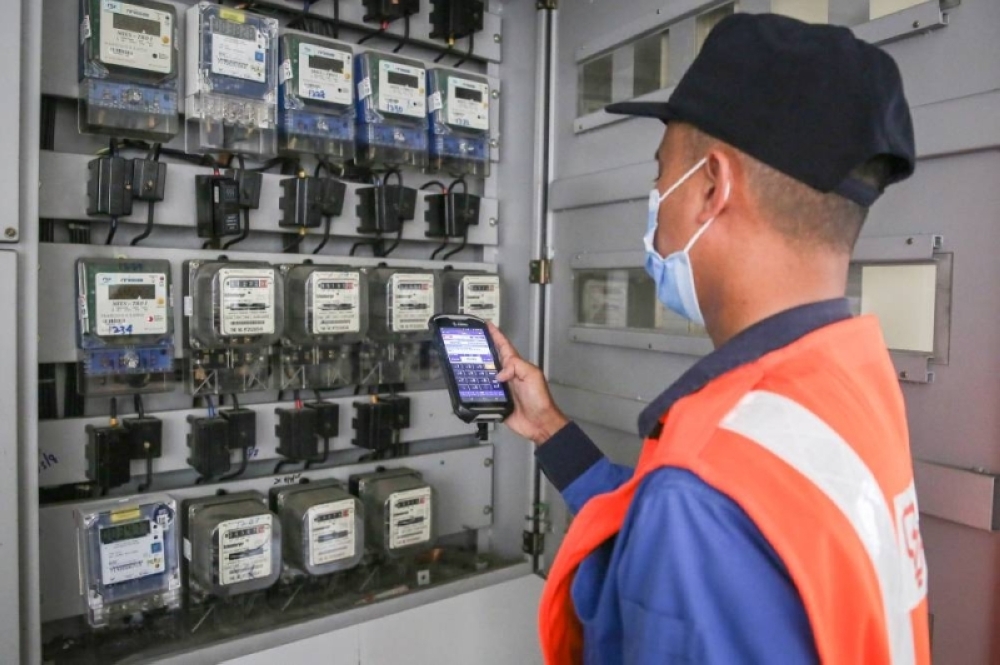
Tenaga Nasional Bhd (TNB) operates within a regulated framework essential for balancing the electricity system in Peninsular Malaysia, where tariffs and expenditure are subject to government oversight.
Under the Incentive-Based Regulation (IBR) framework, TNB's operations and returns are managed to ensure efficiency and fairness while accommodating increasing electricity demand and price volatility due to global fuel costs.
The country's Regulatory Period 4 establishes a systematic approach to tariff restructuring, enhancing transparency and cost reflectiveness in electricity pricing.
Despite measures to protect consumers, such as subsidy thresholds, rising generation costs pose challenges, necessitating continued investment to maintain grid reliability and support Malaysia's transition to cleaner energy.
KUALA LUMPUR, Sept 27 — Tenaga Nasional Bhd’s (TNB) role at the centre of Peninsular Malaysia’s electricity system extends beyond that of a conventional profit-driven business, with tariffs, expenditure and returns governed by a regulated framework while the utility firm maintains critical power infrastructure.
Unlike businesses that can freely adjust prices in response to rising input costs, electricity tariffs in Peninsular Malaysia are determined under a framework administered by the Energy Commission (EC), which may determine tariffs and charges levied by a licensee under Section 26 of the Electricity Supply Act 1990, subject to the Minister’s (Energy Transition and Water Transformation) approval.
That oversight extends to the Incentive-Based Regulation (IBR) framework, which determines the prudent and efficient costs recoverable by regulated entities, establishes performance targets and provides for a fair and reasonable return on regulated assets.
As a result, electricity bills reflect not only the cost of generating power but also a regulated system governing tariffs, infrastructure investment and cost recovery.
Regulated pricing and government oversight
The current Regulatory Period 4 (RP4), which runs from July 1, 2025 to Dec 31, 2027, provides the framework for determining the costs and revenues of regulated electricity businesses.
On June 20, 2025, the EC announced an average base tariff of 45.40 sen per kilowatt-hour (kWh) for RP4, lower than the 45.62 sen per kWh approved by the government in December 2024.
The revised tariff schedule took effect on July 1, 2025.
Under the IBR, the base tariff incorporates efficient capital expenditure and operating expenditure for transmission, distribution, grid system operation, single buyer and retail operations, as well as a regulated return on the relevant asset bases.
The EC, in turn, reviews regulated entities’ performance and expenditure against approved projections, while regulated and non-regulated businesses are required to be separated.
The RP4 tariff restructuring has also unbundled electricity charges into energy, capacity, network and retail components, giving consumers greater visibility over what they are paying for.
According to the EC, the revised structure is intended to make electricity charges more transparent and reflective of the industry’s underlying cost structure.
Such regulatory oversight is particularly important for transmission and distribution networks, which have natural-monopoly characteristics as duplicating large-scale grid infrastructure would be costly and inefficient.
The EC’s role therefore extends beyond tariff setting to ensuring the security, reliability, efficiency and quality of electricity supply while guarding against the misuse of monopoly or market power.
Together, these arrangements place TNB’s regulated businesses in a different position from companies where pricing, investment and returns are determined largely by commercial considerations.
Finance Minister II Datuk Seri Amir Hamzah Azizan, who served as TNB president and chief executive officer from 2019 to 2021, said TNB carries a significant responsibility in maintaining the balance within the electricity system.
“TNB carries a large part of the responsibility for getting this balance right, and as we’ve seen recently from the noise over electric bills, it is a genuinely difficult role,” he said in his recent LinkedIn post.
Generation costs exposed to global fuel prices
While tariffs and returns are regulated, the underlying cost of generating electricity remains exposed to movements in global fuel prices.
That exposure is significant given Peninsular Malaysia’s generation mix.
In its Annual Regulatory Review 2026 released on April 1, the EC said coal accounted for 58.5 per cent of electricity generated in 2025, while natural gas contributed 33.5 per cent, bringing their combined share to 92 per cent.
Movements in the prices of both fuels can therefore affect the cost of generating electricity.
Economy Minister Akmal Nasrullah Mohd Nasir said global coal prices rose to US$130.67 per tonne in August from US$129.63 in July, before climbing to US$148 per tonne on Sept 10, directly raising electricity generation costs.
Liquefied natural gas (LNG) prices also increased 13.2 per cent to an average US$21.87 per million British thermal units (MMBtu) in August from US$19.32 in July, before approaching US$30 per MMBtu by mid-September, adding to the cost of gas-fired electricity generation.
Fuel costs and regulated returns
The Automatic Fuel Adjustment (AFA) provides the mechanism for reflecting such changes in generation costs within the regulated electricity system.
Introduced in July 2025 to replace the Imbalance Cost Pass-Through, the AFA is calculated monthly rather than every six months, allowing changes in generation costs to be reflected more quickly.
According to the EC’s Regulatory Implementation Guidelines, the mechanism adjusts for the difference between actual and allowed generation costs, including variations in fuel prices and power-purchase costs.
The Single Buyer, meanwhile, operates under an actual-cost regime, enabling it to recover the cost of procuring electricity from independent power producers (IPPs) and TNB Generation.
This means fluctuations in fuel and generation costs are treated separately from the regulated returns earned on electricity network and other regulated assets.
Higher coal or LNG prices, therefore, do not automatically translate into additional regulated profit for TNB, as variations in generation costs are addressed through the AFA mechanism.
Rising demand, grid resilience
The system is also having to manage higher generation costs at a time when electricity demand is increasing.
Akmal Nasrullah said daily peak electricity demand reached 21,949 megawatts (MW) on Sept 9, 4.7 per cent higher than the August average, although the increase remained within the reserve margin that could be accommodated by the existing electricity supply system.
Against this backdrop, he said the government would continue to ensure sufficient generation capacity and electricity supply to support economic activities, meet public needs and strengthen the resilience of the country’s energy system.
The EC’s Annual Regulatory Review 2026 put the reserve margin at 25 per cent in 2025, while identifying industrial expansion, data centres, electrification, weather conditions and electric vehicle adoption among factors driving electricity demand.
Demand is expected to remain firm, with Kenanga Investment Bank forecasting growth of 5.0 per cent in 2026 and 3.5 per cent in 2027.
Data centres are expected to be a significant source of that growth.
Kenanga IB estimated that data centre investments could generate more than 8,000 MW of electricity demand by 2035, equivalent to about 30 per cent of Malaysia’s total generation capacity, with around 700 MW expected to come on stream this year.
The scale of that additional demand raises the question of who should bear the cost of the grid infrastructure needed to serve large new loads.
Under the government’s “user pays” approach, data centre operators are required to bear the additional costs of strengthening grid infrastructure rather than passing them on to other electricity consumers.
A dedicated ultra-high-voltage tariff category has also been introduced for data centres operating at high and extra-high voltage levels, while TNB’s connection-charge framework provides for project-cost-based charges for certain high-voltage connections and dedicated infrastructure.
The approach allows the electricity system to accommodate large new users without shifting their additional infrastructure costs to other consumers.
Consumer protection comes at a cost
The question of who ultimately bears electricity costs has also come into sharper focus for domestic consumers.
Amir Hamzah said public frustration over higher electricity bills was understandable, noting that prolonged haze and El Niño conditions had pushed household consumption higher than usual and that consumers crossing the subsidy threshold faced the full cost of their usage.
“No pricing framework can insulate households from the weather,” he said.
The government has since raised the electricity subsidy threshold for domestic consumers in Peninsular Malaysia to 800 kWh a month from 600 kWh from Sept 1 through December.
Amir Hamzah said the move meant 90 per cent of domestic users would remain within the protected range, with TNB and the Electricity Industry Fund absorbing the cost while the Ministry of Energy Transition and Water Transformation and the EC work on a more permanent solution.
TNB president and chief executive officer Datuk Shamsul Ahmad said the higher threshold shields an additional one million consumers, taking the total number benefitting to more than eight million, with those consuming less than 800 kWh a month exempt from the AFA, retail charges and sales and service tax (SST).
The protection, however, carries a cost, with TNB estimating RM120 million to RM150 million will be required to absorb the AFA cost difference until December.
Kenanga IB said the absorption represents a direct cost to TNB but expects the impact to remain manageable at less than three per cent of FY2026 earnings, concentrated in the fourth quarter.
While TNB has historically been shielded from fuel-cost fluctuations through the IBR’s pass-through mechanism, the investment bank cautioned that prolonged cost absorption could create regulatory lag if full cost pass-through under RP4 faces continued constraints.
It said any extension beyond end-2026 could introduce greater earnings volatility if high fuel costs persist.
Amir Hamzah also stressed that managing electricity consumption could not rest solely on government measures and TNB’s role.
“While the government can drive protective policies and institutions like TNB carry the weight, all of us have a part to play in this. Efficient energy usage must be the new norm, not a temporary adjustment,” he said in the LinkedIn post.
The current arrangement nevertheless provides a buffer between higher generation costs and what most households ultimately pay for electricity.
Overall, TNB operates at the intersection of commercial considerations and broader electricity-system obligations, with its regulated businesses subject to tariff and return controls while it maintains and invests in infrastructure needed to meet rising demand.
As Malaysia’s electricity requirements grow, maintaining that balance will require continued investment to keep the grid reliable while managing affordability, consumer protection and the transition towards cleaner energy. — Bernama
Melaka Pakatan wraps up seat talks, awaits final approval from presidential council
Families of 55 missing Malaysians return to Wisma Putra for latest Nepal search update
‘No contradiction’: Abang Johari explains why EC says no Sarawak seat proposal yet
马来西亚国家能源公司 (TNB) 在马来西亚半岛电力系统平衡所必需的监管框架内运营,其电价和支出均受政府监管。
在激励性监管(IBR)框架下,TNB 的运营和收益管理旨在确保效率和公平性,同时适应不断增长的电力需求和因全球燃料成本波动而导致的价格波动。
该国第四监管期确立了关税重组的系统方法,提高了电力定价的透明度和成本反映性。
尽管采取了补贴门槛等措施来保护消费者,但不断上涨的发电成本带来了挑战,因此需要持续投资以维持电网可靠性并支持马来西亚向清洁能源转型。
吉隆坡,9 月 27 日讯——马来西亚国家能源公司 (TNB) 在马来西亚半岛电力系统中扮演着核心角色,其作用远不止于传统的以盈利为目的的企业。该公司的电价、支出和收益都受到监管框架的约束,同时还负责维护关键的电力基础设施。
与可以根据投入成本上涨自由调整价格的企业不同,马来西亚半岛的电价是由能源委员会 (EC) 管理的框架决定的。能源委员会可以根据 1990 年《电力供应法》第 26 条,确定持牌人征收的电价和费用,但须经能源转型和水务转型部长批准。
这种监管也延伸到了基于激励的监管(IBR)框架,该框架确定了受监管实体可以收回的审慎有效的成本,制定了绩效目标,并为受监管资产提供了公平合理的回报。
因此,电费不仅反映了发电成本,还反映了管理电价、基础设施投资和成本回收的监管体系。
价格管制和政府监管
当前的监管期 4 (RP4) 从 2025 年 7 月 1 日至 2027 年 12 月 31 日,为确定受监管电力企业的成本和收入提供了框架。
2025 年 6 月 20 日,EC 宣布 RP4 的平均基本电价为每千瓦时 45.40 仙,低于政府在 2024 年 12 月批准的每千瓦时 45.62 仙。
修订后的关税表于2025年7月1日生效。
根据 IBR,基本电价包括输电、配电、电网系统运行、单一买家和零售运营的有效资本支出和运营支出,以及相关资产基础的监管回报。
欧盟委员会则根据已批准的预测,审查受监管实体的业绩和支出情况,同时要求将受监管企业和非受监管企业分开。
RP4 电价重组还将电力费用拆分为能源、容量、网络和零售部分,让消费者更清楚地了解他们支付的费用包含哪些内容。
欧盟委员会表示,修订后的收费结构旨在使电力收费更加透明,并反映出该行业的基本成本结构。
这种监管对于输配电网络尤为重要,因为输配电网络具有自然垄断的特征,而大规模电网基础设施的重复建设成本高昂且效率低下。
因此,欧盟委员会的作用不仅限于制定电价,还要确保电力供应的安全、可靠、高效和质量,同时防止滥用垄断或市场力量。
这些安排共同使得 TNB 的受监管业务与那些定价、投资和回报主要由商业因素决定的公司处于不同的地位。
曾于 2019 年至 2021 年担任国家能源公司总裁兼首席执行官的第二财政部长拿督斯里阿米尔·哈姆扎·阿齐赞表示,国家能源公司在维持电力系统平衡方面肩负着重大责任。
“TNB在保持这种平衡方面负有很大责任,正如我们最近从电费争议中看到的那样,这确实是一个艰难的角色,”他在最近的LinkedIn帖子中写道。
发电成本受全球燃料价格影响
虽然电价和收益受到监管,但发电的实际成本仍然会受到全球燃料价格波动的影响。
考虑到马来西亚半岛的人口结构,这种影响意义重大。
欧盟委员会在 4 月 1 日发布的《2026 年年度监管审查报告》中表示,2025 年煤炭发电量占总发电量的 58.5%,天然气发电量占 33.5%,两者合计占 92%。
因此,这两种燃料价格的波动都会影响发电成本。
经济部长阿克马尔·纳斯鲁拉·莫哈末·纳西尔表示,全球煤炭价格从7月份的每吨129.63美元上涨到8月份的每吨130.67美元,然后在9月10日攀升至每吨148美元,直接推高了发电成本。
液化天然气 (LNG) 价格也上涨了 13.2%,8 月份平均价格从 7 月份的每百万英热单位 (MMBtu) 19.32 美元上涨至 21.87 美元,到 9 月中旬接近每 MMBtu 30 美元,增加了燃气发电的成本。
燃料成本和受监管的回报
自动燃料调整(AFA)提供了一种机制,用于在受监管的电力系统中反映发电成本的此类变化。
AFA 于 2025 年 7 月推出,旨在取代不平衡成本转嫁机制。AFA 按月计算,而不是每六个月计算一次,从而可以更快地反映发电成本的变化。
根据欧盟的监管实施指南,该机制可调整实际发电成本与允许发电成本之间的差异,包括燃料价格和购电成本的变化。
与此同时,单一买家采用实际成本机制运作,使其能够收回从独立发电商 (IPP) 和 TNB 发电公司采购电力的成本。
这意味着燃料和发电成本的波动与电力网络和其他受监管资产所获得的受监管收益是分开处理的。
因此,煤炭或液化天然气价格上涨并不会自动转化为国家能源公司额外的监管利润,因为发电成本的变化是通过AFA机制来解决的。
需求上升,电网韧性
同时,在电力需求不断增长的情况下,该系统还必须应对更高的发电成本。
阿克马尔·纳斯鲁拉表示,9 月 9 日的日用电高峰需求达到 21949 兆瓦 (MW),比 8 月份的平均水平高出 4.7%,但这一增幅仍在现有电力供应系统可以容纳的备用余量范围内。
在此背景下,他表示政府将继续确保充足的发电能力和电力供应,以支持经济活动,满足公众需求,并增强国家能源系统的韧性。
欧盟委员会 2026 年年度监管审查报告将 2025 年的备用容量设定为 25%,同时指出工业扩张、数据中心、电气化、天气状况和电动汽车普及等因素将推动电力需求。
预计需求将保持强劲,肯纳格投资银行预测 2026 年增长 5.0%,2027 年增长 3.5%。
数据中心预计将成为这一增长的重要来源。
Kenanga IB 估计,到 2035 年,数据中心投资可能会产生超过 8000 兆瓦的电力需求,相当于马来西亚总发电量的约 30%,预计今年将有约 700 兆瓦投入运营。
新增需求的规模引发了一个问题:谁应该承担满足新增大量负荷所需的电网基础设施的成本?
根据政府的“用户付费”模式,数据中心运营商必须承担加强电网基础设施的额外成本,而不是将其转嫁给其他电力用户。
针对高压和超高压数据中心,还专门引入了超高压电价类别;同时,TNB 的连接收费框架规定,某些高压连接和专用基础设施将按项目成本收费。
这种方法可以让电力系统容纳大量新增用户,而无需将额外的基础设施成本转嫁给其他消费者。
消费者保护是有代价的。
对于家庭消费者而言,最终由谁承担电费的问题也变得更加引人关注。
阿米尔·哈姆扎表示,公众对电费上涨感到沮丧是可以理解的,他指出,持续的雾霾和厄尔尼诺现象导致家庭用电量高于往常,超过补贴门槛的消费者将承担全部用电量费用。
他说:“没有任何定价机制能够使家庭免受天气影响。”
政府已将马来西亚半岛居民用电补贴门槛从9月1日至12月期间的每月600千瓦时提高至800千瓦时。
阿米尔·哈姆扎表示,此举意味着90%的家庭用户将继续留在受保护的范围内,国家能源公司和电力行业基金将承担相关费用,而能源转型和水务转型部以及能源委员会正在努力寻找更长久的解决方案。
TNB总裁兼首席执行官Datuk Shamsul Ahmad表示,更高的门槛将额外保护100万消费者,使受益总人数超过800万,每月用电量低于800千瓦时的消费者可免缴AFA、零售费和销售及服务税(SST)。
然而,这种保护措施是有代价的,TNB 估计需要 1.2 亿至 1.5 亿令吉来弥补 AFA 的成本差额,直到 12 月。
Kenanga IB表示,此次收购将给TNB带来直接成本,但预计其影响仍可控,不会超过2026财年收益的3%,主要集中在第四季度。
虽然 TNB 一直以来都通过 IBR 的转嫁机制免受燃料成本波动的影响,但投资银行警告说,如果 RP4 下的完全成本转嫁持续受到限制,那么长期的成本吸收可能会造成监管滞后。
报告称,如果高昂的燃料成本持续存在,任何超过 2026 年底的延期都可能导致更大的盈利波动。
阿米尔·哈姆扎还强调,电力消耗管理不能仅仅依靠政府措施和国家能源公司(TNB)的作用。
他在领英帖子中写道:“虽然政府可以推行保护性政策,像国家能源公司(TNB)这样的机构也发挥着重要作用,但我们每个人都应该为此出一份力。高效利用能源必须成为新的常态,而不是暂时的调整。”
不过,目前的安排在较高的发电成本和大多数家庭最终支付的电费之间起到了一定的缓冲作用。
总体而言,TNB 的运营处于商业考量和更广泛的电力系统义务的交汇点上,其受监管的业务受到关税和收益控制,同时它还维护和投资满足不断增长的需求所需的基础设施。
随着马来西亚电力需求的增长,要维持电力供应的平衡,就需要持续投资,以确保电网可靠运行,同时兼顾价格可承受性、消费者权益保护以及向清洁能源转型。——马新社
马六甲席位谈判结束,等待总统理事会最终批准
55名失踪马来西亚人的家属返回布特拉大厦,了解尼泊尔搜寻工作的最新进展
“没有矛盾”:阿邦佐哈里解释选举委员会为何表示暂无砂拉越议席提案