Northern Hemisphere flu vaccines in Singapore delayed by about 2 weeks to early October新加坡的北半球流感疫苗接种推迟了大约两周,要到十月初才能接种。
Of 11 clinics contacted by CNA, three said they had run out of the Southern Hemisphere vaccine, while another said it had little stock left amid a rise in demand for flu jabs.
Of 11 clinics contacted by CNA, three said they had run out of the Southern Hemisphere vaccine, while another said it had little stock left amid a rise in demand for flu jabs.
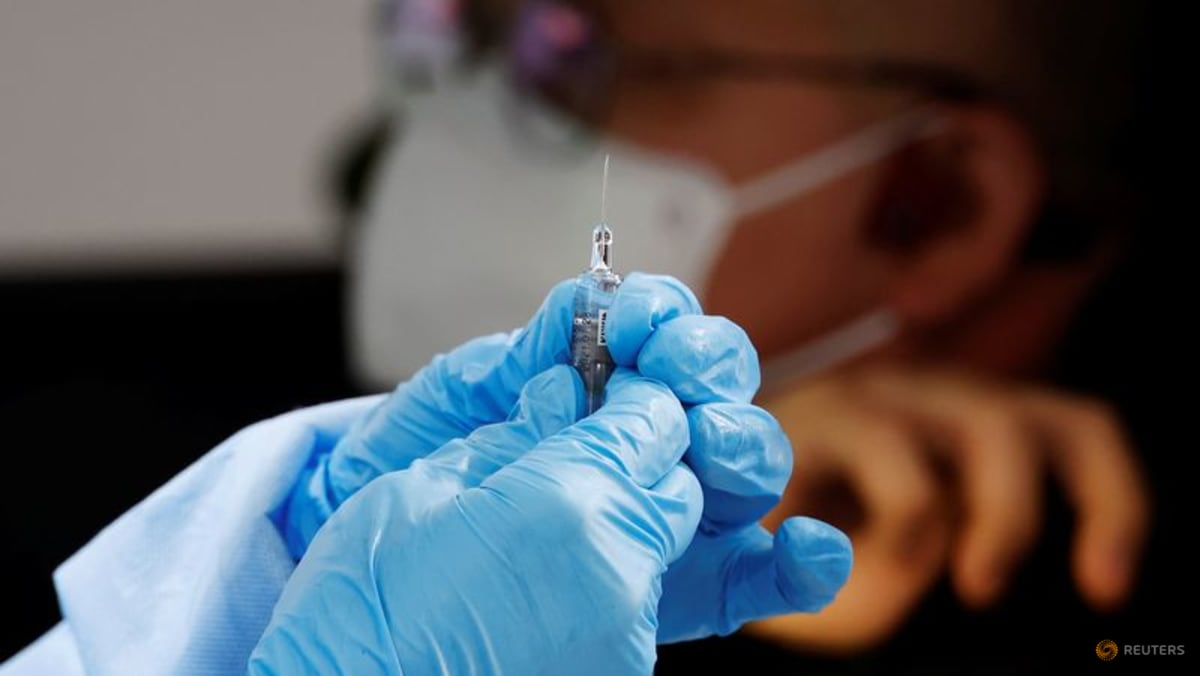
A man gets an influenza vaccine sitting inside his vehicle at a drive-thru vaccine center of a hospital in Goyang, South Korea, on Oct 26, 2020. (File photo: Reuters/Kim Hong-ji)
This audio is generated by an AI tool.
SINGAPORE: Flu vaccines for the upcoming Northern Hemisphere flu season will be available in Singapore about two weeks later than usual, with supplies expected to reach public and private healthcare providers in early to mid-October, the Ministry of Health (MOH) and Communicable Diseases Agency (CDA) said on Friday (Sep 4).
This is due to an industry-wide delay by pharmaceutical companies in developing the latest Northern Hemisphere vaccines, which will contain a two-strain change from the 2026 Southern Hemisphere seasonal influenza vaccines, based on recommendations by the World Health Organization.
Northern Hemisphere flu vaccines are typically available in Singapore by the end of September, ahead of the season which generally runs from October to March.
The delay comes as Singapore sees an increase in influenza cases , although there is no indication that the infections are more severe than usual, CDA said previously.
CNA Games Guess Word Crack the word, one row at a time Buzzword Create words using the given letters Mini Sudoku Tiny puzzle, mighty brain teaser Mini Crossword Small grid, big challenge Word Search Spot as many words as you can Show More Show Less Flu vaccines are tailored according to the annual flu seasons in the Northern and Southern Hemispheres. Vaccine formulations for these two regions differ due to the unique influenza strains circulating in each hemisphere during their flu seasons. Since flu viruses evolve, each vaccine strain is also updated annually to ensure they remain effective. WHAT SHOULD PEOPLE DO IN THE MEANTIME? Singapore's Expert Committee on Immunisation has recommended that people at higher risk of developing severe influenza receive the 2026-2027 Northern Hemisphere vaccine when it becomes available. “The 2026-2027 Northern Hemisphere seasonal influenza vaccine is expected to confer better protection against circulating influenza strains in the upcoming Northern Hemisphere season and is therefore the preferred vaccine for persons in the recommended groups,” said MOH and CDA. These groups include seniors aged 65 and above, children aged six months to under five years, and people with underlying medical conditions. However, those in the recommended groups who have not received the 2026 Southern Hemisphere vaccine and want some protection in the interim are encouraged to get it. They should still receive the 2026-2027 Northern Hemisphere vaccine when it becomes available, with a minimum interval of eight weeks between doses. There is sufficient supply of the 2026 Southern Hemisphere vaccine, and people can approach their healthcare providers to receive it, the health authorities said. Those who have already received the Southern Hemisphere vaccine are advised to wait for the Northern Hemisphere vaccine to become available and receive it as their next dose. Polyclinics and Community Health Assist Scheme (CHAS) general practitioner clinics will contact patients who have already booked influenza vaccination appointments to reschedule them.
Flu vaccines are tailored according to the annual flu seasons in the Northern and Southern Hemispheres. Vaccine formulations for these two regions differ due to the unique influenza strains circulating in each hemisphere during their flu seasons.
Since flu viruses evolve, each vaccine strain is also updated annually to ensure they remain effective.
WHAT SHOULD PEOPLE DO IN THE MEANTIME?
Singapore's Expert Committee on Immunisation has recommended that people at higher risk of developing severe influenza receive the 2026-2027 Northern Hemisphere vaccine when it becomes available.
“The 2026-2027 Northern Hemisphere seasonal influenza vaccine is expected to confer better protection against circulating influenza strains in the upcoming Northern Hemisphere season and is therefore the preferred vaccine for persons in the recommended groups,” said MOH and CDA.
These groups include seniors aged 65 and above, children aged six months to under five years, and people with underlying medical conditions.
However, those in the recommended groups who have not received the 2026 Southern Hemisphere vaccine and want some protection in the interim are encouraged to get it.
They should still receive the 2026-2027 Northern Hemisphere vaccine when it becomes available, with a minimum interval of eight weeks between doses.
There is sufficient supply of the 2026 Southern Hemisphere vaccine, and people can approach their healthcare providers to receive it, the health authorities said.
Those who have already received the Southern Hemisphere vaccine are advised to wait for the Northern Hemisphere vaccine to become available and receive it as their next dose.
Polyclinics and Community Health Assist Scheme (CHAS) general practitioner clinics will contact patients who have already booked influenza vaccination appointments to reschedule them.
SOME CLINICS SEE VACCINE SHORTAGES
The delay in the Northern Hemisphere vaccine comes amid increased demand for flu jabs.
Of 11 clinics contacted by CNA on Thursday, three said they had run out of the Southern Hemisphere vaccine, while another said it had little stock left.
A staff member at Leong Clinic in Redhill said the clinic had not had flu vaccines available for one to two months and was unsure when new supplies would arrive.
However, the clinic had not seen many patients seeking flu vaccinations, so there had been no “panic”, she said.
At Silver Cross Medical (Holland), up to 10 people a day have been visiting for flu vaccinations, an employee said. The clinic, which is under Healthway Medical, ran out of flu vaccines last month and has been referring patients to other clinics.
Healthway Medical, which runs over 60 GP clinics in Singapore, told CNA on Thursday that it was facing a delay in the delivery of the Northern Hemisphere vaccine.
The delay is “in line with global supply timelines”, and the GP network expects the new strain to be available at its clinics by mid-October, said Dr John Cheng, chief medical officer at Healthway Medical Group.
Healthway Medical, Raffles Medical and Parkway Shenton told CNA they have seen increased demand for influenza vaccinations.
“Across our Healthway Medical GP Clinics, we have observed a steady increase in the demand for flu vaccinations in the three-week period following the National Day long weekend,” said Dr Cheng, adding that the uptake was higher than usual.
“We attribute (this) to seasonal factors including travel and school holidays,” he said.
Dr Lim Wee Peng, medical director at Parkway Shenton, said it had seen a 15 per cent increase in demand since before the June school holidays as more families were travelling at that time.
For Raffles Medical, demand has also steadily increased over the last few months, said Dr Chng Shih Kiat, executive medical director of Raffles Physicians.
Parkway Shenton and Raffles Medical said they expect their current vaccine supplies to remain sufficient if demand increases.
“We will work with our pharmaceutical vendors to ensure the continued availability of vaccine,” said Dr Chng.
Dr Cheng said Healthway Medical’s clinics had enough flu vaccines to meet current patient demand.
“We are closely monitoring stock levels across our network and working with our suppliers to ensure timely replenishment to support continued demand,” he said.
SHOULD TRAVELLERS WAIT FOR THE NEW VACCINE?
Whether travellers should wait for the Northern Hemisphere vaccine depends on when they are travelling, their destination and their health status, Dr Chng said.
The Northern Hemisphere vaccine is recommended for people at higher risk of developing complications from influenza who are travelling to places such as the US, Europe or Japan between December and February, he said.
These include those aged 65 and above and individuals with chronic heart and lung diseases.
“However, if an individual is travelling sooner or is in the aforementioned high-risk group, it might be ideal to consult with your family physician to check if the current available formulations offer adequate immediate protection,” he said.
Individuals, especially seniors and young children, who have not received a seasonal influenza vaccination can consider taking the Southern Hemisphere flu vaccine to protect themselves for now, Dr Cheng said.
Those who receive the Southern Hemisphere vaccine this year should still get the Northern Hemisphere vaccine when it becomes available because of changes in the strain composition between the two vaccines, he added.
“A minimum interval of eight weeks between the two doses should be observed,” he said.
“For travellers, it is recommended that they receive any influenza vaccine at least two weeks before their planned trips.”
Get our pick of top stories and thought-provoking articles in your inbox
Stay updated with notifications for breaking news and our best stories
Join our channel for the top reads for the day on your preferred chat app
CNA联系的11家诊所中,有3家表示南半球疫苗已用完,另有一家表示,由于流感疫苗需求增加,其库存所剩无几。
2020年10月26日,一名男子在韩国高阳市一家医院的免下车疫苗接种中心,坐在车内接种流感疫苗。(资料照片:路透社/金洪基)
这段音频由人工智能工具生成。
新加坡:卫生部和传染病局周五(9月4日)表示,即将到来的北半球流感季的流感疫苗将在新加坡比往年晚两周左右上市,预计疫苗将于10月初至10月中旬送达公立和私立医疗机构。
这是由于制药公司在开发最新的北半球疫苗方面出现行业性延误所致,根据世界卫生组织的建议,这些疫苗将包含与 2026 年南半球季节性流感疫苗不同的两种毒株。
北半球流感疫苗通常在 9 月底前在新加坡上市,赶在流感季到来之前(流感季通常从 10 月持续到次年 3 月)。
新加坡疾病控制署此前表示,由于新加坡流感病例增加,因此推迟了疫苗接种,但目前没有迹象表明感染比往常更严重。
CNA游戏 猜词游戏 逐行破解单词 流行词游戏 用给定的字母组成单词 迷你数独 小谜题,脑力挑战 迷你填字游戏 小方格,大挑战 单词搜索 尽可能多地找出单词 显示更多 显示更少 流感疫苗根据南北半球的年度流感季进行调整。由于每个半球在流感季期间流行的流感病毒株各不相同,因此这两个地区的疫苗配方也不同。由于流感病毒会不断进化,每种疫苗株每年都会更新,以确保其有效性。在此期间,人们应该怎么做?新加坡免疫专家委员会建议,2026-2027年北半球流感疫苗上市后,高危人群应接种该疫苗。卫生部和公民发展署表示:“预计2026-2027年北半球季节性流感疫苗将能更好地预防即将到来的北半球流感季流行的流感病毒株,因此是推荐人群的首选疫苗。”这些人群包括65岁及以上的老年人、6个月至5岁以下的儿童以及患有基础疾病的人群。然而,对于尚未接种2026年南半球流感疫苗且希望在此期间获得一定保护的推荐人群,卫生部鼓励他们接种该疫苗。他们仍应在2026-2027年北半球流感疫苗上市后接种,两剂之间至少间隔八周。卫生部门表示,2026年南半球流感疫苗供应充足,民众可联系医疗机构接种。已接种南半球流感疫苗的人士,建议等待北半球流感疫苗上市后接种,作为下一剂。综合诊疗所和社区健康援助计划 (CHAS) 全科医生诊所将联系已预约流感疫苗接种的患者,重新安排接种时间。
流感疫苗是根据南北半球每年的流感季节进行配制的。由于南北半球在各自流感季节流行的流感病毒株不同,因此这两个地区的疫苗配方也有所不同。
由于流感病毒会不断变异,因此每种疫苗毒株每年都会更新,以确保其保持有效性。
在此期间,人们应该做什么?
新加坡免疫专家委员会建议,患重症流感风险较高的人群应在 2026-2027 年北半球流感疫苗上市后接种该疫苗。
卫生部和疫苗研发局表示:“预计 2026-2027 年北半球季节性流感疫苗将对即将到来的北半球流感季流行的流感病毒株提供更好的保护,因此是推荐人群的首选疫苗。”
这些群体包括 65 岁及以上的老年人、6 个月至 5 岁以下的儿童以及患有基础疾病的人。
但是,建议尚未接种 2026 年南半球疫苗且希望在此期间获得一些保护的推荐人群接种疫苗。
他们仍然应该在 2026-2027 年北半球疫苗上市后接种,两剂之间至少间隔八周。
卫生部门表示,2026 年南半球疫苗供应充足,人们可以联系他们的医疗保健提供者进行接种。
已接种南半球疫苗的人应等待北半球疫苗上市后再接种,作为下一剂。
综合诊疗所和社区健康援助计划 (CHAS) 全科医生诊所将联系已预约流感疫苗接种的患者,重新安排接种时间。
部分诊所出现疫苗短缺
北半球疫苗的延迟交付正值流感疫苗需求增加之际。
周四,CNA 联系了 11 家诊所,其中 3 家表示南半球疫苗已用完,另一家表示库存所剩无几。
红山梁氏诊所的一名工作人员表示,该诊所已经一到两个月没有流感疫苗了,并且不确定何时才能有新的疫苗到货。
但她表示,诊所并没有接待很多前来接种流感疫苗的患者,所以并没有出现“恐慌”。
据一位工作人员透露,位于荷兰市的Silver Cross Medical诊所每天最多有10人前来接种流感疫苗。这家诊所隶属于Healthway Medical集团,上个月流感疫苗告罄,目前已将部分患者转诊至其他诊所。
在新加坡经营 60 多家全科诊所的 Healthway Medical 周四告诉 CNA,北半球疫苗的交付遇到了延误。
Healthway Medical Group 首席医疗官 John Cheng 医生表示,此次延迟“符合全球供应时间表”,全科医生网络预计到 10 月中旬,其诊所将提供这种新菌株。
Healthway Medical、Raffles Medical 和 Parkway Shenton 向 CNA 表示,他们发现流感疫苗的需求有所增加。
郑医生表示:“在我们所有 Healthway Medical 全科诊所,我们观察到,在国庆长周末后的三周内,流感疫苗的需求稳步增长。”他还补充说,接种率高于往常。
他说:“我们认为这是季节性因素造成的,包括旅游和学校假期。”
百汇珊顿医院医疗总监林伟平医生表示,自六月学校假期前以来,由于更多家庭在假期出行,医院的需求量增加了 15%。
莱佛士医疗集团执行医疗总监庄世杰医生表示,过去几个月来,莱佛士医疗的需求也稳步增长。
百汇珊顿和莱佛士医疗表示,如果需求增加,他们预计目前的疫苗供应将保持充足。
“我们将与药品供应商合作,确保疫苗的持续供应,”Chng博士说。
程医生表示,Healthway Medical 的诊所流感疫苗储备充足,足以满足目前患者的需求。
他说:“我们正在密切监控整个网络的库存水平,并与供应商合作,确保及时补货,以满足持续的需求。”
旅行者应该等待新疫苗吗?
Chng医生表示,旅客是否应该等待北半球疫苗取决于他们的旅行时间、目的地和健康状况。
他表示,建议在 12 月至 2 月期间前往美国、欧洲或日本等地旅行,且患流感并发症风险较高的人群接种北半球疫苗。
其中包括 65 岁及以上的老年人和患有慢性心脏和肺部疾病的人。
“但是,如果一个人近期要出行,或者属于上述高风险人群,最好咨询一下家庭医生,看看目前可用的疫苗配方是否能提供足够的即时保护,”他说。
程医生表示,尚未接种季节性流感疫苗的个人,特别是老年人和幼儿,可以考虑接种南半球流感疫苗来保护自己。
他还补充说,由于两种疫苗的毒株组成有所不同,今年接种南半球疫苗的人,在北半球疫苗上市后仍然应该接种北半球疫苗。
“两剂疫苗之间至少应间隔八周,”他说。
“对于旅行者,建议他们在计划出行前至少两周接种流感疫苗。”
订阅我们的邮件,即可获取精选热点新闻和引人深思的文章。
订阅通知,第一时间获取突发新闻和精彩报道。
加入我们的频道,即可在您常用的聊天应用上获取当日热门文章。